How to Analyse a Film: A Guide for Curious Viewers

How to Analyse a Film: A Guide for Curious Viewers
How to Analyse a Film: A Guide for Curious Viewers
This beginner-friendly guide shows how film meaning is built through visuals, sound, and structure. Start with formal analysis and learn to spot themes beyond the plot and characters.
You only need a quick look online to see how many ways there are of approaching film analysis. Do we treat cinema purely as a storytelling medium, focusing on narrative? Do we scrutinise the director as an auteur and situate each film within their wider body of work? Or do we read a film as a cultural artefact that reflects its historical context and ideological currents? All of these perspectives are valid, and each opens a different window onto meaning.
But where to start when you’re new to film studies? For me, the simplest and most approachable method; one that lays the groundwork for deeper theoretical work on spectatorship, representation, and ideology, is to begin with this question:
How does a film communicate its major themes and ideas through its formal elements?
To answer this, we take seriously what film theorists call formal analysis: the close study of how visual and audio elements are arranged to carry meaning, rather than just what the story is about. This is distinct from a review of whether a film was “good” or “bad”; instead, we probe how the film works.
The Toolkit: Five Key Elements of Film
Before analysing any film, it helps to familiarise yourself with its building blocks. A widely used schema in film studies breaks down film form into five core elements:
- Mise-en-scène
- Performance
- Cinematography
- Editing
- Sound
Think of these as the toolkit a filmmaker uses to craft meaning. Each element has its own vocabulary and associations, and each can signify mood, theme, character psychology, or cultural assumptions.
Mise-en-Scène: What You See
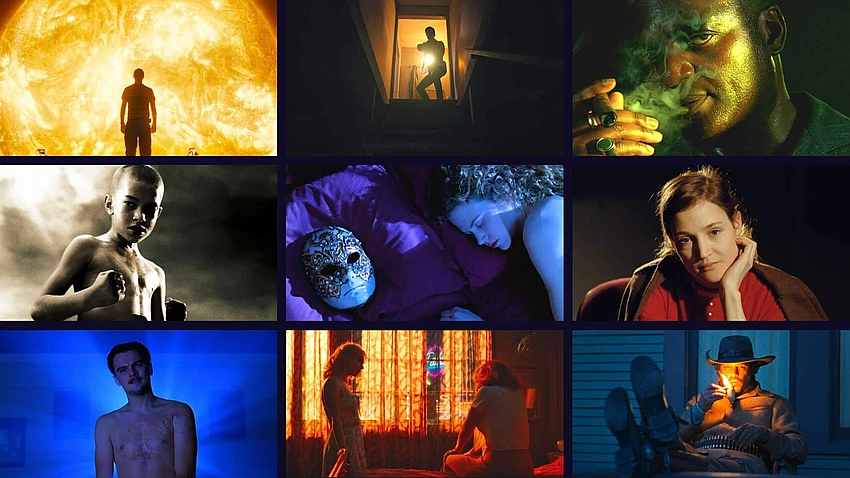
Mise-en-scène literally means “putting in the scene.” At its simplest, it refers to everything that appears before the camera: sets, props, lighting, costumes, and actors’ spatial relationships. Importantly, it is not about the camera’s movement or editing; it’s about the visual world of the film itself.
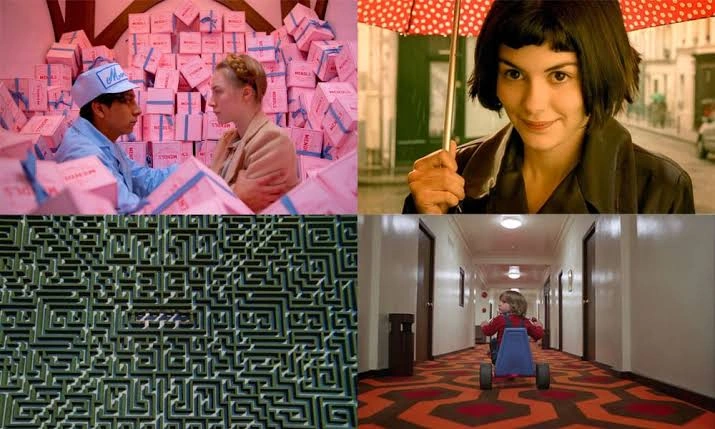
When analysing mise-en-scène, ask: What kind of world does the film invite us into? Is the environment stark or luxuriant? Are characters framed close together or isolated? How do the costumes signal class, gender, or time period? Every choice here creates affect and meaning.
Performance: Voices and Bodies
Performance encompasses both spoken dialogue and non-verbal physicality of gesture, stance, gaze, vocal tone. A performance might be naturalistic and understated, or expressive and heightened, and each approach communicates something about a character’s psychology and the tone of the film. Think of how an actor’s use of silence or expressive gesture might invite empathy or distance.
Cinematography: How It’s Filmed
If mise-en-scène is what we see, cinematography is how we see it. This includes framing, camera movement, shot size (close-up, long shot, etc.), lighting, and lens choices. Cinematographers shape our viewpoint and guide our emotional and intellectual engagement.
For example, a static wide shot with deep focus invites a different mode of seeing than a rapid succession of handheld close-ups. Are we given an objective viewpoint or a subjective one? What constitutes the film’s dominant visual grammar?
Editing: Assembling Meaning
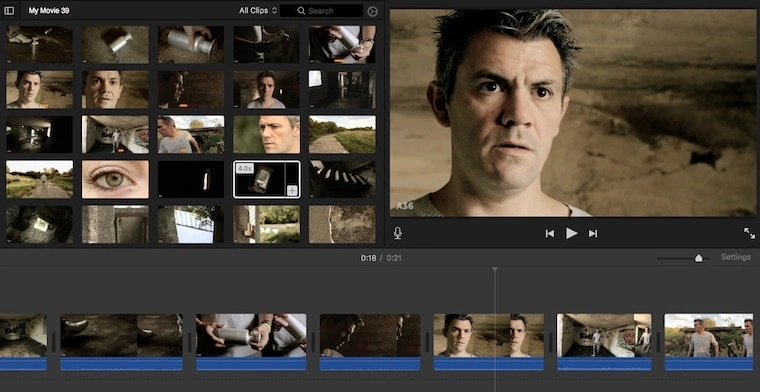
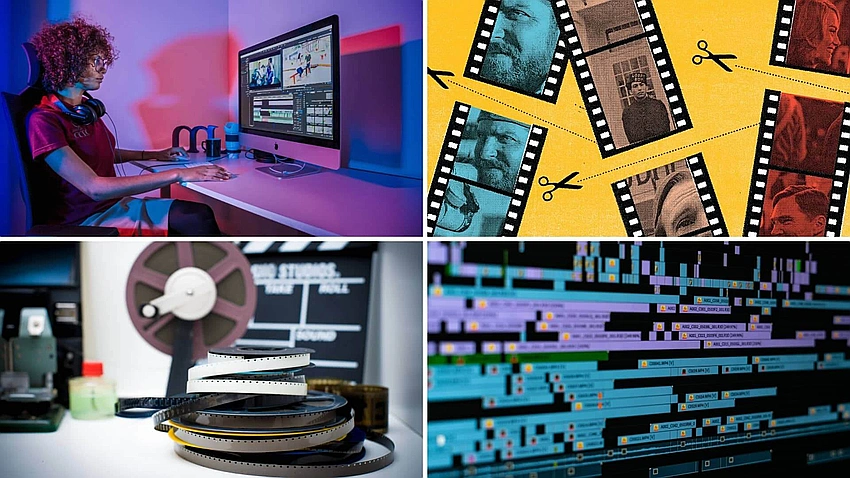
Editing stitches individual shots into sequences and sequences into a narrative whole. Every cut creates a relationship between images in time and space, and the ordering of shots can subtly (or overtly) imply causality, juxtaposition, or contrast. Editing pace contributes to rhythm and tension, shaping how we emotionally experience a scene.
One of the classical insights of film analysis is that editing can create meaning through montage with the collision of shots that encourages viewers to infer relationships or ideas that aren’t explicit on screen.
Sound: What You Hear
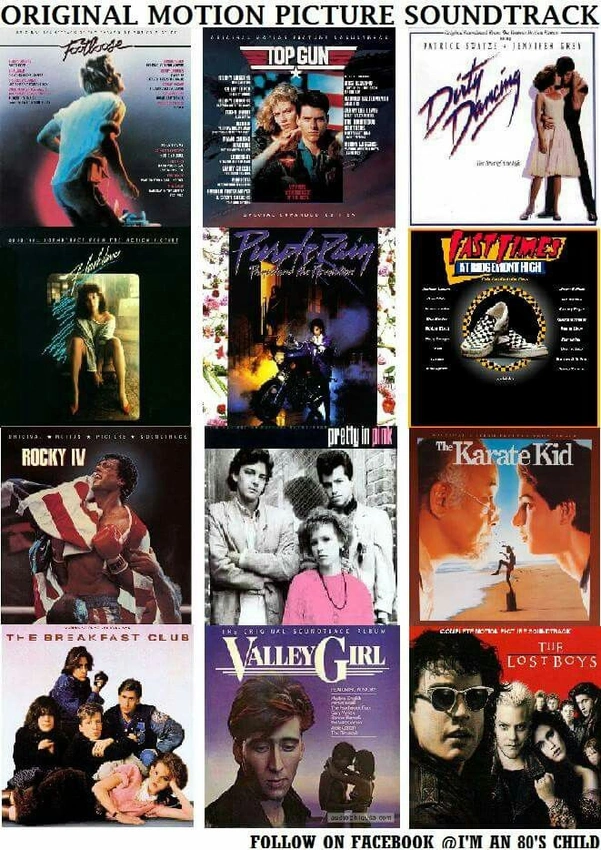
Sound in cinema includes dialogue, ambient noise, sound effects, and music. Film scholars distinguish between diegetic sound (originating within the film world) and non-diegetic sound (such as a score). Thoughtful analysis recognises how sound guides attention, sets mood, and interacts with visuals to reinforce or subvert the narrative.
From Watching to Thinking
Now that you have the conceptual tools, here’s a practical workflow to make film analysis manageable and rigorous.
1. Research the Film’s Context
Before your first viewing, gather background on the film’s production, its historical setting, the director’s intentions, and cultural context. This doesn’t mean you should foreclose your own interpretation, but context enriches understanding and flags aspects you might otherwise miss.
2. First Screening: Enjoy Holistically
Watch the film without notes. Let yourself be absorbed by the experience. Initially, you are exploring the world of the film: its rhythms, characters, and broad emotional palette.
3. Holistic Formal Analysis
On a second viewing, start applying the five elements across the whole film. Notice overarching patterns; does the cinematography favour wide frames or intimate close-ups? How is sound used to build atmosphere? What does mise-en-scène tell you about the society the film represents? This stage is about mapping the aesthetic logic of the film.
4. Close Scene-by-Scene Reading
Once you know the film’s broad shape, zoom in on key sequences. Here you treat individual scenes like poems: examine how specific shots, edits, performances, and sound design work together to communicate meaning. This detailed attention is where interpretation becomes argument.
Beyond Technique
Analysing a film formally isn’t an end in itself; it’s a means to articulate what the film is about in terms of its thematic resonance and cultural valence. As you practise this method, you’ll find it increasingly intuitive to see how filmmakers encode ideas about identity, power, memory, emotion, and ideology through technique.
Film analysis teaches you to see cinema not just with your eyes, but with your mind. Just as literary analysis opens up layers of meaning in a novel, thoughtful attention to form reveals the rich communicative power of the moving image. And once you’ve trained your eye, you’ll never watch a film quite the same way again.
#FilmAnalysis #FormalAnalysis #FilmStudies #CinematicLanguage #MovieTheory
