Weapons (2025) Film Review: When Mystery Marries Mayhem

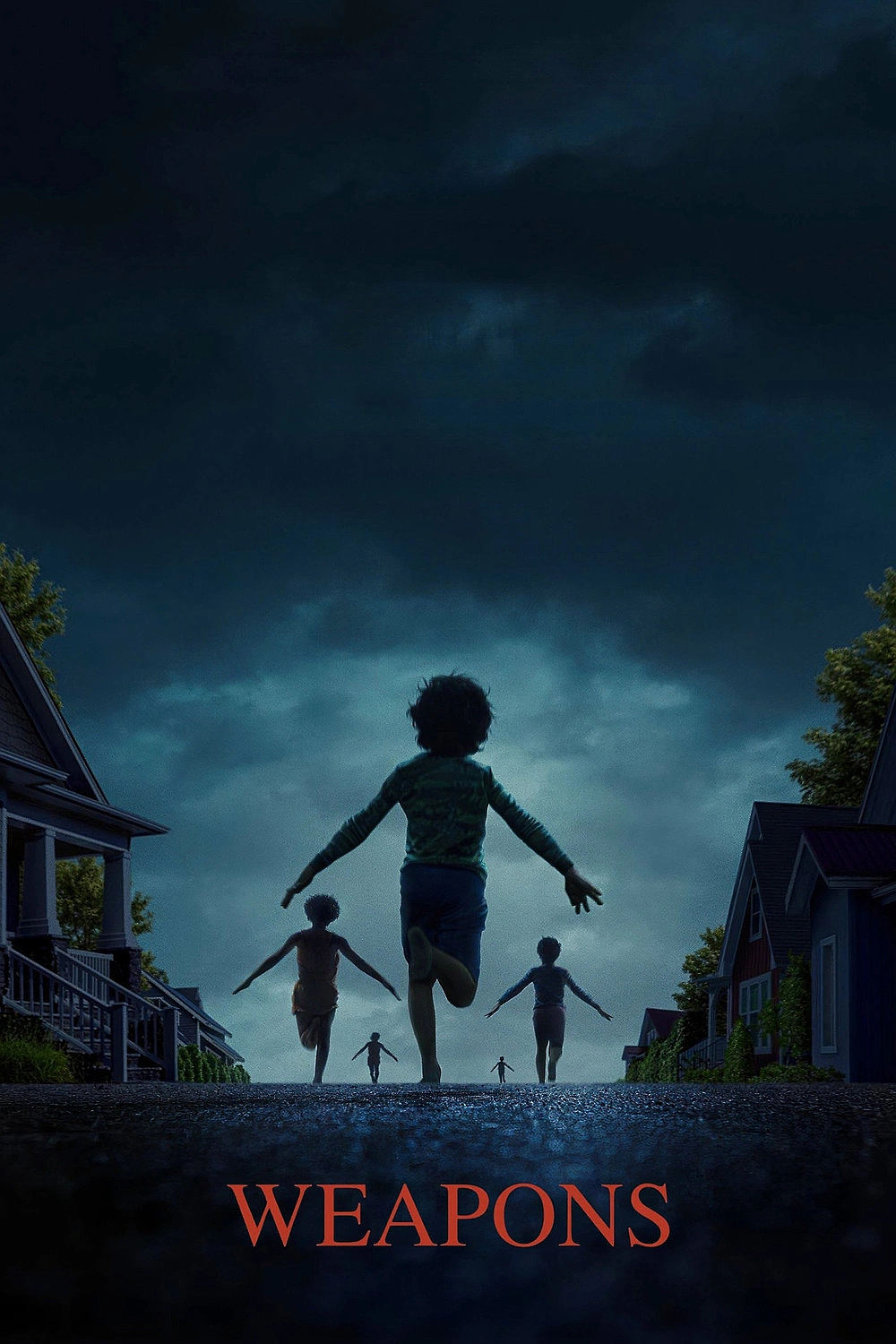
Weapons (2025) Film Review: When Mystery Marries Mayhem
Weapons (2025) Film Review: When Mystery Marries Mayhem
Explore the haunting narrative of 'Weapons,' a horror film that stays with you long after the credits roll. Discover its eerie storyline and emotional impact.
Some films leave you exhilarated, some leave you puzzled, and a few leave you with that rare, disquieting aftertaste that follows you home, sits down next to you, and refuses to leave. Weapons is one of those films. I walked out of the theatre feeling like I had just awoken from a fever dream, one stitched together from fragments of nightmare and lullaby, grief and revelation. It doesn’t announce its impact with loud spectacle; instead, it worms its way into your thoughts, unsettling you long after you think you’ve shaken it off.
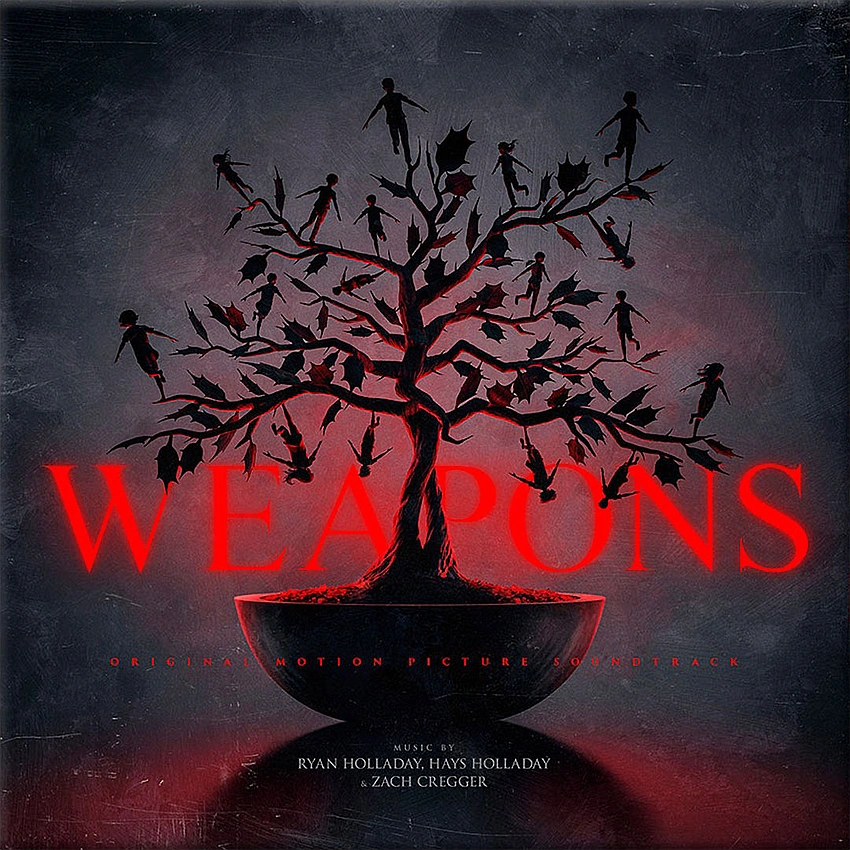
The Vanishing Point
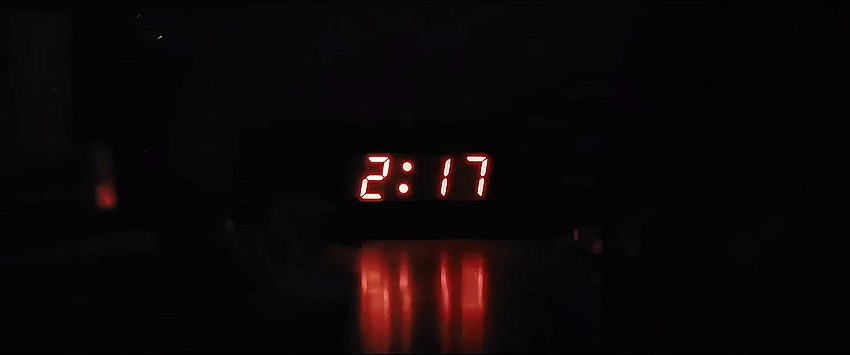
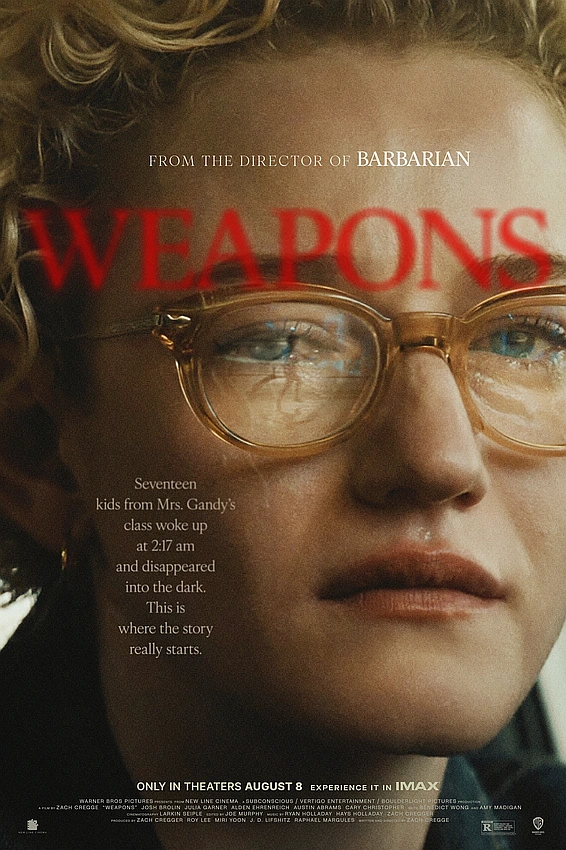
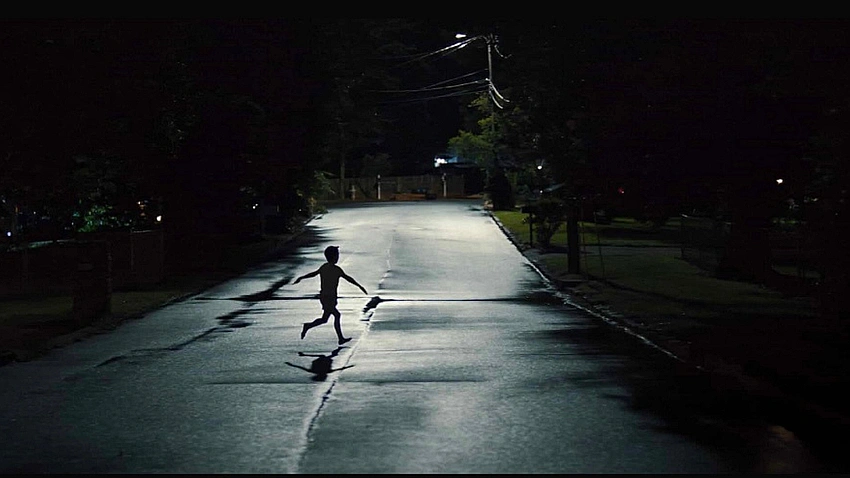
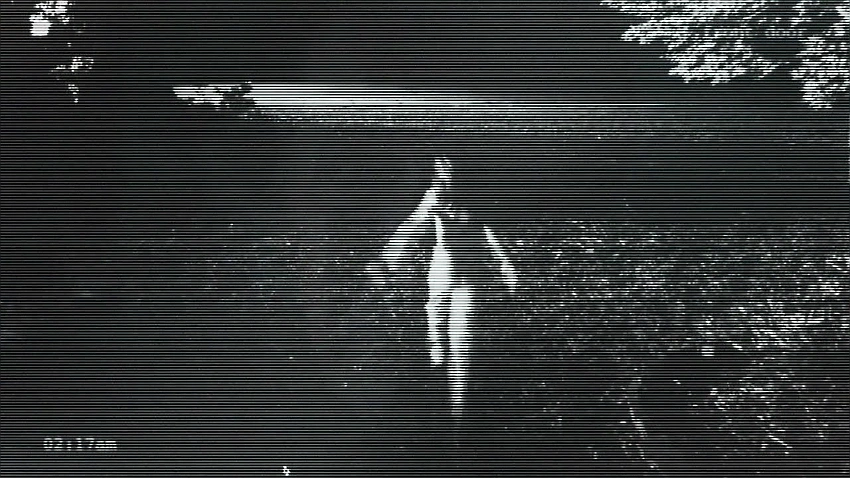
The film begins with a premise so eerie it feels plucked from the marrow of urban legend: at precisely 2:17 a.m., seventeen children vanish without a trace. No ransom notes, no sound of struggle, no sign of where they went, only a single surviving boy and his teacher, Justine Gandy, left to carry the unbearable knowledge of whatever happened. This moment is not just the inciting incident; it’s the gravitational force that pulls every other storyline into its orbit.
What makes this setup so effective is how it refuses to be reduced to an easy mystery. There’s no early promise that “the truth will be revealed.” Instead, we are thrust into the ripple effects of the event, the psychological fallout, the shifting relationships, and the sense that reality itself has been warped.
Story as Fractured Mosaic
Rather than following a single protagonist’s quest for answers, the film opts for an ensemble structure. We see the world through multiple fractured perspectives: Justine’s quiet, internalised trauma; a grieving father spiralling into obsession; a cop chasing shadows in the dark; a junkie drifting between delusion and revelation; a school principal weighed down by secrets. These stories don’t simply overlap; they refract one another, creating a prismatic effect where truth and fiction blur.
From a literary standpoint, this kind of structure mirrors polyphonic novels, where different voices build a complex emotional architecture. It also situates the film’s central idea: that a single event can spawn countless narratives, each incomplete, each carrying its own distortions and blind spots.
Horror Without the Jump Scares
Weapons is marketed as horror, but it resists the genre’s more predictable mechanics. This is not about creatures lurking in the dark or the sudden shriek of violins. The horror here is existential, anchored in the slow realisation that something unfathomable has happened and that the world will never return to the way it was before.
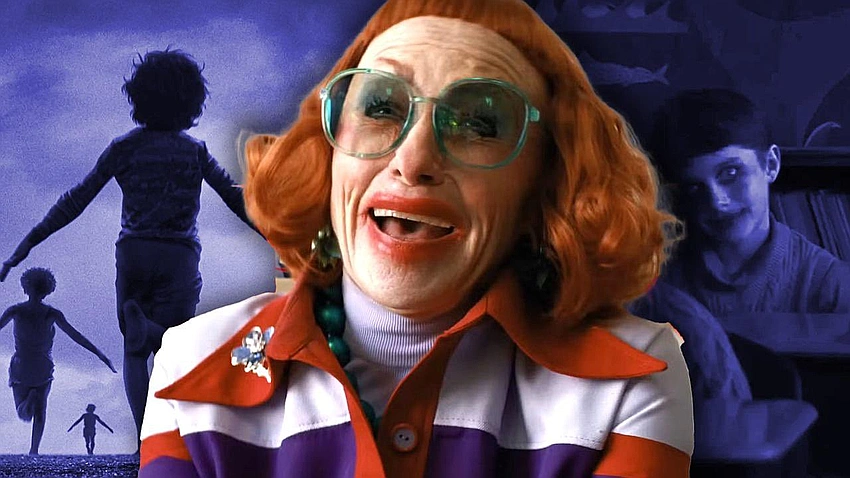
The atmosphere is one of constant unease, as though every room is just slightly too quiet, every street just a bit too empty. Violence, when it comes, is swift and disorienting, less about spectacle than about the shock of intrusion. It’s this restraint that makes the moments of terror so potent they feel earned, embedded in the fabric of the story rather than tacked on for shock value.
Symbolism and the Unseen
The disappearances themselves function as a kind of mutable symbol. They could stand for collective loss, for the way communities bury unspeakable traumas, for the things we choose not to see until they’re gone. By leaving their cause ambiguous, the film invites us to project our interpretations.
The surviving boy, silent and withdrawn, becomes a living question mark. Justine, meanwhile, is not framed as a “final girl” or a detective; she’s a witness who can neither flee nor fully articulate what she knows. Her quiet presence feels almost literary in its construction, less an agent of action than a figure onto whom the audience’s unease is mapped.
The Crescendo of Dread
If the first half of Weapons is about laying the groundwork of tension, the latter half is about tightening it until it’s almost unbearable. The pace quickens, connections between the disparate storylines start to emerge, and yet crucially, every revelation seems to open up more questions.
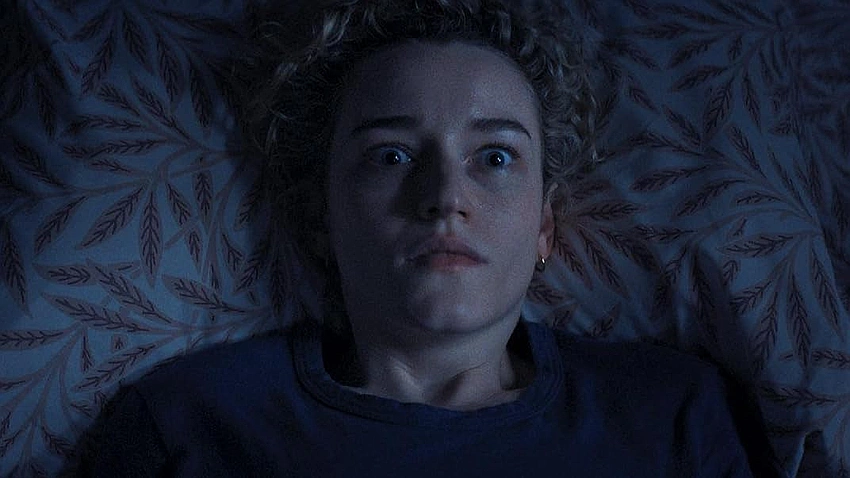
When the climax finally arrives, it doesn’t feel like a puzzle being solved. Instead, it feels like standing at the edge of a vast chasm and realising just how far it goes. The final moments strike a delicate balance between closure and ambiguity; there’s enough resolution to feel the story has ended, but enough left unsaid to keep it echoing in your head for days.
Why It Lingers
For me, Weapons worked because it refused to condescend. It didn’t feel the need to wrap every thread into a neat bow or explain every symbol. It is understood that some horrors are more powerful when they’re not fully illuminated.
As a literature student, I can’t help but draw comparisons to texts where absence is as important as presence, where what is left out shapes the meaning as much as what is shown. In that sense, Weapons feels like a cousin to experimental fiction, where narrative gaps and contradictions are not flaws but features.
What struck me most was its emotional honesty. The grief in this film is messy, contradictory, and unresolved. It doesn’t follow the arc of healing; it just becomes another texture of living. This, to me, is the real horror: the idea that some wounds are not meant to close.
Final Thoughts
In the end, the title Weapons feels like more than a reference to physical tools of harm. It gestures to stories themselves as weapons capable of wounding, of reshaping reality, of cutting into us long after the teller has gone silent.
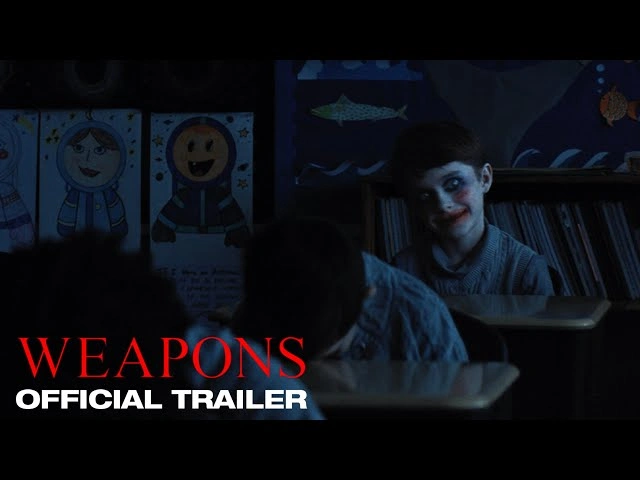
This is not a film for those seeking a quick adrenaline rush or a neatly tied mystery. It’s a work that asks for patience, attention, and a willingness to sit in discomfort. But for those willing to give it that, the reward is a rare kind of cinematic experience, one that stays with you, reshaping your inner landscape in ways you might not immediately notice, like a whisper that turns into a shadow and then into something you can’t quite name.
#WeaponsFilm #MovieReview #Thriller #EmotionalImpact #Cinema #Horror #NewMovie
