Why Gen Z Can’t Sit Through a Two-Hour Film Anymore

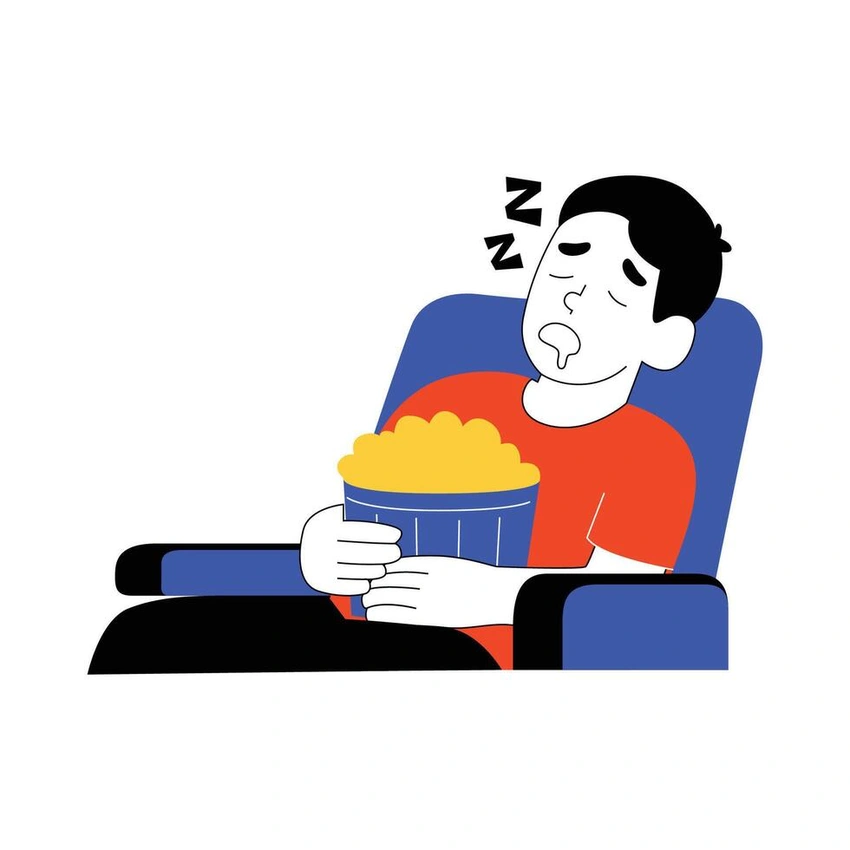
Why Gen Z Can’t Sit Through a Two-Hour Film Anymore
The new “Main Character Energy” is quiet-quitting movies
A Strange New Habit
I noticed something odd when discussing movies with my younger cousin and her friends. They love a film for the first twenty minutes, talk about the characters like they are lifelong fans, then casually walk away halfway through. Even if they like it. They wander to the kitchen, scroll their phones, laugh at something on TikTok, and never return. I find myself finishing movies while they have already moved on to something else.
Younger Gen Z is Already Used to Choice Overload
The strange part is they don’t feel guilty about it. They treat films like they treat everything else in their digital world: something to sample, not something to commit to. When I asked my cousin why she didn’t finish a movie she said she loved, she shrugged and said, “I got the vibe.”
The TikTok Mindset
There is a different rhythm shaping the way younger audiences consume stories. TikTok pacing is quick, sharp, and engineered for constant novelty. Two seconds of boredom feels unbearable. Films are slow by comparison, even the fast ones. A story needs time to breathe, but the audience is holding their breath for the next dopamine hit.
Attention spans are not disappearing, they are fragmenting. Painfully accurate. People can focus for hours, but only on things that feed them little bursts of pleasure every few seconds. Movies rarely do that.
The Pressure to Be the “Main Character”
Another shift is happening. People now watch content to shape their identity, not just to enjoy it. The world has become a stage for documenting one’s life online, so entertainment has become more about mood than story. You watch ten minutes, take screenshots that match your current aesthetic, then carry the vibe into your real life.
When a story slows down or moves in a direction that doesn’t match the viewer’s mood, they disconnect. They don’t want to follow the character. They want to be the character. And if the character stops inspiring that feeling, they leave.
What We Lose When We Walk Away
I am not here to romanticize the past, but finishing a film used to teach patience and emotional depth. You learned to sit with discomfort, to let a story take you somewhere unexpected. Abandoning a movie halfway has become symbolic of a bigger cultural habit: leaving whenever things slow down.
My worry is simple. If we lose the ability to sit with a long story, we may struggle to sit with anything long at all. Not conversations. Not relationships. Not even ourselves.
