Why Are Women Still Obsessed with Jane Austen?

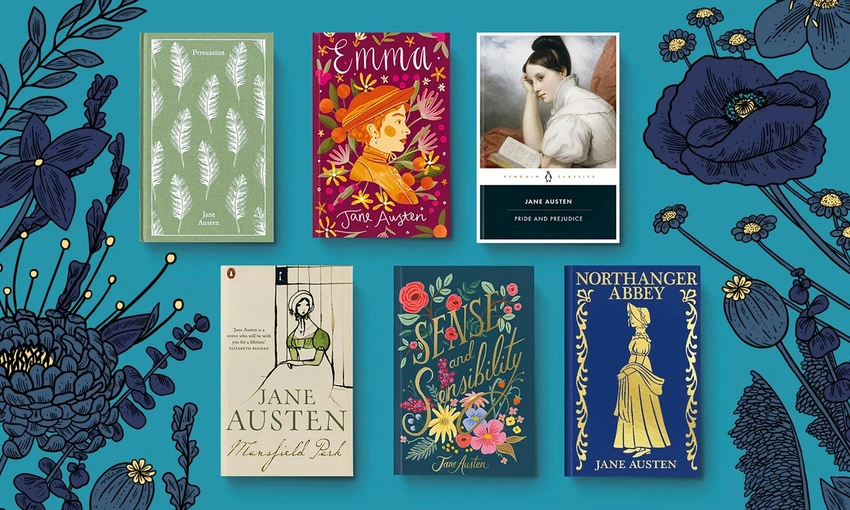
Why Are Women Still Obsessed with Jane Austen?
Why Are Women Still Obsessed with Jane Austen?
A fresh look at Jane Austen that goes beyond romance, showing how her novels dissect money, class, and selfhood. This essay reveals why Austen still speaks to modern readers today.
Every few months, social media rediscovers Jane Austen. Clips from Pride and Prejudice gather millions of views, beautifully bound editions sell out, and readers continue to rank Elizabeth Bennet among literature's most beloved heroines. It is easy to dismiss this as nostalgia or an obsession with handsome men in waistcoats. Yet reducing Austen's popularity to romance misses almost everything that makes her remarkable.
Women have not remained attached to Austen because she offers an escape from reality. They return to her because she explains reality with astonishing precision.
More than two centuries after her novels were published, Austen still understands the complicated relationship between love, money, family, status and selfhood. Those questions have not disappeared. They have merely changed their costumes.
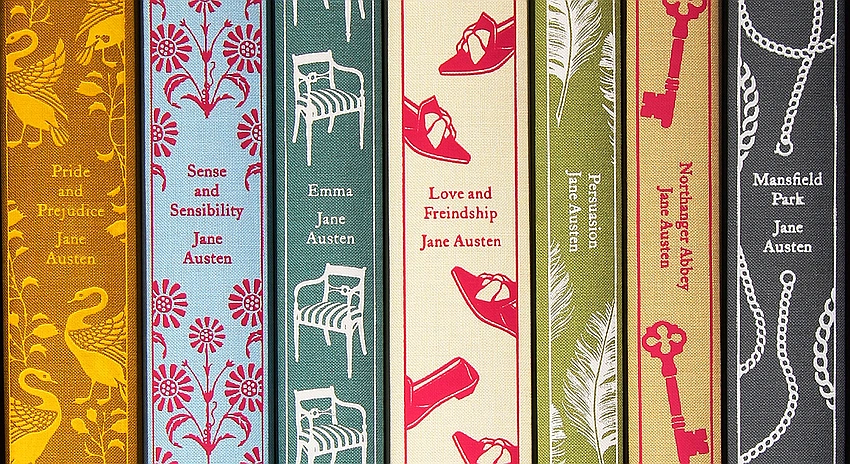
Austen Understood the Economics of Being a Woman
Modern readers sometimes forget how economically sharp Austen's novels are. Marriage in her fiction is rarely just a romantic ending. It is also a financial negotiation.
Women in Regency England possessed limited legal and economic independence. Inheritance laws, property ownership and social expectations meant that marriage often determined a woman's future. Austen never ignores these realities. Instead, she quietly exposes them through conversations at dinner tables, awkward proposals and family gossip. Her novels demonstrate that romance cannot be separated from material conditions.
This is precisely why her work continues to resonate. While today's readers enjoy greater freedoms, questions about financial security, emotional labour and partnership remain central to many women's lives. Austen's characters ask whether love alone is enough, and whether respect matters more than attraction. Those questions still feel remarkably contemporary.
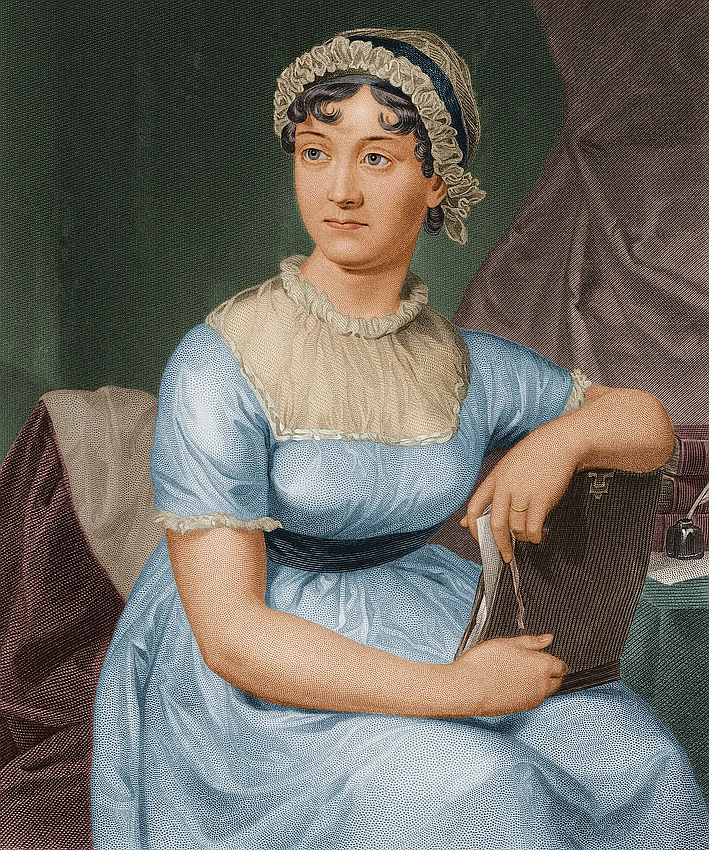
Her Heroines Are Intelligent Before They Are Romantic
Elizabeth Bennet, Anne Elliot and Elinor Dashwood are not memorable because they eventually fall in love. They are memorable because they think.
Austen grants her female protagonists rich interior lives. They misjudge people, revise their opinions, challenge authority and slowly develop self-knowledge. Their emotional journeys are intellectual journeys as well.
This is perhaps Austen's greatest innovation. At a time when women were often represented as sentimental or decorative figures, she presented them as observant interpreters of society. Their wit becomes a form of resistance against rigid social expectations. Modern readers continue to recognise themselves in these moments of reflection, embarrassment and personal growth.
Rather than waiting to be rescued, Austen's women spend much of her novels learning how to judge the world more accurately.
Austen Is Much Funnier Than People Remember
One reason Austen survives each new generation is that she is genuinely entertaining.
Popular culture often packages her as refined and elegant, but the novels themselves are delightfully sarcastic. Few writers ridicule vanity, hypocrisy and social performance with such precision.
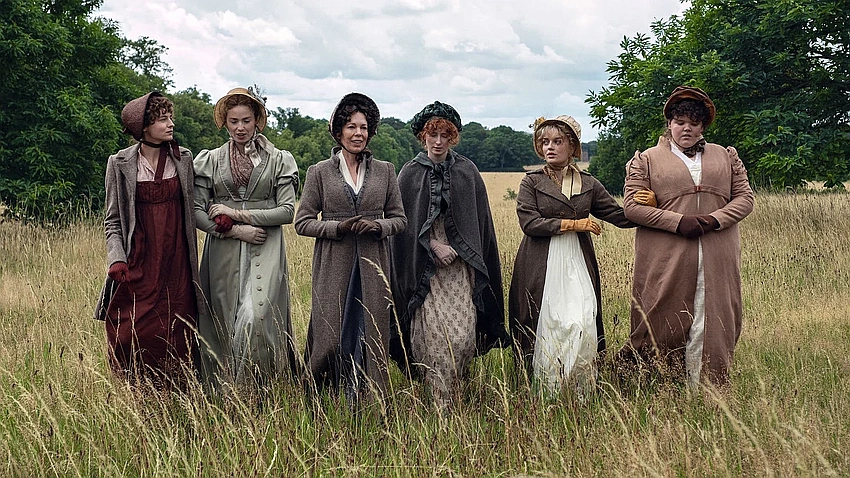
Characters like Mr Collins, Mrs Bennet and Emma Woodhouse's many miscalculations remind readers that human foolishness is timeless. Austen laughs at pretension without becoming cruel. She exposes social rituals while still finding affection for the people trapped within them.
That humour also explains why her stories adapt so well. Whether transformed into modern films, television series or online discourse, the social dynamics remain instantly recognisable. The setting changes, but awkward family dinners and disastrous first impressions never become outdated.
Women Are Not Looking for Fantasy
There is a persistent stereotype that women return to Austen because they dream of finding their own Mr Darcy.
The reality is far more interesting.
Many readers admire Darcy only after he learns humility. Austen repeatedly rejects charm without character. Attractive men who lack integrity rarely succeed in her novels, while relationships founded on mutual respect are consistently rewarded.
Women often revisit Austen because her romances refuse fantasy. They are built upon conversation, intellectual equality and moral development rather than instant attraction.
In an era shaped by dating apps, curated online identities and endless choice, that emphasis on genuine compatibility feels almost radical.
The Comfort of Being Understood
Perhaps the lasting appeal of Austen lies elsewhere.
Reading her often feels like discovering someone who has quietly noticed every awkward social interaction before you did. She understands family obligations, embarrassing relatives, impossible expectations and the constant negotiation between personal happiness and public performance.
Those experiences are not uniquely female, but Austen gives them a distinctly female perspective without ever reducing her characters to symbols. They remain contradictory, flawed and deeply human.
That humanity explains why women continue returning to her novels. They are not searching for a perfect romance or an ideal past. They are looking for stories that recognise the complexity of ordinary life.
Two hundred years later, Jane Austen still sees people exactly as they are. Few writers have managed that with such intelligence, humour and compassion.
#JaneAusten #PrideandPrejudice #Literature #WomenInEconomics #AustenToday
