New EP From Portraits of Tracy’s Q: Is A Very Strange Trip Through Pop History

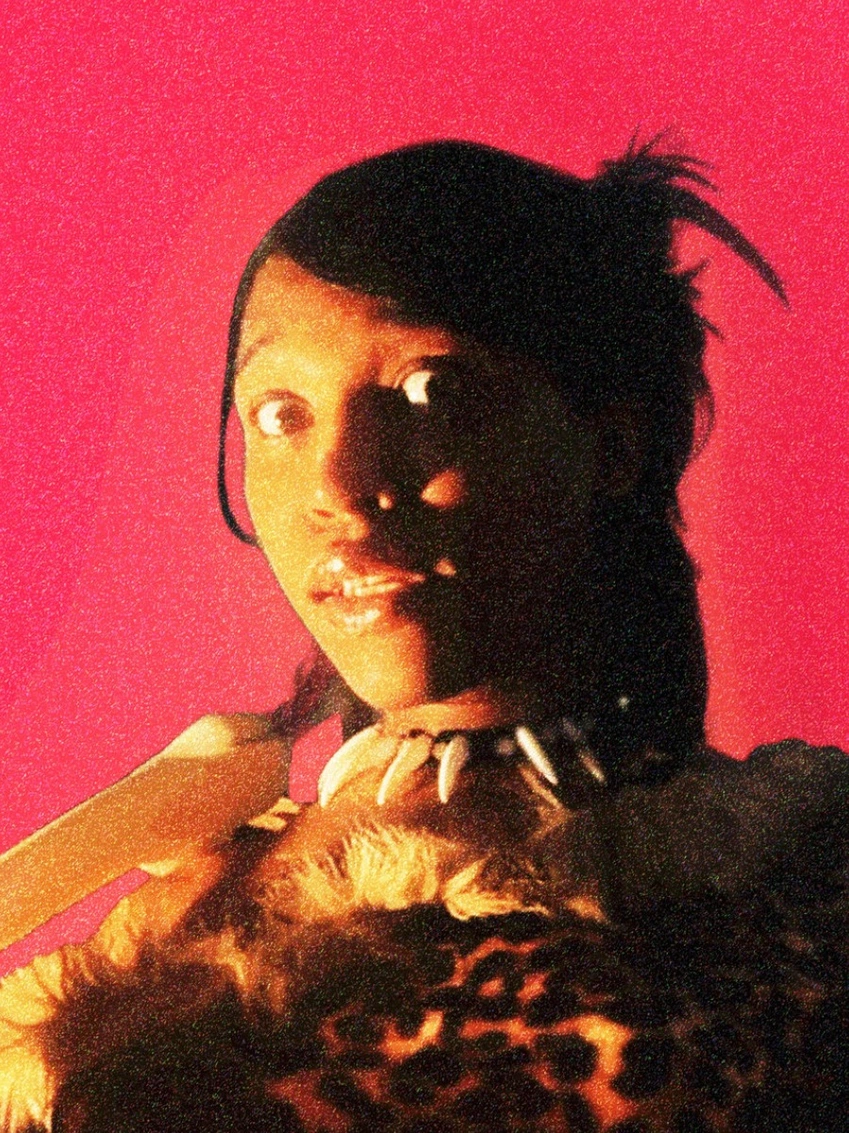
New EP From Portraits of Tracy’s Q: Is A Very Strange Trip Through Pop History
New EP From Portraits of Tracy’s Q: Is A Very Strange Trip Through Pop History
Portraits of Tracy turns an unsettling encounter with a neo-Nazi fan into a furious, funny punk song, setting the tone for a six-track EP blending guitar-driven theatrics, politics and pop history.
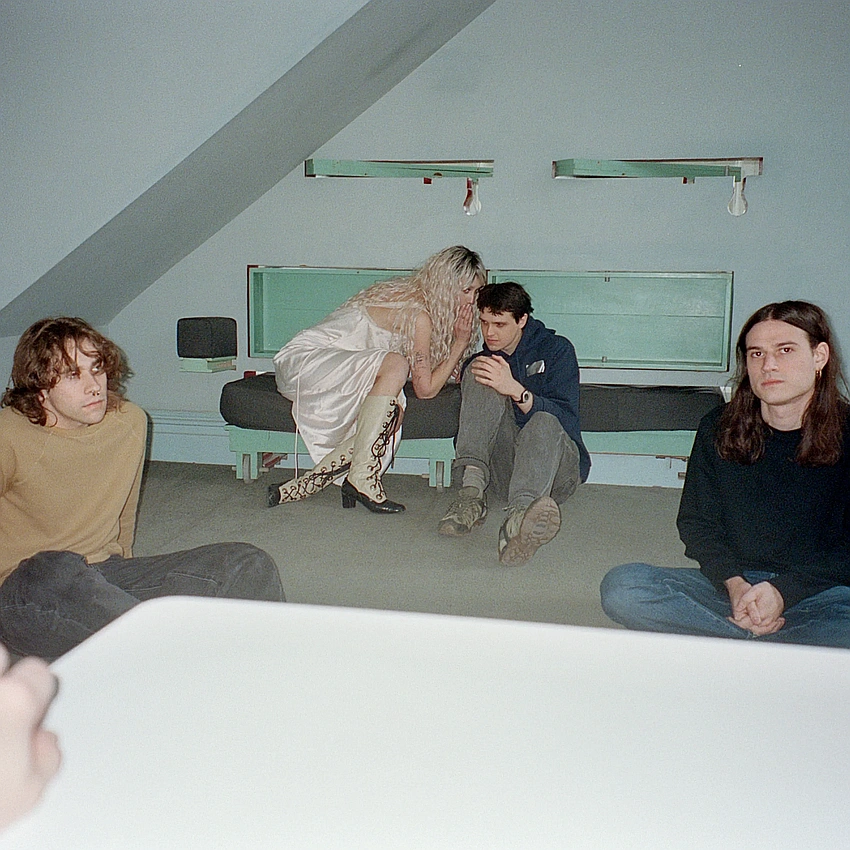
An addict has been listening to Portraits of Tracy. Rather than take the strange compliment, Tracy turns the situation into a punk song, complete with screamed vocals, furious guitars and a chorus that is considerably more melodic than its subject deserves. ‘This Song May Or May Not Be About An Alt-Right Influencer’ is one of the first things you encounter on Q: From Where Do Our Primal Instincts Originate? A: MTV!, and it tells you quite a bit about the EP’s sense of humour. Portraits of Tracy is not interested in keeping her influences, politics or musical impulses in separate boxes.
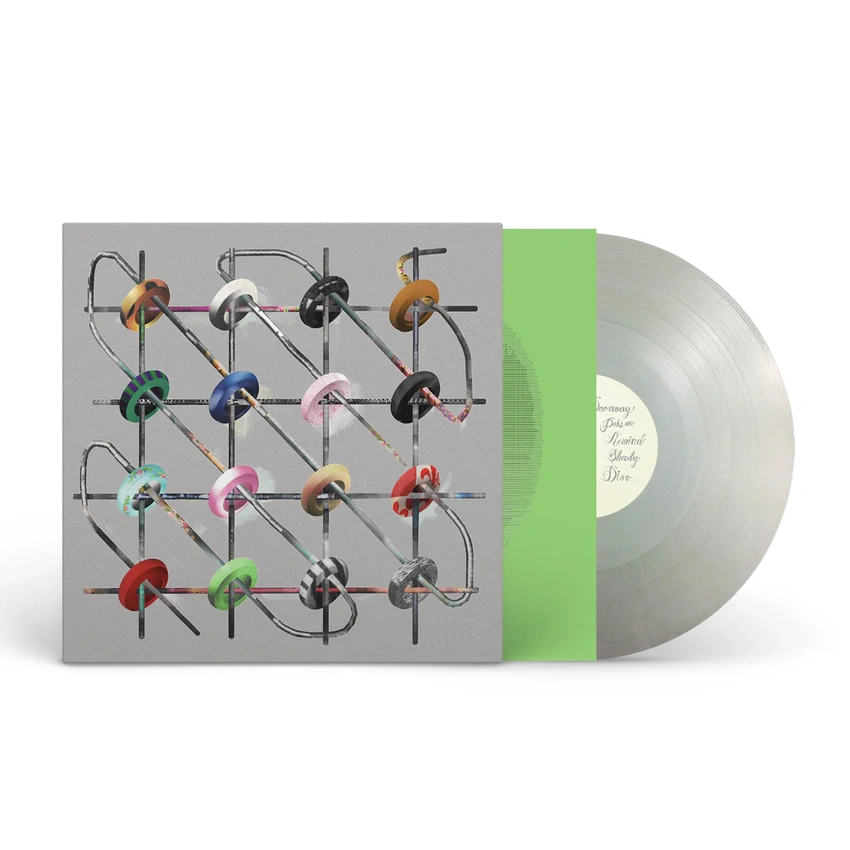
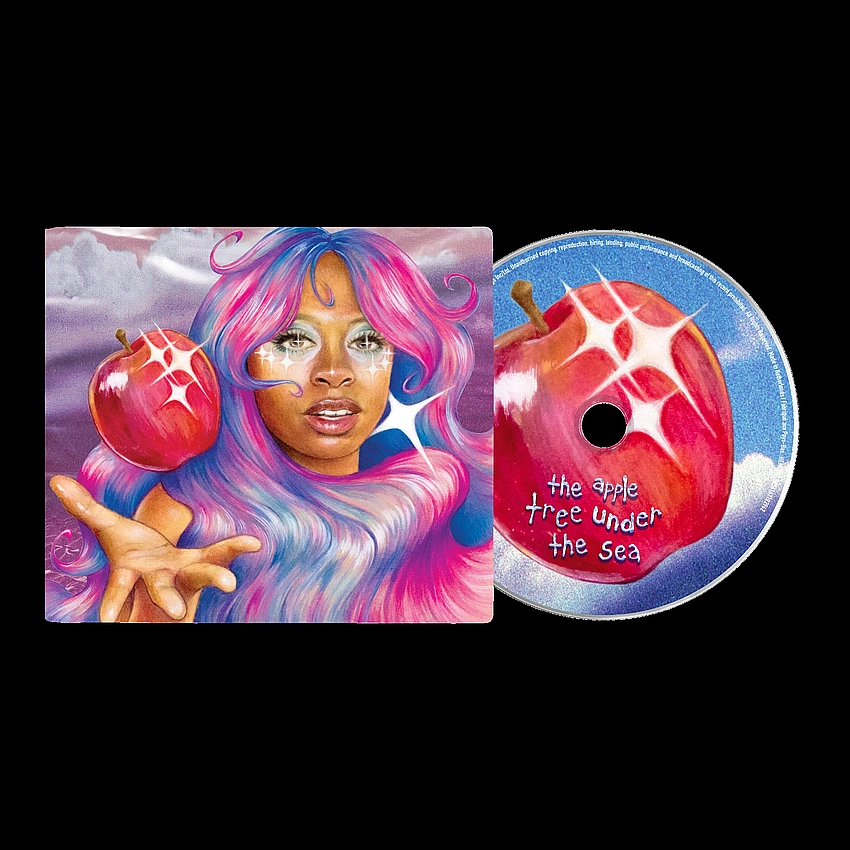
Released in July 2026, the six-track EP marks a shift towards a more guitar-driven, theatrical sound for the Los Angeles-based singer, producer and multi-instrumentalist. Its title, a playful nod to Devo’s Q: Are We Not Men? A: We Are Devo!, sets up an equally playful relationship with music history. The answer to the question of where our primal instincts originate is, apparently, MTV.
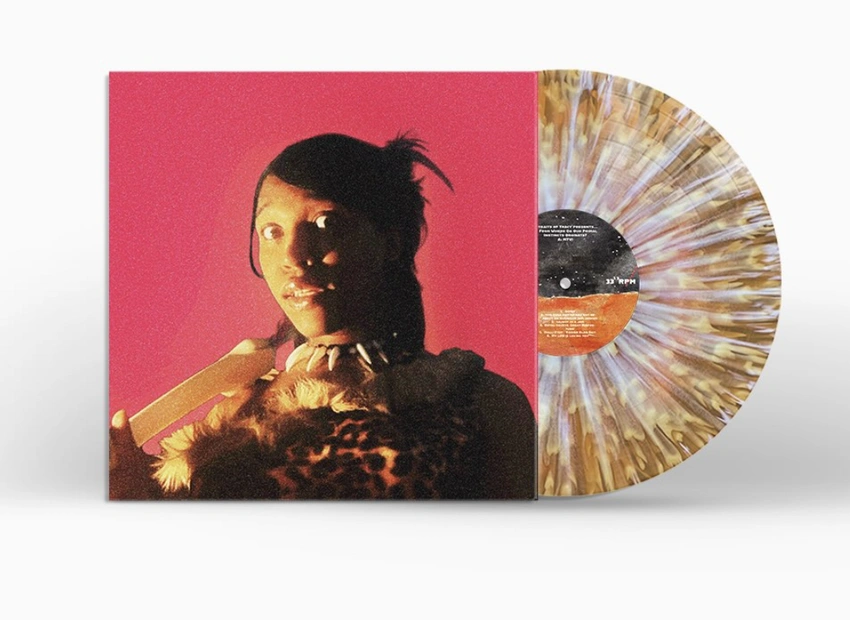
A television-shaped musical memory
The title is especially amusing given that Tracy was born in 2004, after MTV had already begun moving away from its identity as a music channel. Her relationship with the network is therefore less about direct nostalgia and more about an inherited cultural memory: the music videos, visual excess and genre collisions that have continued to shape pop long after the channel's original cultural dominance.
That sensibility runs through the EP. The influence of The Beach Boys and Stereolab sits alongside the abrasive energy of Dead Kennedys and DC hardcore. There are also flashes of synth-pop, psychedelia, classic soul and alternative rock. Rather than settle into one recognisable genre, Tracy treats these sounds as material to be rearranged. The result is a record that feels almost like flicking through television channels, except each channel has its own musical universe.

Punk, absurdity and the pleasure of being strange
‘Caught In A Jam’ is perhaps the clearest example of Tracy's eccentric songwriting. Its jaunty synths, chunky bass and layered guitars accompany a narrative that begins with a threatening encounter and gradually descends into an increasingly ridiculous sequence of events. The song moves between danger and comedy without losing its musical momentum. Its eventual space-age detour feels less like a random interruption than an extension of the song's cartoonish imagination.
‘Royal Courts (Great Misfortune)’ takes a different route. Opening with acoustic guitar before expanding into a dramatic rock arrangement, it places Tracy in the role of a devilish narrator, complete with biblical references, theatrical threats and an oversized guitar solo. There is a distinctly camp quality to the performance. She understands that exaggeration can be its own form of expression, and the song embraces it wholeheartedly.
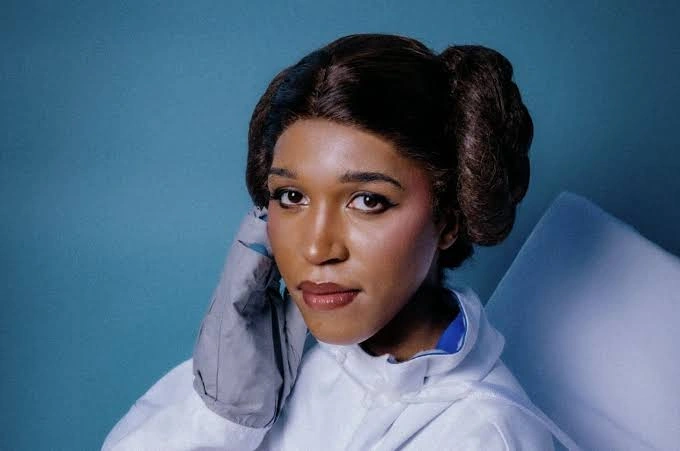
The instinct to resist definition
The most interesting moment might be ‘Halli Step / Raider Klan Shit’. Its layered vocals and overlapping musical ideas recall Tracy's earlier interest in cloud rap, making it clear that this EP is not a straightforward rock reinvention. The song circles around the conflict between suppressing one's instincts and accepting them, a tension that gives its noisy arrangement an emotional dimension.
Then comes ‘My Life Is Loving You’, a cover of Rose Banks' song that closes the EP on a surprisingly tender note. Piano, strings and increasingly expansive harmonies replace the record's earlier aggression. It is a lovely reminder of Tracy's range as a vocalist, particularly after the distorted delivery and theatrical intensity of the preceding tracks.
What I enjoy about Q: From Where Do Our Primal Instincts Originate? A: MTV! is its fluidity across musical genres instead of sticking to a fixed one. Portraits of Tracy can move from hardcore fury to psychedelic storytelling and sentimental soul without treating these shifts as contradictions. The EP is occasionally chaotic, but its chaos has personality. It sounds like someone making music out of everything they have ever loved, without worrying whether those influences belong together. In an era when artists are often expected to maintain a recognisable sonic identity, that freedom is worth celebrating.
#PortraitsOfTracy #PunkRock #AlternativeRock #NewMusic #MusicReview



















 When Noise Becomes Atmosphere
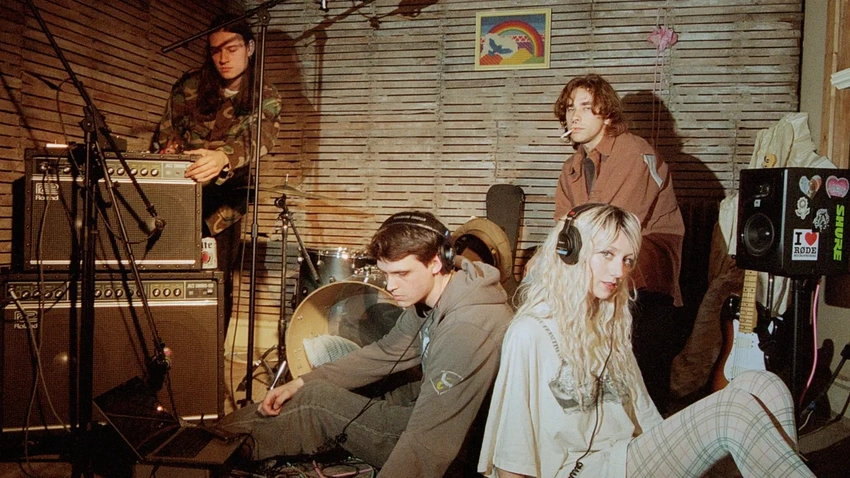
 The songs seem haunted by the internet without ever reducing themselves to commentary about technology. Instead, bitknot explores what it feels like to grow up within digital environments where memories, identities and relationships are constantly mediated by screens. The album's fragmented production mirrors this experience. Listening to it often feels like scrolling through overlapping tabs of consciousness, where personal reflection competes with algorithmic distraction.
 There is a sense throughout the album that feeble little horse are no longer interested in preserving a stable identity. Genres appear only to dissolve. Familiar structures are dismantled and rebuilt. The band's earlier tendency to make noise-pop now feels inverted. bitknot often resembles pop music that has been subjected to noise, fragmentation and digital interference.
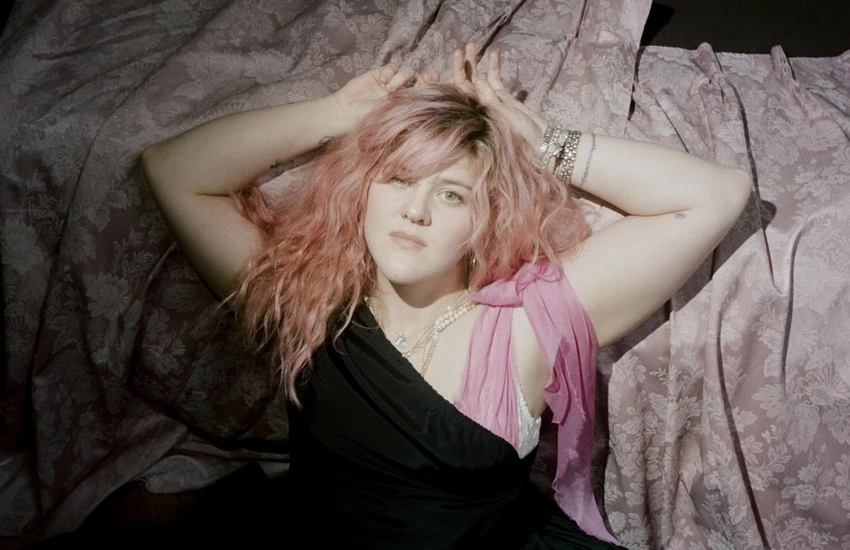
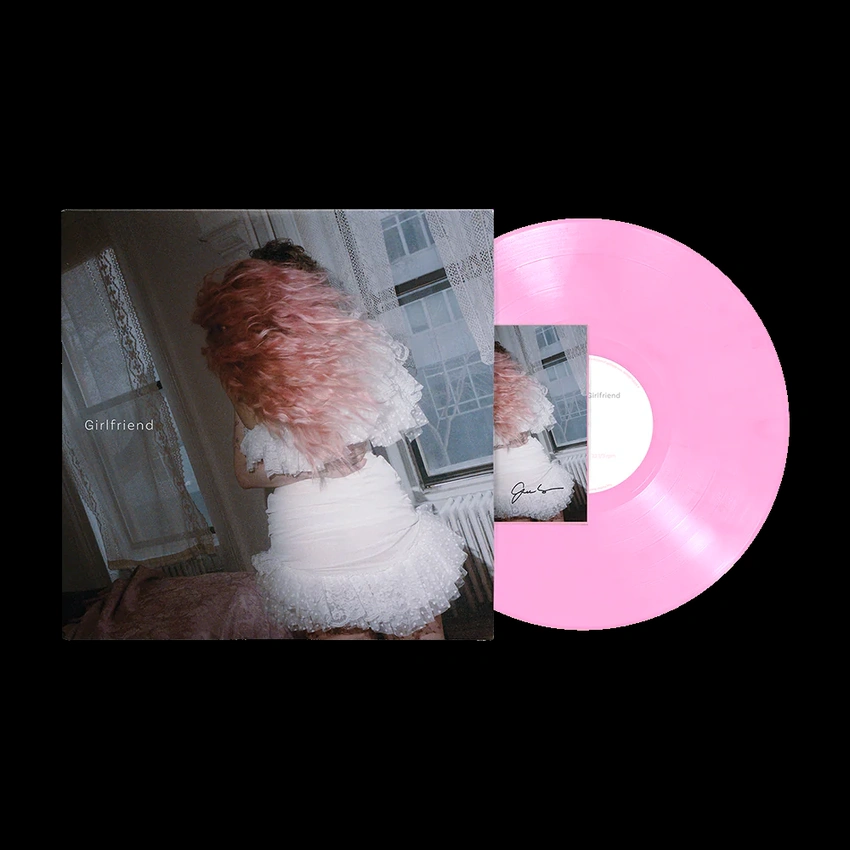 Her earlier records, particularly Janky Star already established her as someone deeply interested in messy interiority. Those songs often felt diaristic, full of awkward humour and self-consciousness. Girlfriend expands that world rather than abandoning it. The production is cleaner and more ambitious, but she still sounds startlingly human within it. Her voice remains conversational and fragile, as though every lyric is being admitted in real time.
 Girlfriend is a “sobriety epic”, because it understands recovery as something ongoing and deeply uncinematic. The emotional weight of the album comes from ordinary moments: loneliness at night, awkward intimacy, emotional dependency, brief flashes of self-recognition. These songs are interested in the small humiliations of being alive. That attention to emotional detail makes the record feel unusually sincere.
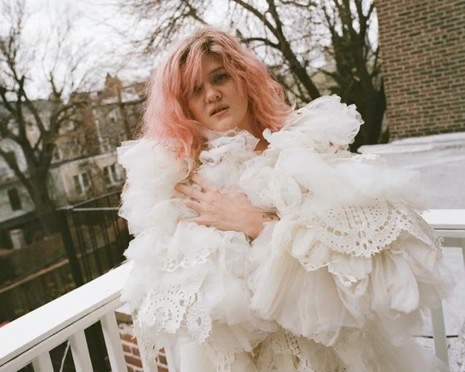
 The album’s emotional openness and its ability to transform deeply personal experiences is something strangely communal. That quality runs throughout the record. Even at its most specific, the album never feels isolating. There is something recognisable in the way Ives captures emotional contradiction. She understands how embarrassing vulnerability can feel, especially when mixed with desire and self-awareness.
 An Album Comfortable With Being Unfinished
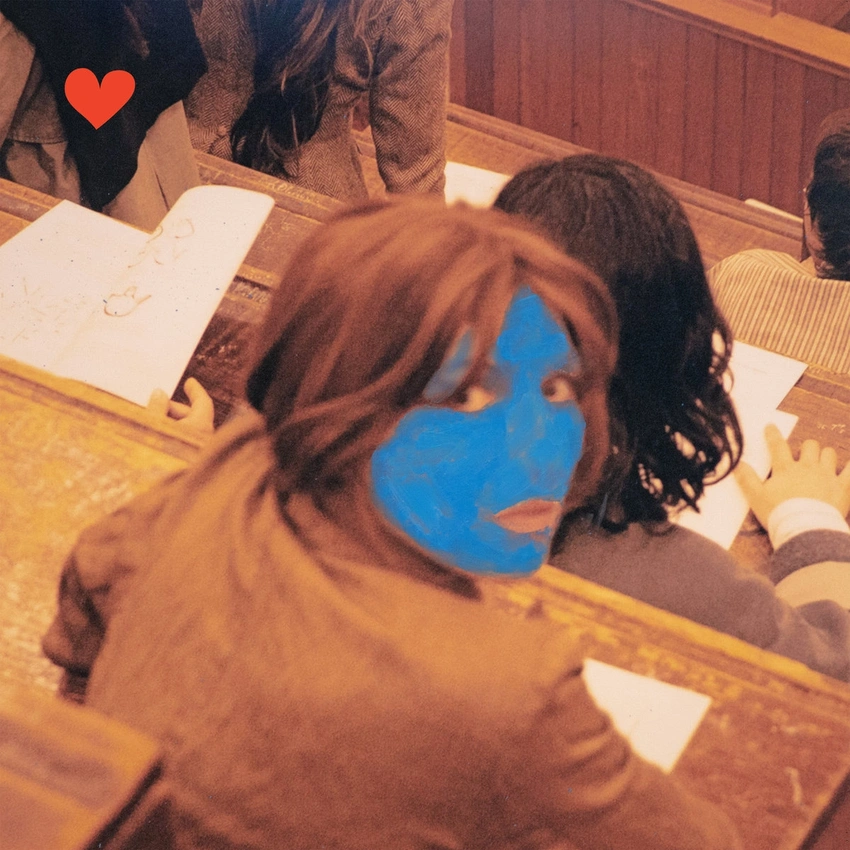
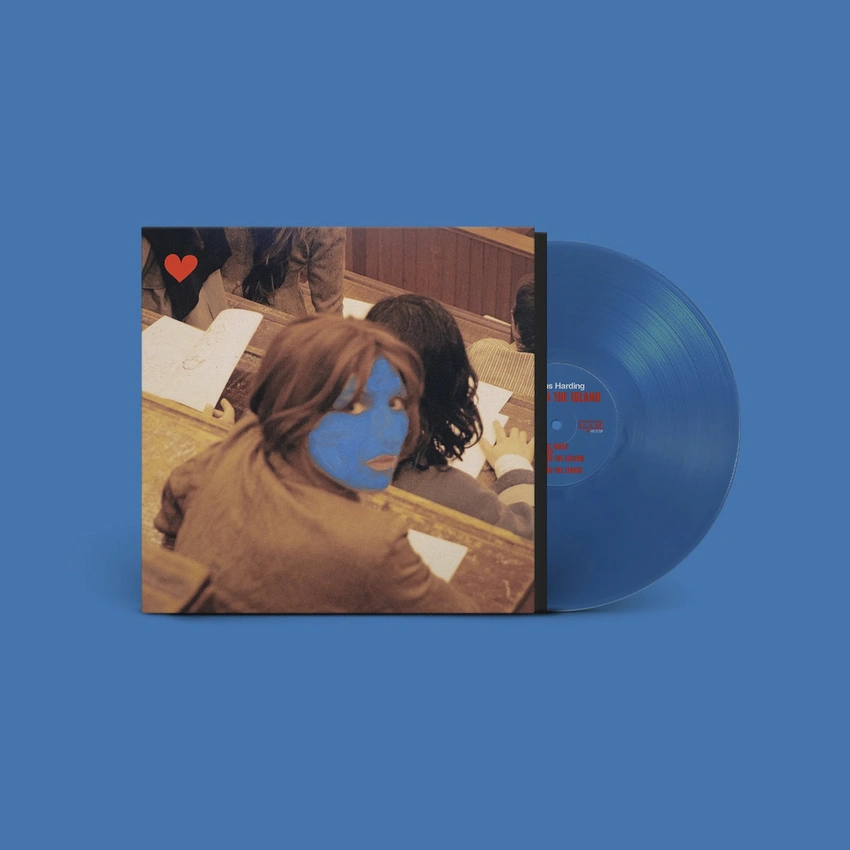 Harding’s fifth album arrives after a relatively quiet period following Warm Chris in 2022. Four years is practically geological time within contemporary music culture, where visibility is treated as survival and silence is interpreted as irrelevance. The current economy of streaming rewards abundance over precision. Albums are no longer singular statements as much as they are data-generating events. The logic is brutally simple: release more, remain visible, feed the algorithm before it forgets you.
 What makes the record remarkable is not obscurity for its own sake, but the way it trusts listeners to remain uncertain. Contemporary pop culture increasingly fears ambiguity. Everything must be instantly legible, instantly memeable, instantly reducible into discourse. Harding instead creates songs that linger like unfinished thoughts.
 Yet listening to Harding’s work beside this culture reveals what has been lost. Its songs are patient with themselves. They unfold gradually, refusing immediate gratification. Nothing here sounds optimised for playlists.
 That instability becomes especially interesting in a cultural moment obsessed with “authenticity”. Modern celebrity culture demands relentless self-exposure. Artists are expected to explain themselves continuously online, transforming personality into content. Authenticity has itself become performative.

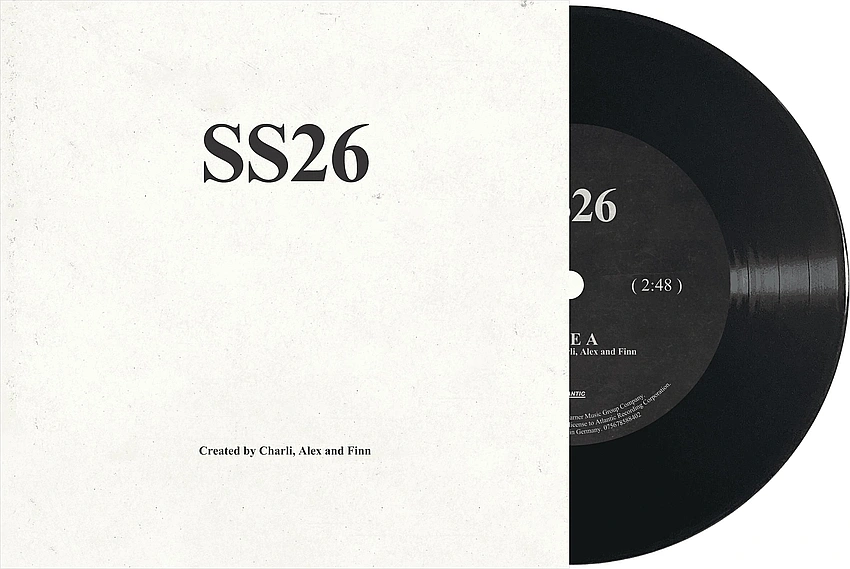 And maybe that is the real horror of “SS26”. Not disaster itself, but our total aestheticisation of it.
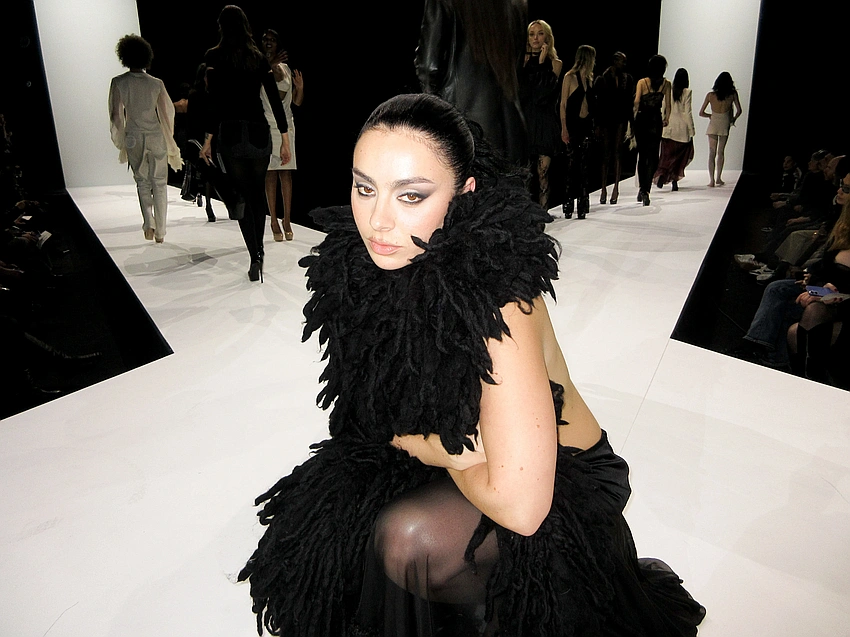
 But the line lands strangely because it arrives as part of a highly curated fashion event complete with industry cameos, luxury aesthetics, and viral rollout mechanics.
 And that reflects the current state of pop itself.
 Apathy as Aesthetic































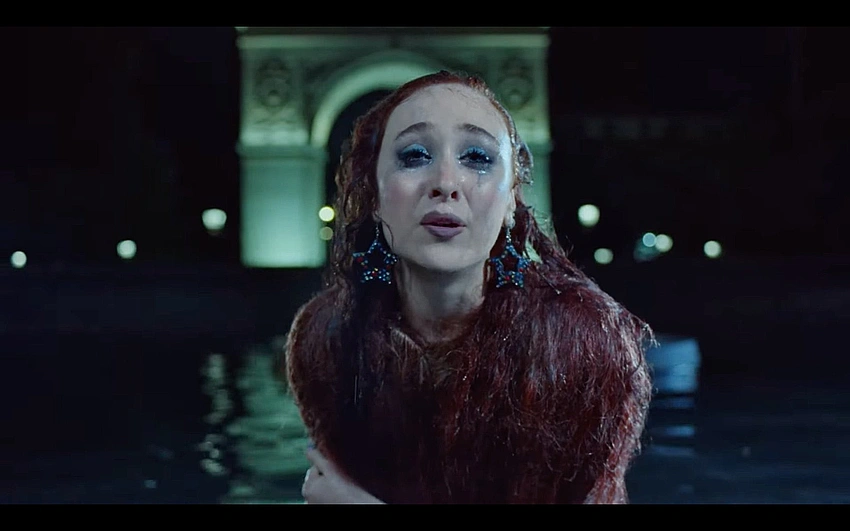
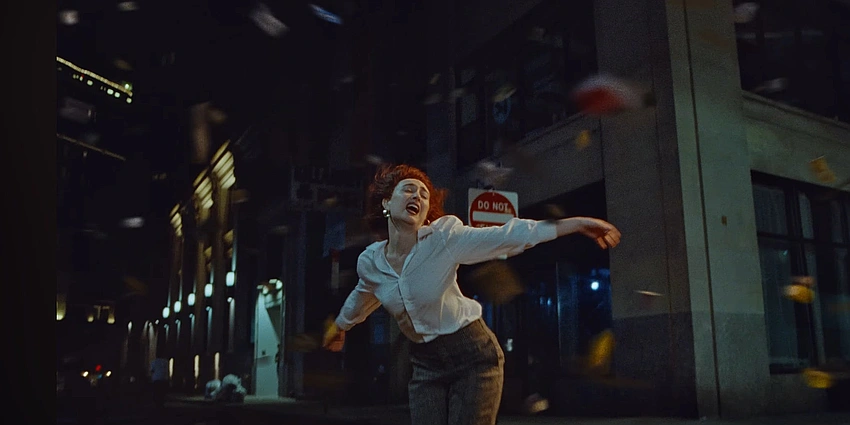
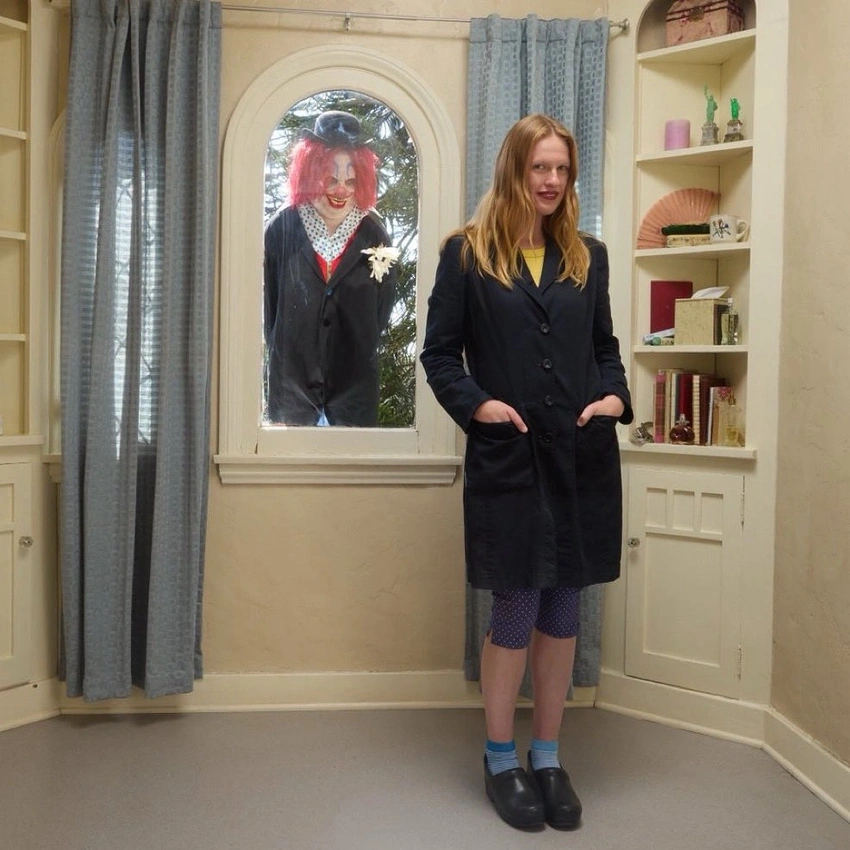





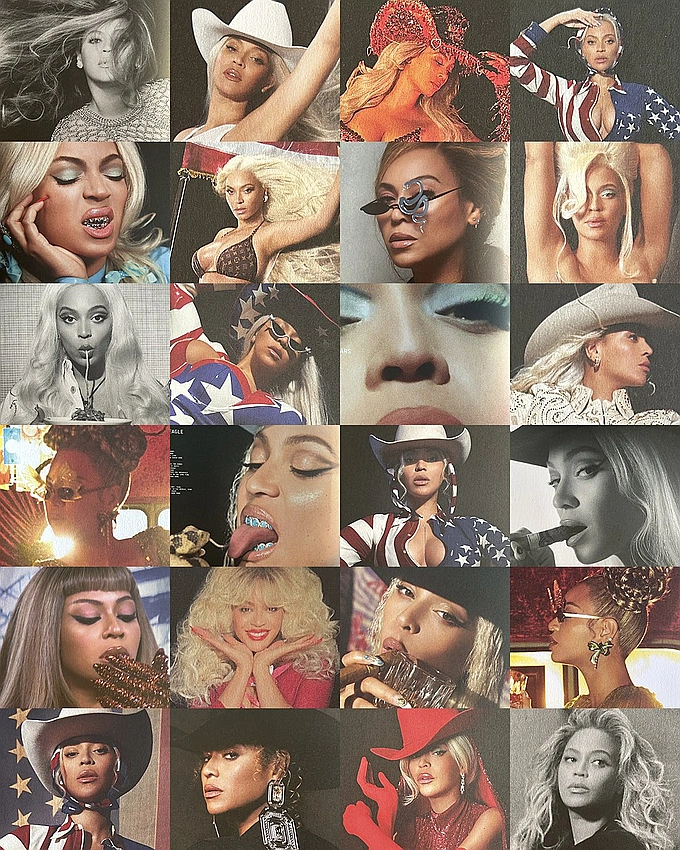

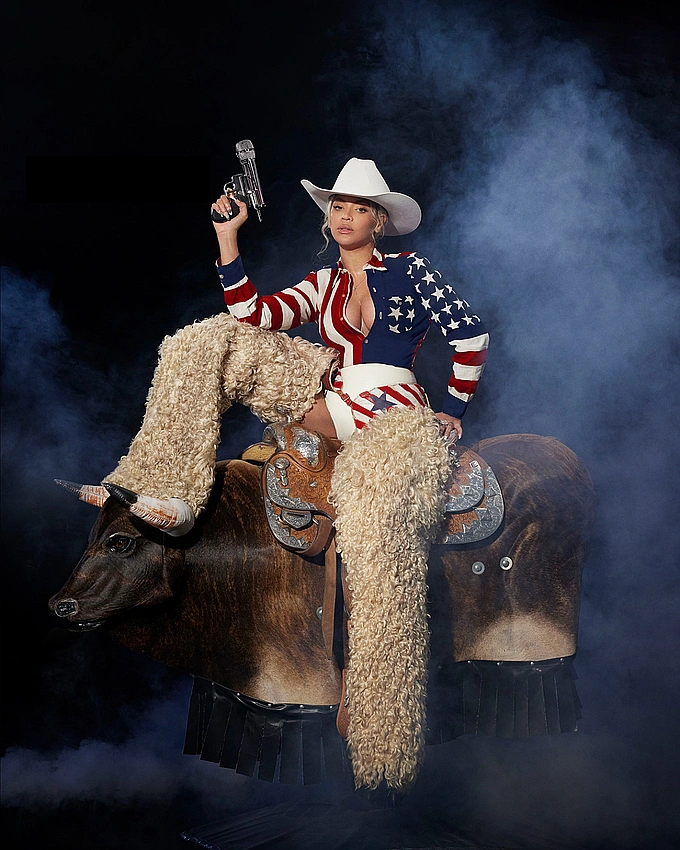
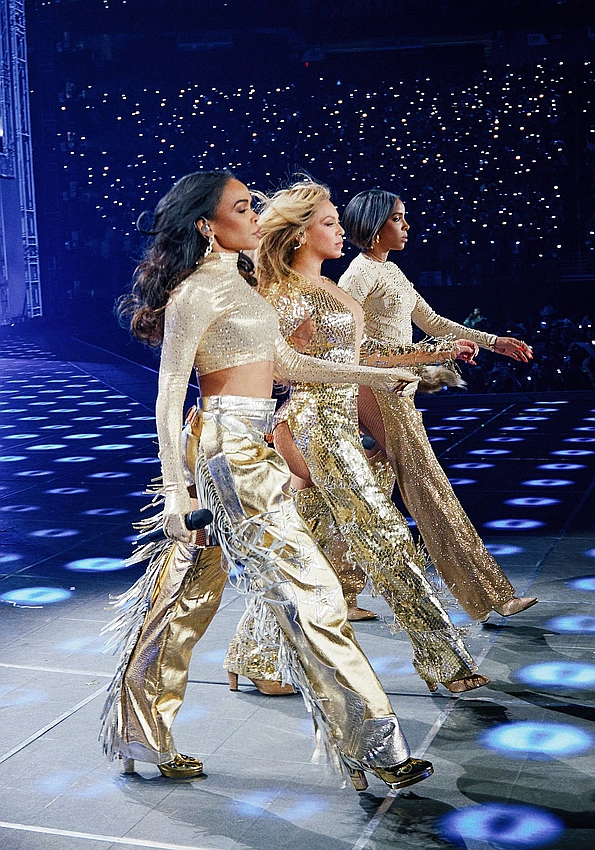


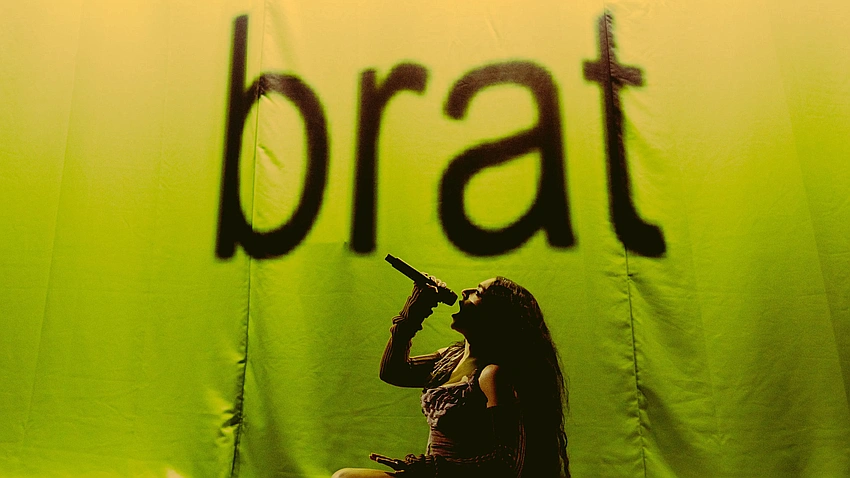

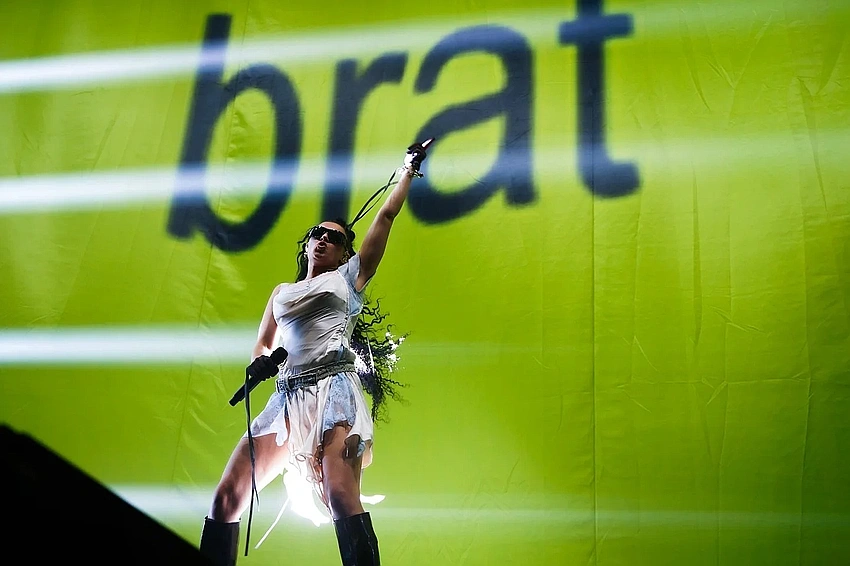
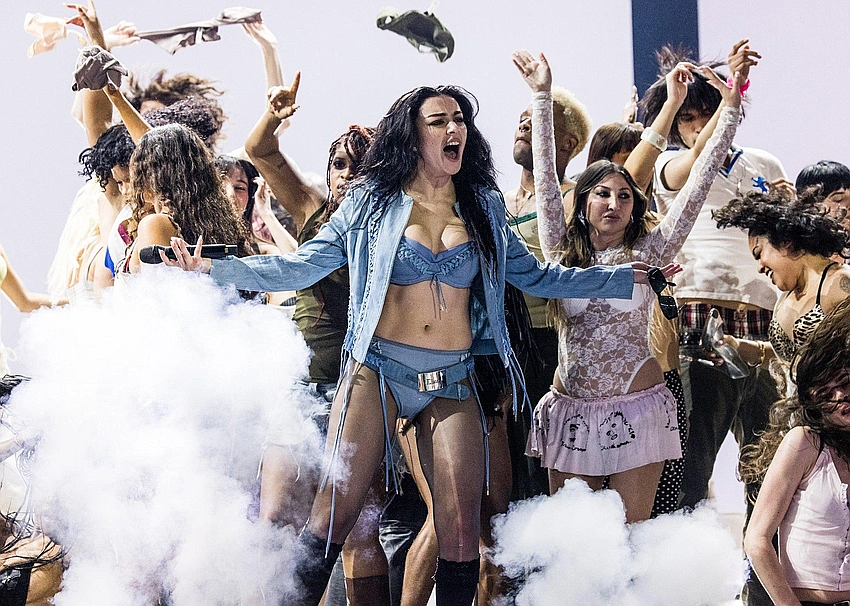

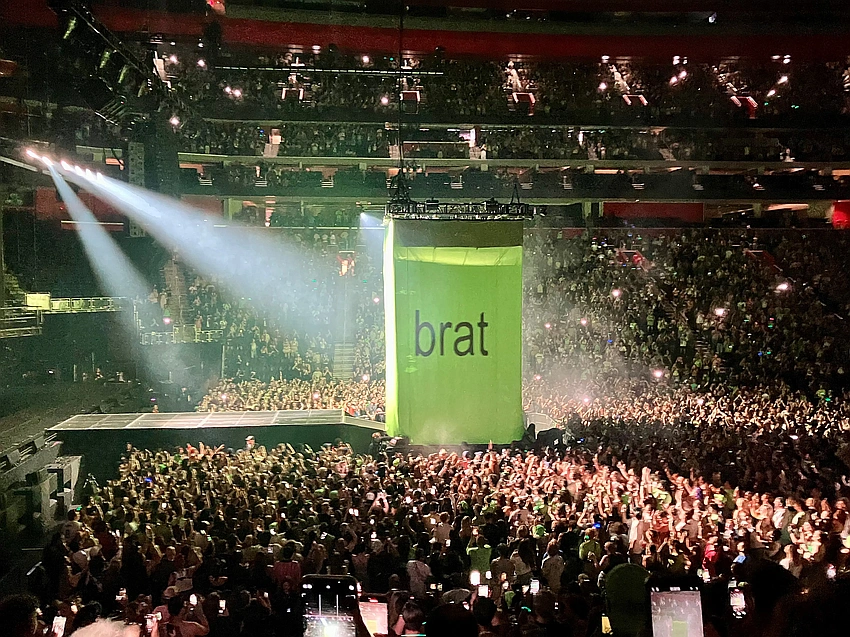
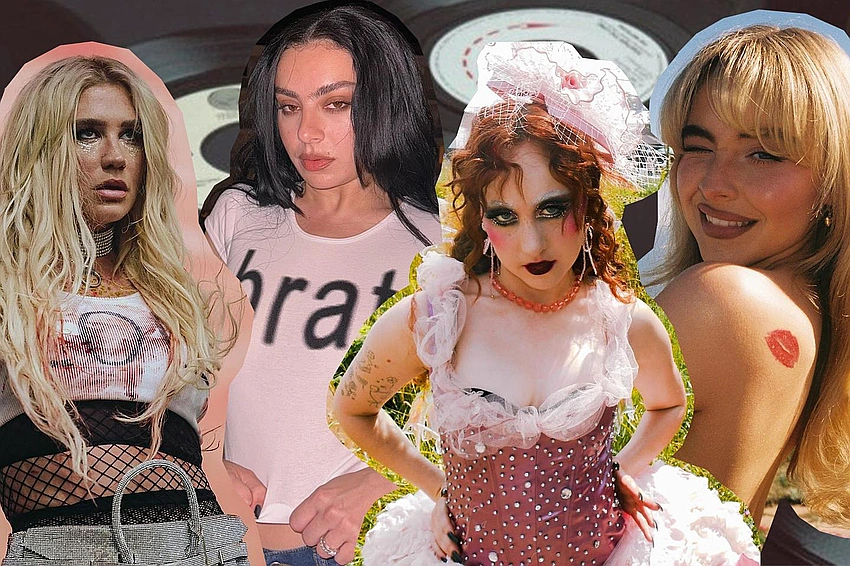
 With branded content, memes, celebrity cosigns, and social media virality, Brat evolved into a lifestyle brand. This transformation exemplifies what Sarah Thornton calls “subcultural capital,” the process by which niche cultural forms gain mainstream traction by being recognised as “cool.”




Login to comment.