The BPM by Sudan Archives: Half Flesh, Half Machine

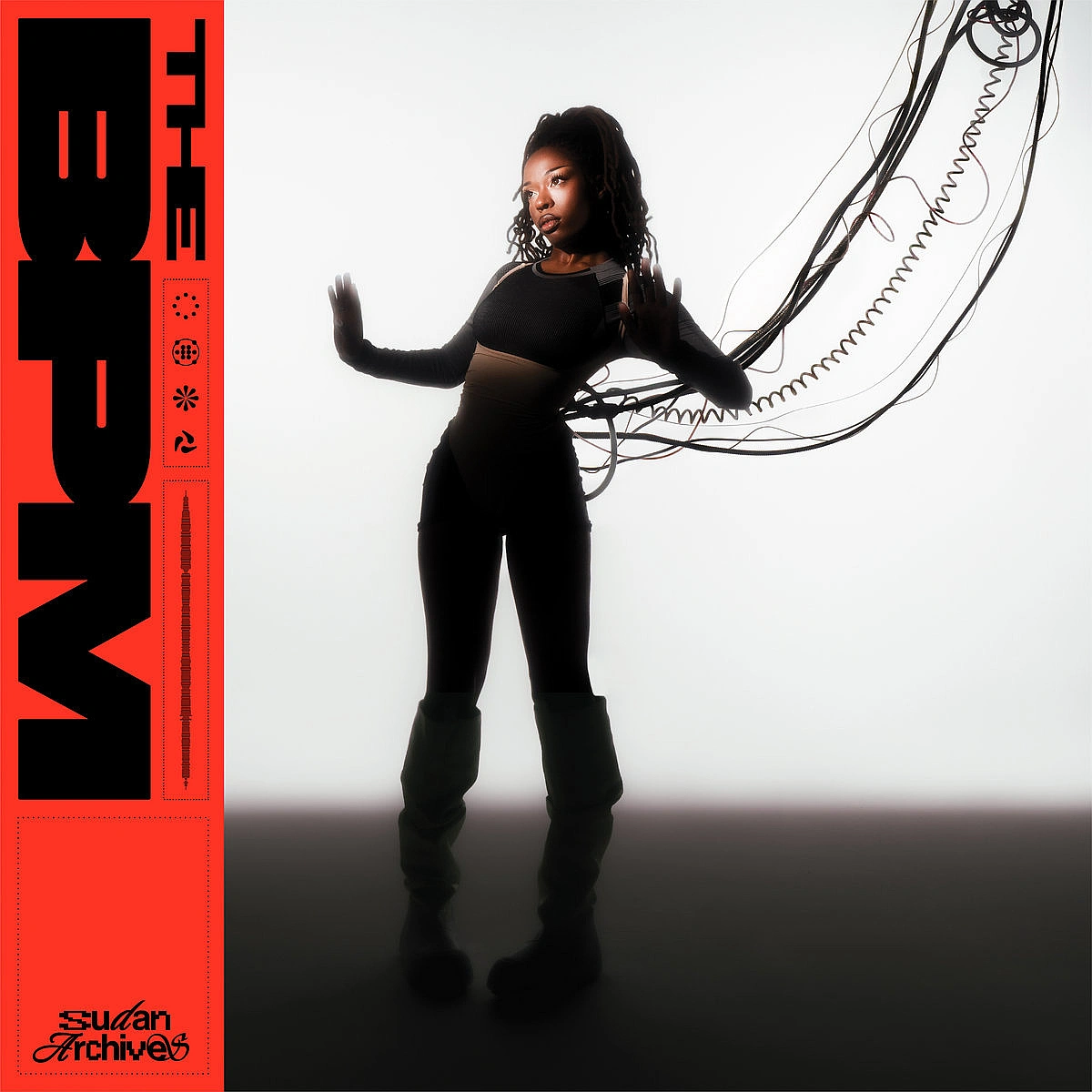
The BPM by Sudan Archives: Half Flesh, Half Machine
The BPM by Sudan Archives: Half Flesh, Half Machine
A take on Sudan Archives' The BPM, where violin-anchored pop collides with club rhythms and a gadget-wielding alter ego, exploring motion as survival and transformation.
Sudan Archives (born Brittney Parks) has always struck me as a rare kind of pop artist: one where the violin remains a riotous presence, where genre borders blur, and where identity and craft entwine. With The BPM, she doesn’t just revisit what she’s done before but leans into a clubbound, motion-driven notion of self.
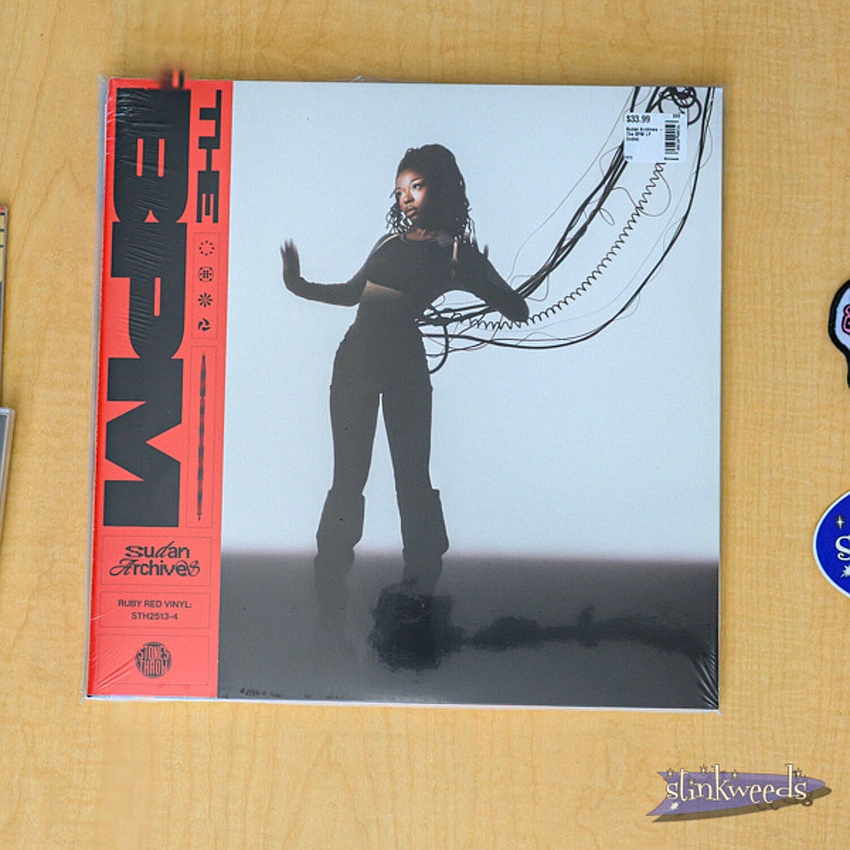
From my vantage, what’s fascinating is how the album positions literal, emotional and sonic motion as a means of survival and transformation. The beats and lyrics are mutually tense: the album explores a nonstop lifestyle, but anxiously. In other words, this is pop music you might dance to, but it haunts you, too.
Persona, technology and the body
Parks introduces a new alter-ego, “Gadget Girl” on The BPM, a figure who binds self-made technological agency with corporeal expression. One source describes Gadget Girl as “a technologically advanced musician who’s exalted by her embrace of technology”. For a literature-minded listener, this evokes classic tropes of cyborg identity, altering subject and instrument, merging flesh and machine. Parks uses the electric violin, vintage drum machines and DAWs that nod to Chicago house and Detroit techno legacy.
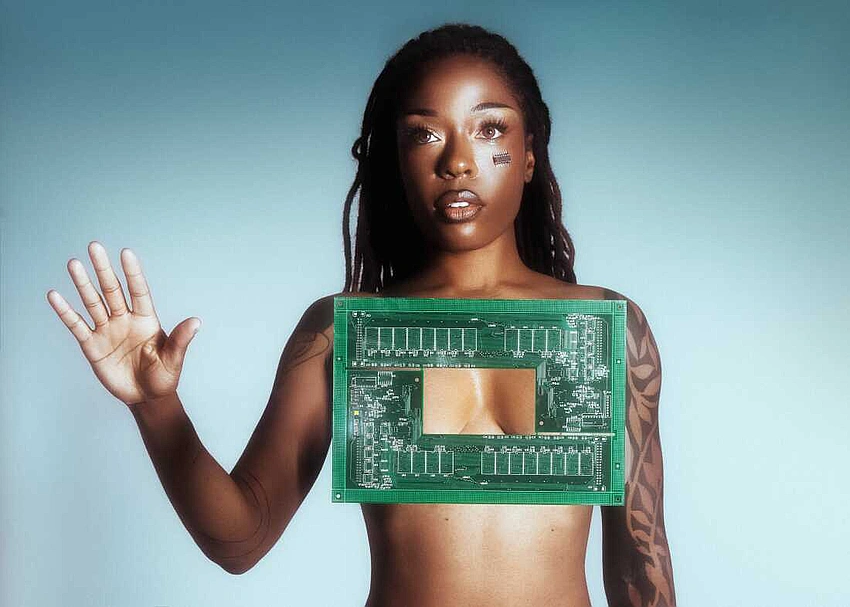
What intrigues me is how that machinic language becomes a metaphor for emotional rhythm. The album opens with “DEAD” and ends with “Heaven Knows” (a frame of rupture and reflection). The body of the record is pulsing, looping, sometimes collapsing just as a machine might wear out or reboot. I hear Parks saying: the body is the beat; the beat is the body.
From a pop-enthusiast angle: it’s thrilling to hear such adventurous production anchored by hooks and dancefloor immediacy. The Gadget Girl is as much a narrator as the “I” in the lyrics, investigating freedom, desire, power and belonging.
Themes: breakup, rebound, freedom
The BPM is a kind of breakup-and-recovery record. The opening track suggests departure; the closing track suggests resolution. In between lies the rebound, the club, the late-night introspection. The rhythm is relentless, yet the lyrics often register fatigue, yearning, and ambivalence.
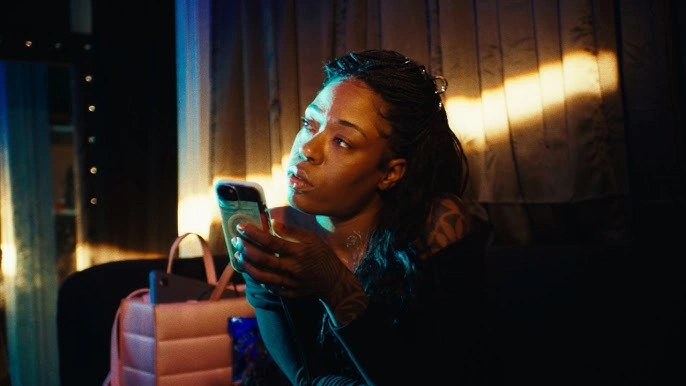
Take the chorus line and sentiment on “Los Cinci”: “Sometimes I can get real low / but I am high right now.” It perfectly encapsulates what the production also conveys, a sense of exhilaration tinged with exhaustion. The groove becomes a metaphor for survival: movement as escape, repetition as affirmation, rhythm as reset.
Sound: violin, beats and genre shifts
Of course, Sudan Archives remains a violinist at heart and yet on The BPM, the violin often disguises itself. The strings are tucked into intros, bridges and outros rather than dominating. In its place, we get four-on-the-floor kicks, ticker-tape hi-hats, breakbeats and house piano stabs. The genre palette is wide: Chicago house, hyperpop, drum & bass, Jersey-club, and techno all swirl together.
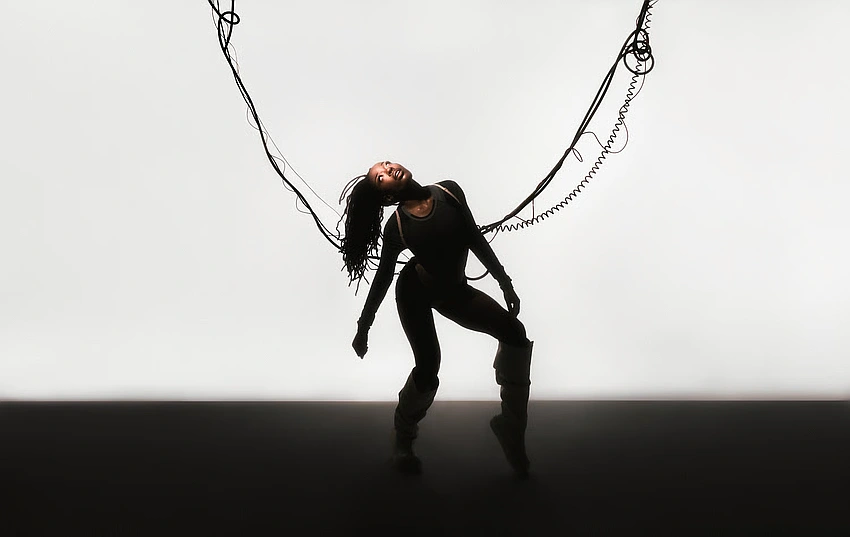
Each track feels like its own set, its own world, yet the album holds together as a club-set narrative of its own. Listening with headphones becomes akin to reading a novel of late-night wanderings, fractured confidences and shimmering euphoria.
Literary reflections: rhythm, repetition, transformation
If I were to read The BPM as text, the motif of rhythm becomes central. Rhythm is how Parks proposes identity might be built: through loops, through movement, through returning and refracting the self. The title itself signals measurement, machine-tempo, but also life.
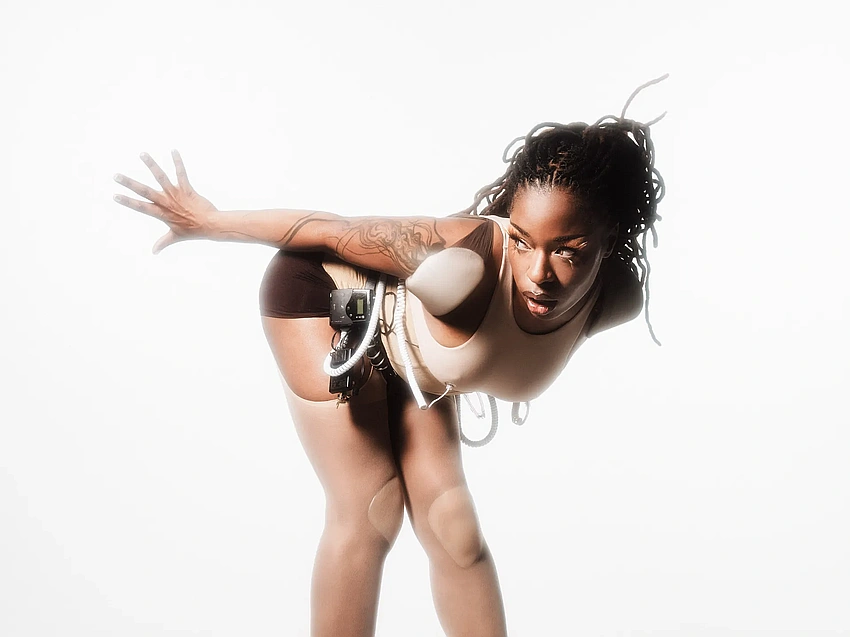
There is repetition of hooks and musical phrases that echo lyrical loops like mantras: motion becomes meaning. The dancefloor, typically the site of release, becomes site of reckoning. The tracks trade in sensual, confident lines (“I got a big bankroll / Yeah, money is my mascot”) but also in vulnerability and dislocation.
The violin nods to concert halls, classical forms, African diaspora practices; the beats to club heritage; the lyrics to confessional pop and rap; Parks weaves all this into a polyphonic narrative without losing coherence.
Listening to The BPM is like stepping into a techno-futurist club in which the playlist is your diary, the dancer is your twin self, and the violin bows ghosts of old-school and new-school in one sweep. Parks invites us not only to move our bodies but to feel our weight, our speed, our stasis, our transitions.
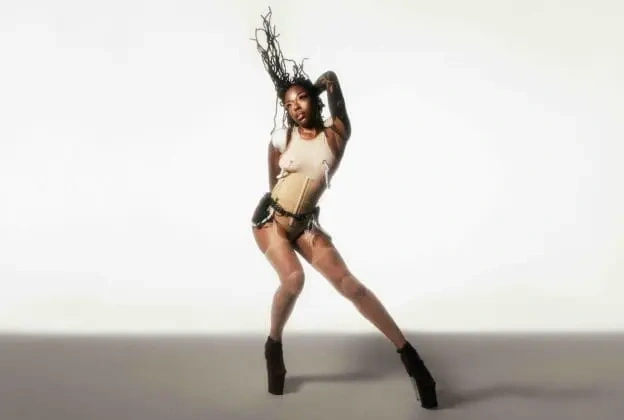
Pop music often promises escapism; Sudan Archives insists on escape and engagement. She says, “Is our heart going to follow the rhythm?” and then shows us how it might. If you’re up for a record that makes you dance and then makes you think about identity, about history, about the machine and the flesh, then The BPM is a rare treat.
I’ll be wearing headphones again tomorrow evening, settling into its loops and letting the violin hiss through the hi-hats, reading the beats like a text and the text like a beat. And I invite you to do the same.
#SudanArchives #TheBPM #GadgetGirl #ViolinPop #MusicReview #NewMusic #PopMusic #PopCulture
