Blondshell’s Violins: Learning to Live with the Mess


Blondshell’s Violins: Learning to Live with the Mess
Blondshell’s Violins: Learning to Live with the Mess
On Violins, Blondshell’s Sabrina Teitelbaum looks beyond romantic heartbreak to the messy work of living with friends, family and herself, pairing candid songwriting with guitar-driven alternative rock.
There is a recurring tension in Blondshell’s Violins: the desire to repair something and the knowledge that understanding what went wrong does not necessarily make it easier to fix. Across her third album, Sabrina Teitelbaum turns her attention towards relationships that are difficult to categorise neatly. Romantic partners remain part of the picture, but friendships, family, the self and the everyday indignities of being alive occupy just as much space. The result is a record that feels less like a collection of personal grievances and more like an attempt to understand the complicated business of living with other people.
Released under the Blondshell moniker, Violins follows her self-titled 2023 debut and 2025’s If You Asked for a Picture. The earlier records established Teitelbaum as a songwriter particularly adept at turning uncomfortable experiences into sharp, guitar-driven alternative rock. Here, she retains that directness but allows more room for ambiguity. The title itself gestures towards the coexistence of violence and beauty, a contradiction that runs through the album's eleven tracks.

Beyond the bad relationship
One of the more significant developments on Violins is the expansion of Teitelbaum's emotional vocabulary. Her writing has always been candid, often funny and occasionally uncomfortable in its specificity. This time, however, she is less concerned with documenting the actions of someone who has wronged her than with examining the part she plays in her own relationships.
The title track establishes this shift. Its enormous chorus carries the familiar force of Blondshell's guitar-driven songwriting, but beneath the distortion is a recognition that healing is neither immediate nor entirely self-sufficient. On “Heart Has to Work So Hard”, the subject is a friendship marked by resentment, emotional labour and enduring affection. The song refuses to make these feelings mutually exclusive. It understands that caring for someone does not necessarily mean a relationship is working.
“Stone Fruit” also broadens the album's treatment of desire, approaching lust with a queer sensibility that adds another dimension to Teitelbaum's writing. Elsewhere, “Fur Elise” imagines the absurdity of walking down the aisle to Beethoven's familiar composition while confronting the suffocation and uncertainty of a relationship. Teitelbaum's wit is important here. It prevents the album's anxieties from becoming entirely solemn, allowing moments of absurdity to sit alongside genuine vulnerability.
The details make the difference
Musically, Violins does not abandon the alternative-rock vocabulary that made Blondshell recognisable. Fuzzy guitars, explosive choruses and the grain of Teitelbaum's vocals remain central to its sound. There are moments that recall the melodic heft of 1990s alternative rock, particularly on “Stone Fruit” and “Fur Elise”. Yet the album's more interesting decisions often happen around the edges.
“Sea Legs” introduces subtle synth textures into an otherwise restrained arrangement, while “New Age Trojan Horse” gives its guitars a sharper, post-punk character. “Two Fried” has a guitar line that brings a different kind of melodic movement to the record. These details suggest an artist interested in finding new possibilities within a familiar musical language, rather than abandoning it altogether.
The softer moments are equally revealing. “Knotted” offers a more openhearted approach to love, though anxiety remains close to the surface. “Reinstall”, built around a folky piano arrangement, turns towards ageing and the discomfort of watching life change. Its placement towards the end of the record gives the album a welcome shift in texture.

An artist finding her own language
There is a case to be made that Violins occasionally stays too close to its established sound. Some of its songs share a similar guitar-heavy architecture, and the album does not always achieve the disruptive energy of the debut. But its development is less about reinvention than about what Teitelbaum chooses to write within that sound.
The move from diaristic confession towards more poetic imagery gives these songs room to hold contradictory feelings without resolving them. Teitelbaum can be resentful and affectionate, self-aware and still prone to repeating old patterns. She does not present growth as a clean break from the past.
That is ultimately what makes Violins an interesting third album. It recognises that maturity does not necessarily mean becoming less difficult, less angry or more certain. Sometimes it means learning to look at the same problems from a different angle, and accepting that understanding them is only the beginning.
#Blondshell #Violins #AlternativeRock #IndieMusic #AlbumReview
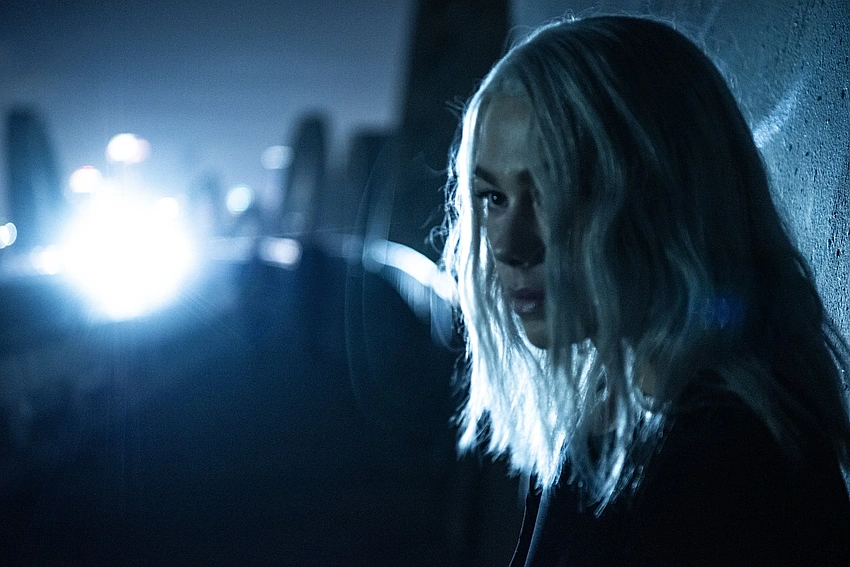
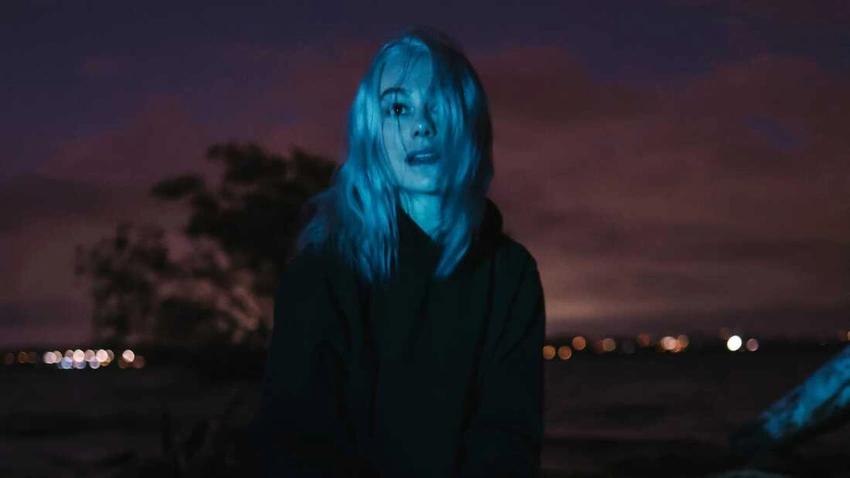
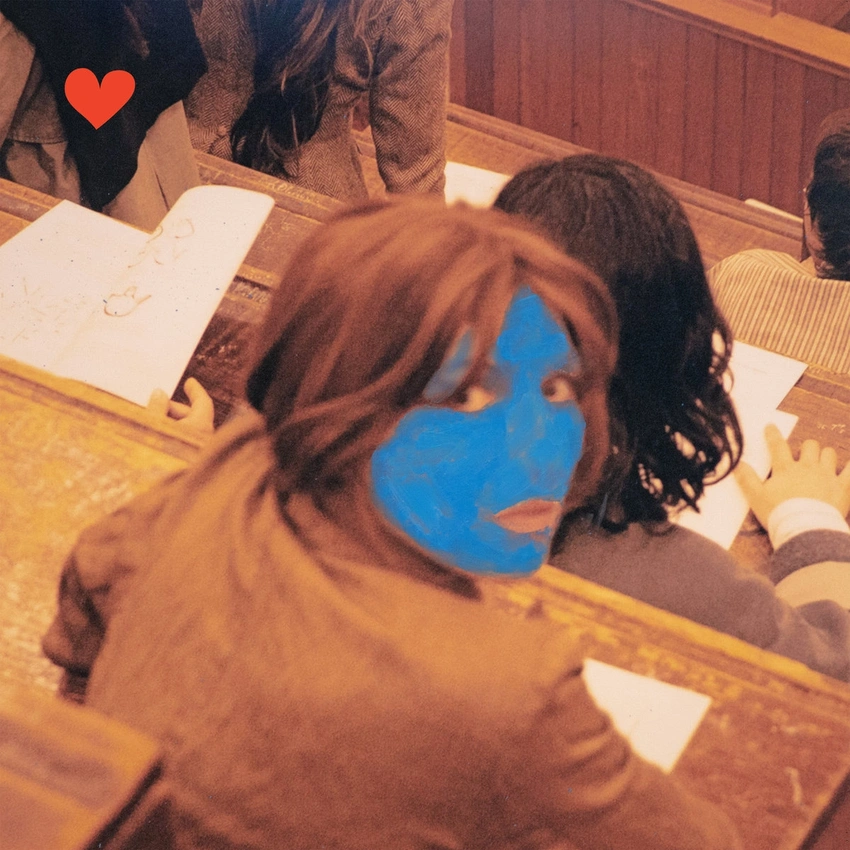
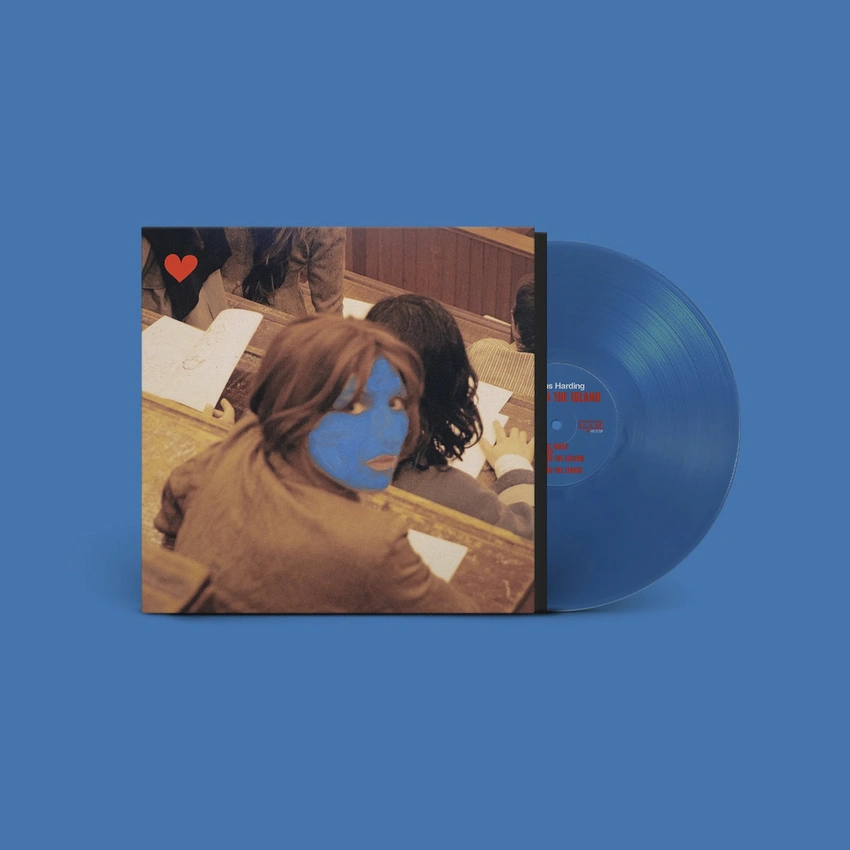 Harding’s fifth album arrives after a relatively quiet period following Warm Chris in 2022. Four years is practically geological time within contemporary music culture, where visibility is treated as survival and silence is interpreted as irrelevance. The current economy of streaming rewards abundance over precision. Albums are no longer singular statements as much as they are data-generating events. The logic is brutally simple: release more, remain visible, feed the algorithm before it forgets you.
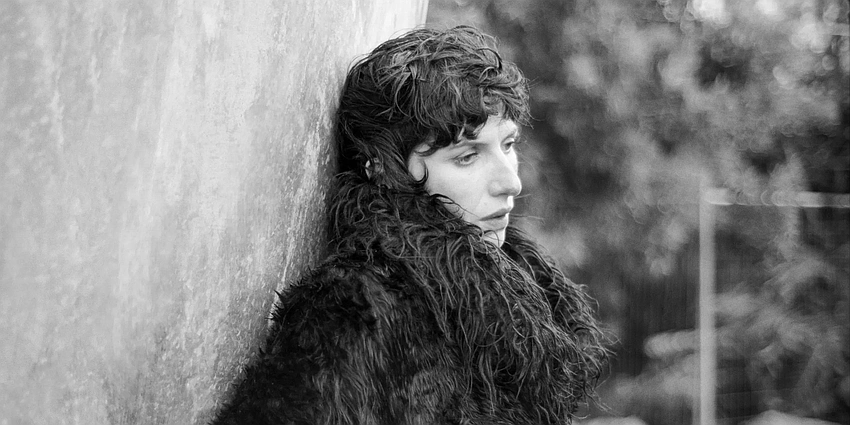 What makes the record remarkable is not obscurity for its own sake, but the way it trusts listeners to remain uncertain. Contemporary pop culture increasingly fears ambiguity. Everything must be instantly legible, instantly memeable, instantly reducible into discourse. Harding instead creates songs that linger like unfinished thoughts.
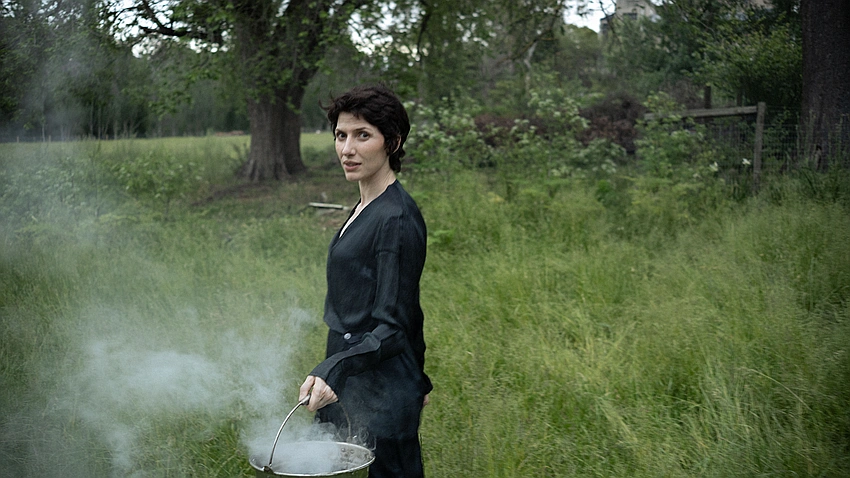 Yet listening to Harding’s work beside this culture reveals what has been lost. Its songs are patient with themselves. They unfold gradually, refusing immediate gratification. Nothing here sounds optimised for playlists.
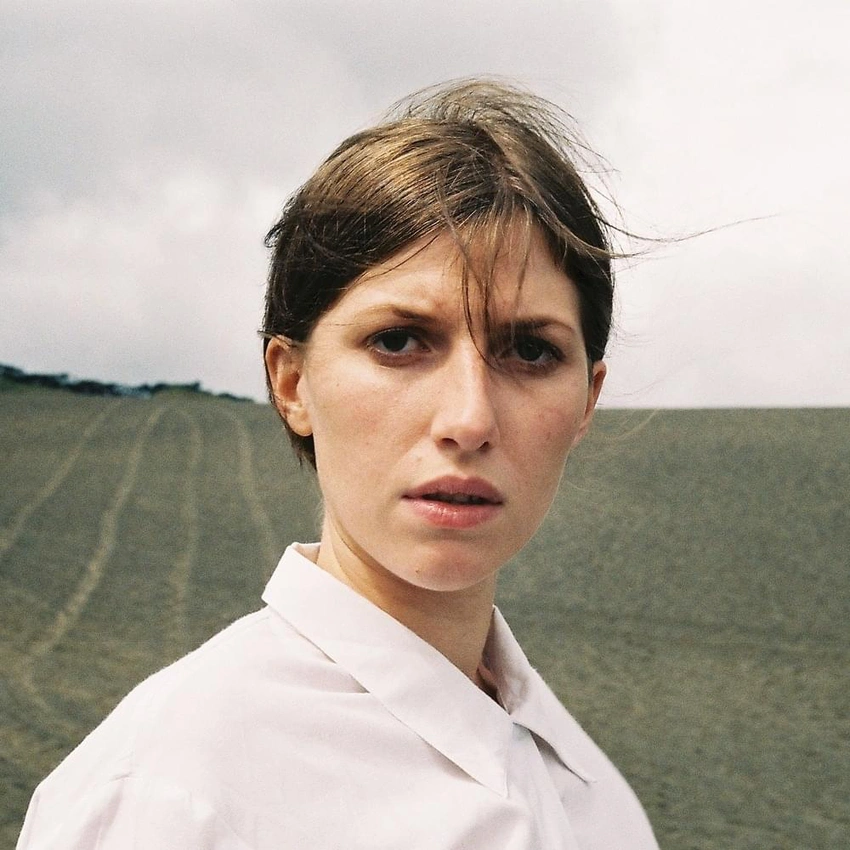 That instability becomes especially interesting in a cultural moment obsessed with “authenticity”. Modern celebrity culture demands relentless self-exposure. Artists are expected to explain themselves continuously online, transforming personality into content. Authenticity has itself become performative.





Login to comment.