From Dumpster Albums to Piss Poems: Why We Are Obsessed With Sufjan Stevens Lore
From Dumpster Albums to Piss Poems: Why We Are Obsessed With Sufjan Stevens Lore
From dumpster-dived albums to TikTok-famous chapbooks, the internet loves unearthing the chaotic past of indie legends like Sufjan Stevens. Here is why we are addicted to the hunt for the weird and unreleased.
The Allure of the Indie Archive: Why We Love Sufjan Stevens' Lost Poems
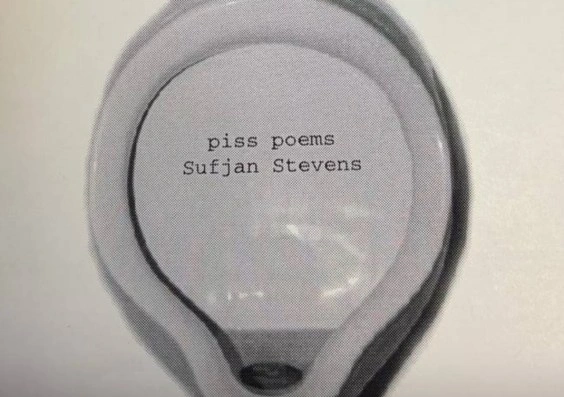
The internet has a funny way of making the private public at the most unexpected times. Recently, a TikTok video surfaced showing a long lost poetry chapbook titled Piss Poems, allegedly written by Sufjan Stevens over twenty-five years ago. This is not the first time the indie icon has seen his early work resurface in chaotic ways. Back in 2016, a musician famously found a discarded album in a dumpster. These moments of discovery tap into a deep obsession within music culture: the hunt for the unpolished, the weird, and the human.
The Magic of the Chaotic Archive
Why do we care about a handful of poems from a Penn State student? It is because Sufjan Stevens has built a career on mystery and intricate storytelling. When something as raw as a chapbook with a provocative title appears, it peels back the layers of a carefully curated persona. We are no longer just looking at a Grammy-nominated artist; we are looking at a young creative trying things out, failing, and being a bit of a mess. Fans are drawn to the idea that there is always more to the story than what is on the official discography.
Digital Graveyard Digging
Social media has turned music history into a collaborative scavenger hunt. Fans do not just want the hits; they want the lore. The discovery of the Piss Poems highlights a shift in how we consume celebrity. We value the unreleased and the discarded because it feels more authentic than a polished studio record.
- The dumpster-dived album Stalker
- The obscure college-era poetry
- The cryptic TikTok reveals
These are the breadcrumbs that keep the indie fandom alive. It transforms the artist from a distant figure into a relatable human being who once wrote questionable poetry in their twenties.
Humanizing the Icon
At the end of the day, these archives remind us that our heroes started somewhere. Whether it is a poem about bodily functions or a scrapped concept album, these artifacts provide a sense of connection. They prove that even the most ethereal artists were once just kids in a dorm room making things that were never meant to be seen. In an age of AI-generated content and hyper-marketing, there is something deeply refreshing about a grainy photo of a physical book that survived two decades in the shadows. We are not just fans of the music; we are fans of the messy journey of creation.
