Aldous Harding and Rebellion Against the Content Machine

Aldous Harding and Rebellion Against the Content Machine
Aldous Harding and Rebellion Against the Content Machine
There is something almost confrontational about how slowly Aldous Harding moves through music. Not slow in tempo, necessarily, but slow in spirit. In an era where artists appear trapped inside a permanent state of rollout, where albums arrive already accompanied by deluxe editions, remixes, surprise drops, TikTok snippets and eras that barely survive three weeks, Train on the Island feels like an object from another cultural lifetime.
The album does not beg for attention. It does not explain itself. It does not attempt virality. And perhaps that is precisely why it feels so startling in 2026.
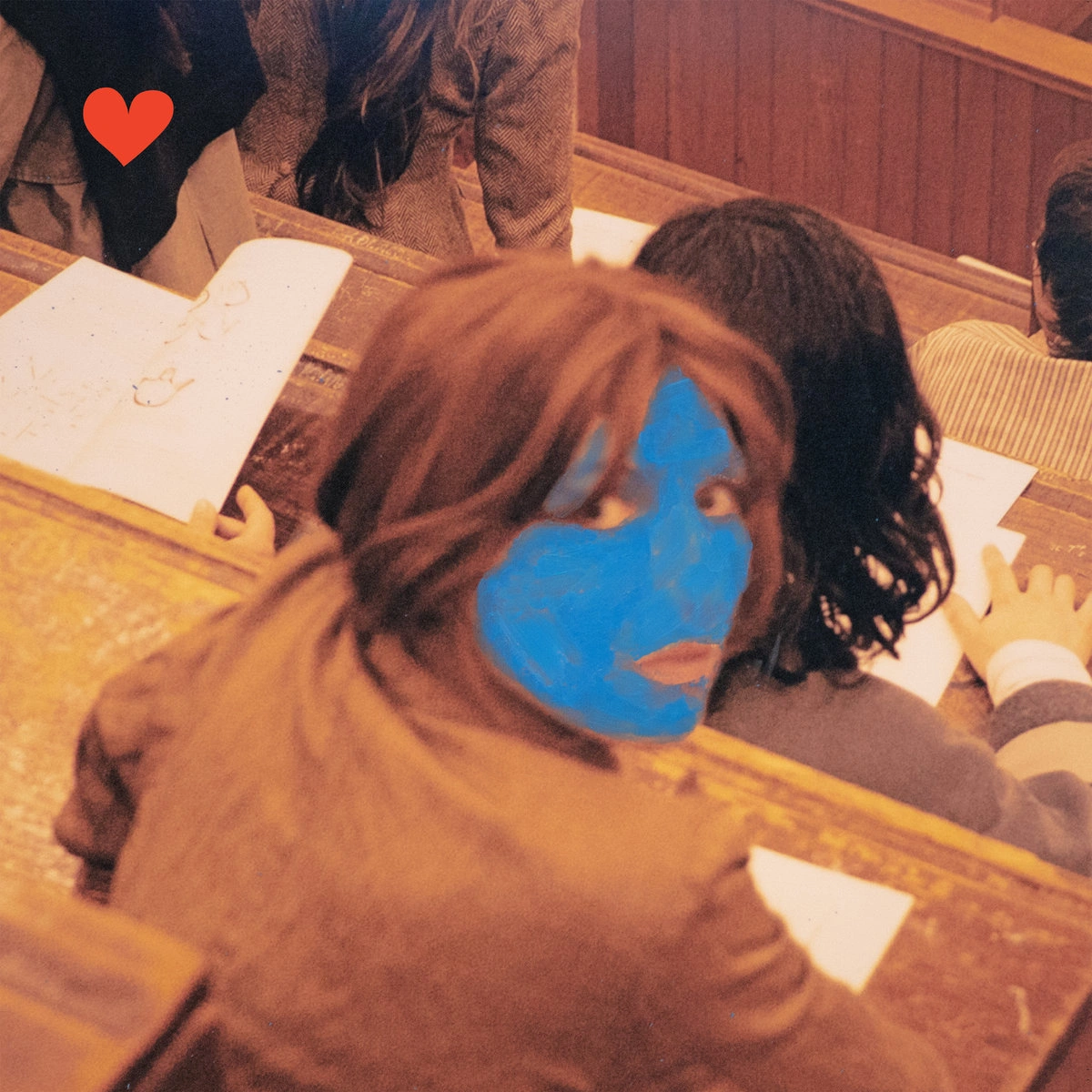
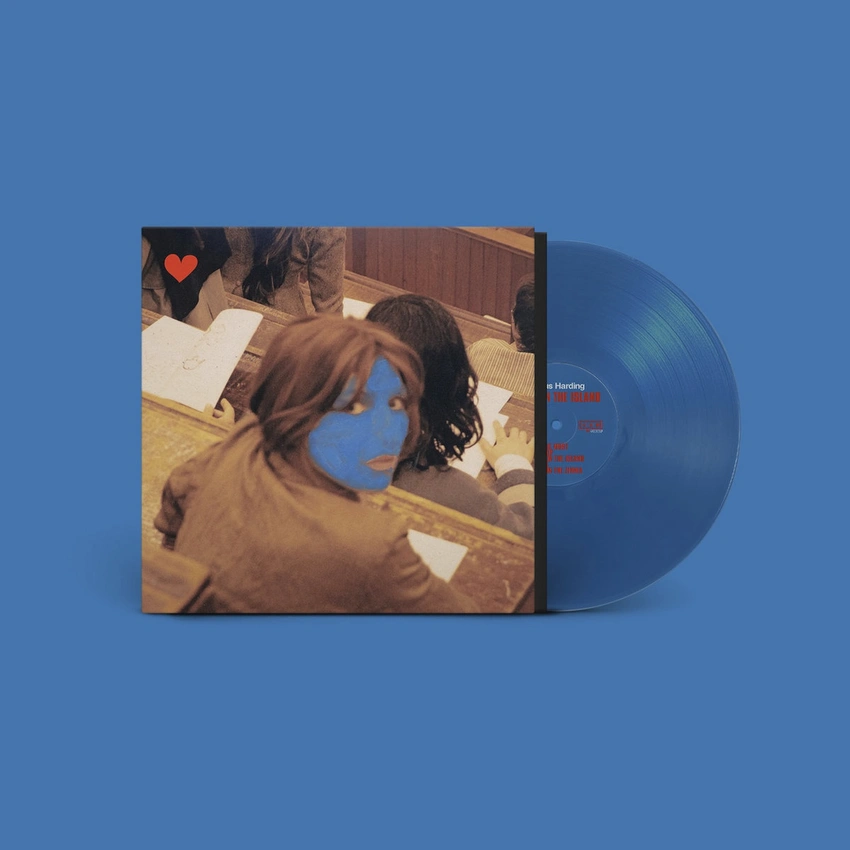 Harding’s fifth album arrives after a relatively quiet period following Warm Chris in 2022. Four years is practically geological time within contemporary music culture, where visibility is treated as survival and silence is interpreted as irrelevance. The current economy of streaming rewards abundance over precision. Albums are no longer singular statements as much as they are data-generating events. The logic is brutally simple: release more, remain visible, feed the algorithm before it forgets you.
Music That Refuses Immediate Consumption
The strange thing about Harding’s music has always been its resistance to easy interpretation. Her songs feel half-whispered from another room, filled with fragmented images, abrupt tonal changes and emotional gestures that never settle into complete clarity. On Train on the Island, that ambiguity becomes even more intimate.
The album opens like a confession overheard accidentally. Voices shift shape. Melodies drift in and out of focus. Lines appear emotionally devastating before dissolving into absurdity. There are moments that feel deeply autobiographical and moments that feel entirely theatrical.
 What makes the record remarkable is not obscurity for its own sake, but the way it trusts listeners to remain uncertain. Contemporary pop culture increasingly fears ambiguity. Everything must be instantly legible, instantly memeable, instantly reducible into discourse. Harding instead creates songs that linger like unfinished thoughts.
The arrangements are deceptively sparse. Piano chords, minimal percussion, brief flickers of guitar and synth create vast emotional spaces rather than dense sonic walls. Several reviews noted how much “negative space” the album leaves for listeners, and that emptiness becomes its emotional architecture.
It recalls an older understanding of art, one where the audience is expected to participate rather than merely consume.
The Death of Artistic Patience
The exhaustion surrounding modern music culture is not simply about oversaturation. It is about the disappearance of anticipation.
The modern release cycle has become industrial. Artists release three albums in two years. Deluxe editions appear within days. Songs are shortened for replayability. Albums are engineered around fragments that can circulate independently on social media platforms. Music increasingly behaves like disposable content rather than sustained artistic expression.
This is not entirely the fault of musicians themselves. Streaming economics reward quantity. Visibility has become labour. Silence risks disappearance.
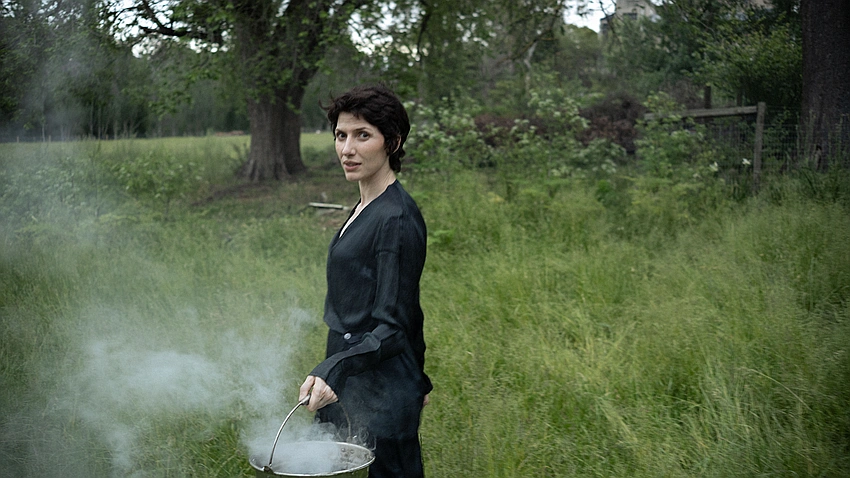 Yet listening to Harding’s work beside this culture reveals what has been lost. Its songs are patient with themselves. They unfold gradually, refusing immediate gratification. Nothing here sounds optimised for playlists.
That patience feels radical now.
The irony is that modern mass-release culture often produces music designed to disappear quickly. Albums dominate timelines for one weekend before collapsing into digital residue. The constant flood of releases creates a strange emotional flattening where everything becomes equally temporary.
Harding’s music moves in the opposite direction. It deepens with repetition. Its strangeness becomes more emotionally coherent over time. The album does not reveal itself immediately because it is not trying to survive a single news cycle.
Persona, Performance and the Refusal of Authenticity
One of the most fascinating aspects of Harding’s work is her unstable relationship to identity itself. Her voice changes constantly. She inhabits different characters, tones and emotional registers within single tracks. Listening to her can feel like watching someone try on selves in real time.
 That instability becomes especially interesting in a cultural moment obsessed with “authenticity”. Modern celebrity culture demands relentless self-exposure. Artists are expected to explain themselves continuously online, transforming personality into content. Authenticity has itself become performative.
Harding refuses this transaction entirely.
Her music suggests that identity is fragmented, unstable and theatrical. The “I” inside her songs never fully resolves into a singular person. There is something deeply literary about this refusal. Her songwriting often resembles surrealist poetry more than conventional indie folk lyricism. Images recur like motifs in a novel. Emotional logic matters more than narrative clarity.
The result is music that feels alive precisely because it resists simplification.
A Record That Exists Outside Time
What makes Train on the Island so moving is that it does not obey contemporary cultural pacing. The album feels unconcerned with immediacy. It exists in its own rhythm.
That quality makes it oddly emotional. Beneath the surreal lyrics and eccentric performances lies an overwhelming tenderness. Several reviews described the album as intimate despite its evasiveness, and that contradiction defines Harding’s artistry.
The record does not hand listeners easy emotional catharsis. Instead, it creates atmosphere, discomfort and fleeting moments of recognition. It trusts silence. It trusts confusion. It trusts the listener’s patience.
And perhaps that is what feels most radical about it.
Simply the belief that art does not need to arrive constantly in order to matter.
#AldousHarding #TrainOnTheIsland #NewMusic #IndieMusic #MusicReview
