Nothing’s About to Happen to Me: A House of Unfinished Stories

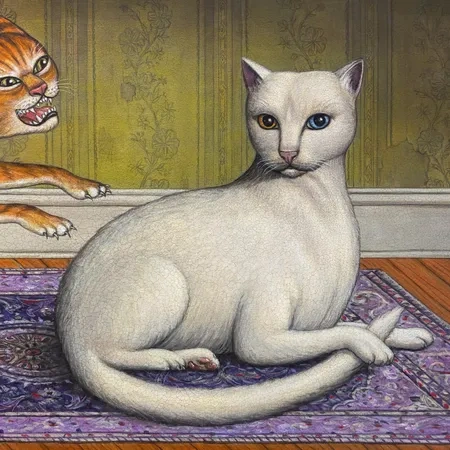
Nothing’s About to Happen to Me: A House of Unfinished Stories
Nothing’s About to Happen to Me: A House of Unfinished Stories
Mitski's eighth album invites listeners into a haunted, domestic landscape of solitude and ritual. It fuses gothic atmosphere with intimate storytelling, turning a single house into a listening world.
When an artist as singular as Mitski releases new work, the task of approaching it feels less like critique and more like entering an already lived-in space. Nothing’s About to Happen to Me, her eighth studio album, arrives on 27 February 2026 from Dead Oceans, framed not as a collection of pop songs but as a narrative world inhabited by a reclusive woman and her ghosts, literal and metaphorical.
In Mitski’s catalogue, this posture isn’t wholly new. Her music has long probed solitude and introspection but here those elements coalesce into something resembling a gothic domestic drama. This is an album that wants to be felt as much as heard, its ambience shaped by isolation, ritual, and the small, uncanny interruptions of daily life.
The House and Its Inhabitants
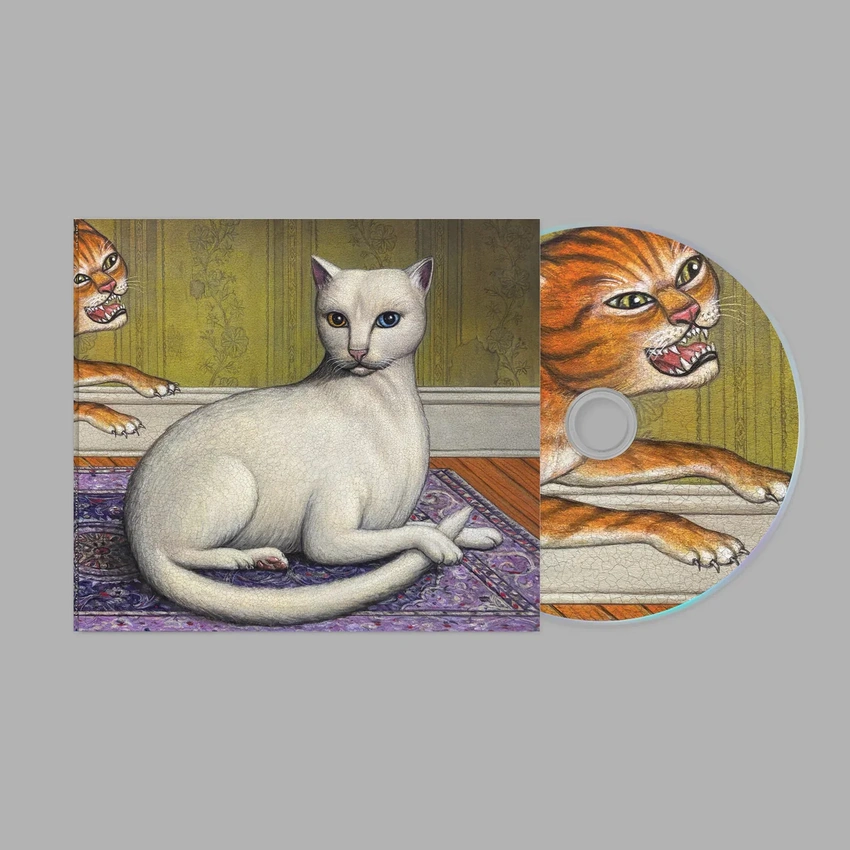
If the album had a setting card, it would show an unkempt house with strange creaks in every corridor. Press materials accompanying the release describe the central character as a woman who is both sovereign and captive within her own home, where routines blur into mythic echo and emotional overgrowth.
This isn’t background fluff: the spatial logic of the album; cluttered rooms, cats that seem to watch rather than purr, the muffled din of regret, tells us something crucial about its psychological terrain. Those rooms, hallways and doorways become metaphors for inner life: uncleaned, sacrosanct, and rife with memory. The album steers as much toward atmosphere as lyricism, inviting listeners to inhabit that psychological space rather than skim its surface.
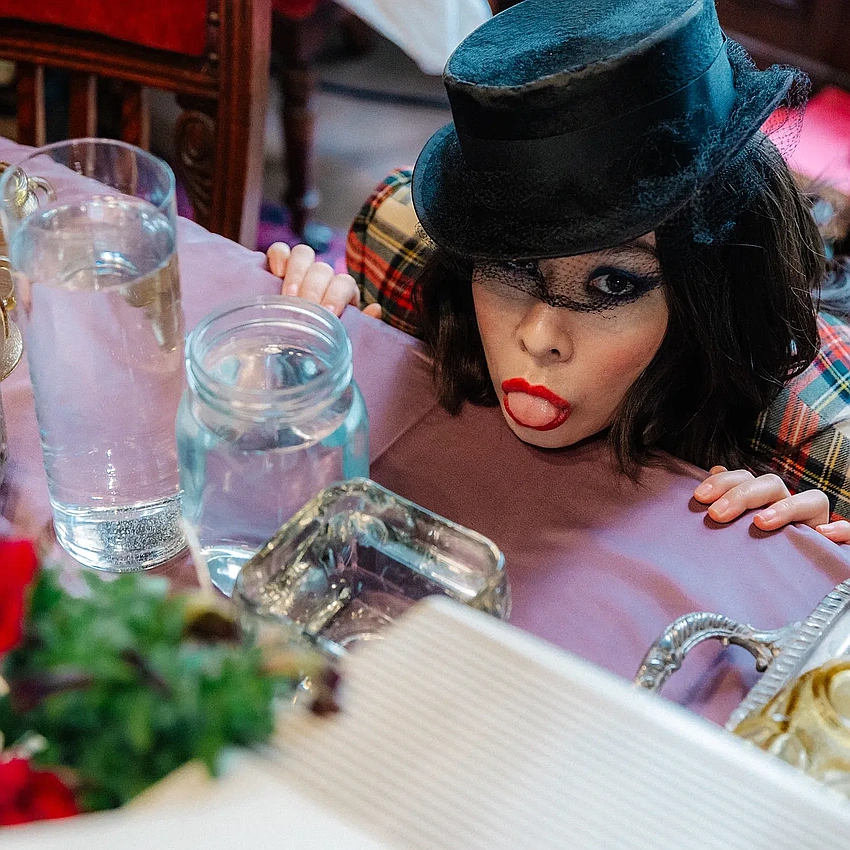
In situating the album within this imaginary house, Nothing’s About to Happen to Me participates in a long cultural history of domestic settings as sites of fracture, a lineage that stretches from Gothic fiction through to the uncanny small-town atmospheres of modernist and contemporary literature. But Mitski’s house is neither purely haunted nor merely metaphorical; it occupies a threshold, where the past, memory, and self-perception fold into one another.
Narrative Without Plot
It’s tempting to approach a record by its individual songs. But this isn’t primarily an album of stand-alone singles, even though tracks like Where’s My Phone? and I’ll Change for You have been released in advance and already discussed widely.
Instead, what Mitski constructs is a topography of feeling. The songs function as rooms in the house; each opens onto a different aspect of emotional life of paranoia, desire, memory, regret but none feels isolated from the others. The music moves in ways that echo traditional narrative structures: crescendos that feel like revelations, refrains that return like recurring memories, rhythms that unsettle anticipation rather than satisfy it.
This approach echoes a pattern that can also be observed in other contemporary arts, where media increasingly blur boundaries between narrative and ambience. It’s not exactly songcraft in a pop-song sense; it’s more akin to the way ambient writers and filmmakers use repetition and spatial cues to evoke psyche.

Style as State
Musically, the album draws on a broad palette: there are hints of indie rock urgency, cabaret-like orchestral flourishes, folk-tinged motifs, and moments of near circadian stillness. This stylistic range reinforces the sense that the album isn’t confined to a single genre or affective register. Instead, it charts the interior moods of a psyche that refuses easy categorisation.
Produced once again with longtime collaborator Patrick Hyland, the instrumentation never dominates but always underpins. It’s as if each musical choice is calibrated to amplify an emotional state rather than to impress with virtuosity.
In this respect, the work stands in contrast to pop albums that seek catchiness or immediacy. Mitski’s album demands patience and attention; it unfolds “slowly” not in the pejorative sense but in the way a novel or film might, drawing the audience deeper into its world with each listen.

Solitude as Material
Solitude has been a theme in Mitski’s work before, but here it feels material, like dust on the window sills in the album’s imagined house. The sense of isolation is not merely thematic, it’s structural: each song feels like a room closed off from the next, yet connected through shared atmosphere.
This emphasis on unromanticised but lived isolation resonates with broader cultural preoccupations in early decades of the twenty-first century, where digital connectivity often sits uneasily beside feelings of existential solitude. Although contemporary pop frequently embraces empowerment narratives, here the emotional arc is neither triumphant nor defeatist. It is tentative: a series of trapped moments that nonetheless insist on their own significance.
At just over half an hour, Nothing’s About to Happen to Me is concise yet resonant. Its brevity mirrors its thematic concerns: a sense of stasis, of waiting, of living within thresholds between memory and anticipation. Perhaps that’s the album’s greatest achievement. It captures the emotional texture of an in-between state without resorting to cliché.
#Mitski #NothingAboutToHappenToMe #GothicIndie #SolitudeSongs #IndieMusic #NewMusicFriday #AlbumReview #PopMusic
