Phoebe Bridgers’ Lost Weekend: Learning to Live Outside the Frame

Phoebe Bridgers’ Lost Weekend: Learning to Live Outside the Frame
Phoebe Bridgers’ Lost Weekend: Learning to Live Outside the Frame
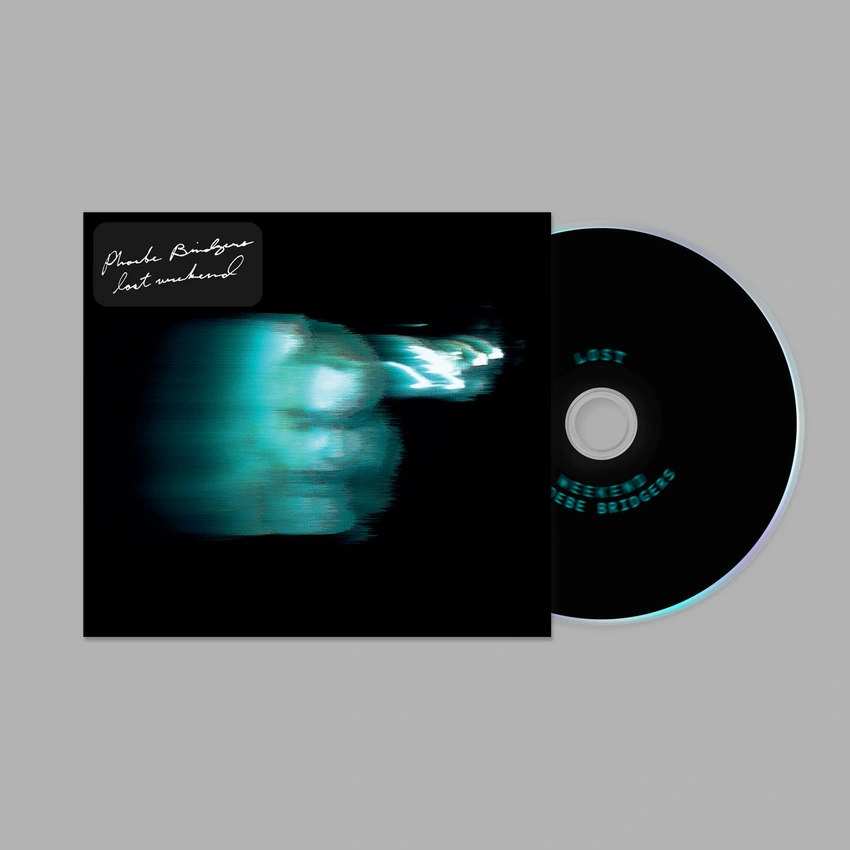
Phoebe Bridgers’ Lost Weekend explores fame, exposure and emotional dislocation, capturing the uneasy feeling of watching yourself disappear inside a public image.
There is something strangely appropriate about Lost Weekend arriving six years after Punisher. Phoebe Bridgers has spent that time becoming more visible, more commercially successful and, consequently, more exposed to the strange machinery of contemporary celebrity. Boygenius became a cultural phenomenon, collaborations with artists such as Taylor Swift and SZA widened her audience, and her private life became increasingly difficult to separate from her public image. Lost Weekend, released on 14 August 2026, seems deeply interested in what happens when the person inside that image no longer recognises themselves.
The album's central concern is therefore less heartbreak than dislocation. Bridgers repeatedly finds herself occupying a space while simultaneously observing herself from somewhere outside it. The effect is established immediately in “The Outside”, where the exhilaration of being carried by an audience is interrupted by the realisation that she is somehow still watching from a distance.
The Self as Spectator
This idea gives Lost Weekend much of its literary force. Bridgers has always written from an intensely self-conscious position, but here the observing self becomes almost architectural. There is the person experiencing grief, desire or humiliation, and then there is the person looking back at that experience, trying to understand why it happened.
That distance becomes particularly painful in “Still Standing”, which deals with the death of Bridgers’ father and the complicated emotions that accompany their strained relationship. Grief here refuses the neat emotional script that popular culture often assigns to bereavement. Memory does not necessarily produce tenderness. Sometimes it produces confusion, resentment or even indifference.
This is where the album feels most human. It understands emotion as something messy and embodied rather than narratively convenient. There is no obligation for a daughter to feel the correct thing about a dead parent, just as there is no clean emotional vocabulary for the end of a relationship.

Love After the Ending
The album's engagement with Bridgers’ former relationship with Paul Mescal inevitably creates another layer of cultural fascination. The title track confirms the existence of a broken engagement, while songs such as “The Governor’s Waltz” and “Bobby” approach intimacy from different temporal directions: one looking at love as it disintegrates, the other capturing the intensity of its beginnings.
Yet Lost Weekend becomes more interesting when it escapes the gossip surrounding these songs. The relationships matter because they provide the emotional architecture of the album, but the songs are ultimately about the instability of attachment itself. Love changes the way a person understands their own past. Once another person disappears, memories have to be reorganised around their absence.
That makes the album feel almost novelistic. Characters enter, leave, contradict themselves and continue existing in memory long after the relationship itself has ended.
When the Music Starts Falling Apart
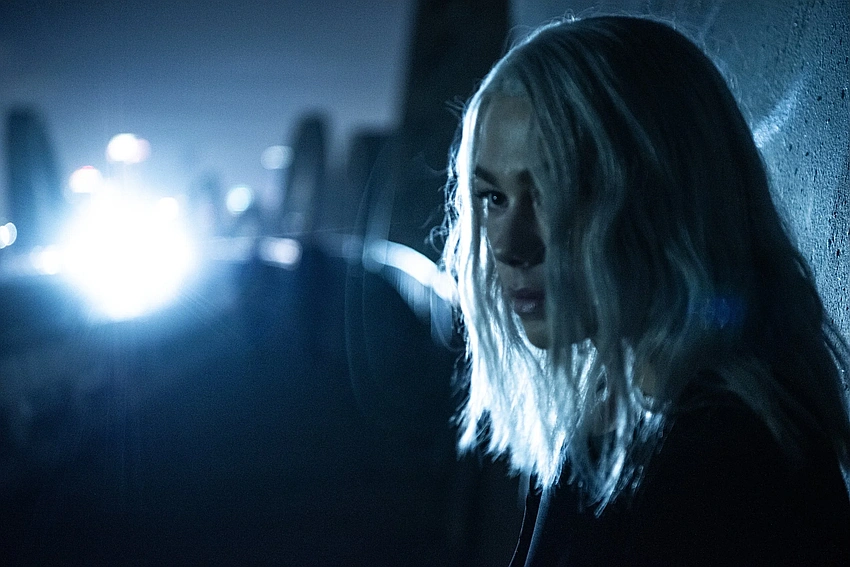
The most striking development, however, is sonic. Bridgers retains the acoustic guitars, mandolin, violin and Americana textures associated with her songwriting, but Lost Weekend repeatedly destabilises them with electronic noise, feedback, drones, ambient textures and abrupt shifts in atmosphere.
This production is important because the album's sound behaves like its subject matter. Just when a song appears settled, something interrupts it. Melodies disappear into static. Silence arrives unexpectedly. Familiar singer-songwriter arrangements are swallowed by murk. The result is an album that often feels as though it is struggling to remain coherent while its narrator is struggling to do the same.
The spaciousness of the arrangements also allows Bridgers’ voice to occupy an unusual position. Rather than dominating every track, it sometimes seems surrounded or even threatened by the music. Paste similarly highlights the album's spacious sonic character, with guitars, EWI and analogue synthesisers forming an atmospheric environment around her voice.

Becoming Someone Else
What makes Lost Weekend compelling is that its conclusion does not depend on complete recovery. “Never Going Back!” pushes towards movement, while “As Above” imagines a future in which familiarity does not necessarily destroy intimacy. “Liberty Tree” looks backwards with a perspective that has finally begun to soften.
The album ultimately understands identity as something unstable. The person who experiences an event is not necessarily the person who remembers it, and neither is necessarily the person who survives it.
For an artist who has spent years being watched, Lost Weekend feels like an attempt to reclaim the position of the observer. Bridgers looks at fame, grief, love and herself from an uncomfortable distance, then turns that distance into sound. The result is an album about being lost that never quite mistakes being lost for being without direction.
And perhaps that is where its quiet optimism lies: sometimes finding yourself means accepting that the person you were looking for no longer exists.
#PhoebeBridgers #LostWeekend #AlbumReview #Boygenius #IndieMusic
