Madonna's Confessions II: Returning to the Dance Floor, Returning to Herself

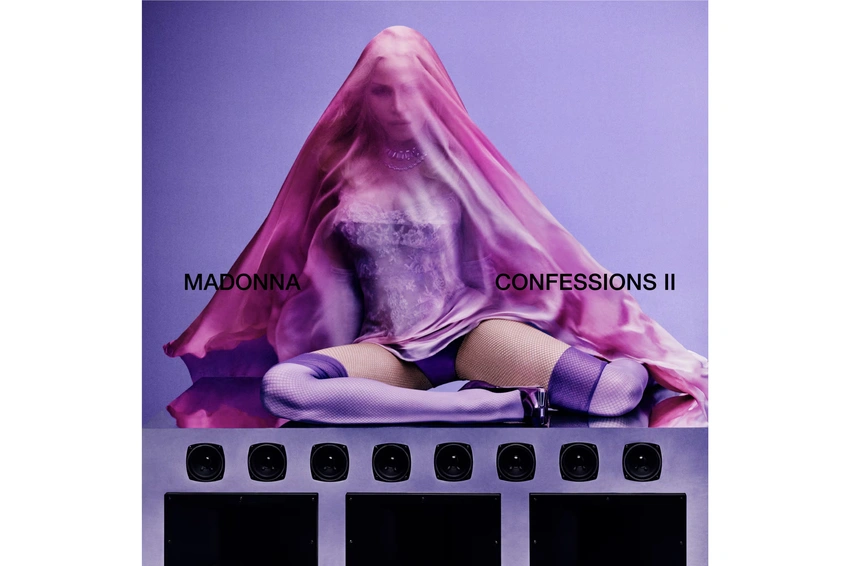
Madonna's Confessions II: Returning to the Dance Floor, Returning to Herself
Madonna's Confessions II returns to the dance floor, not to chase trends, but to deepen a long-running conversation about memory, pleasure, and reinvention. A poised, club-centric critique.
There is something fascinating about artists who revisit their own mythology. A sequel released two decades after the original can easily become an exercise in nostalgia, a desperate attempt to recreate an earlier triumph. Confessions II refuses that temptation. Instead, Madonna returns to the dance floor not because she has run out of places to go, but because she has discovered that the club still has something new to tell her.
The original Confessions on a Dance Floor (2005) transformed dance music into a space of liberation and reinvention. Its successor arrives after years of changing musical fashions, yet it sounds remarkably unconcerned with chasing them. Rather than competing with contemporary pop's endless cycle of viral moments, Madonna chooses continuity. The album feels like an acknowledgement that the dance floor has always been central to her artistic language, a place where pleasure, grief, memory and self-fashioning coexist.
The Club as a Human Space
Dance music is often dismissed as escapist, but Confessions II presents escape as a meaningful cultural act. Across the album, club culture becomes less about forgetting reality than temporarily suspending it. The beats create movement, but they also create reflection.
The record unfolds with the fluidity of a DJ set, allowing tracks to bleed into one another rather than existing as isolated singles. That structure recalls the immersive experience of being inside a nightclub, where time dissolves into rhythm and identity becomes collective. Listening feels less like consuming individual songs and more like inhabiting a carefully constructed atmosphere.
This is perhaps the album's greatest achievement. Instead of presenting dance music as disposable entertainment, Madonna restores its emotional weight. The dance floor becomes a social space where vulnerability is not erased but transformed into movement.
Looking Back Without Standing Still
What makes Confessions II compelling is its relationship with Madonna's own history. The album revisits familiar sonic territory through her reunion with Stuart Price, yet it avoids becoming a museum piece. References to disco, house, techno and early club culture function as living traditions rather than retro decoration. The music acknowledges where it comes from while refusing to remain there.

Several songs explicitly turn towards autobiography. The album reflects on New York, family, ageing, regret and survival with a level of openness that feels earned rather than performative. Personal memories are folded into the dance arrangements instead of interrupting them, suggesting that celebration and mourning often occupy the same emotional register.
This balance gives the record an unusual emotional texture. Even at its most euphoric, there is an awareness that joy exists alongside loss. Rather than diminishing the music's energy, that awareness makes the rhythms feel more necessary.
Reinvention Through Recognition
Madonna has spent her career being celebrated for reinvention, yet Confessions II suggests that reinvention sometimes means recognising oneself rather than becoming someone else.
Popular music often rewards novelty above all else, encouraging artists to abandon previous identities in pursuit of relevance. This album resists that logic. Instead of adopting the latest fashionable production trends, Madonna returns to dance music because it remains the genre through which she speaks most naturally. The confidence of the record lies precisely in this refusal to disguise its influences or apologise for its lineage.
There is also something quietly radical about hearing an artist of Madonna's age centre desire, pleasure and physicality without framing them as acts of defiance. The album simply assumes that these experiences remain part of life. In doing so, it challenges the cultural expectation that ageing performers should become either entirely retrospective or endlessly self-parodic.
Pop Music as Cultural Memory
Listening to Confessions II also invites a broader question about pop music itself. Albums like this remind us that popular music is never just entertainment. It stores collective memories, fashions identities and preserves the emotional landscapes of different generations.
The dance floor has long functioned as a democratic space where social boundaries become temporarily unstable. Madonna has repeatedly returned to that idea throughout her career, and here it feels more persuasive than ever. The record argues that dancing is not simply movement but a way of imagining different forms of community, however fleeting they may be.
Its production is polished and immersive, yet the emotional core remains remarkably human. Beneath the glitter, synthesisers and relentless rhythms lies an album preoccupied with forgiveness, belonging and endurance. Those concerns make Confessions II resonate beyond the boundaries of contemporary pop.
Rather than attempting to recreate the cultural moment of 2005, Madonna acknowledges that neither she nor her audience are the same people they once were. The dance floor, however, remains. It becomes a place where history can be revisited without becoming a prison, where memory is transformed into momentum, and where pop music once again proves capable of carrying far more emotional and cultural weight than it is often given credit for.
#Madonna #ConfessionsII #DanceMusic #ClubCulture #MusicReview
