#InternetCulture
A year of memes: From January to December, which month delivered the funniest memes? #MemeRecap #InternetCulture #FunnyMemes
Login to reply.
16 Replies
I don't know who I am offline anymore: Life as an internet novel protagonist
I feel more at home online than offline and the internet shaped my personality. Is it weird?
The Blue Light Mirror: Reflections from a Chronically Online Student
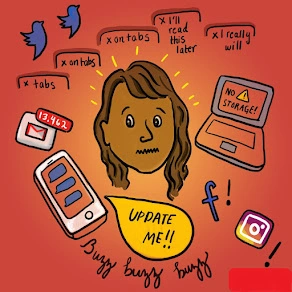
It is currently four in the afternoon and the sun is already considering an early retirement. I am sitting in a quiet corner of the university library, my laptop is currently glowing with the familiar warmth of a dozen open tabs.
But when the screen goes black, I stare at my reflection and I dont recognize the person staring back. Or rather, I didn’t know how to be that person without an interface.

The Identity Blurring
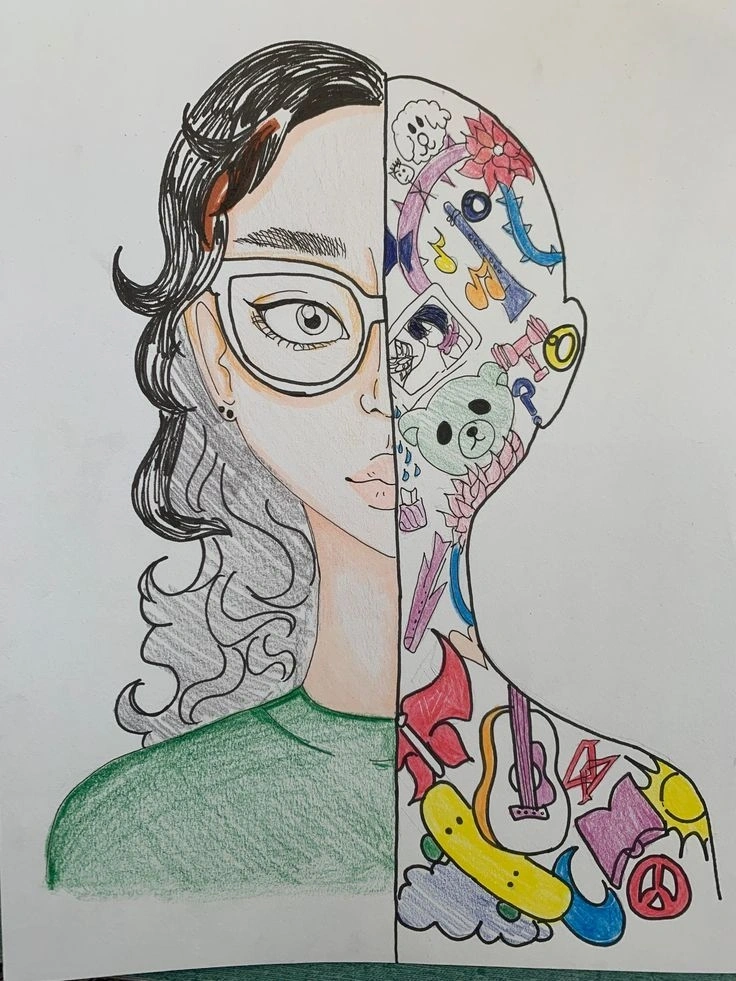
As a sociology student, I spend a lot of time researching how digital communities impact loneliness. But lately, my research has felt less like a study and more like a mirror. My personality isn’t just influenced by the internet. It was built by it. The way I joke, the way I structure my thoughts, even the way I aestheticize my morning coffee for my study-gram, it all belongs to the digital ' realm'.
We often talk about our online lives as if they are a performance, a curated museum of our best moments. But for those of us who grew up in the glow, there is no backstage. The digital life is just as real as the physical one. When I lose my phone, I don't just lose a tool. I feel like I have lost a limb, or a part of my memory.
The Pressure of the Feed
Being an advocate for mental health means I have to be honest about the darker side of this integration. My feed is a collection of lake views and organized bookshelves, but the reality is often much messier. There is a constant pressure to translate every experience into something shareable.
If I go for a walk by the lake and don't take a photo of the mist, did I even see it? If I read a book and don't write a review, did the ideas actually take root? This is the burden of the modern condition. We have become the protagonists of our own internet novels, constantly narrating our lives for an invisible audience.
Finding a New Balance
I don’t think the answer is to delete our accounts and move to a cabin in the woods. That feels like a hollow solution for a generation that finds its soul in the comments section. Instead, we need to acknowledge that our digital identities are not fake. They are just another layer of who we are.
I am learning to exist in the silence between notifications. I am trying to read my books without thinking about the caption I will write later. It is hard work to unspool your personality from the algorithm, but it is necessary.
Our screens are not just windows. They are mirrors. And while the reflection might be filtered and brightly lit, the person standing behind it is still human, still lonely, and still searching for a connection that transcends the glass.
Login to comment.
4 Thots
More Like This
Why Parasocial Relationships Feel Like Home
What happens when the people you follow feel more real than your actual friends? A sociology student explores identity, parasocial bonds, and the myt…
What happens when the people you follow feel more real than your actual friends? A sociology student explores identity, parasocial bonds, and the myth of the offline self.
Parasocial is Personal
One of the things I think about most is the weight of parasocial relationships. People often dismiss these connections as artificial because they are one-sided. But if you have ever felt a genuine sense of grief when a creator you admire goes through a hard time, you know that the feeling is actual.
In my research, I have seen how digital communities can be a lifeline for the lonely. We form bonds with people we will never meet, and we feel seen by creators who do not know our names. These relationships are not a replacement for physical human contact, but they are a valid addition to it. They shape how we see the world. They make us feel less alone in the quiet hours of the night.

The Persona and the Person
For a long time, we were told that the internet was just a tool. We were told that our actual lives happened in the physical world and our digital lives were just a distraction. But I do not think that is true. When I see the lives of people I follow online, it's similar to when we read books or a novel and get familiar with the characters. I am exploring a part of my identity that only exists in that space.

Why Parasocial Relationships Feel Like Home
There is a specific kind of guilt that comes with admitting you feel closer to a creator you have never met than to your actual neighbors. We call these parasocial relationships, and the term often carries a negative weight. It implies that we are delusional or desperate.
However, in my research, I see something different. These connections provide a sense of belonging that physical geography often fails to offer. When I listen to a podcast or follow a writer’s journey, I am engaging with a mind that shares my niche interests. My neighbors might be lovely people, but they aren't necessarily dissecting the nuances of contemporary literary fiction at three in the morning.
These online bonds are a lifeline against the quiet isolation of modern life. They are real because the emotions they trigger are real. When a digital community rallies around someone in need, the dopamine and the comfort are not virtual. They are felt in the physical body.
Login to comment.
4 Thots
More Like This
erika kirk's portrayal as 'uncanny' feels voyeuristic and unfair. #internetculture
Charlie Kirk died and instantly became immortal. Not immortal in the literal sense, of course. Immortal in the specifically American political sense, where death transforms a public figure into mythology before the blood has even dried. One second he was another conservative commentator saying ... Read full article.
Erika Kirk and the Theatre of Grief
Charlie Kirk died and instantly became immortal.
Not immortal in the literal sense, of course. Immortal in the specifically American political sense, where death transforms a public figure into mythology before the blood has even dried. One second he was another conservative commentator saying increasingly outrageous things into a microphone, and the next he became martyr, patriot, fallen soldier, and symbol all at once. The internet moved with frightening speed. Memes collided with mourning. Conspiracy theories mixed with prayer circles. Politicians sanctified him while social media users turned his final moments into discourse content.
But while Charlie Kirk was transformed into a movement, Erika Kirk became something stranger.
She became uncanny.
The Internet’s Uncanny Widow
There is a particular cruelty in the way the internet watches women grieve publicly. Every gesture becomes evidence. Every facial expression becomes suspect. The widow is expected to perform sorrow correctly, but nobody can agree on what “correctly” even means.
That contradiction sits at the centre of the Erika Kirk spectacle.
People online became obsessed with her presence after Charlie’s death. Not simply because she was his wife, but because something about her seemed to deeply unsettle audiences. Entire comment sections spiralled into analysing her speeches, her voice, the way she cried, the way she smiled, the fact that she continued appearing publicly almost immediately after the funeral. Some called her emotionless. Others accused her of turning grief into branding. Still others insisted she looked haunted, artificial, almost unreal.
The response reminds me of Freud’s concept of the uncanny. The uncanny is not just fear or discomfort. It is the feeling of encountering something simultaneously familiar and alien. Something almost human, but slightly off.
Public grief often produces exactly that sensation.
We expect mourning to follow cinematic rules. We want the widow dressed in black, hidden from cameras, collapsing elegantly into sorrow. But real grief is ugly, contradictory, and frequently absurd. People laugh at funerals. People disassociate. People continue working because stillness feels unbearable. The body responds to loss in irrational ways.
The internet, however, does not tolerate irrationality well. It wants grief to be legible.
When Grief Becomes Content
The most unsettling aspect of this entire phenomenon is not Erika herself, but the machinery surrounding her.
Charlie Kirk’s death did not remain a private tragedy for more than a few hours. It immediately became productive. Memorials were organised. Speeches were livestreamed. Political messaging intensified. Fundraising efforts accelerated. His death became integrated into the broader mythology of Turning Point USA and the culture war ecosystem surrounding it.
The funeral became spectacle.
And in many ways, that spectacle reflects the logic of capitalism perfectly. Capitalism does not stop for grief. It aestheticises it. The body is barely cold before production resumes.
One of the strangest details surrounding Erika Kirk’s public image is how often she framed everything through the language of “the mission”. The mission must continue. The work must continue. The movement must continue. Even mourning itself became secondary to momentum.
That is what people were truly reacting to online. Not merely a widow behaving “strangely”, but the horrifying speed at which tragedy became organisational fuel.
There is something deeply dystopian about hearing exhausted employees praised for continuing to work through collective trauma because the cause is apparently bigger than the individual. It transforms grief into labour. Mourning becomes another form of productivity.
The widow becomes public relations.
The Campiness of Political Death
What fascinated me most while thinking about Erika Kirk was how bizarrely theatrical the entire situation felt.
Charlie Kirk’s death was treated with the iconography of sainthood and military sacrifice, despite the fact that he spent years as an inflammatory internet pundit saying things deliberately designed to provoke outrage. After his death, criticism itself became taboo in certain online spaces. To speak negatively about him was interpreted almost as blasphemy.
And yet simultaneously, the internet memefied the entire event within hours.
This contradiction feels uniquely modern. Politics today operates through spectacle more than ideology. Public figures are no longer simply politicians or commentators. They are characters within an endless performance cycle fuelled by algorithms and outrage.
The result is something grotesquely camp.
The widow cries on stage beneath patriotic imagery while conspiracy theorists accuse her of orchestrating her husband’s death. Speeches about God and national salvation circulate beside ironic edits and reaction memes. People speak about spiritual warfare through ring lights and podcast microphones.
Nothing feels fully real anymore.
That is perhaps why Erika Kirk appears so uncanny to audiences. She embodies the collapse between sincerity and performance. She is grieving, undoubtedly, but she is also performing inside a political machine that cannot afford to pause.
Christianity and the Aesthetics of Power
Another layer complicates all of this: religion.
The rhetoric surrounding Charlie Kirk after his death relied heavily upon evangelical language. Spiritual warfare. Evil forces. National destiny. Divine mission. The line between Christianity and nationalism became increasingly blurred until patriotism itself resembled religious ritual.
This is not unique to the Kirks, of course. White Christian nationalism in America has always depended upon spectacle. It thrives on narratives of persecution, martyrdom, and moral crisis. Public suffering becomes proof of righteousness.
That is why Charlie Kirk’s death was politically useful. Martyrs strengthen movements.
Erika Kirk now functions as both grieving widow and symbolic carrier of that mythology. Whether intentionally or not, her public image reinforces the idea that the movement transcends the individual. Charlie may be dead, but the mission survives.
The show must go on.
The Real Horror
It would be easy to reduce this entire phenomenon to internet absurdity, but I think the real horror is much larger than Erika Kirk herself.
The internet no longer allows grief to remain private, incoherent, or unfinished. Every tragedy is instantly converted into content. Mourning becomes performance because modern media demands visibility at all times.
And maybe that is what feels so uncanny about the entire spectacle.
Not that Erika Kirk appears unreal, but that capitalism has made grief almost impossible to distinguish from branding.
#DeathOfCharlieKirk #OnlineGrief #InternetCulture #Widowhood #PublicMourning
Login to comment.
4 Thots
More Like This
erika kirk's portrayal as 'uncanny' feels voyeuristic and unfair. #internetculture
Erika Kirk and the Theatre of Grief
Login to reply.
No thots yet. Be the first to share your thoughts!
This feels like a surface-level take. What does this archetype mean for real relationships, not just feeds and playlists? #internetculture
Every few months, the internet invents a new kind of woman. The “clean girl”, the “manic pixie dream girl”, the “sad girl”, the “femcel”. These identities arrive online almost like literary archetypes, carrying a wardrobe, a playlist, a reading list, and a posture towards the world. The “thought ... Read full article.
Meet the Thought Daughter: The Internet's newest literary archetype
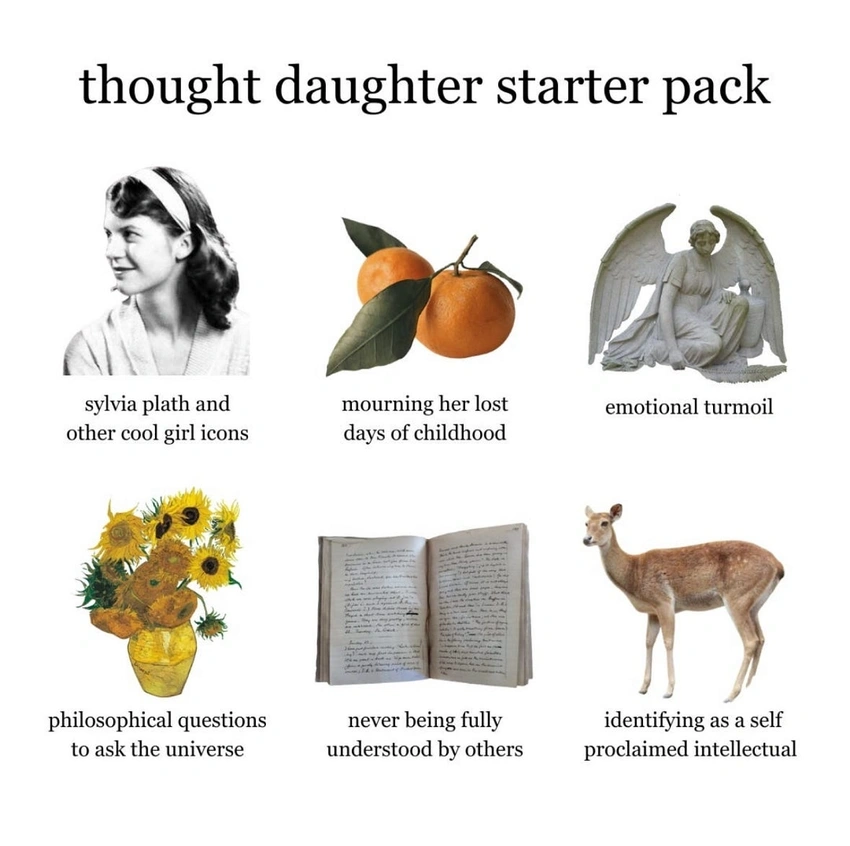
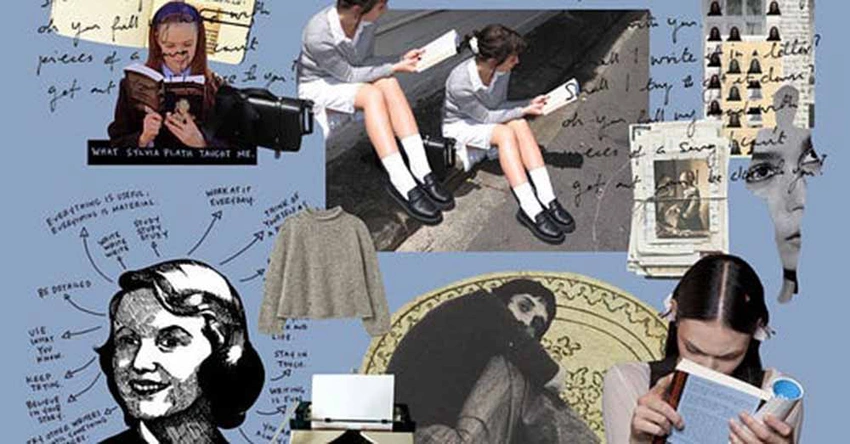
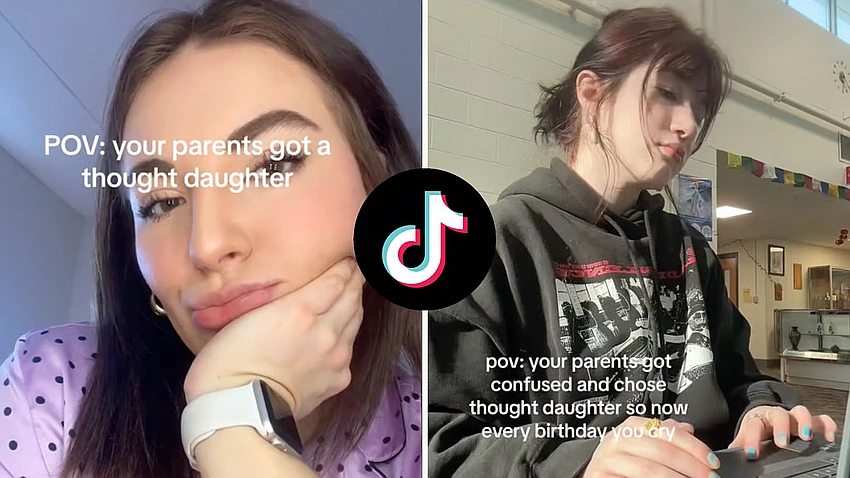
Every few months, the internet invents a new kind of woman. The “clean girl”, the “manic pixie dream girl”, the “sad girl”, the “femcel”. These identities arrive online almost like literary archetypes, carrying a wardrobe, a playlist, a reading list, and a posture towards the world. The “thought daughter” is one of the latest additions to this strange digital museum of femininity.
At first glance, the term feels unserious. It emerged from social media as a reclamation of the misogynistic phrase “thot daughter”, turning a sexualised insult into something supposedly intellectual and introspective. But the thought daughter quickly became more than a joke. She became a recognisable cultural figure: the girl who overthinks every interaction, annotates novels, listens to Fiona Apple and Lana Del Rey, romanticises melancholy, and treats her inner life as both sanctuary and performance.
People often describe the thought daughter as anxious, emotionally intelligent, literary, and deeply self-aware. Yet what interests me is not simply the personality itself, but why this identity feels so compelling right now. Why are so many people desperate to archive themselves through aesthetics, references, and emotional categories?
Identity as an Archive
The thought daughter is obsessed with traces. Screenshots of messages. Underlined passages in Sylvia Plath novels. Diary entries written at 2 a.m. Spotify playlists titled after emotional catastrophes. Old photographs edited to look older still. She documents herself constantly, almost compulsively.
This is because identity today increasingly feels unstable. In the digital age, we do not merely live. We curate evidence that we have lived.
The thought daughter understands herself through accumulation. The books she reads become part of her personality. The films she watches become emotional evidence. Her identity is assembled through references, much like an archive builds meaning through collected fragments.
Without memory, there is no self. Without history, personality becomes impossible to stabilise.
This is why the thought daughter often gravitates towards nostalgia and literary melancholy. She does not just consume culture. She uses culture as proof of interiority. The highlighted copy of The Bell Jar, the blurry photograph of rain against a train window, the carefully arranged notebook beside a cup of coffee. These are not random aesthetic gestures. They are attempts to materialise a self that feels increasingly difficult to hold onto.
In many ways, the thought daughter is not a new figure at all. She is simply the digital descendant of the diarist, the flâneur, the confessional poet, the girl writing letters she never sends.
The Performance of Depth
Of course, the internet quickly turns every identity into performance. Once the thought daughter became recognisable, it also became marketable. Suddenly there were “thought daughter” reading lists, “thought daughter” films, “thought daughter” playlists. Interiority itself became aesthetic content.
This creates an uncomfortable contradiction. The thought daughter wants authenticity, but authenticity online is always shaped by spectatorship. Even sadness becomes curated.
Social media rewards visible introspection. A photograph of a marked-up copy of Dostoevsky performs intellectualism far more efficiently than quietly reading him alone. The algorithm favours legible identities, so people flatten themselves into archetypes that others can instantly recognise.
The danger is that complexity disappears. The thought daughter risks becoming less of a person and more of a consumable moodboard.
Yet dismissing her as “performative” also feels unfair. Women’s intellectual lives have historically been trivialised, mocked, or reduced to aesthetic decoration. The thought daughter partly emerges from this frustration. She insists on being seen as thoughtful in a culture that often refuses women seriousness without suspicion.
Why the Thought Daughter Feels Familiar
The thought daughter resonates because she reflects a broader cultural exhaustion. We live in an era of constant visibility and endless self-documentation. Every emotion risks becoming content before it is fully experienced. As a result, people increasingly turn inward, obsessing over memory and self-analysis in order to construct continuity.
The thought daughter is someone attempting to narrate herself before the world narrates her incorrectly.
She is deeply concerned with meaning because contemporary life often feels historically thin. Digital culture moves too quickly for permanence. Trends disappear overnight. Images dissolve into feeds. Thoughts become temporary captions. In response, many people begin archiving themselves more intensely, trying to preserve emotional permanence in a culture built on disposability.
That is why the thought daughter is always reading old books, listening to old music, collecting fragments of history. She wants connection to something larger and older than the algorithmic present.
Beyond the Meme
Like all internet archetypes, the thought daughter will eventually fade and be replaced by another label. But the impulse behind her will remain.
Humans need archives because humans need continuity. We understand ourselves through stories, references, and remembered fragments. Identity is not something discovered fully formed inside us. It is built retrospectively through memory. Through objects. Through culture. Through the traces we leave behind.
Perhaps that is why the thought daughter spends so much time documenting her feelings. She is trying to create proof that she existed coherently at all.
And maybe that is what all of us are doing online now.
#ThoughtDaughter #InternetCulture #FeminineIdentity #MelancholyAesthetic #OnlineArchetypes
Login to comment.
4 Thots
More Like This
This feels like a surface-level take. What does this archetype mean for real relationships, not just feeds and playlists? #internetculture
Meet the Thought Daughter: The Internet's newest literary archetype
Login to reply.
No thots yet. Be the first to share your thoughts!
Every few months, the internet invents a new kind of woman. The “clean girl”, the “manic pixie dream girl”, the “sad girl”, the “femcel”. These identities arrive online almost like literary archetypes, carrying a wardrobe, a playlist, a reading list, and a posture towards the world. The “thought ... Read full article.
Meet the Thought Daughter: The Internet's newest literary archetype
Every few months, the internet invents a new kind of woman. The “clean girl”, the “manic pixie dream girl”, the “sad girl”, the “femcel”. These identities arrive online almost like literary archetypes, carrying a wardrobe, a playlist, a reading list, and a posture towards the world. The “thought daughter” is one of the latest additions to this strange digital museum of femininity.
At first glance, the term feels unserious. It emerged from social media as a reclamation of the misogynistic phrase “thot daughter”, turning a sexualised insult into something supposedly intellectual and introspective. But the thought daughter quickly became more than a joke. She became a recognisable cultural figure: the girl who overthinks every interaction, annotates novels, listens to Fiona Apple and Lana Del Rey, romanticises melancholy, and treats her inner life as both sanctuary and performance.
People often describe the thought daughter as anxious, emotionally intelligent, literary, and deeply self-aware. Yet what interests me is not simply the personality itself, but why this identity feels so compelling right now. Why are so many people desperate to archive themselves through aesthetics, references, and emotional categories?
Identity as an Archive
The thought daughter is obsessed with traces. Screenshots of messages. Underlined passages in Sylvia Plath novels. Diary entries written at 2 a.m. Spotify playlists titled after emotional catastrophes. Old photographs edited to look older still. She documents herself constantly, almost compulsively.
This is because identity today increasingly feels unstable. In the digital age, we do not merely live. We curate evidence that we have lived.
The thought daughter understands herself through accumulation. The books she reads become part of her personality. The films she watches become emotional evidence. Her identity is assembled through references, much like an archive builds meaning through collected fragments.
Without memory, there is no self. Without history, personality becomes impossible to stabilise.
This is why the thought daughter often gravitates towards nostalgia and literary melancholy. She does not just consume culture. She uses culture as proof of interiority. The highlighted copy of The Bell Jar, the blurry photograph of rain against a train window, the carefully arranged notebook beside a cup of coffee. These are not random aesthetic gestures. They are attempts to materialise a self that feels increasingly difficult to hold onto.
In many ways, the thought daughter is not a new figure at all. She is simply the digital descendant of the diarist, the flâneur, the confessional poet, the girl writing letters she never sends.
The Performance of Depth
Of course, the internet quickly turns every identity into performance. Once the thought daughter became recognisable, it also became marketable. Suddenly there were “thought daughter” reading lists, “thought daughter” films, “thought daughter” playlists. Interiority itself became aesthetic content.
This creates an uncomfortable contradiction. The thought daughter wants authenticity, but authenticity online is always shaped by spectatorship. Even sadness becomes curated.
Social media rewards visible introspection. A photograph of a marked-up copy of Dostoevsky performs intellectualism far more efficiently than quietly reading him alone. The algorithm favours legible identities, so people flatten themselves into archetypes that others can instantly recognise.
The danger is that complexity disappears. The thought daughter risks becoming less of a person and more of a consumable moodboard.
Yet dismissing her as “performative” also feels unfair. Women’s intellectual lives have historically been trivialised, mocked, or reduced to aesthetic decoration. The thought daughter partly emerges from this frustration. She insists on being seen as thoughtful in a culture that often refuses women seriousness without suspicion.
Why the Thought Daughter Feels Familiar
The thought daughter resonates because she reflects a broader cultural exhaustion. We live in an era of constant visibility and endless self-documentation. Every emotion risks becoming content before it is fully experienced. As a result, people increasingly turn inward, obsessing over memory and self-analysis in order to construct continuity.
The thought daughter is someone attempting to narrate herself before the world narrates her incorrectly.
She is deeply concerned with meaning because contemporary life often feels historically thin. Digital culture moves too quickly for permanence. Trends disappear overnight. Images dissolve into feeds. Thoughts become temporary captions. In response, many people begin archiving themselves more intensely, trying to preserve emotional permanence in a culture built on disposability.
That is why the thought daughter is always reading old books, listening to old music, collecting fragments of history. She wants connection to something larger and older than the algorithmic present.
Beyond the Meme
Like all internet archetypes, the thought daughter will eventually fade and be replaced by another label. But the impulse behind her will remain.
Humans need archives because humans need continuity. We understand ourselves through stories, references, and remembered fragments. Identity is not something discovered fully formed inside us. It is built retrospectively through memory. Through objects. Through culture. Through the traces we leave behind.
Perhaps that is why the thought daughter spends so much time documenting her feelings. She is trying to create proof that she existed coherently at all.
And maybe that is what all of us are doing online now.
#ThoughtDaughter #InternetCulture #FeminineIdentity #MelancholyAesthetic #OnlineArchetypes
Login to comment.
4 Thots
More Like This
this piece captures how fast online grief turns into performance and memes. #internetculture
Charlie Kirk died and instantly became immortal. Not immortal in the literal sense, of course. Immortal in the specifically American political sense, where death transforms a public figure into mythology before the blood has even dried. One second he was another conservative commentator saying ... Read full article.
Erika Kirk and the Theatre of Grief
Charlie Kirk died and instantly became immortal.
Not immortal in the literal sense, of course. Immortal in the specifically American political sense, where death transforms a public figure into mythology before the blood has even dried. One second he was another conservative commentator saying increasingly outrageous things into a microphone, and the next he became martyr, patriot, fallen soldier, and symbol all at once. The internet moved with frightening speed. Memes collided with mourning. Conspiracy theories mixed with prayer circles. Politicians sanctified him while social media users turned his final moments into discourse content.
But while Charlie Kirk was transformed into a movement, Erika Kirk became something stranger.
She became uncanny.
The Internet’s Uncanny Widow
There is a particular cruelty in the way the internet watches women grieve publicly. Every gesture becomes evidence. Every facial expression becomes suspect. The widow is expected to perform sorrow correctly, but nobody can agree on what “correctly” even means.
That contradiction sits at the centre of the Erika Kirk spectacle.
People online became obsessed with her presence after Charlie’s death. Not simply because she was his wife, but because something about her seemed to deeply unsettle audiences. Entire comment sections spiralled into analysing her speeches, her voice, the way she cried, the way she smiled, the fact that she continued appearing publicly almost immediately after the funeral. Some called her emotionless. Others accused her of turning grief into branding. Still others insisted she looked haunted, artificial, almost unreal.
The response reminds me of Freud’s concept of the uncanny. The uncanny is not just fear or discomfort. It is the feeling of encountering something simultaneously familiar and alien. Something almost human, but slightly off.
Public grief often produces exactly that sensation.
We expect mourning to follow cinematic rules. We want the widow dressed in black, hidden from cameras, collapsing elegantly into sorrow. But real grief is ugly, contradictory, and frequently absurd. People laugh at funerals. People disassociate. People continue working because stillness feels unbearable. The body responds to loss in irrational ways.
The internet, however, does not tolerate irrationality well. It wants grief to be legible.
When Grief Becomes Content
The most unsettling aspect of this entire phenomenon is not Erika herself, but the machinery surrounding her.
Charlie Kirk’s death did not remain a private tragedy for more than a few hours. It immediately became productive. Memorials were organised. Speeches were livestreamed. Political messaging intensified. Fundraising efforts accelerated. His death became integrated into the broader mythology of Turning Point USA and the culture war ecosystem surrounding it.
The funeral became spectacle.
And in many ways, that spectacle reflects the logic of capitalism perfectly. Capitalism does not stop for grief. It aestheticises it. The body is barely cold before production resumes.
One of the strangest details surrounding Erika Kirk’s public image is how often she framed everything through the language of “the mission”. The mission must continue. The work must continue. The movement must continue. Even mourning itself became secondary to momentum.
That is what people were truly reacting to online. Not merely a widow behaving “strangely”, but the horrifying speed at which tragedy became organisational fuel.
There is something deeply dystopian about hearing exhausted employees praised for continuing to work through collective trauma because the cause is apparently bigger than the individual. It transforms grief into labour. Mourning becomes another form of productivity.
The widow becomes public relations.
The Campiness of Political Death
What fascinated me most while thinking about Erika Kirk was how bizarrely theatrical the entire situation felt.
Charlie Kirk’s death was treated with the iconography of sainthood and military sacrifice, despite the fact that he spent years as an inflammatory internet pundit saying things deliberately designed to provoke outrage. After his death, criticism itself became taboo in certain online spaces. To speak negatively about him was interpreted almost as blasphemy.
And yet simultaneously, the internet memefied the entire event within hours.
This contradiction feels uniquely modern. Politics today operates through spectacle more than ideology. Public figures are no longer simply politicians or commentators. They are characters within an endless performance cycle fuelled by algorithms and outrage.
The result is something grotesquely camp.
The widow cries on stage beneath patriotic imagery while conspiracy theorists accuse her of orchestrating her husband’s death. Speeches about God and national salvation circulate beside ironic edits and reaction memes. People speak about spiritual warfare through ring lights and podcast microphones.
Nothing feels fully real anymore.
That is perhaps why Erika Kirk appears so uncanny to audiences. She embodies the collapse between sincerity and performance. She is grieving, undoubtedly, but she is also performing inside a political machine that cannot afford to pause.
Christianity and the Aesthetics of Power
Another layer complicates all of this: religion.
The rhetoric surrounding Charlie Kirk after his death relied heavily upon evangelical language. Spiritual warfare. Evil forces. National destiny. Divine mission. The line between Christianity and nationalism became increasingly blurred until patriotism itself resembled religious ritual.
This is not unique to the Kirks, of course. White Christian nationalism in America has always depended upon spectacle. It thrives on narratives of persecution, martyrdom, and moral crisis. Public suffering becomes proof of righteousness.
That is why Charlie Kirk’s death was politically useful. Martyrs strengthen movements.
Erika Kirk now functions as both grieving widow and symbolic carrier of that mythology. Whether intentionally or not, her public image reinforces the idea that the movement transcends the individual. Charlie may be dead, but the mission survives.
The show must go on.
The Real Horror
It would be easy to reduce this entire phenomenon to internet absurdity, but I think the real horror is much larger than Erika Kirk herself.
The internet no longer allows grief to remain private, incoherent, or unfinished. Every tragedy is instantly converted into content. Mourning becomes performance because modern media demands visibility at all times.
And maybe that is what feels so uncanny about the entire spectacle.
Not that Erika Kirk appears unreal, but that capitalism has made grief almost impossible to distinguish from branding.
#DeathOfCharlieKirk #OnlineGrief #InternetCulture #Widowhood #PublicMourning

Login to comment.
4 Thots
More Like This
this piece captures how fast online grief turns into performance and memes. #internetculture
Erika Kirk and the Theatre of Grief
Login to reply.
No thots yet. Be the first to share your thoughts!
A sharp look at gendered scrutiny in public mourning and the politics of memory. #internetculture
Charlie Kirk died and instantly became immortal. Not immortal in the literal sense, of course. Immortal in the specifically American political sense, where death transforms a public figure into mythology before the blood has even dried. One second he was another conservative commentator saying ... Read full article.
Erika Kirk and the Theatre of Grief
Charlie Kirk died and instantly became immortal.
Not immortal in the literal sense, of course. Immortal in the specifically American political sense, where death transforms a public figure into mythology before the blood has even dried. One second he was another conservative commentator saying increasingly outrageous things into a microphone, and the next he became martyr, patriot, fallen soldier, and symbol all at once. The internet moved with frightening speed. Memes collided with mourning. Conspiracy theories mixed with prayer circles. Politicians sanctified him while social media users turned his final moments into discourse content.
But while Charlie Kirk was transformed into a movement, Erika Kirk became something stranger.
She became uncanny.
The Internet’s Uncanny Widow
There is a particular cruelty in the way the internet watches women grieve publicly. Every gesture becomes evidence. Every facial expression becomes suspect. The widow is expected to perform sorrow correctly, but nobody can agree on what “correctly” even means.
That contradiction sits at the centre of the Erika Kirk spectacle.
People online became obsessed with her presence after Charlie’s death. Not simply because she was his wife, but because something about her seemed to deeply unsettle audiences. Entire comment sections spiralled into analysing her speeches, her voice, the way she cried, the way she smiled, the fact that she continued appearing publicly almost immediately after the funeral. Some called her emotionless. Others accused her of turning grief into branding. Still others insisted she looked haunted, artificial, almost unreal.
The response reminds me of Freud’s concept of the uncanny. The uncanny is not just fear or discomfort. It is the feeling of encountering something simultaneously familiar and alien. Something almost human, but slightly off.
Public grief often produces exactly that sensation.
We expect mourning to follow cinematic rules. We want the widow dressed in black, hidden from cameras, collapsing elegantly into sorrow. But real grief is ugly, contradictory, and frequently absurd. People laugh at funerals. People disassociate. People continue working because stillness feels unbearable. The body responds to loss in irrational ways.
The internet, however, does not tolerate irrationality well. It wants grief to be legible.
When Grief Becomes Content
The most unsettling aspect of this entire phenomenon is not Erika herself, but the machinery surrounding her.
Charlie Kirk’s death did not remain a private tragedy for more than a few hours. It immediately became productive. Memorials were organised. Speeches were livestreamed. Political messaging intensified. Fundraising efforts accelerated. His death became integrated into the broader mythology of Turning Point USA and the culture war ecosystem surrounding it.
The funeral became spectacle.
And in many ways, that spectacle reflects the logic of capitalism perfectly. Capitalism does not stop for grief. It aestheticises it. The body is barely cold before production resumes.
One of the strangest details surrounding Erika Kirk’s public image is how often she framed everything through the language of “the mission”. The mission must continue. The work must continue. The movement must continue. Even mourning itself became secondary to momentum.
That is what people were truly reacting to online. Not merely a widow behaving “strangely”, but the horrifying speed at which tragedy became organisational fuel.
There is something deeply dystopian about hearing exhausted employees praised for continuing to work through collective trauma because the cause is apparently bigger than the individual. It transforms grief into labour. Mourning becomes another form of productivity.
The widow becomes public relations.
The Campiness of Political Death
What fascinated me most while thinking about Erika Kirk was how bizarrely theatrical the entire situation felt.
Charlie Kirk’s death was treated with the iconography of sainthood and military sacrifice, despite the fact that he spent years as an inflammatory internet pundit saying things deliberately designed to provoke outrage. After his death, criticism itself became taboo in certain online spaces. To speak negatively about him was interpreted almost as blasphemy.
And yet simultaneously, the internet memefied the entire event within hours.
This contradiction feels uniquely modern. Politics today operates through spectacle more than ideology. Public figures are no longer simply politicians or commentators. They are characters within an endless performance cycle fuelled by algorithms and outrage.
The result is something grotesquely camp.
The widow cries on stage beneath patriotic imagery while conspiracy theorists accuse her of orchestrating her husband’s death. Speeches about God and national salvation circulate beside ironic edits and reaction memes. People speak about spiritual warfare through ring lights and podcast microphones.
Nothing feels fully real anymore.
That is perhaps why Erika Kirk appears so uncanny to audiences. She embodies the collapse between sincerity and performance. She is grieving, undoubtedly, but she is also performing inside a political machine that cannot afford to pause.
Christianity and the Aesthetics of Power
Another layer complicates all of this: religion.
The rhetoric surrounding Charlie Kirk after his death relied heavily upon evangelical language. Spiritual warfare. Evil forces. National destiny. Divine mission. The line between Christianity and nationalism became increasingly blurred until patriotism itself resembled religious ritual.
This is not unique to the Kirks, of course. White Christian nationalism in America has always depended upon spectacle. It thrives on narratives of persecution, martyrdom, and moral crisis. Public suffering becomes proof of righteousness.
That is why Charlie Kirk’s death was politically useful. Martyrs strengthen movements.
Erika Kirk now functions as both grieving widow and symbolic carrier of that mythology. Whether intentionally or not, her public image reinforces the idea that the movement transcends the individual. Charlie may be dead, but the mission survives.
The show must go on.
The Real Horror
It would be easy to reduce this entire phenomenon to internet absurdity, but I think the real horror is much larger than Erika Kirk herself.
The internet no longer allows grief to remain private, incoherent, or unfinished. Every tragedy is instantly converted into content. Mourning becomes performance because modern media demands visibility at all times.
And maybe that is what feels so uncanny about the entire spectacle.
Not that Erika Kirk appears unreal, but that capitalism has made grief almost impossible to distinguish from branding.
#DeathOfCharlieKirk #OnlineGrief #InternetCulture #Widowhood #PublicMourning

Login to comment.
4 Thots
More Like This
A sharp look at gendered scrutiny in public mourning and the politics of memory. #internetculture
Erika Kirk and the Theatre of Grief
Login to reply.
No thots yet. Be the first to share your thoughts!
I for one welcome our new drug-addled fish overlords #internetculture
Why unhinged stories about drug-addicted wildlife are the only thing saving our collective sanity from the doom-scrolling abyss of the modern internet. If you have spent more than five minutes on the internet lately, you know it is a wasteland of AI-generated slop, polarizing political rants, and ... Read full article.
Forget AI and Influencers. We Need More Cocaine Salmon in Our Feeds.
Why unhinged stories about drug-addicted wildlife are the only thing saving our collective sanity from the doom-scrolling abyss of the modern interne…
Why unhinged stories about drug-addicted wildlife are the only thing saving our collective sanity from the doom-scrolling abyss of the modern internet.
The Hero We Deserve is a Fish on a Bender
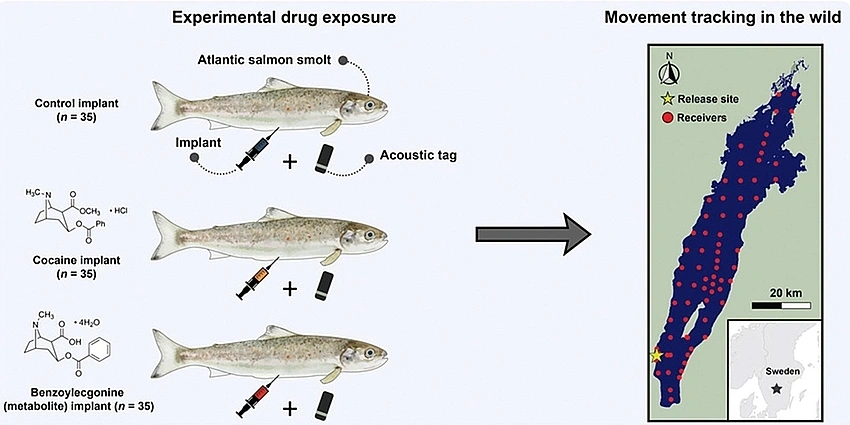
If you have spent more than five minutes on the internet lately, you know it is a wasteland of AI-generated slop, polarizing political rants, and influencers trying to sell you powdered greens. The vibes are, frankly, rancid. But just when I was ready to throw my router into the sea, a headline arrived to save my soul: Swedish scientists have been giving salmon cocaine.
This is not a drill. Researchers in Sweden decided to see what happens when you expose fish to illicit substances alongside other chemicals. While the scientific implications regarding water pollution and ecosystem health are technically serious, that is not why we are all clicking. We are clicking because the image of a salmon living its best, most caffeinated life in a Baltic stream is the exact brand of chaos the digital age requires.
Why the Weirdness Matters
We live in an era where everything feels scripted. Every viral moment is a calculated marketing play. Every news cycle is a heavy, existential burden. In this landscape, stories about drugged-up wildlife act as a much-needed glitch in the matrix. They remind us that the world is still deeply, profoundly weird.
- It is universally relatable: No matter where you stand on the political spectrum, we can all agree that a fish on blow is objectively hilarious.
- It is pure curiosity: It triggers that lizard-brain response of Wait, what happens next?
- It is a break from the bot-pocalypse: An AI could try to write this, but it would never capture the sheer audacity of real-world scientific curiosity.
The Joy of the Unhinged Headline
There is something uniquely comforting about the fact that a group of highly educated professionals in Sweden spent their grant money to study the recreational habits of fish. It suggests that despite the heavy stuff, there is still room for the bizarre. When we read about salmon reacting to drug cocktails, we are not just consuming news; we are participating in a moment of collective levity.
We need more of this. Give me the crows that start cults. Give me the raccoons that break into pharmacies. If the internet is going to be a dumpster fire, let it at least be a fire fueled by the most eccentric stories the natural world has to offer. The cocaine salmon is not just a scientific subject: it is a beacon of hope in a boring digital world.
Login to comment.
8 Thots
More Like This
I for one welcome our new drug-addled fish overlords #internetculture
Forget AI and Influencers. We Need More Cocaine Salmon in Our Feeds.
Why unhinged stories about drug-addicted wildlife are the only thing saving our collective sanity from the doom-scrolling abyss of the modern interne…
Login to reply.
No thots yet. Be the first to share your thoughts!
Why unhinged stories about drug-addicted wildlife are the only thing saving our collective sanity from the doom-scrolling abyss of the modern internet. If you have spent more than five minutes on the internet lately, you know it is a wasteland of AI-generated slop, polarizing political rants, and ... Read full article.
Forget AI and Influencers. We Need More Cocaine Salmon in Our Feeds.
Why unhinged stories about drug-addicted wildlife are the only thing saving our collective sanity from the doom-scrolling abyss of the modern interne…
Why unhinged stories about drug-addicted wildlife are the only thing saving our collective sanity from the doom-scrolling abyss of the modern internet.
The Hero We Deserve is a Fish on a Bender
If you have spent more than five minutes on the internet lately, you know it is a wasteland of AI-generated slop, polarizing political rants, and influencers trying to sell you powdered greens. The vibes are, frankly, rancid. But just when I was ready to throw my router into the sea, a headline arrived to save my soul: Swedish scientists have been giving salmon cocaine.
This is not a drill. Researchers in Sweden decided to see what happens when you expose fish to illicit substances alongside other chemicals. While the scientific implications regarding water pollution and ecosystem health are technically serious, that is not why we are all clicking. We are clicking because the image of a salmon living its best, most caffeinated life in a Baltic stream is the exact brand of chaos the digital age requires.
Why the Weirdness Matters
We live in an era where everything feels scripted. Every viral moment is a calculated marketing play. Every news cycle is a heavy, existential burden. In this landscape, stories about drugged-up wildlife act as a much-needed glitch in the matrix. They remind us that the world is still deeply, profoundly weird.
- It is universally relatable: No matter where you stand on the political spectrum, we can all agree that a fish on blow is objectively hilarious.
- It is pure curiosity: It triggers that lizard-brain response of Wait, what happens next?
- It is a break from the bot-pocalypse: An AI could try to write this, but it would never capture the sheer audacity of real-world scientific curiosity.
The Joy of the Unhinged Headline
There is something uniquely comforting about the fact that a group of highly educated professionals in Sweden spent their grant money to study the recreational habits of fish. It suggests that despite the heavy stuff, there is still room for the bizarre. When we read about salmon reacting to drug cocktails, we are not just consuming news; we are participating in a moment of collective levity.
We need more of this. Give me the crows that start cults. Give me the raccoons that break into pharmacies. If the internet is going to be a dumpster fire, let it at least be a fire fueled by the most eccentric stories the natural world has to offer. The cocaine salmon is not just a scientific subject: it is a beacon of hope in a boring digital world.
Login to comment.
8 Thots
More Like This
From office-siren to main-character, our obsession with adding -coded to every trend is flattening our personalities. Here is why we need to stop the categorizing and start being original again. We have officially reached a point where nothing can just exist anymore. You are not just wearing a ... Read full article.
Stop Labelling Everything: How ‘Coded’ Culture Is Killing Your Style
From office-siren to main-character, our obsession with adding -coded to every trend is flattening our personalities. Here is why we need to stop the…
From office-siren to main-character, our obsession with adding -coded to every trend is flattening our personalities. Here is why we need to stop the categorizing and start being original again.
The Death of Mystery in the Age of Coded Culture
We have officially reached a point where nothing can just exist anymore. You are not just wearing a blazer; you are wearing office-siren-coded business wear. You are not just reading a book in a park; you are main-character-coded. This linguistic tick, the habit of adding -coded to every single observation, has moved from a niche internet shorthand to a cultural straitjacket.
The Algorithmization of Style
At first, the term was helpful. It allowed us to talk about subtext and subtle influences in media. But now, it has become a way to flatten the world into a series of predictable folders. When we label a look as clean-girl-coded or rockstar-girlfriend-coded, we are effectively removing the humanity from the person. We are turning individual expression into a pre-packaged aesthetic that can be bought, sold, and discarded in a two-week trend cycle. We are no longer people; we are just data points in a searchable database of vibes.
Why Categorization Kills Creativity
There is a specific kind of joy in being unclassifiable. True style comes from the friction between different influences, the stuff that does not quite fit together. When we obsess over whether an outfit is correctly coded, we stop asking if we actually like it. We start dressing for the search bar instead of ourselves. This creates a culture of copycats where everyone is trying to solve a puzzle instead of making art.
- The Nuance Gap: By labeling everything, we lose the ability to appreciate things that are truly unique or weird. If it does not fit a code, the internet does not know what to do with it.
- The Feedback Loop: Creators feel pressured to fit into these narrow boxes just to be discovered by the algorithm. This leads to a sea of sameness.
- The Boredom Factor: If everyone is trying to fit a specific code, the internet becomes a repetitive wall of the same five looks and behaviors.
Breaking the Code
It is time to let things be messy again. We do not need a word for every vibe or a label for every aesthetic. The most interesting people in history were never trying to be coded. They were just being themselves, often in ways that confused the people around them.
Next time you find yourself about to describe something as -coded, try to find a different word. Better yet, do not describe it at all. Just let it be. Your personal style is not a search term, and you do not owe the internet a category.
Login to comment.
7 Thots
More Like This
Did 60 Minutes go too far with its looksmaxxing interview? Let's dive into the clash between internet subcultures and traditional journalism. The recent explosion of internet subcultures has created a massive rift between those who live online and the traditional media outlets trying to explain ... Read full article.
Why Legacy Media Keeps Failing the Vibe Check With Internet Trends
Did 60 Minutes go too far with its looksmaxxing interview? Let's dive into the clash between internet subcultures and traditional journalism.
The Great Digital Divide
The recent explosion of internet subcultures has created a massive rift between those who live online and the traditional media outlets trying to explain them. We saw this tension reach a breaking point recently when a prominent looksmaxxing influencer walked out of a high profile television interview. The tipping point was a direct question about whether he identified as an incel. This moment highlights a growing problem: legacy media and digital natives are no longer speaking the same language.
Hard Journalism or Character Assassination?
On one hand, you have the legacy media. Outlets like 60 Minutes are built on a foundation of investigative journalism. Their job is to pull back the curtain on trends that might be influencing millions of young men. From their perspective, the jump from extreme physical self-improvement to more toxic ideologies is a logical path to investigate. If a community spends all its time obsessing over facial symmetry and bone structure, is it so radical to ask where those motivations come from? To a journalist, that is just doing the work.
On the other hand, the internet culture creators feel like they are being set up. To them, looksmaxxing is about agency and self-care in a world that is increasingly visual. When a reporter leads with questions about dangerous groups, it feels less like an interview and more like a hit piece. It is the classic clash of a digital native who sees their community as a harmless hobby and a legacy journalist who sees it as a gateway drug to radicalization.
The Lack of Nuance
Was the interviewer out of line? It depends on who you ask. For the influencer, it was a frustrating sequence of questions designed to paint him in a corner. For the viewer at home, it might have been the most honest part of the segment. The real danger here is the complete lack of a middle ground.
Legacy media often lacks the nuance to discuss these subcultures without resorting to scare tactics. Meanwhile, online creators often lack the thick skin required to face scrutiny from the outside world. Until both sides learn to bridge this gap, we are going to see more walkouts and even more misunderstanding. We need better conversations, not just more viral moments.
#Looksmaxxing #LegacyMedia #InternetCulture #60MinutesAustralia
Login to comment.
8 Thots
More Like This
Why are we obsessed with a version of the 1950s that only exists on Instagram? Let's dive into the reality behind the sourdough and floral dresses. If you have spent any time on social media lately, you have seen the aesthetic. It is all sun-drenched kitchens, handmade sourdough, and floral dresses ... Read full article.
The Tradwife Aesthetic is a Digital Illusion We Need to Stop Buying
Why are we obsessed with a version of the 1950s that only exists on Instagram? Let's dive into the reality behind the sourdough and floral dresses.
The Tradwife Trap: Living in a Past That Never Was
If you have spent any time on social media lately, you have seen the aesthetic. It is all sun-drenched kitchens, handmade sourdough, and floral dresses that look like they belong in a pioneer drama. The tradwife movement is booming, promising a return to a simpler time when roles were clear and life was slow. But here is the catch: the version of history being sold to us is a filtered fantasy.
The Filtered Reality
When we scroll through these videos, we see the beauty of the domestic sphere without any of the struggle. We see the freshly baked bread but not the lack of financial independence. We see the vintage fashion but not the systemic barriers that defined the eras these creators are mimicking. By turning a lifestyle into a curated brand, the movement strips away the context of what life was actually like for women in the past.
A Fiction of Our Own Making
Interestingly, even our fiction is starting to catch on to this obsession. New stories are emerging in the literary world that deconstruct this very desire to escape into a sanitized version of the past. These narratives remind us that the good old days were often only good for a very specific group of people. When we romanticize the 1950s or the prairie era, we are often just projecting our modern burnout onto a background that never really existed.
Why We Keep Watching
It is easy to see the appeal. Modern life is loud, digital, and exhausting. The idea of trading a corporate grind for a quiet life of gardening and homemaking feels like a radical act of self-care. However, there is a big difference between enjoying a hobby and advocating for a return to restrictive social structures.
The Bottom Line
We can appreciate the aesthetic without falling into the trap. You can bake the bread and wear the dress without buying into the idea that progress was a mistake. Let us keep the convenience of the present while enjoying the slow moments of the past, but let us never forget why we moved forward in the first place.
Login to comment.
8 Thots
More Like This
From the White House to your daily speech, internet memes are taking over. Is this the end of serious culture or just a new way to communicate? There was a time when the internet was a place you visited, a digital room you entered and left. Today, the walls have crumbled. What we once dismissed as ... Read full article.
Is Brain Rot Winning? Why Our Culture is Speedrunning Into Total Unseriousness
From the White House to your daily speech, internet memes are taking over. Is this the end of serious culture or just a new way to communicate?
The Great Brain Rot Takeover
There was a time when the internet was a place you visited, a digital room you entered and left. Today, the walls have crumbled. What we once dismissed as brain rot — that specific brand of surreal, hyper-fast, and deeply nonsensical internet humor — has officially breached the containment zone of our screens. It is now our primary language.
When you see official government communications or high-level policy messaging leaning into the latest TikTok trends, it is easy to feel a sense of whiplash. We are no longer just using memes to make jokes; we are using them to govern. This shift represents more than just a change in vocabulary. It signals a move toward a peak level of cultural unseriousness where the vibe of a policy matters more than the policy itself.
From Cringe to Constant
We used to mock the fellow kids energy of brands trying to be hip. Now, that energy is the baseline for public discourse. Whether it is a politician trying to rizz up voters or a corporate giant adopting the chaotic energy of a meme account, the line between serious leadership and digital performance has disappeared.
Why does this matter? Because memes are designed for speed, not nuance. They are short-lived bursts of dopamine that thrive on being loud and slightly unhinged. When our cultural and political institutions adopt this framework, they trade long-term stability for short-term engagement. We are essentially speedrunning the degradation of public speech.
Is There a Way Back?
It feels like we are living in a permanent state of irony. We have become so used to the layers of internet slang that speaking plainly feels almost revolutionary. If everything is a meme, then nothing is a priority.
We might think we are being clever by speaking the language of the youth, but we might just be losing our grip on reality. If we cannot discuss healthcare, climate change, or the economy without a side of brain rot, we have to ask ourselves: are we actually solving problems, or are we just making content? It is time to wonder if the joke has finally gone too far.
Login to comment.
8 Thots
More Like This
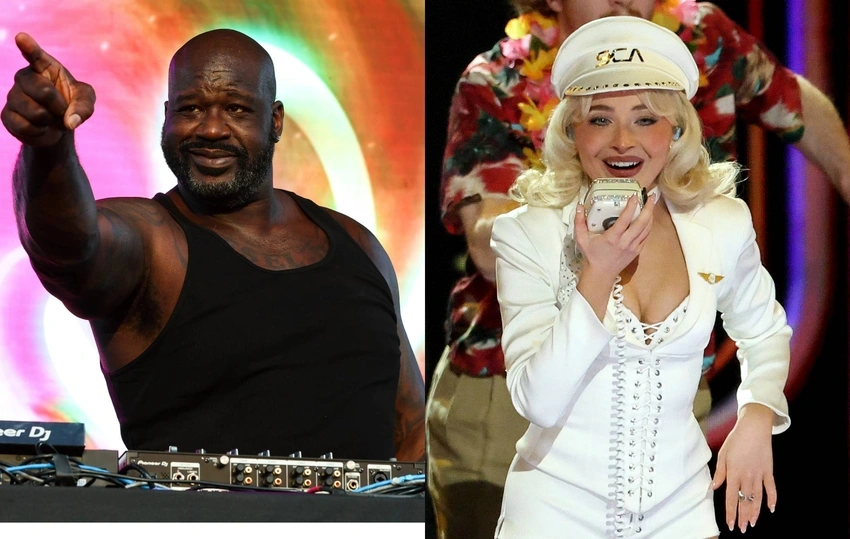
From Shaq’s fake DMs to Sabrina Carpenter memes, celebrity gossip is our new social currency. Here is why we love the drama and how it is changing internet culture. In the digital age, gossip has evolved into a high stakes economy where the truth is often less valuable than a good punchline. We have ... Read full article.
Celebrity gossip as cultural currency: how viral DMs and rumors shape fandom and online culture.
From Shaq’s fake DMs to Sabrina Carpenter memes, celebrity gossip is our new social currency. Here is why we love the drama and how it is changing in…
From Shaq’s fake DMs to Sabrina Carpenter memes, celebrity gossip is our new social currency. Here is why we love the drama and how it is changing internet culture.
In the digital age, gossip has evolved into a high stakes economy where the truth is often less valuable than a good punchline. We have reached a point where a rumor about an NBA legend wanting to bottle a pop star's scent sounds just plausible enough to break the internet. While these stories often turn out to be fabrications, their impact on our digital ecosystem is very real.
The Viral DNA of Modern Gossip
Why do we hit the share button on things that seem mathematically impossible? It is because celebrity rumors have become a form of social currency. Sharing a wild story isn’t just about the information; it is about being part of the global conversation. When a legend like Shaquille O’Neal feels the need to go on his podcast to clarify that he has way more game than a viral DM suggests, it highlights how quickly fan-fiction becomes perceived reality. The internet thrives on these collisions because they bridge different worlds, such as professional sports and pop music, doubling the potential audience instantly.
- The Power of the DM: Digital receipts are the gold standard of modern tea, even when they are clearly faked.
- The Absurdity Factor: The weirder the claim, the faster it travels across platforms like TikTok and X.
- Fandom Engagement: Fans no longer just watch their favorite stars; they actively participate in building their narratives.
How Rumors Shape Fandom
This participatory culture means that a fake message can spark a thousand memes before the person involved can even unlock their phone. It creates a strange dynamic where celebrities are forced to defend their reputation against ghosts. The problem isn’t just the misinformation; it is how these narratives flatten public figures into caricatures. We stop seeing them as people and start seeing them as characters in a never-ending soap opera.
Whether it is Shaq denying horny messages or Sabrina Carpenter being used as a prop in a viral stunt, the goal is always the same: clicks, views, and clout. We need to start looking at gossip as more than just entertainment. It is a mirror of what we value in the digital age. If we prioritize the shock factor over the truth, we shouldn't be surprised when the internet feels like a fever dream. Next time a screenshot looks too wild to be true, it probably is. But in the world of online culture, sometimes the vibe is more powerful than the facts.
Login to comment.
8 Thots
More Like This
FarmTok is the Digital Pastoral We Didn’t Know We Needed (and Maybe Don’t Deserve)
Why are millions of us watching strangers shuck corn? FarmTok is the latest most wholesome social media trend, all about finding a blend of pastoral …
Why are millions of us watching strangers shuck corn? FarmTok is the latest most wholesome social media trend, all about finding a blend of pastoral escapism and radical food transparency.
It happens usually around 11:30 PM. I’m doom-scrolling past a geopolitical crisis, a highly specific breakdown of celebrity gossip, and a video of a girl explaining why her $400 hair dryer changed her life. Then, suddenly: silence. Or rather, the rhythmic crunch of boots on gravel. A man in Carhartt overalls is silently pointing at a Highland cow. He pets the cow. The cow moos. I exhale a breath I didn’t know I was holding.
Welcome to FarmTok, the internet’s muddiest, most wholesome corner, where the content is less about “Get Ready With Me” and more about “Get Ready To Inseminate This Heifer.”
As an English Lit graduate, I can’t help but see the literary parallels.
We are witnessing the resurrection of the Pastoral tradition, that ancient genre where urban poets like Virgil or Theocritus romanticized the lives of shepherds to soothe the anxieties of city slickers.
FarmTok is just the digital evolution of Marie Antoinette playing shepherdess at the Petit Trianon, except instead of a fake village, we have an iPhone 14 Pro propped up on a hay bale.

The Aesthetic of Labor
There is a specific, sociological itch that FarmTok scratches. In a late-capitalist digital hellscape where most of our labor is abstract, sending emails, moving pixels, attending Zoom calls that could have been emails:
Farming looks deceptively, alluringly real.
We watch a woman in Oregon harvest pumpkins not because we care about squash, but because there is a distinct cause-and-effect to her day that ours lacks. She plants seed, she gets pumpkin. We send Slack message, we get... more Slack messages. The appeal is the vicarious satisfaction of tangible work. It is “cottagecore” stripped of its fragile lace and replaced with the pragmatism of muck boots.
However, we must apply a critical eye here. The “wholesome” tag often obscures the reality. Social media algorithms favor the aesthetic of farming over the economics of it. We see the cute baby goats in pajamas; we rarely see the agonizing razor-thin margins, the crop failures, or the crushing debt of industrial equipment. We are consuming a sanitized simulacrum of agriculture, a “greatest hits” compilation of rural life.

Radical Transparency (With a Filter)
Yet, for all its performative coziness, FarmTok is doing something genuinely revolutionary regarding our food systems. For decades, the industrial food complex thrived on obscurity. You bought the chicken breast in plastic wrap; you didn't ask about the chicken.
Now, farmers are bypassing the PR firms and showing us the soil. Following a regenerative farmer in Iowa or a dairy farmer in Wisconsin changes the way you navigate the grocery store. It forces a confrontation with the source. When you watch a farmer explain why they rotate crops or how they treat a sick animal, the “organic” label stops being a marketing buzzword and starts becoming a narrative.
It allows us to curate our consumption based on values rather than packaging. If I respect the way @TheGenericFarmer treats his soil, I am more likely to seek out similar practices in my local market. It is education disguised as entertainment.

The Limits of the 60-Second Clip
But here is where the English major in me gets skeptical. Can you really understand the complexities of the US agricultural subsidy system in a 60-second Reel set to a trending Doja Cat song? Unlikely.
Short-form video is excellent for vibes and terrible for nuance. The visually stunning nature of FarmTok often flattens the discourse. If a farmer wants to explain the intricate biochemistry of soil health or the ethical debates around GMOs, the algorithm usually punishes them for being boring.

The Final Verdict
Ultimately, FarmTok is a mirror. It reflects our collective exhaustion with the artificiality of modern life. We want to believe that somewhere, life is simple, seasons matter, and hard work yields tangible fruit.
So, by all means, keep watching the guy shear the sheep. It’s better for your brain than the rage-bait political commentary. But remember that behind the aesthetic edit is a real industry, real dirt, and a complexity that requires more than a double-tap to understand. Now, if you’ll excuse me, I need to go watch a video of a duck eating peas. It’s been a long day.
#farmtok #socialmedia #tiktok #internetculture #socialmediatrends
Login to comment.
3 Thots
More Like This
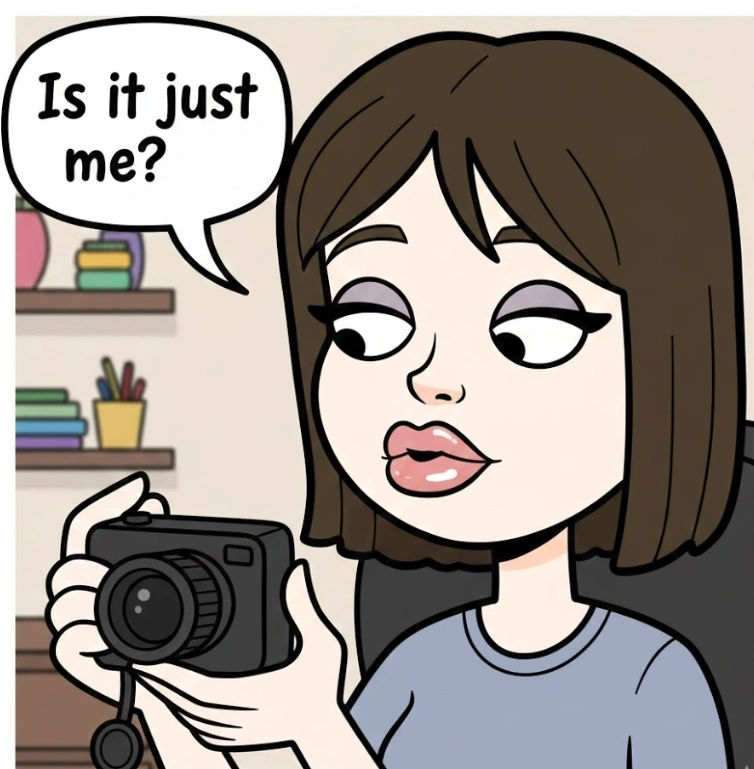
The 'Is It Just Me' Trap: How Common Sense Became the Ultimate Rage Bait
We need to talk about the 'relatable' intro that acts as a Trojan horse for radical exclusion. Here is why the internet's favorite rhetorical questio…
The 'Is It Just Me' Trap: How Common Sense Became the Ultimate Rage Bait
We need to talk about the 'relatable' intro that acts as a Trojan horse for radical exclusion. Here is why the internet's favorite rhetorical questio…
We need to talk about the 'relatable' intro that acts as a Trojan horse for radical exclusion. Here is why the internet's favorite rhetorical question is actually a weapon.
It starts innocently enough. You’re three sips into your morning oat milk latte, thumb hovering over the screen, looking for a dopamine hit before the 9-to-5 grind begins. Then you see it. A creator looks directly into the camera lens, eyebrows furrowed in performative confusion, and asks the magic words:
“Is it just me, or…”
Your brain perks up. We love validation. We crave the cozy feeling of shared experience. But then the sentence finishes: “…is anyone else absolutely sick of people who bring books to bars? Like, just drink at home if you want to be antisocial.”
Wait. You freeze. You love reading at bars. Suddenly, a benign habit has been reframed as a societal transgression. You check the comments. It’s a war zone. Half the people are screaming, “FINALLY someone said it!” while the other half are defending their right to read a paperback with a Pinot Noir.
Welcome to the weaponization of “common sense.”
As a literature lover and an English Lit grad, I spend an unhealthy amount of time analyzing subtext. And lately, the subtext of our social feeds has shifted from sharing lives to drawing lines. The phrase “Is it just me” (and its cousin, “Can we normalize…”) has mutated. It is no longer an invitation for connection; it is a rhetorical shield for rage bait.
The Trojan Horse of Relatability
In literary theory, we talk about the “unreliable narrator”: the storyteller whose credibility has been seriously compromised. The internet’s version of this is the Relatable Realist. By framing a wildly controversial, exclusionary, or judgmental take as a question of “common sense,” the creator places the viewer in a psychological bind.
It’s a classic false consensus effect. If the creator framed their statement honestly, “I hate seeing people read in public because it makes me feel insecure”, we’d scroll past or laugh at them. But by saying, “Is it just me,” they imply that their intolerance is actually the silent majority opinion. They are merely the brave soul voicing what “everyone” is thinking.
This creates an immediate In-Group vs. Out-Group dynamic. If you agree, you are part of the sensible “us.” If you disagree, you aren’t just different; you are violating an unwritten social contract. You are the “them.”
The Algorithm Loves a Fight
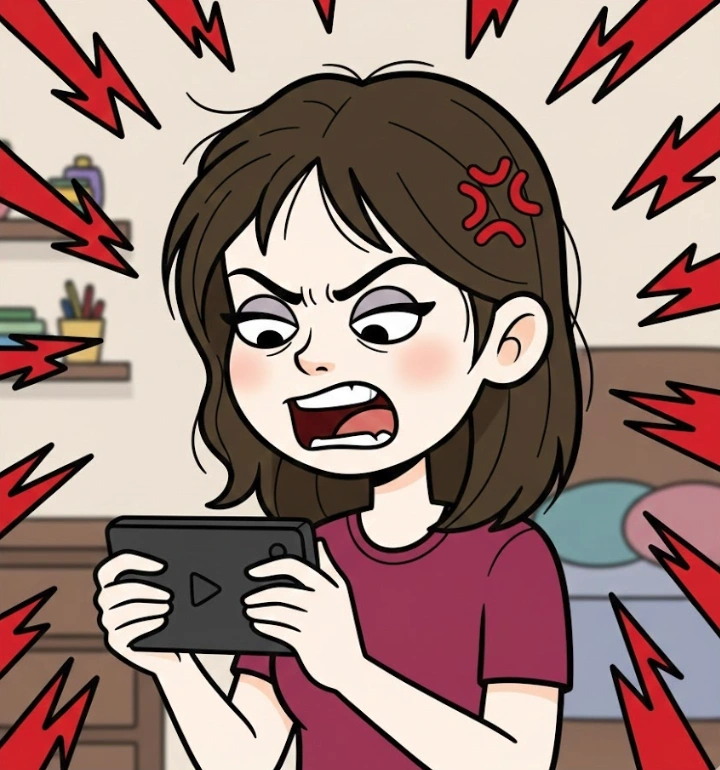
Why do creators do this? Because, structurally, social platforms prioritize friction. Harmony doesn’t hold attention; conflict does.
When a creator smuggles a radical or inflammatory idea inside a “relatable” wrapper, they are engagement farming. The people who agree will like and share to validate their own biases. The people who feel attacked (the bar-readers, in this analogy) will comment in defense.
The algorithm sees this flurry of activity, the rage, the defense, the validation, and decides this is High Value Content. It pushes the video to more people, widening the blast radius of the debate. The creator wins regardless of the sentiment. In the economy of attention, being hated is just as profitable as being loved, provided you are hated loudly enough.
The Death of Nuance
The tragedy here is the flattening of discourse. The “Is it just me” format leaves no room for context. It presents the world in binary terms: You are either with the common sense crowd, or you are the problem.
This is why I’ve found myself retreating from the infinite scroll of TikTok and X. The friction isn’t the goal; the thinking is.
Reclaiming the Question Mark
We need to start recognizing the “Is it just me” trap for what it is: a rhetorical device designed to smuggle hostility past our mental defenses.
Common sense is rarely common, and it certainly isn't static. It used to be "common sense" that women shouldn't write novels or that the earth was the center of the universe. When someone frames their personal pet peeve or prejudice as a universal truth, they aren't looking for a conversation. They are looking for a crown.
So the next time you see a creator lean in and ask if they are the only one who thinks something wildly inflammatory, take a beat. Don't let them gaslight you into thinking your reality is the outlier. Keep scrolling, grab your book, and maybe go find a quiet corner of the internet where nuance is still on the menu.
#SocialMedia #commonsense #culture #internetculture #opinion
Login to comment.
3 Thots
More Like This
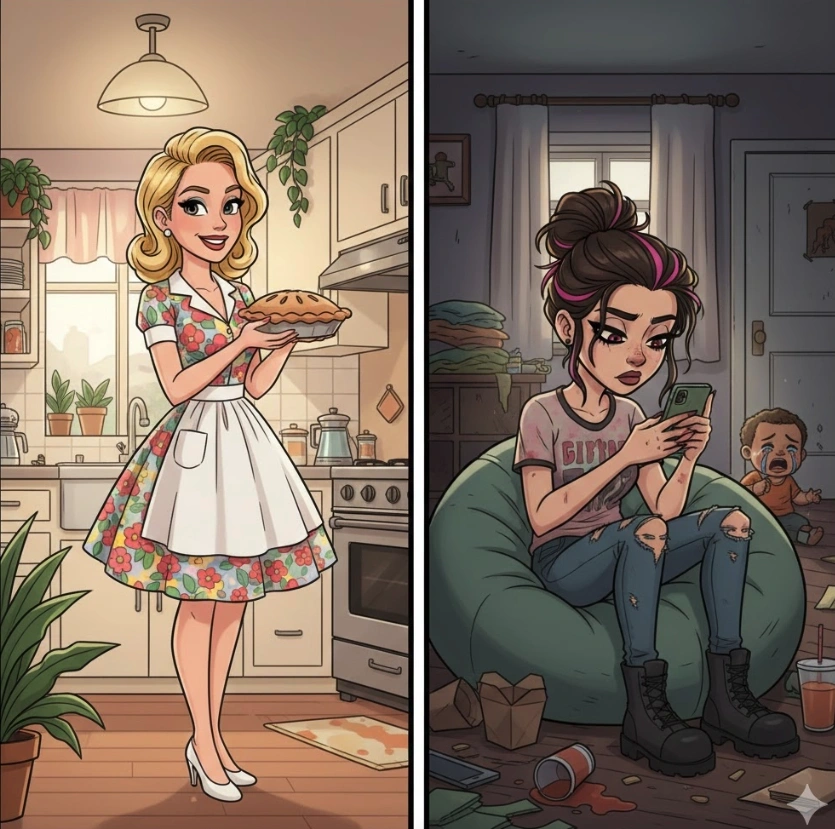
The Trad-Wife to Rage-Mother Pipeline
The era of the 'cozy' influencer is dying. In the desperate hunt for views, aesthetic perfection is being replaced by calculated parenting fails and …
The Trad-Wife to Rage-Mother Pipeline
The era of the 'cozy' influencer is dying. In the desperate hunt for views, aesthetic perfection is being replaced by calculated parenting fails and …
The era of the 'cozy' influencer is dying. In the desperate hunt for views, aesthetic perfection is being replaced by calculated parenting fails and rage-bait. Here is why the algorithm wants you to hate-watch.
It started with a sourdough starter. It always does.
For a brief, flickering moment in the pantheon of internet history, the algorithm was obsessed with peace. We had the 'Trad-Wife' aesthetic: a linen-clad, slow-living fantasy where women churned their own butter, arranged wildflowers in reclaimed glass jars, and spoke in tones so soft they barely registered above a whisper. It was performative, sure. It was a simulacrum of domestic bliss that ignored the realities of labor and economics, but it was, at the very least, quiet.
But the internet hates quiet. More importantly, the attention economy is a beast that cannot be fed on beige aesthetic alone. Eventually, the views plateau. The audience gets bored of the perfect loaf of bread. Of the florals.
And this is where the pivot happens. This is where the Trad-Wife takes off the apron and picks up the controversial opinion.
Welcome to the 'Rage-Mother' pipeline, the latest, darkest evolution of lifestyle content where creators are trading in 'comfy' vibes for calculated controversy.
The calculated controversy is nothing new. Aamir Khan has been creating controversies to sell his movies since I was five. Marilyn Monroe made a whole career on it. So did Princess Diana and many others, one way or another. So what's new?
The Economics of Hate-Watching
To understand why your favorite wholesome mom vlogger is suddenly posting about letting her toddler drink espresso or explaining why she doesn’t believe in sunscreen, you have to look at the machinery beneath the screen.
In the early days of social media, the currency was aspiration. We watched people because we wanted to be them. The Trad-Wife offered a fantasy of order in a chaotic world. But aspiration has a ceiling. Envy turns to resentment, and boredom sets in quickly.
Outrage, however? Outrage is a bottomless pit.
Sociologically speaking, we have shifted from an era of emulation to an era of interrogation. The algorithm realizes that a user will spend 15 seconds watching a beautiful morning routine, but they will spend 20 minutes reading the comments on a video where a mother claims she lets her kids play with rusty nails to 'build immunity.'
Engagement is engagement. To the platforms, a comment section filled with people screaming "This is child neglect!" is worth infinitely more than a comment section filled with "So cute! 💖." The former drives shares, stitches, duets, and reaction videos. It creates a discourse cycle. It keeps the app open.
The Death of the 'Comfy' Creator
I view this through the lens of literary tragedy. The content creator is the protagonist who realizes that virtue doesn’t pay the rent. It’s a distinctively modern Faustian bargain: trade your reputation as a 'good mother' for the algorithmic boost of being a 'controversial one.'
We see this pivot happen in real-time. A creator notices that a video where her kitchen was messy got more views than the one where it was clean. Next, she notices that a video where she voiced a slightly unpopular opinion on sleep training went viral. The dopamine loop tightens.
Suddenly, the content isn't about the lifestyle; it's about the friction.
- The Trad-Wife Era: "Here is my homemade organic puree." (10k views)
- The Transition: "Why I don't force my kids to eat vegetables." (100k views)
- The Rage-Mother Era: "I feed my kids raw chicken to toughen them up." (1M views)
Okay, the raw chicken is hyperbole (mostly), but the trajectory is real. The pressure to remain relevant forces creators to become caricatures of negligence or contrarianism. They become the villains in their own story because the internet loves a villain.
Where Did the Nuance Go?
This pipeline suggests a grim future for digital discourse. It erases the middle ground. You are either a perfect, unattainable deity of domesticity, or you are a reckless agent of chaos. There is no room for the 'Good Enough Mother', the one D.W. Winnicott wrote about, because she is boring. She doesn’t stop the scroll.
We are losing the spaces for quiet reflection. The platforms we inhabit are designed to turn thoughts into weapons. If you want actual nuance, you have to leave the scroll-hole. Honestly that's why I'm trying to write essays at a place where the architecture favors long-form thought over 15-second shock value. We need more social media platforms like Thoxt, where I've seen parents write essays about the complexities of modern parenting without needing to bait the audience into a child-assaulting frenzy just to be seen. But on the main stage, TikTok, Reels, Shorts, nuance is dead weight.
The Audience is Complicit
We can blame the creators, and we can blame the algorithm, but as a Lit lover, I have to look at the reader. That’s us.
We claim we want wholesome content, but we click on the disaster. We are the rubberneckers on the digital highway. The 'Rage-Mother' exists because we need someone to feel superior to. When we watch the Trad-Wife, we feel inadequate. When we watch the Rage-Mother, we feel like saints in comparison.
"I may not bake my own bread," we tell ourselves, "but at least I won't let my infant play in traffic."
It is a symbiotic, parasitic relationship. The creator gets the views; we get the moral high ground. And somewhere in the middle, the concept of a normal, messy, private human life is ground into dust for entertainment.
#TradWife #RageMother #InternetCulture #CreatorEconomy #Algorithm #socialmedia #culture
Login to comment.
3 Thots
More Like This
Rage Bait as Digital Masochism
Why do we doom-scroll through content that makes us furious, arguing that righteous indignation is just a spicy form of self-harm in a lonely online …
Rage Bait as Digital Masochism
Why do we doom-scroll through content that makes us furious, arguing that righteous indignation is just a spicy form of self-harm in a lonely online …
Why do we doom-scroll through content that makes us furious, arguing that righteous indignation is just a spicy form of self-harm in a lonely online world?
As humans, when have we liked peace?
It’s 11:45 PM. On my nightstand sits a perfectly annotated copy of Middlemarch, offering the intellectual nourishment and complex empathy I claim to value. But my eyes are not on George Eliot. They are glued to the glowing rectangle in my hand, watching a 24-year-old delusional man go on and on about how feminism ruined the workplace.

I hate this video. I disagree with every syllable he is whispering into his high-fidelity microphone. Yet, I watch it twice. Then I read the comments to make sure everyone else hates it too.
We talk a lot about "rage bait": content creators deliberately poking the bear to farm engagement. But we rarely talk about the bear. Why do we, the audience, keep coming back for the prod? We are witnessing a shift from passive consumption to what I call Digital Masochism: the active, recurring pursuit of content that causes us psychological distress.
The Dopamine of Righteousness
As a student of literature, I’ve always been fascinated by the Anti-Hero, but social media has turned us all into the villain of our own story, or at least, the tragic figure who picks at a spiritual scab.
In a digital landscape that is increasingly beige, filled with sanitized corporate speak, AI-generated art, and curated aestheticism, rage feels incredibly real. It is a high-octane emotion. When we click on the pundit with the horrific take or the influencer promoting a dangerous diet, we aren't just looking for information; we are looking for a hit of righteous indignation.
There is a perverse pleasure in establishing moral superiority. By hate-watching the "villain of the day," we solidify our own identity. I am not like this person, we tell ourselves. I am good. I am rational. I am the protagonist. It is an ego-boost disguised as political awareness. But let’s be honest: doom-scrolling through bad takes isn't activism. It’s emotional regulation through self-harm.
Loneliness and the Communal Scream
Sherry Turkle, the MIT sociologist, famously wrote about being "alone together."
Today, I’d argue we are "angry together."
In a fractured society, rage is one of the few reliable community builders left. Joy is subjective; what I find funny, you might find cringe. But hate? Hate is a universal solvent. We bond over the shared enemy. The comment section under a rage-bait video is a campfire where we warm our hands on the flames of a burning strawman.
This suggests a depressing reality: anger might be the only emotion that makes us feel truly connected in the algorithmic void. It cuts through the numbness of the infinite scroll. If I’m angry, I exist.

The Architecture of Agitation vs. The Architecture of Thought
This dynamic isn't an accident; it is architecture. The major platforms, Twitter (X), TikTok, Facebook, are designed to weigh high-arousal emotions (anger, fear) heavier than low-arousal ones (contentment, nuance). They are the coliseums, and we are both the gladiators and the lions.
However, we are seeing the cracks in this model. Users are exhausted. The cortisol spike is losing its thrill, leaving only burnout. This is where the shift in platform philosophy becomes crucial. We are seeing a slow migration toward spaces that prioritize context over reaction. No wonder Gen-Z is quitting social media.
To me, places like Thoxt or Substack feel like a quiet university library in contrast to a raging public square. Today we need the "slow read" rather than the "hot take", the nuance that rage bait deliberately excises. If traditional social media is a sugar crash, slow social media is a protein-rich meal. These platforms don't offer the instant gratification of dunking on a stranger, but they offer the sustained satisfaction of actually thinking. It’s the difference between shouting into a void and writing a letter.
Putting Down the Lash
We have to stop treating the algorithm like a weather system we have no control over. We are the ones holding the umbrella, or in this case, the lightning rod.
Rage bait only works if we bite. The content creators are merely holding up a mirror, distorting reality to see if we’ll scream at the reflection. Continuing to engage with content that spikes our blood pressure is a choice. It is a decision to prioritize the cheap thrill of hatred over the harder work of indifference or understanding.
So, tonight, I’m trying something radical. I’m closing the app. I’m leaving the delusional man to his toxic workplace and his misogyny. I’m picking up Middlemarch. It might not give me that jolt of adrenaline, but at least it won’t leave me hating strangers I’ll never meet.
#ragebait #socialmedia #internetculture #culture #mindfulness
Login to comment.
3 Thots
More Like This
Brat by Charli XCX: Camp, Capital, and Confession as Aesthetics
Explore how Brat Summer transcends mere virality, transforming music, memes, and fashion into a powerful cultural movement.
Brat by Charli XCX: Camp, Capital, and Confession as Aesthetics
Explore how Brat Summer transcends mere virality, transforming music, memes, and fashion into a powerful cultural movement.
To think of Brat Summer merely as a viral moment spurred by Charli XCX’s brat album and a deluge of memes, TikToks, DJ sets, and fashion would be to underestimate the force of cultural narratives that evolve into atmosphere. It can be unpacked not only as a musical release but also as a mood, a meme, and a movement. For a postgraduate student steeped in literature and cultural studies, this phenomenon is ripe for deeper textual and theoretical excavation.

The Aesthetics of Anti-Aestheticism
The central irony of brat lies in its deliberately “ugly” design. The neon green, lowercase, minimalist cover art, to the point of being anti-graphic, is a form of visual anti-aestheticism. It recalls Sontag’s Notes on Camp (1964), where sensibility matters more than content. Brat doesn’t just dabble in camp, though it resists legibility. The visual cues reject elegance in favour of provocation, daring the observer to categorise it.

But this is not mere aesthetic rebellion; it’s a knowing play on the machinery of music marketing. The colour “brat green” quickly became ubiquitous at concerts, online, and even in commercial rollouts. The refusal of traditional beauty paradoxically became a cohesive branding strategy. In this way, Charli XCX executes what postmodern theorists like Jean Baudrillard might call a simulation: an image that refers only to itself. Brat’s aesthetic exists in a closed loop of cultural reference, self-parody, and self-mythology.
Meta-Pop and the Poststructural It-Girl
Brat can be put within the lineage of Charli’s meta-pop era. Songs like Von Dutch and 360 construct a hyper-aware “it girl” persona, one that simultaneously inhabits and critiques its fabrication. There is something distinctly poststructural about Charli’s approach to identity: she reveals the constructedness of the pop star as a textual body, a subjectivity produced by discourse.

Consider Girl, So Confusing, where Charli sings of fraught female friendship, or rivalry, or perhaps projection. The lyrics refuse confession and instead layer ambiguity: “I don’t know if you like me / sometimes I think you might hate me.” These lines delivered in a flattened tone resist the emotional climax we expect from pop. The effect is muted, the performance restrained, and this withholding is precisely what makes the moment charged.
The cultural resonance of this moment lies in its double meaning. On one level, it’s a simple girl-versus-girl narrative; on another, it implicates the listener in the very mechanisms of comparison and projection that fuel pop stardom. This ambiguity can be put into Charli’s broader project: a pop artist who, unlike Taylor Swift or Billie Eilish, does not offer intimacy but performs alienation.

Vulnerability as Strategy
Charli’s brand of vulnerability is not confessional but strategic. She reveals just enough of her “brattiness,” her messiness, insecurity, and pettiness to feel real, but never enough to lose control of the narrative. This balancing act is emblematic of what cultural theorist Rosalind Gill calls “the new femininity,” a performance of emotional openness that is carefully managed, often as a survival tactic in digital economies of attention.

Charli’s lyrics are rife with contradictions. She admits to not being the prettiest or the smartest and confesses to envying other women in the industry. Yet in doing so, she also reasserts her uniqueness. This paradox mirrors the lived experience of many of her listeners, especially young women online who are socialised to be “relatable” but also exceptional, vulnerable but still aspirational.
This strategic vulnerability is a hallmark of what can be termed “confessional capitalism,” where the commodification of self-disclosure becomes a branding device.
Brat Summer as Cultural Text

The term “Brat Summer,” like “Hot Girl Summer” before it, serves more as a cultural vibe than a specific aesthetic—a stance rather than a defined look. While Hot Girl Summer was characterised by empowerment and pleasure, Brat Summer is characterised by self-loathing, overconsumption, insecurity, and the theatricality of not caring. In a sense, it’s a feminist reclaiming of socially devalued emotions like envy, shame, and spite as valid aesthetic and emotional expressions.
Subculture, Co-Option, and Capital
A key concern is the tension between subculture and commodification. Brat Summer began as a kind of digital rave, a shared aesthetic among queer fans, club kids, and fashion misfits, but quickly became an object of mass cultural consumption.
With branded content, memes, celebrity cosigns, and social media virality, Brat evolved into a lifestyle brand. This transformation exemplifies what Sarah Thornton calls “subcultural capital,” the process by which niche cultural forms gain mainstream traction by being recognised as “cool.”
But coolness is inherently unstable: it resists permanence, and once it is commodified, it becomes suspect. Charli’s genius, perhaps, lies in foregrounding this contradiction. Her lyrics seem to mock the very mechanisms that market her. This is the work of a trickster artist, one who exposes the game whilst still playing it. Brat Summer, then, is not just a mood; it is a self-consuming spectacle.

The Afterlife of Brat
There is something almost novelistic about the way Charli XCX constructs worlds. Not in a Tolkien-esque manner, but through fragments, posts, club visuals, inside jokes, and sonic dissonance. Brat isn’t a linear narrative but a fragmented archive. Its afterlife exists not on the charts, but in memes, DJ sets, fan videos, and the “brat” parties in Berlin, New York, and Mumbai.

Brat Summer is a time capsule of a very specific cultural moment: post-pandemic disillusionment, hyper-digital performance, and the rise of curated chaos. For those of us in the humanities, it demands to be read, not just listened to. It is a text written in lowercase, under club lighting, in green.
And like all good literature, it refuses to give us the ending we anticipate.
#BratSummer #CharliXCX #CulturalNarratives #AntiAesthetic #MusicTrends #Brat #Hyperpop #MusicReview #SocialMedia #InternetCulture #Meme
Login to comment.
4 Thots
More Like This
Comments
-
Loading...
-
-
-
-
-
-
-
Please select a valid reason.
Login to comment.