Celebrity gossip as cultural currency: how viral DMs and rumors shape fandom and online culture.
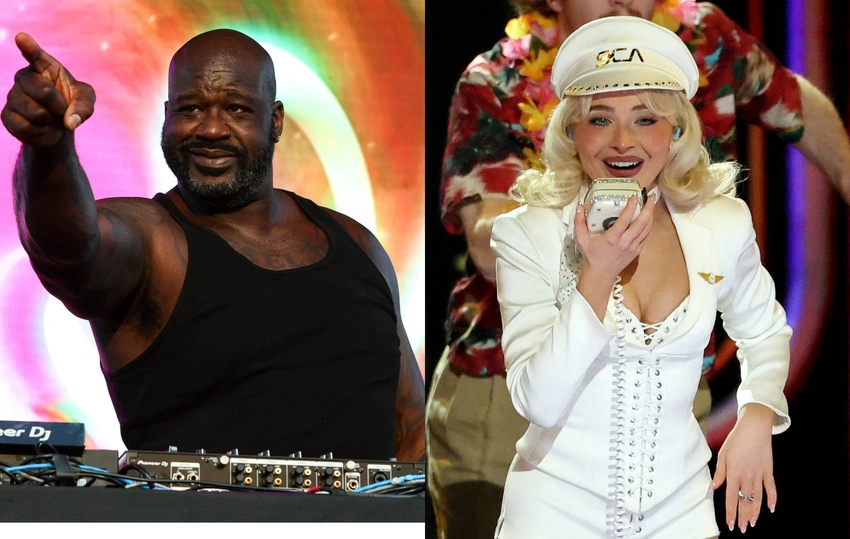
Celebrity gossip as cultural currency: how viral DMs and rumors shape fandom and online culture.
From Shaq’s fake DMs to Sabrina Carpenter memes, celebrity gossip is our new social currency. Here is why we love the drama and how it is changing internet culture.
In the digital age, gossip has evolved into a high stakes economy where the truth is often less valuable than a good punchline. We have reached a point where a rumor about an NBA legend wanting to bottle a pop star's scent sounds just plausible enough to break the internet. While these stories often turn out to be fabrications, their impact on our digital ecosystem is very real.
The Viral DNA of Modern Gossip
Why do we hit the share button on things that seem mathematically impossible? It is because celebrity rumors have become a form of social currency. Sharing a wild story isn’t just about the information; it is about being part of the global conversation. When a legend like Shaquille O’Neal feels the need to go on his podcast to clarify that he has way more game than a viral DM suggests, it highlights how quickly fan-fiction becomes perceived reality. The internet thrives on these collisions because they bridge different worlds, such as professional sports and pop music, doubling the potential audience instantly.
- The Power of the DM: Digital receipts are the gold standard of modern tea, even when they are clearly faked.
- The Absurdity Factor: The weirder the claim, the faster it travels across platforms like TikTok and X.
- Fandom Engagement: Fans no longer just watch their favorite stars; they actively participate in building their narratives.
How Rumors Shape Fandom
This participatory culture means that a fake message can spark a thousand memes before the person involved can even unlock their phone. It creates a strange dynamic where celebrities are forced to defend their reputation against ghosts. The problem isn’t just the misinformation; it is how these narratives flatten public figures into caricatures. We stop seeing them as people and start seeing them as characters in a never-ending soap opera.
Whether it is Shaq denying horny messages or Sabrina Carpenter being used as a prop in a viral stunt, the goal is always the same: clicks, views, and clout. We need to start looking at gossip as more than just entertainment. It is a mirror of what we value in the digital age. If we prioritize the shock factor over the truth, we shouldn't be surprised when the internet feels like a fever dream. Next time a screenshot looks too wild to be true, it probably is. But in the world of online culture, sometimes the vibe is more powerful than the facts.
