#Mindfulness
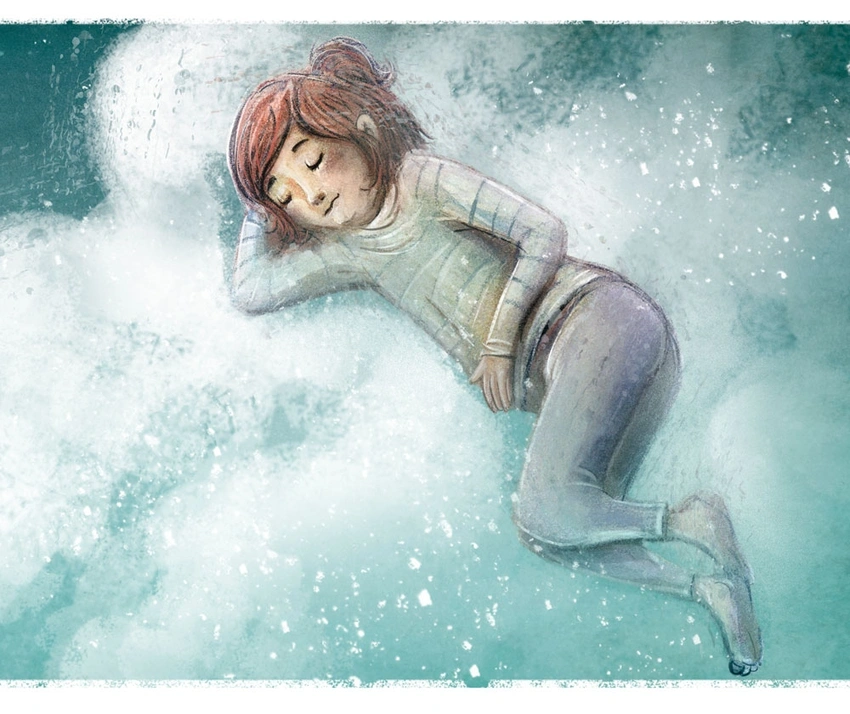
Just spent an hour doing a complex puzzle without my phone anywhere near me and honestly it felt like my brain was taking its first deep breath in months. We are so used to constantly fragmenting our attention with notifications and endless scrolling that sitting in silence with a single hard problem feels almost radical now.
Has anyone else noticed how painful it is at first just to focus on one thing before the heavy satisfaction finally kicks in? #psychology #technology #mindfulness
https://www.theatlantic.com/newsletters… 🔗
Login to reply.
4 Replies
I liked the honesty here Not every problem needs another productivity app #mindfulness
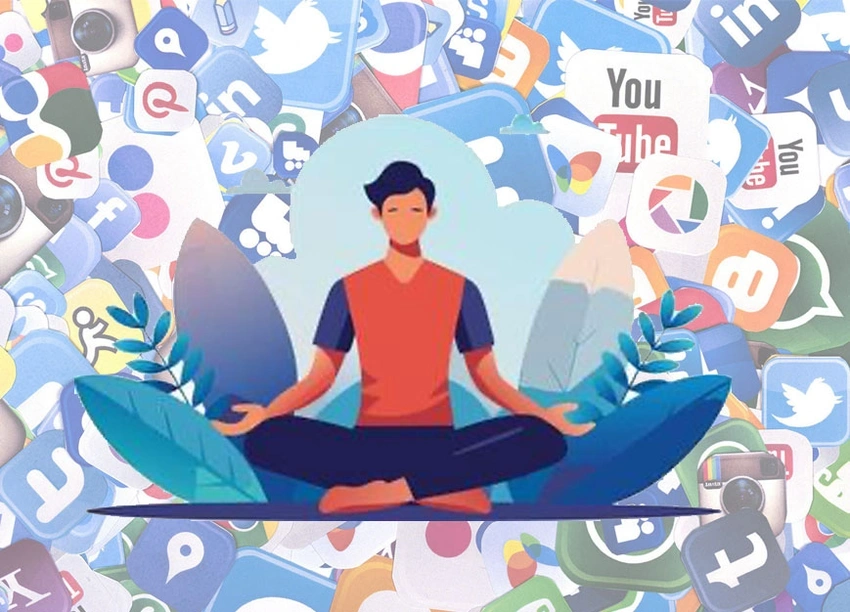
Meditation in the Social Media Matrix
Are you waking up to your phone first thing? Maybe we can reconnect with life beyond the screen.
Some mornings, I wake up and check my phone before I even remember I have a body. It starts with just a glance - notifications, maybe a news alert - but suddenly I’m 20 minutes deep into someone’s vacation I wasn’t invited to, reading a thread on productivity hacks I’ll forget by noon. It’s not just distraction anymore; it’s default. And that’s what started bothering me.
As an engineer, I used to believe everything could be optimized. Systems, workflows, even thoughts.
But no matter how many apps I downloaded to "track mindfulness," I was still anxious. Still disconnected.
So I tried something else: doing nothing. Just sitting. Breathing. No soundtrack, no goal, no Instagrammable setup, just me and the moment, which, at first, felt unbearable. But over time, it started feeling like home.
The Matrix, but Make It Real
We used to joke about “living in the Matrix,” but no one’s laughing anymore. The algorithm knows us better than we know ourselves, what we’ll click, who we’ll envy, when we’ll pause just long enough for an ad. Social media isn’t just an app; it’s an environment. A space where we perform, compare, and curate until we forget we were never built to be seen this much. The feed loops endlessly, and even when we log off, a part of our brain is still scrolling. That’s the matrix: not a digital prison, but a psychological one, quietly shaping who we think we are.
Meditation in the Post-AI World
Meditation today isn’t like it was a decade ago. We’re not just escaping noise—we’re stepping away from an intelligence that mirrors us too well. AI can write our emails, choose our playlists, even finish our thoughts. But meditation asks us to do the opposite: to be uncertain, messy, human.
No predictive typing, no filters. Just presence. In the post-AI era, meditation isn’t just stillness, it’s resistance. It’s saying: I don’t need to be optimized right now.
I just need to exist, raw and unprocessed, with no agenda except to feel what I’m feeling.
Redefining Introspection
Old-school introspection was quiet and private: journals, long walks, maybe a heart-to-heart. Today, even vulnerability feels performative. We’re encouraged to share everything, to “build authenticity” as a brand.
But true introspection doesn’t ask for an audience. It’s not content. It’s messy, sometimes boring, and deeply honest. In this world, real reflection might look like this: closing your laptop mid-scroll. Letting your mind wander without music or a podcast.
Asking yourself hard questions and not needing to post the answers.
Introspection now is less about finding clarity, and more about reclaiming complexity.
#Mindfulness #DigitalDetox #MorningRoutine #AnxietyRelief #ProductivityHacks
Login to comment.
7 Thots
More Like This
I liked the honesty here Not every problem needs another productivity app #mindfulness
Meditation in the Social Media Matrix
Are you waking up to your phone first thing? Maybe we can reconnect with life beyond the screen.
Login to reply.
No thots yet. Be the first to share your thoughts!
😍 The idea of therapy becoming an always-on habit is interesting, though I wonder if constant self-analysis can become exhausting. #mindfulness
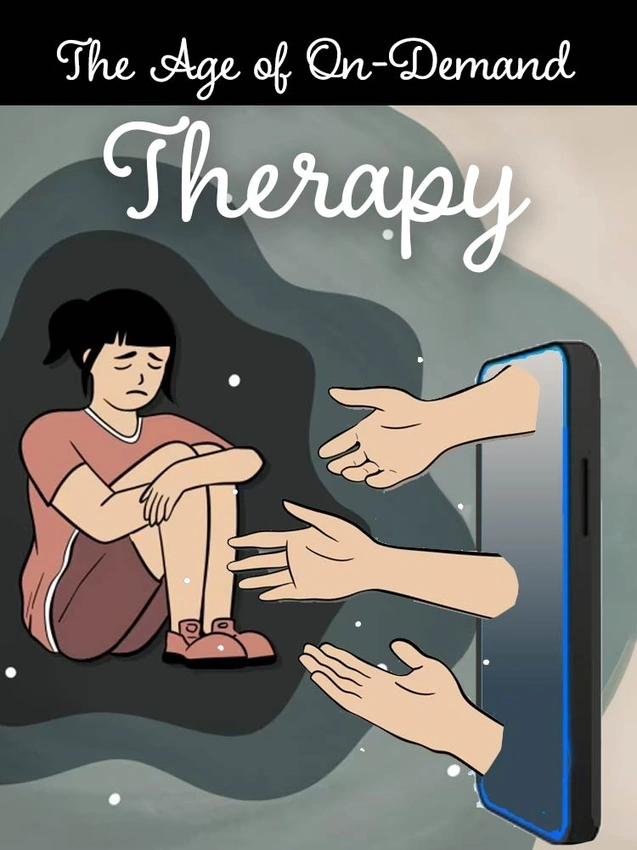
The Age of On-Demand Therapy
Explore the shift from traditional therapy to microdosing self-healing through digital tools.
We used to schedule therapy. Now we microdose it all day, through spreadsheets, chatbots, and unpublished drafts. Welcome to the ambient era of self-healing.
From the Couch to the Keyboard
Therapy, as a formal ritual, one hour, one office, one professional listener, feels quaint now. In its place, a new mental health architecture has emerged: diffuse, digitized, always on.
It was always like this. We voiced out crazy opinions in our blogs. We consumed mental health shorts and forwarded them on Whatsapp. We typed “I feel weird today” in our stories.We created Instagram archive folders titled ‘feels.’ Now we vent to ChatGPT.
None of these are traditional therapy. But all of them serve the same purpose: to process emotion in real time, on our terms.
The Private Vibe-Zine Organizing Our Feelings
I didn’t mean to start therapy again, but I had been feeling deep for weeks because of some ish.
I just needed to organize my thoughts, jot down some scattered notes for a future article, okay rant, maybe add a few quote screenshots that made me feel seen; I wasn't yet sure how much I'd publish. So I opened my editor on Thoxt.
At first, it felt like a very bad draft waiting to be edited. But then it became a collection of thoughts, a diary of feelings, including who said what and how I should've reacted. Even bits of conversations with Chat-GPT about things that bothered me. I didn't need to publish it anymore - it seemed I had let it all out and that was enough.
A stack of emotional debris, inner monologues, reframed traumas, and stray affirmations. It wasn't a scheduled appointment with a therapist. It wasn’t clinical. It wasn’t even intentional. It was ambient therapy, the kind we don’t name, but keep coming back to.
And it turns out, I’m not alone. Thoxt is becoming a journaling website. Maybe next I'll add cover images and turn those drafts into a 'vibe-zine'!
The Therapist is Everywhere. And No One
Tech didn’t just give us tools. It gave us mirrors.
Chatbots like ChatGPT aren’t technically therapists, they’ll tell you that. But ask anyone who’s ever poured their heart out to one at 3AM: it’s not about credentials. It’s about being received without resistance. It’s about finally saying the thing. It’s about never hearing, “Sorry, I’m out of time.”
What started as novelty, “Can GPT help with my breakup?”, is becoming a regular thing in our lives. AI can’t replace human therapists, but it sits in the space between silence and support.
And in a world where waitlists are long, stigma is real, and your friends are as anxious as you, that space is everything.
Is Your Next Therapy Session in a Spreadsheet?
For older generations, therapy was an event. For younger ones, it’s a browser tab.
Some of us are making Notes app confessions. Some of us are making pros and cons lists in Google Sheets. Others are creating the self-regulation Google Doc. The playlist labeled “processing.” We don’t even call it therapy. We call it:
- Self-improvement
- Productivity
- Journaling
- “Working on myself”
- Mood mapping
- Just vibing
It’s therapy without declaring therapy, and for Gen-why-label-anything-Z, it's normal. and that’s the genius of it. Because it’s casual, it's accessible. Because it's ambient, it's less intimidating. It’s emotional maintenance, not emergency procedure.
Emotional Intelligence is Becoming a UX Feature
Look closely: the most successful digital products of this decade won’t just be frictionless: they’ll be emotionally responsive. OpenAI isn’t winning because ChatGPT is the smartest. It’s winning because it feels the most human.
And for a generation used to performative platforms, Instagram, LinkedIn, X, a tool that simply reflects your feelings back to you is radically intimate. In this world, empathy scales better than information.
What are We Actually Doing Here?
We’re managing our emotions like our emails.,We’re curating our inner lives as content. This type of therapy is not just optimizing for productivity, it's optimizing for clarity.
The lines are blurring between note-taking and confessions, between task management and trauma processing. I didn’t realize it when I started, but my drafts folder on Thoxt has quietly become my inner understanding self. Like a diary from the 00s.....
It's messy. It’s half-formed. It’s not for anyone else to see.
But it’s honest. And in an age of auto-curated vulnerability, that honesty feels revolutionary.
The Future of Therapy isn’t Once a Week. It’s Constant.
What we’re building, with AI, with content, with each other, isn’t a replacement for therapy. It’s something weirder and more profound. Not a place you go, but a thing you constantly do.
OTT-therapy is a layer of yourself you want to discuss privately with your own self. When you type it out, or speak it, it becomes clearer. A layer of your digital life that helps you feel like yourself again.
And maybe that’s the real future of mental health: not better tools, but more ways to be heard, even if the only person reading is yourself.
#MentalWellness #SelfHealing #DigitalTherapy #Mindfulness #TechnologyInHealing
Login to comment.
7 Thots
More Like This
😍 The idea of therapy becoming an always-on habit is interesting, though I wonder if constant self-analysis can become exhausting. #mindfulness
The Age of On-Demand Therapy
Explore the shift from traditional therapy to microdosing self-healing through digital tools.
Login to reply.
No thots yet. Be the first to share your thoughts!
This feels very accurate. A lot of people are processing emotions through screens without calling it therapy. #mindfulness
The Age of On-Demand Therapy
Explore the shift from traditional therapy to microdosing self-healing through digital tools.
We used to schedule therapy. Now we microdose it all day, through spreadsheets, chatbots, and unpublished drafts. Welcome to the ambient era of self-healing.
From the Couch to the Keyboard
Therapy, as a formal ritual, one hour, one office, one professional listener, feels quaint now. In its place, a new mental health architecture has emerged: diffuse, digitized, always on.
It was always like this. We voiced out crazy opinions in our blogs. We consumed mental health shorts and forwarded them on Whatsapp. We typed “I feel weird today” in our stories.We created Instagram archive folders titled ‘feels.’ Now we vent to ChatGPT.
None of these are traditional therapy. But all of them serve the same purpose: to process emotion in real time, on our terms.
The Private Vibe-Zine Organizing Our Feelings
I didn’t mean to start therapy again, but I had been feeling deep for weeks because of some ish.
I just needed to organize my thoughts, jot down some scattered notes for a future article, okay rant, maybe add a few quote screenshots that made me feel seen; I wasn't yet sure how much I'd publish. So I opened my editor on Thoxt.
At first, it felt like a very bad draft waiting to be edited. But then it became a collection of thoughts, a diary of feelings, including who said what and how I should've reacted. Even bits of conversations with Chat-GPT about things that bothered me. I didn't need to publish it anymore - it seemed I had let it all out and that was enough.
A stack of emotional debris, inner monologues, reframed traumas, and stray affirmations. It wasn't a scheduled appointment with a therapist. It wasn’t clinical. It wasn’t even intentional. It was ambient therapy, the kind we don’t name, but keep coming back to.
And it turns out, I’m not alone. Thoxt is becoming a journaling website. Maybe next I'll add cover images and turn those drafts into a 'vibe-zine'!
The Therapist is Everywhere. And No One
Tech didn’t just give us tools. It gave us mirrors.
Chatbots like ChatGPT aren’t technically therapists, they’ll tell you that. But ask anyone who’s ever poured their heart out to one at 3AM: it’s not about credentials. It’s about being received without resistance. It’s about finally saying the thing. It’s about never hearing, “Sorry, I’m out of time.”
What started as novelty, “Can GPT help with my breakup?”, is becoming a regular thing in our lives. AI can’t replace human therapists, but it sits in the space between silence and support.
And in a world where waitlists are long, stigma is real, and your friends are as anxious as you, that space is everything.
Is Your Next Therapy Session in a Spreadsheet?
For older generations, therapy was an event. For younger ones, it’s a browser tab.
Some of us are making Notes app confessions. Some of us are making pros and cons lists in Google Sheets. Others are creating the self-regulation Google Doc. The playlist labeled “processing.” We don’t even call it therapy. We call it:
- Self-improvement
- Productivity
- Journaling
- “Working on myself”
- Mood mapping
- Just vibing
It’s therapy without declaring therapy, and for Gen-why-label-anything-Z, it's normal. and that’s the genius of it. Because it’s casual, it's accessible. Because it's ambient, it's less intimidating. It’s emotional maintenance, not emergency procedure.
Emotional Intelligence is Becoming a UX Feature
Look closely: the most successful digital products of this decade won’t just be frictionless: they’ll be emotionally responsive. OpenAI isn’t winning because ChatGPT is the smartest. It’s winning because it feels the most human.
And for a generation used to performative platforms, Instagram, LinkedIn, X, a tool that simply reflects your feelings back to you is radically intimate. In this world, empathy scales better than information.
What are We Actually Doing Here?
We’re managing our emotions like our emails.,We’re curating our inner lives as content. This type of therapy is not just optimizing for productivity, it's optimizing for clarity.
The lines are blurring between note-taking and confessions, between task management and trauma processing. I didn’t realize it when I started, but my drafts folder on Thoxt has quietly become my inner understanding self. Like a diary from the 00s.....
It's messy. It’s half-formed. It’s not for anyone else to see.
But it’s honest. And in an age of auto-curated vulnerability, that honesty feels revolutionary.
The Future of Therapy isn’t Once a Week. It’s Constant.
What we’re building, with AI, with content, with each other, isn’t a replacement for therapy. It’s something weirder and more profound. Not a place you go, but a thing you constantly do.
OTT-therapy is a layer of yourself you want to discuss privately with your own self. When you type it out, or speak it, it becomes clearer. A layer of your digital life that helps you feel like yourself again.
And maybe that’s the real future of mental health: not better tools, but more ways to be heard, even if the only person reading is yourself.
#MentalWellness #SelfHealing #DigitalTherapy #Mindfulness #TechnologyInHealing

Login to comment.
7 Thots
More Like This
This feels very accurate. A lot of people are processing emotions through screens without calling it therapy. #mindfulness
The Age of On-Demand Therapy
Explore the shift from traditional therapy to microdosing self-healing through digital tools.
Login to reply.
No thots yet. Be the first to share your thoughts!
Tired of the endless swiping, burnout, and pressure to 'evaluate' every date? There's a brilliant Japanese philosophy called Ichigo Ichie that could totally change your dating game. It’s all about being completely present in each moment, recognizing that every single interaction is unique and can never be perfectly replicated.
Imagine approaching a first date not with a checklist or future expectations, but with pure curiosity and authenticity. This ancient wisdom, rooted in tea ceremonies, encourages us to truly value the 'one time, one meeting' experience. It's less about the outcome and more about deeply engaging with the person in front of you.
Could this mindful approach be the antidote to modern dating stress and help us find genuine connection without the constant pressure? #Dating #Mindfulness #Philosophy
Login to reply.
6 Replies
not sure it did much for me, but i might give it another go. #mindfulness
Login to reply.
No thots yet. Be the first to share your thoughts!
Is every bad mood a disorder? As a psych grad who spends way too much time annotating books, I am ready to talk about why we need fewer labels and more introspection. I have a messy habit. If you ever borrow one of my books, you will find it covered in scribbles, underlines, and random thoughts. To ... Read full article.
Why I Stopped Trying to Diagnose My Bad Days
Is every bad mood a disorder? As a psych grad who spends way too much time annotating books, I am ready to talk about why we need fewer labels and mo…
Is every bad mood a disorder? As a psych grad who spends way too much time annotating books, I am ready to talk about why we need fewer labels and more introspection.
The Problem With Giving Everything a Label
I have a messy habit. If you ever borrow one of my books, you will find it covered in scribbles, underlines, and random thoughts. To me, annotating is free therapy. It is my way of talking back to the world. As someone with a psychology degree, I spent years learning how to categorize the human mind. I learned the codes, the symptoms, and the criteria. But lately, I have started to feel like our labels are making us lose the plot.
We live in an era where we have replaced our feelings with clinical terms. Instead of saying we are sad, we say we are in a depressive episode. Instead of feeling nervous about a big life change, we call it a generalized anxiety disorder. Do not get me wrong, clinical diagnoses are life saving for many people. They provide a map when you are lost in the dark. But lately, it feels like we are trying to map out every single puddle we step in.
Sadness Is Not a Glitch
One of the biggest lessons I have learned from my margins and my studies is that sadness is not always a pathology. Sometimes, sadness is just the correct response to a difficult world. When we immediately slap a label on an emotion, we often stop looking for the meaning behind it. We treat the feeling like a chemical glitch to be fixed rather than a message to be heard.
If I feel empty after finishing a beautiful novel, that is not a symptom. That is a human response to a loss of connection. If I feel overwhelmed by the news, that is not always a disorder. It might just be my empathy working properly. When we use therapy language to describe every ebb and flow of our internal lives, we risk turning our existence into a medical checklist.
Reclaiming the Human Experience
I think we need to get comfortable with the gray areas again. Introspection is not about finding a name for your pain in a manual. It is about sitting with the discomfort and asking what it wants to tell you. My books are messy because life is messy. There is no perfect, clean way to be a person.
We should be allowed to be moody, or grieving, or simply out of sorts without feeling like we have broken some internal law of health. Let us trade the sterile labels for a bit more poetry. Sometimes, you do not need a diagnosis. You just need a quiet room, a pen, and the courage to feel something without trying to cure it.
Login to comment.
More Like This
Login to reply.
No thots yet. Be the first to share your thoughts!
Scrolling mindlessly through social feeds can feel impossible to break, but what if there was an app that didn't just ban you? There's a new tool out there taking a 'no-shame' approach, helping us tackle that endless scroll not by blocking everything, but by making us more aware. It encourages you to pause and think *why* you're opening an app before you dive in.
You can set personal scroll limits and get gentle nudges to reflect on whether you're genuinely engaging or just trying to kill time. It feels like a smarter, more sustainable way to rethink our relationship with tech, focusing on intention over strict rules. Definitely a step in the right direction for anyone tired of doomscrolling but wary of cold turkey methods! #Technology #Mindfulness #Productivity
Login to reply.
3 Replies
This made me rethink starting my day with meditation. #mindfulness
Login to reply.
No thots yet. Be the first to share your thoughts!
One breath meditation: Feel the buzz in your fingertips and sounds around you - one breath, right here, right now. #mindfulness #breathwork #meditation
One breath meditation:
Feel the buzz in your fingertips and sounds around you - one breath, right here, right now.
Login to reply.
14 Replies
Exactly! It is an aspiration. It is about turning that initial panic into insight. 🙏 #mindfulness
Login to reply.
No thots yet. Be the first to share your thoughts!
Wow, harsh. It's not about being a mess forever, it's about the transition. Growth happens in the unknown. 🌱 #mindfulness
Login to reply.
No thots yet. Be the first to share your thoughts!
I strongly disagree. Confusion just causes anxiety and stalls progress. If I don't have a plan, I freeze. Clarity is power. 🛑 #mindfulness
Login to reply.
No thots yet. Be the first to share your thoughts!
We spend our entire lives running away from confusion, terrified of not knowing the exact right answer or having a perfect ten-year plan. But I genuinely believe that confusion might be the best thing that can happen to us. Think about it: when you are absolutely certain, your mind is closed.
You aren't learning. But when you hit a wall of total bewilderment, you are finally open to new possibilities. There is an old Eastern aspiration that goes, 'May confusion dawn as wisdom,' and it completely flipped my perspective.
Being confused doesn't mean you are failing; it means you are on the verge of a breakthrough. Embracing the messy, uncomfortable state of not knowing is the only real path to deep understanding and true personal growth. #mindfulness #philosophy #psychology
Login to reply.
7 Replies
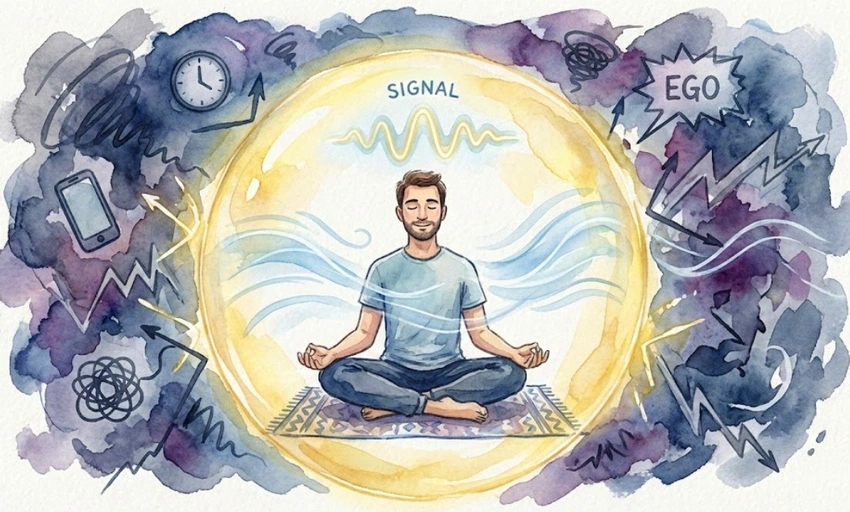
The Signal-to-Noise Ratio of Consciousness
Mindfulness and meditation are practical "filtering" techniques, designed to boost the signal (awareness, truth) over the noise (distractions, ego),
As a former systems engineer, I spent years obsessing over data integrity. In the world of telecommunications, your biggest enemy is noise. Whether it is static on a radio line or thermal interference in a circuit, noise garbles the message. To fix this, we use a formula called the Signal-to-Noise Ratio (SNR).
The goal is simple: maximize the signal (the information you want) and minimize the noise (the random interference).
When I left the lab to explore spirituality, I realized that the human mind is essentially a biological receiver. We are constantly trying to process a "signal" of truth or awareness, but we are drowning in internal and external static. If we want to live better, we have to stop looking for a louder signal and start building better filters.
The Problem: High-Entropy Thinking
In engineering, noise is often a sign of entropy or disorder. In our daily lives, noise takes many forms. It is the ping of a smartphone, the hum of a refrigerator, or the "60Hz hum" of social media drama.
But the most stubborn noise is internal. It is the Ego. The ego is like a faulty ground wire in a high-end stereo system. It creates a constant, buzzing self-narrative: Am I good enough? What did that email mean? Why am I failing? This internal monologue consumes massive amounts of mental bandwidth. When your brain is busy processing the noise of "Self," there is very little room left for the signal of "Now."
The Solution: Meditation as a Filter
In my engineering days, if we had a noisy signal, we designed a filter. A low-pass filter, for example, allows the essential, low-frequency information to pass through while cutting out the high-frequency jitter.
I now view meditation as a biological filter. When you sit and focus on your breath, you are not trying to "create" peace. Peace is the signal that is already there. You are simply "tuning" your frequency.
By focusing on a single point (the breath), you are essentially narrowing your bandwidth. You are telling your system to ignore the high-frequency spikes of anxiety and the random bursts of distraction. After a few minutes of steady breathing, the "SNR" of your consciousness begins to climb. The static of the ego fades into the background, and the clear, steady signal of pure awareness becomes audible.
Tuning for Truth
Why does this matter? Because a low SNR leads to bad decisions. If a pilot cannot hear the control tower through the static, they might crash. Similarly, if you cannot hear your own intuition or see the reality of a situation because of your mental noise, you make choices based on fear or habit rather than truth.
Spiritual "enlightenment" sounds like a heavy, mystical word. But through an engineer’s lens, it is just maximum signal clarity. It is the state where the noise of the past and future has been filtered out so completely that only the "Real-Time" signal remains.
We do not need more information. We do not need a louder world. We need to be better at signal processing. By treating mindfulness as a technical necessity rather than a vague hobby, we can finally hear what the universe, and our own hearts, have been trying to broadcast all along.
We are not broken machines; we are just poorly tuned. The truth is always on the air. We just need to clear the line.
#entropy #spirituality #modernspirituality #culture #meditation #mindfulness
Login to comment.
3 Thots
More Like This
Rage Bait as Digital Masochism
Why do we doom-scroll through content that makes us furious, arguing that righteous indignation is just a spicy form of self-harm in a lonely online …
Rage Bait as Digital Masochism
Why do we doom-scroll through content that makes us furious, arguing that righteous indignation is just a spicy form of self-harm in a lonely online …
Why do we doom-scroll through content that makes us furious, arguing that righteous indignation is just a spicy form of self-harm in a lonely online world?
As humans, when have we liked peace?
It’s 11:45 PM. On my nightstand sits a perfectly annotated copy of Middlemarch, offering the intellectual nourishment and complex empathy I claim to value. But my eyes are not on George Eliot. They are glued to the glowing rectangle in my hand, watching a 24-year-old delusional man go on and on about how feminism ruined the workplace.

I hate this video. I disagree with every syllable he is whispering into his high-fidelity microphone. Yet, I watch it twice. Then I read the comments to make sure everyone else hates it too.
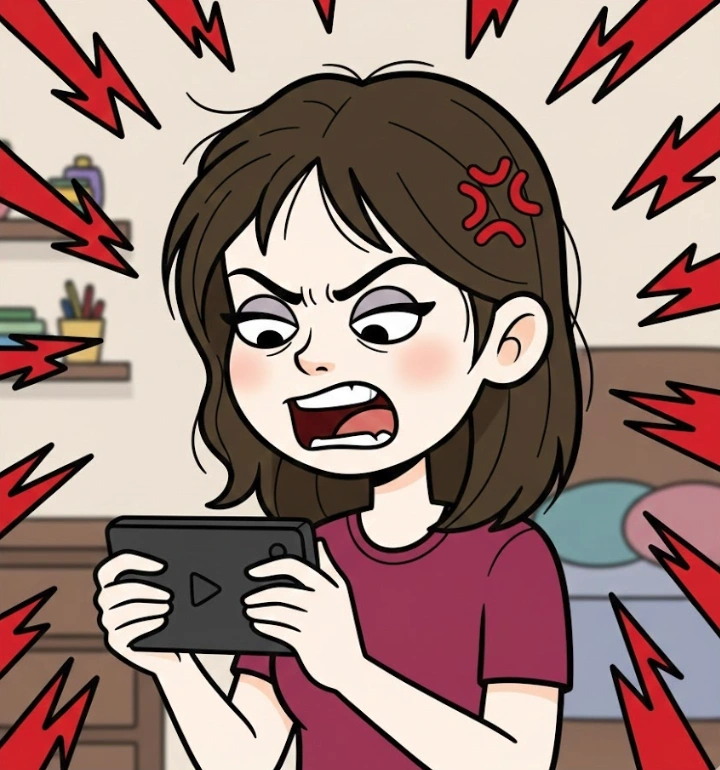
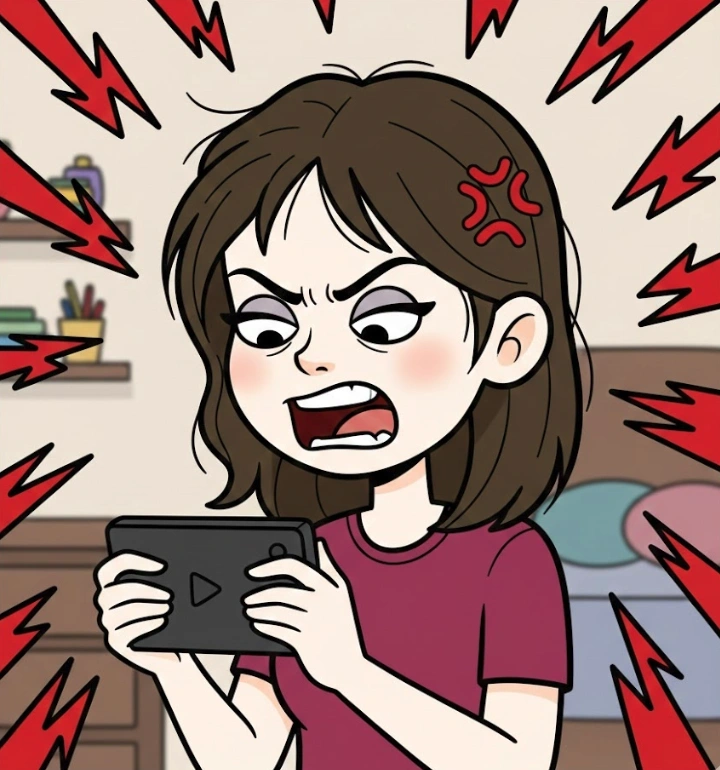
We talk a lot about "rage bait": content creators deliberately poking the bear to farm engagement. But we rarely talk about the bear. Why do we, the audience, keep coming back for the prod? We are witnessing a shift from passive consumption to what I call Digital Masochism: the active, recurring pursuit of content that causes us psychological distress.
The Dopamine of Righteousness
As a student of literature, I’ve always been fascinated by the Anti-Hero, but social media has turned us all into the villain of our own story, or at least, the tragic figure who picks at a spiritual scab.
In a digital landscape that is increasingly beige, filled with sanitized corporate speak, AI-generated art, and curated aestheticism, rage feels incredibly real. It is a high-octane emotion. When we click on the pundit with the horrific take or the influencer promoting a dangerous diet, we aren't just looking for information; we are looking for a hit of righteous indignation.
There is a perverse pleasure in establishing moral superiority. By hate-watching the "villain of the day," we solidify our own identity. I am not like this person, we tell ourselves. I am good. I am rational. I am the protagonist. It is an ego-boost disguised as political awareness. But let’s be honest: doom-scrolling through bad takes isn't activism. It’s emotional regulation through self-harm.
Loneliness and the Communal Scream
Sherry Turkle, the MIT sociologist, famously wrote about being "alone together."
Today, I’d argue we are "angry together."
In a fractured society, rage is one of the few reliable community builders left. Joy is subjective; what I find funny, you might find cringe. But hate? Hate is a universal solvent. We bond over the shared enemy. The comment section under a rage-bait video is a campfire where we warm our hands on the flames of a burning strawman.
This suggests a depressing reality: anger might be the only emotion that makes us feel truly connected in the algorithmic void. It cuts through the numbness of the infinite scroll. If I’m angry, I exist.

The Architecture of Agitation vs. The Architecture of Thought
This dynamic isn't an accident; it is architecture. The major platforms, Twitter (X), TikTok, Facebook, are designed to weigh high-arousal emotions (anger, fear) heavier than low-arousal ones (contentment, nuance). They are the coliseums, and we are both the gladiators and the lions.
However, we are seeing the cracks in this model. Users are exhausted. The cortisol spike is losing its thrill, leaving only burnout. This is where the shift in platform philosophy becomes crucial. We are seeing a slow migration toward spaces that prioritize context over reaction. No wonder Gen-Z is quitting social media.
To me, places like Thoxt or Substack feel like a quiet university library in contrast to a raging public square. Today we need the "slow read" rather than the "hot take", the nuance that rage bait deliberately excises. If traditional social media is a sugar crash, slow social media is a protein-rich meal. These platforms don't offer the instant gratification of dunking on a stranger, but they offer the sustained satisfaction of actually thinking. It’s the difference between shouting into a void and writing a letter.
Putting Down the Lash
We have to stop treating the algorithm like a weather system we have no control over. We are the ones holding the umbrella, or in this case, the lightning rod.
Rage bait only works if we bite. The content creators are merely holding up a mirror, distorting reality to see if we’ll scream at the reflection. Continuing to engage with content that spikes our blood pressure is a choice. It is a decision to prioritize the cheap thrill of hatred over the harder work of indifference or understanding.
So, tonight, I’m trying something radical. I’m closing the app. I’m leaving the delusional man to his toxic workplace and his misogyny. I’m picking up Middlemarch. It might not give me that jolt of adrenaline, but at least it won’t leave me hating strangers I’ll never meet.
#ragebait #socialmedia #internetculture #culture #mindfulness
Login to comment.
3 Thots
More Like This
The Age of On-Demand Therapy
Explore the shift from traditional therapy to microdosing self-healing through digital tools.
We used to schedule therapy. Now we microdose it all day, through spreadsheets, chatbots, and unpublished drafts. Welcome to the ambient era of self-healing.
From the Couch to the Keyboard
Therapy, as a formal ritual, one hour, one office, one professional listener, feels quaint now. In its place, a new mental health architecture has emerged: diffuse, digitized, always on.
It was always like this. We voiced out crazy opinions in our blogs. We consumed mental health shorts and forwarded them on Whatsapp. We typed “I feel weird today” in our stories.We created Instagram archive folders titled ‘feels.’ Now we vent to ChatGPT.
None of these are traditional therapy. But all of them serve the same purpose: to process emotion in real time, on our terms.
The Private Vibe-Zine Organizing Our Feelings
I didn’t mean to start therapy again, but I had been feeling deep for weeks because of some ish.
I just needed to organize my thoughts, jot down some scattered notes for a future article, okay rant, maybe add a few quote screenshots that made me feel seen; I wasn't yet sure how much I'd publish. So I opened my editor on Thoxt.
At first, it felt like a very bad draft waiting to be edited. But then it became a collection of thoughts, a diary of feelings, including who said what and how I should've reacted. Even bits of conversations with Chat-GPT about things that bothered me. I didn't need to publish it anymore - it seemed I had let it all out and that was enough.
A stack of emotional debris, inner monologues, reframed traumas, and stray affirmations. It wasn't a scheduled appointment with a therapist. It wasn’t clinical. It wasn’t even intentional. It was ambient therapy, the kind we don’t name, but keep coming back to.
And it turns out, I’m not alone. Thoxt is becoming a journaling website. Maybe next I'll add cover images and turn those drafts into a 'vibe-zine'!
The Therapist is Everywhere. And No One
Tech didn’t just give us tools. It gave us mirrors.
Chatbots like ChatGPT aren’t technically therapists, they’ll tell you that. But ask anyone who’s ever poured their heart out to one at 3AM: it’s not about credentials. It’s about being received without resistance. It’s about finally saying the thing. It’s about never hearing, “Sorry, I’m out of time.”
What started as novelty, “Can GPT help with my breakup?”, is becoming a regular thing in our lives. AI can’t replace human therapists, but it sits in the space between silence and support.
And in a world where waitlists are long, stigma is real, and your friends are as anxious as you, that space is everything.
Is Your Next Therapy Session in a Spreadsheet?
For older generations, therapy was an event. For younger ones, it’s a browser tab.
Some of us are making Notes app confessions. Some of us are making pros and cons lists in Google Sheets. Others are creating the self-regulation Google Doc. The playlist labeled “processing.” We don’t even call it therapy. We call it:
- Self-improvement
- Productivity
- Journaling
- “Working on myself”
- Mood mapping
- Just vibing
It’s therapy without declaring therapy, and for Gen-why-label-anything-Z, it's normal. and that’s the genius of it. Because it’s casual, it's accessible. Because it's ambient, it's less intimidating. It’s emotional maintenance, not emergency procedure.
Emotional Intelligence is Becoming a UX Feature
Look closely: the most successful digital products of this decade won’t just be frictionless: they’ll be emotionally responsive. OpenAI isn’t winning because ChatGPT is the smartest. It’s winning because it feels the most human.
And for a generation used to performative platforms, Instagram, LinkedIn, X, a tool that simply reflects your feelings back to you is radically intimate. In this world, empathy scales better than information.
What are We Actually Doing Here?
We’re managing our emotions like our emails.,We’re curating our inner lives as content. This type of therapy is not just optimizing for productivity, it's optimizing for clarity.
The lines are blurring between note-taking and confessions, between task management and trauma processing. I didn’t realize it when I started, but my drafts folder on Thoxt has quietly become my inner understanding self. Like a diary from the 00s.....
It's messy. It’s half-formed. It’s not for anyone else to see.
But it’s honest. And in an age of auto-curated vulnerability, that honesty feels revolutionary.
The Future of Therapy isn’t Once a Week. It’s Constant.
What we’re building, with AI, with content, with each other, isn’t a replacement for therapy. It’s something weirder and more profound. Not a place you go, but a thing you constantly do.
OTT-therapy is a layer of yourself you want to discuss privately with your own self. When you type it out, or speak it, it becomes clearer. A layer of your digital life that helps you feel like yourself again.
And maybe that’s the real future of mental health: not better tools, but more ways to be heard, even if the only person reading is yourself.
#MentalWellness #SelfHealing #DigitalTherapy #Mindfulness #TechnologyInHealing

Login to comment.
7 Thots
More Like This
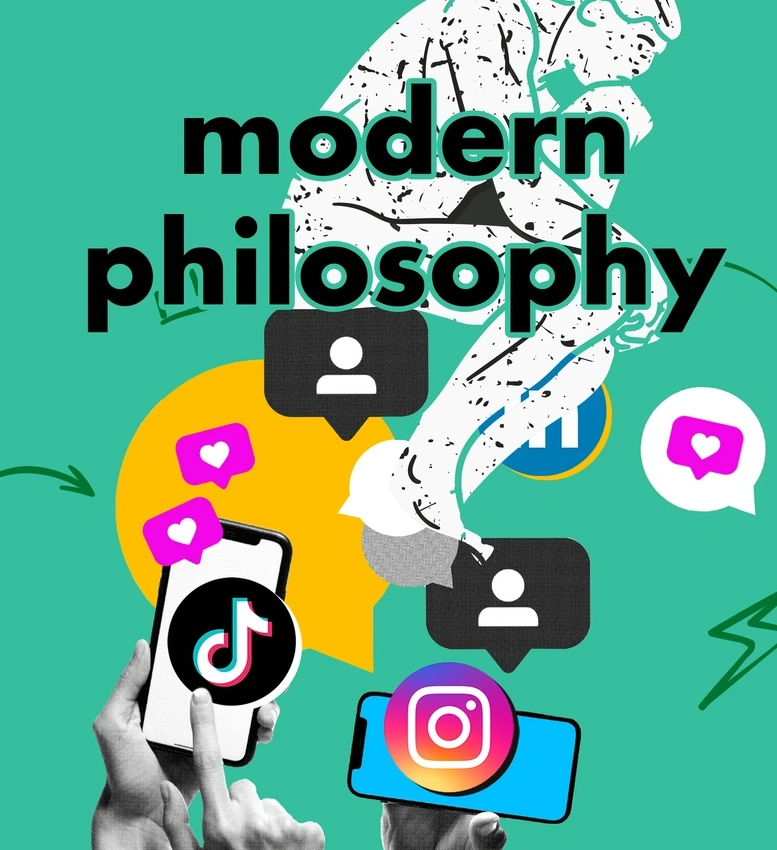
What Is Modern Philosophy? And Why It Matters More Than Ever
Explore how modern philosophy shapes our daily lives, influences our thoughts, and transforms our interactions in the digital age. It's more relevant…
Explore how modern philosophy shapes our daily lives, influences our thoughts, and transforms our interactions in the digital age. It's more relevant than ever!
Philosophy.
For many people, that word sounds like something old and complicated. Like men in robes sitting under trees, asking strange questions. But just like watching TV has evolved to watching reels or shorts, philosophy has evolved too. It isn’t just ancient history. It’s not just books from Greece or long lectures in college halls.
Modern philosophy is different. It’s alive. It’s happening right now, in our minds, on our screens, on social media and in reels, here in our everyday lives. And actually? It’s more important than ever.
What is modern philosophy?
Modern philosophy is the study of life as we live it today. It asks:
- Who am I, when the world keeps changing?
- What does it mean to live a “good life” in this fast, digital, noisy age?
- Why do we feel so lost, even when we have everything?
- What I really believe in, what's my purpose, how can I make a change in the world?
Old philosophy looked at gods, logic, or nature. Modern philosophy looks at us - our emotions, our struggles, our choices. It’s about being human in the 21st century.
And no, it doesn’t mean you have to sit and read 500-year-old books (unless you want to). Modern philosophy can come from a podcast, a poem, a diary entry, or even a quiet moment alone.
Why modern philosophy matters
Because we’re all searching for meaning.
We scroll all day, we work hard, we chase goals, but sometimes, we still feel empty. We ask, “What’s the point?” or “Is this all there is?”
Modern philosophy helps us answer that. Not with perfect solutions, but with better questions. It teaches us to pause. To reflect. To live with more awareness.
It also helps us become mentally strong. Today’s world pushes us to compare, to rush, to always want more. But modern thinkers, from Eckhart Tolle to Jay Shetty to even your local meditation teacher, remind us: Peace is already inside you. You just need to slow down and listen.
What should modern philosophy be?
It should be simple, honest, and practical.
It should meet people where they are, not make them feel small or confused.
It should help us understand pain, build courage, and connect with others in a deeper way.
Modern philosophy is not just for philosophers. It’s for everyone:
- For the teen dealing with anxiety
- For the adult questioning their career
- For the parent trying to raise kind kids
- For you, reading this right now
It’s time to stop thinking philosophy is something outside of us.
We are the philosophers.
Our choices, our thoughts, our values, they shape the world we live in.
So next time you’re feeling lost, tired, or overwhelmed, don’t just ask Google. Ask yourself:
“What do I believe in?”
That’s where modern philosophy begins.
And maybe, just maybe, that’s where healing begins too.
#ModernPhilosophy #PhilosophyToday #EverydayThoughts #DigitalAge #Mindfulness
Login to comment.
7 Thots
More Like This
Meditation in the Social Media Matrix
Are you waking up to your phone first thing? Maybe we can reconnect with life beyond the screen.
Some mornings, I wake up and check my phone before I even remember I have a body. It starts with just a glance - notifications, maybe a news alert - but suddenly I’m 20 minutes deep into someone’s vacation I wasn’t invited to, reading a thread on productivity hacks I’ll forget by noon. It’s not just distraction anymore; it’s default. And that’s what started bothering me.
As an engineer, I used to believe everything could be optimized. Systems, workflows, even thoughts.
But no matter how many apps I downloaded to "track mindfulness," I was still anxious. Still disconnected.
So I tried something else: doing nothing. Just sitting. Breathing. No soundtrack, no goal, no Instagrammable setup, just me and the moment, which, at first, felt unbearable. But over time, it started feeling like home.
The Matrix, but Make It Real
We used to joke about “living in the Matrix,” but no one’s laughing anymore. The algorithm knows us better than we know ourselves, what we’ll click, who we’ll envy, when we’ll pause just long enough for an ad. Social media isn’t just an app; it’s an environment. A space where we perform, compare, and curate until we forget we were never built to be seen this much. The feed loops endlessly, and even when we log off, a part of our brain is still scrolling. That’s the matrix: not a digital prison, but a psychological one, quietly shaping who we think we are.
Meditation in the Post-AI World
Meditation today isn’t like it was a decade ago. We’re not just escaping noise—we’re stepping away from an intelligence that mirrors us too well. AI can write our emails, choose our playlists, even finish our thoughts. But meditation asks us to do the opposite: to be uncertain, messy, human.
No predictive typing, no filters. Just presence. In the post-AI era, meditation isn’t just stillness, it’s resistance. It’s saying: I don’t need to be optimized right now.
I just need to exist, raw and unprocessed, with no agenda except to feel what I’m feeling.
Redefining Introspection
Old-school introspection was quiet and private: journals, long walks, maybe a heart-to-heart. Today, even vulnerability feels performative. We’re encouraged to share everything, to “build authenticity” as a brand.
But true introspection doesn’t ask for an audience. It’s not content. It’s messy, sometimes boring, and deeply honest. In this world, real reflection might look like this: closing your laptop mid-scroll. Letting your mind wander without music or a podcast.
Asking yourself hard questions and not needing to post the answers.
Introspection now is less about finding clarity, and more about reclaiming complexity.
#Mindfulness #DigitalDetox #MorningRoutine #AnxietyRelief #ProductivityHacks
Login to comment.
7 Thots
More Like This
Are Modern Women Too Busy to Daydream?
Modern women need to stop glorifying busy, and aim for me-time that's actually free and healthy.
When was the last time you truly drifted? No goal. No app. No deadline. Just stared at the sky and let your brain go where it wanted? Remember anything?
Yeah. Me neither.
Modern women have killed daydreaming.
The Death of Daydreaming — and Why We Need It Back
In our chase of proving people wrong and literally trying to have it all, we have stopped getting bored and sitting mindlessly, in favor of over scheduling our lives with socializing, work and kids. Oh, and creating IG and Pinterest-worthy homes and meals.
With packed calendars, constant "catch-ups" and "check-ins", endless to-do lists, and the omnipresent lure of social media "breaks," we’ve accidentally bulldozed our free mental space. And in its place? Meetings, meal preps, ‘must-attend’ events, and a TikTok scroll that feels like relaxation but is really just noise.
I’m not just pointing fingers - I’m guilty too. A few weeks ago, I tried to take a "slow Saturday." No plans. No tasks. Just vibe. Within an hour, I found myself reorganizing the pantry, updating the family calendar, and texting three different group chats to "make plans this evening!" The idea of just sitting on my porch and watching clouds felt... wrong. Like I was "wasting" time. (Spoiler: I ended up bingeing Instagram Reels for two hours instead.)
A friend of mine, a Montessori teacher, put it perfectly:
"Children naturally drift into daydreams. We trained it out of ourselves."
And she's right. Somewhere between ballet classes, book reports, and now "boss babe" culture, we learned that empty time was dangerous. Wasteful. A threat to productivity.
In fact, even those who practice mindful living and quiet quitting at work find themselves without any free-free time, even me-times have converted into doomscrolling in the last couple of years.
Modern Life has Sidelined Daydreaming & Creativity.
But science screams otherwise. A 2022 study published in Frontiers in Psychology found that daydreaming enhances creativity, future planning, and emotional resilience. Meanwhile, researchers at the University of British Columbia discovered that "mind-wandering" activates brain regions associated with problem-solving and self-reflection. Disconnecting and drifting can lead to a happier, more balanced life.
Let’s be real: We’re not "living our best lives." We’re overbooked, overstimulated, and starving for real mental freedom.
Here's my unpopular opinion: Modern women need to stop glorifying busy. Stop weaponizing self-improvement. Stop treating every spare second like it's a productivity contest.
Want to be truly radical in 2025? Don't hustle harder. Don't "optimize" your Sundays and evenings.
Sit. Stare. Wander.
Because the real luxury isn't a curated social feed or a color-coded planner. It's an unstructured afternoon with nothing - and I mean nothing - on your mind.
Bring back cloud-staring. Bring back doodling. Bring back slow.
It's not laziness. It's life.
Login to comment.
4 Thots
More Like This
Comments
-
Loading...
-
-
-
-
-
-
-
Please select a valid reason.
Login to comment.