The Tradwife Aesthetic is a Digital Illusion We Need to Stop Buying

The Tradwife Aesthetic is a Digital Illusion We Need to Stop Buying
Why are we obsessed with a version of the 1950s that only exists on Instagram? Let's dive into the reality behind the sourdough and floral dresses.
The Tradwife Trap: Living in a Past That Never Was
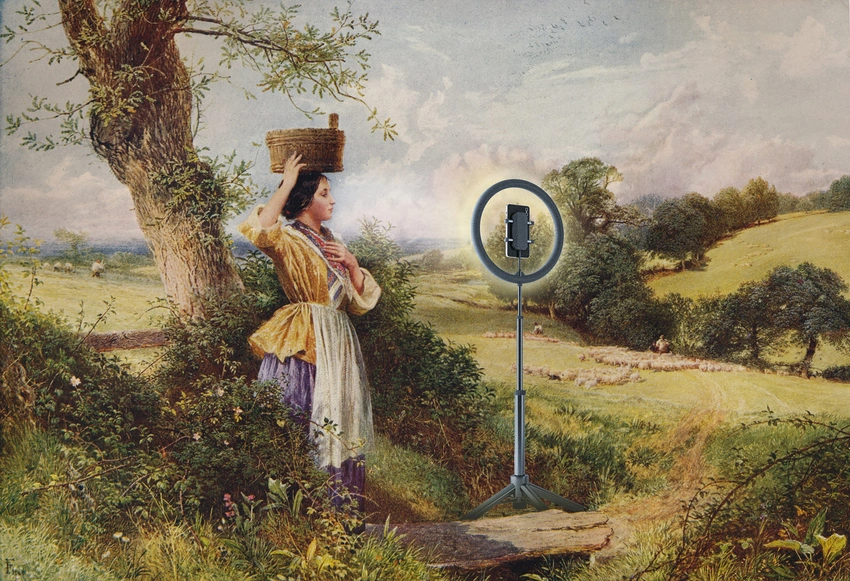
If you have spent any time on social media lately, you have seen the aesthetic. It is all sun-drenched kitchens, handmade sourdough, and floral dresses that look like they belong in a pioneer drama. The tradwife movement is booming, promising a return to a simpler time when roles were clear and life was slow. But here is the catch: the version of history being sold to us is a filtered fantasy.
The Filtered Reality
When we scroll through these videos, we see the beauty of the domestic sphere without any of the struggle. We see the freshly baked bread but not the lack of financial independence. We see the vintage fashion but not the systemic barriers that defined the eras these creators are mimicking. By turning a lifestyle into a curated brand, the movement strips away the context of what life was actually like for women in the past.
A Fiction of Our Own Making
Interestingly, even our fiction is starting to catch on to this obsession. New stories are emerging in the literary world that deconstruct this very desire to escape into a sanitized version of the past. These narratives remind us that the good old days were often only good for a very specific group of people. When we romanticize the 1950s or the prairie era, we are often just projecting our modern burnout onto a background that never really existed.
Why We Keep Watching
It is easy to see the appeal. Modern life is loud, digital, and exhausting. The idea of trading a corporate grind for a quiet life of gardening and homemaking feels like a radical act of self-care. However, there is a big difference between enjoying a hobby and advocating for a return to restrictive social structures.
The Bottom Line
We can appreciate the aesthetic without falling into the trap. You can bake the bread and wear the dress without buying into the idea that progress was a mistake. Let us keep the convenience of the present while enjoying the slow moments of the past, but let us never forget why we moved forward in the first place.
