Brat by Charli XCX: Camp, Capital, and Confession as Aesthetics

Brat by Charli XCX: Camp, Capital, and Confession as Aesthetics
Brat by Charli XCX: Camp, Capital, and Confession as Aesthetics
Explore how Brat Summer transcends mere virality, transforming music, memes, and fashion into a powerful cultural movement.
To think of Brat Summer merely as a viral moment spurred by Charli XCX’s brat album and a deluge of memes, TikToks, DJ sets, and fashion would be to underestimate the force of cultural narratives that evolve into atmosphere. It can be unpacked not only as a musical release but also as a mood, a meme, and a movement. For a postgraduate student steeped in literature and cultural studies, this phenomenon is ripe for deeper textual and theoretical excavation.

The Aesthetics of Anti-Aestheticism
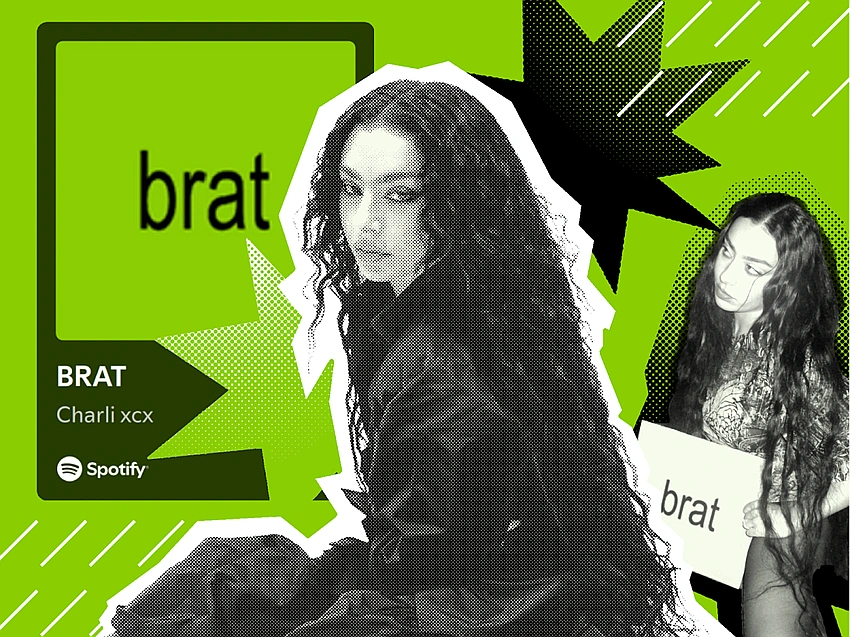
The central irony of brat lies in its deliberately “ugly” design. The neon green, lowercase, minimalist cover art, to the point of being anti-graphic, is a form of visual anti-aestheticism. It recalls Sontag’s Notes on Camp (1964), where sensibility matters more than content. Brat doesn’t just dabble in camp, though it resists legibility. The visual cues reject elegance in favour of provocation, daring the observer to categorise it.
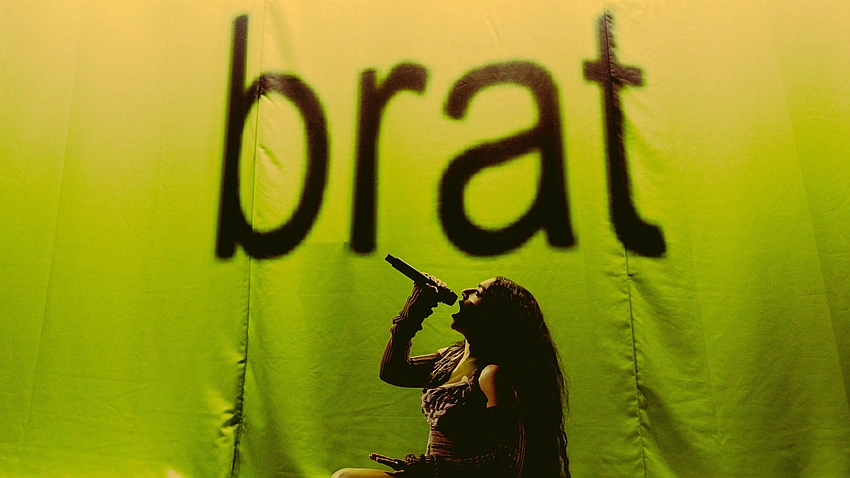
But this is not mere aesthetic rebellion; it’s a knowing play on the machinery of music marketing. The colour “brat green” quickly became ubiquitous at concerts, online, and even in commercial rollouts. The refusal of traditional beauty paradoxically became a cohesive branding strategy. In this way, Charli XCX executes what postmodern theorists like Jean Baudrillard might call a simulation: an image that refers only to itself. Brat’s aesthetic exists in a closed loop of cultural reference, self-parody, and self-mythology.
Meta-Pop and the Poststructural It-Girl
Brat can be put within the lineage of Charli’s meta-pop era. Songs like Von Dutch and 360 construct a hyper-aware “it girl” persona, one that simultaneously inhabits and critiques its fabrication. There is something distinctly poststructural about Charli’s approach to identity: she reveals the constructedness of the pop star as a textual body, a subjectivity produced by discourse.
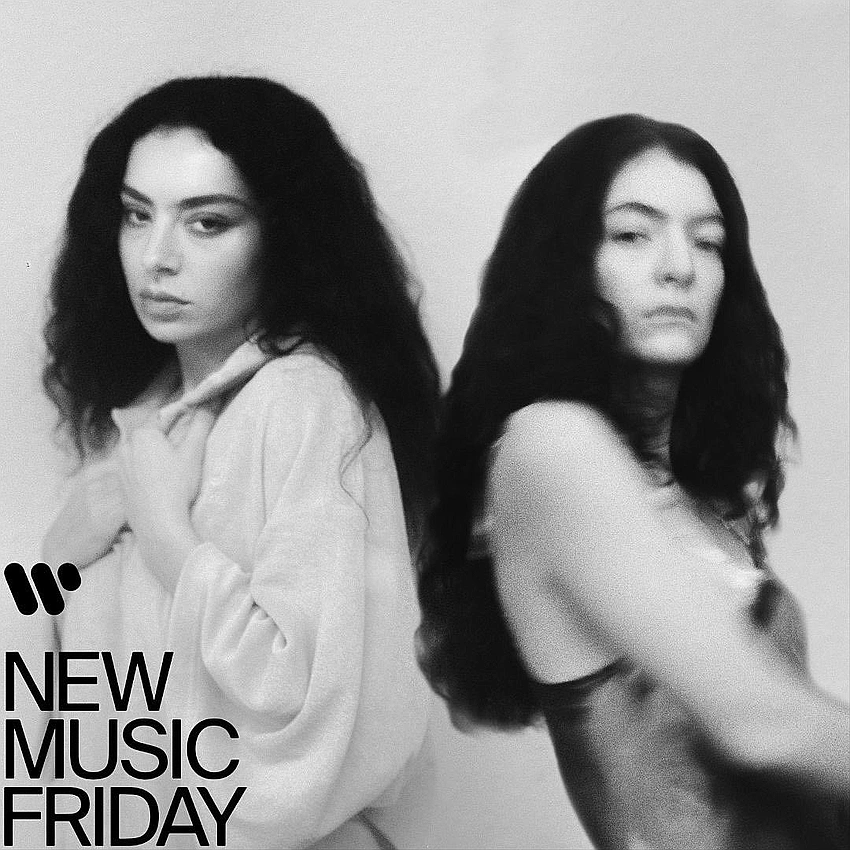
Consider Girl, So Confusing, where Charli sings of fraught female friendship, or rivalry, or perhaps projection. The lyrics refuse confession and instead layer ambiguity: “I don’t know if you like me / sometimes I think you might hate me.” These lines delivered in a flattened tone resist the emotional climax we expect from pop. The effect is muted, the performance restrained, and this withholding is precisely what makes the moment charged.
The cultural resonance of this moment lies in its double meaning. On one level, it’s a simple girl-versus-girl narrative; on another, it implicates the listener in the very mechanisms of comparison and projection that fuel pop stardom. This ambiguity can be put into Charli’s broader project: a pop artist who, unlike Taylor Swift or Billie Eilish, does not offer intimacy but performs alienation.
Vulnerability as Strategy
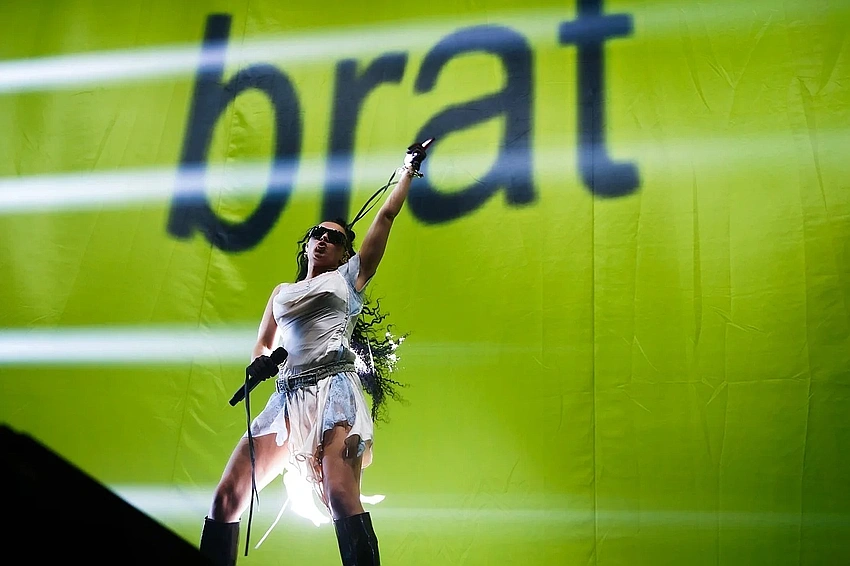
Charli’s brand of vulnerability is not confessional but strategic. She reveals just enough of her “brattiness,” her messiness, insecurity, and pettiness to feel real, but never enough to lose control of the narrative. This balancing act is emblematic of what cultural theorist Rosalind Gill calls “the new femininity,” a performance of emotional openness that is carefully managed, often as a survival tactic in digital economies of attention.
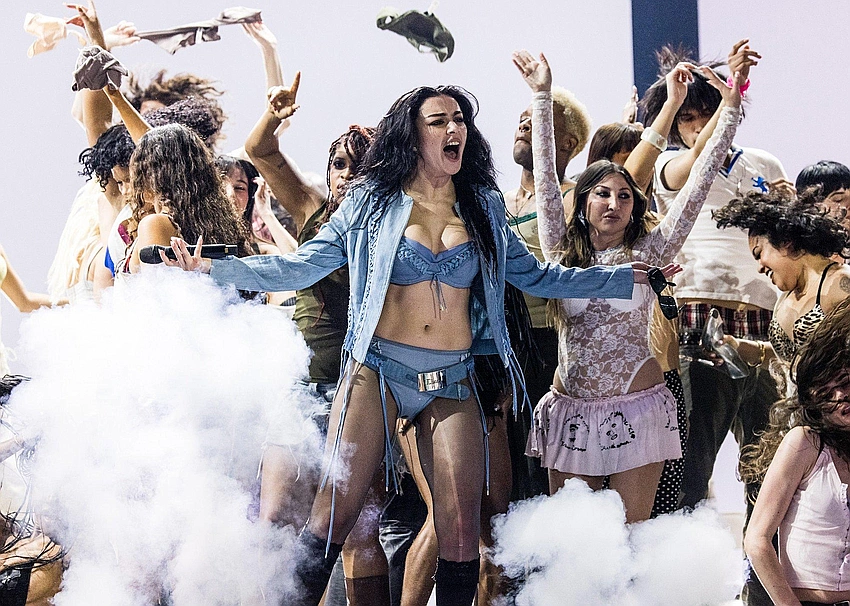
Charli’s lyrics are rife with contradictions. She admits to not being the prettiest or the smartest and confesses to envying other women in the industry. Yet in doing so, she also reasserts her uniqueness. This paradox mirrors the lived experience of many of her listeners, especially young women online who are socialised to be “relatable” but also exceptional, vulnerable but still aspirational.
This strategic vulnerability is a hallmark of what can be termed “confessional capitalism,” where the commodification of self-disclosure becomes a branding device.
Brat Summer as Cultural Text
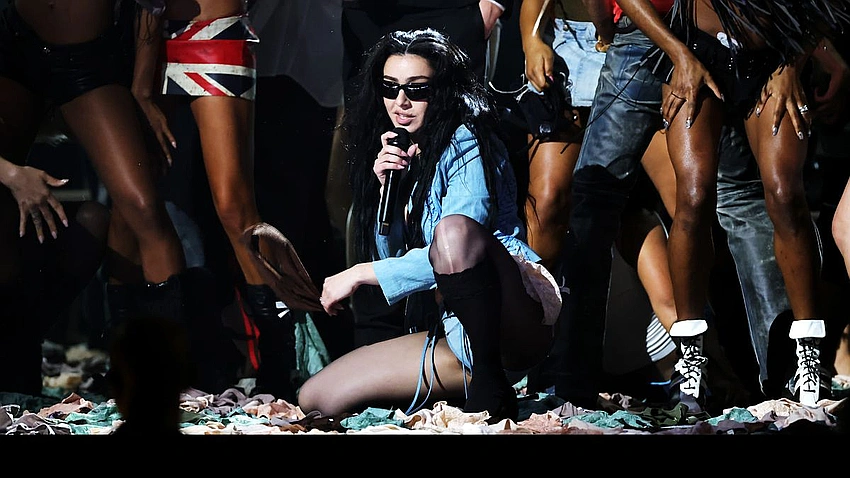
The term “Brat Summer,” like “Hot Girl Summer” before it, serves more as a cultural vibe than a specific aesthetic—a stance rather than a defined look. While Hot Girl Summer was characterised by empowerment and pleasure, Brat Summer is characterised by self-loathing, overconsumption, insecurity, and the theatricality of not caring. In a sense, it’s a feminist reclaiming of socially devalued emotions like envy, shame, and spite as valid aesthetic and emotional expressions.
Subculture, Co-Option, and Capital
A key concern is the tension between subculture and commodification. Brat Summer began as a kind of digital rave, a shared aesthetic among queer fans, club kids, and fashion misfits, but quickly became an object of mass cultural consumption.
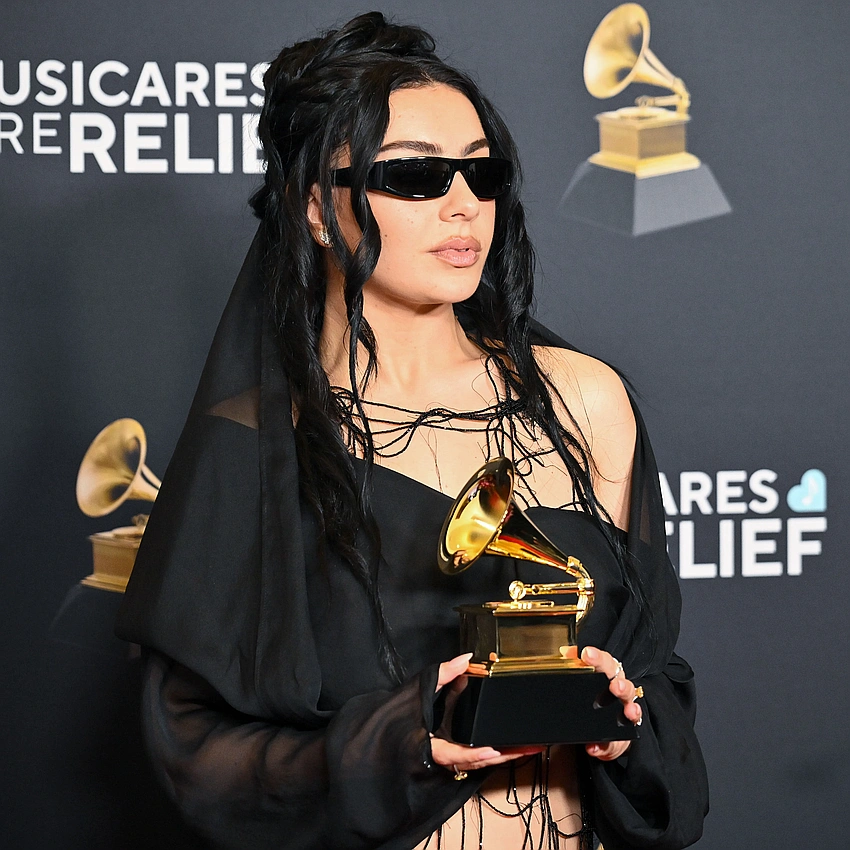 With branded content, memes, celebrity cosigns, and social media virality, Brat evolved into a lifestyle brand. This transformation exemplifies what Sarah Thornton calls “subcultural capital,” the process by which niche cultural forms gain mainstream traction by being recognised as “cool.”
But coolness is inherently unstable: it resists permanence, and once it is commodified, it becomes suspect. Charli’s genius, perhaps, lies in foregrounding this contradiction. Her lyrics seem to mock the very mechanisms that market her. This is the work of a trickster artist, one who exposes the game whilst still playing it. Brat Summer, then, is not just a mood; it is a self-consuming spectacle.
The Afterlife of Brat
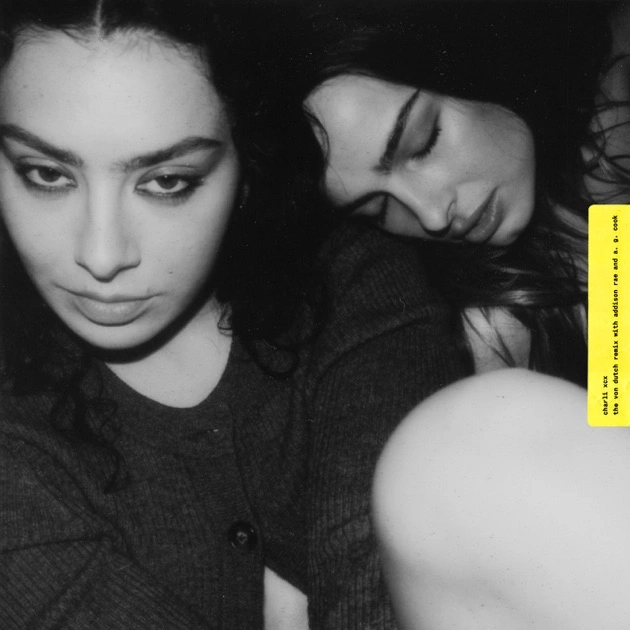
There is something almost novelistic about the way Charli XCX constructs worlds. Not in a Tolkien-esque manner, but through fragments, posts, club visuals, inside jokes, and sonic dissonance. Brat isn’t a linear narrative but a fragmented archive. Its afterlife exists not on the charts, but in memes, DJ sets, fan videos, and the “brat” parties in Berlin, New York, and Mumbai.
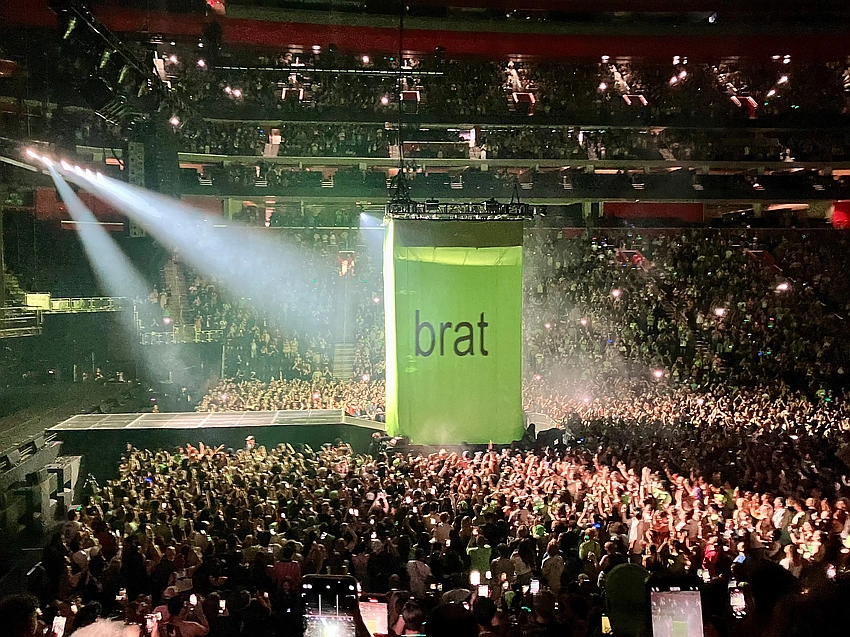
Brat Summer is a time capsule of a very specific cultural moment: post-pandemic disillusionment, hyper-digital performance, and the rise of curated chaos. For those of us in the humanities, it demands to be read, not just listened to. It is a text written in lowercase, under club lighting, in green.
And like all good literature, it refuses to give us the ending we anticipate.
#BratSummer #CharliXCX #CulturalNarratives #AntiAesthetic #MusicTrends #Brat #Hyperpop #MusicReview #SocialMedia #InternetCulture #Meme
