LUX by Rosalia: Her Most Ambitious Album Yet

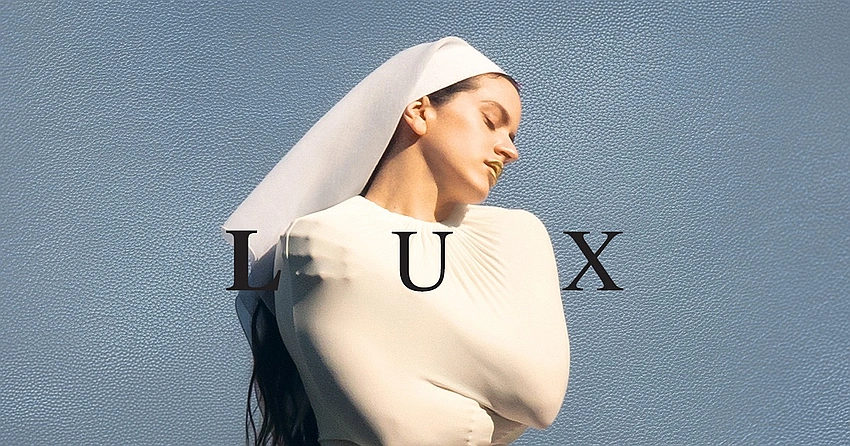
LUX by Rosalia: Her Most Ambitious Album Yet
LUX by Rosalia: Her Most Ambitious Album Yet
Rosalía teams with the London Symphony Orchestra for LUX, delivering a four-movement pop opus that blends liturgical grandeur with 13 languages. A bold, coherent voyage of mysticism and feminine transcendence.
When I first heard that Rosalía was collaborating with the London Symphony Orchestra for her fourth studio album, LUX, I felt a mixture of excitement and trepidation. As a pop fan, I was thrilled, but as someone steeped in literary study, I wondered how she would negotiate such enormous ambition without tipping into pretension. Listening through, LUX proved not just daring, but deeply, achingly coherent: a four-movement journey that feels like a modern hymn, an oratorio, and a confession all at once.
Four Movements, Many Voices
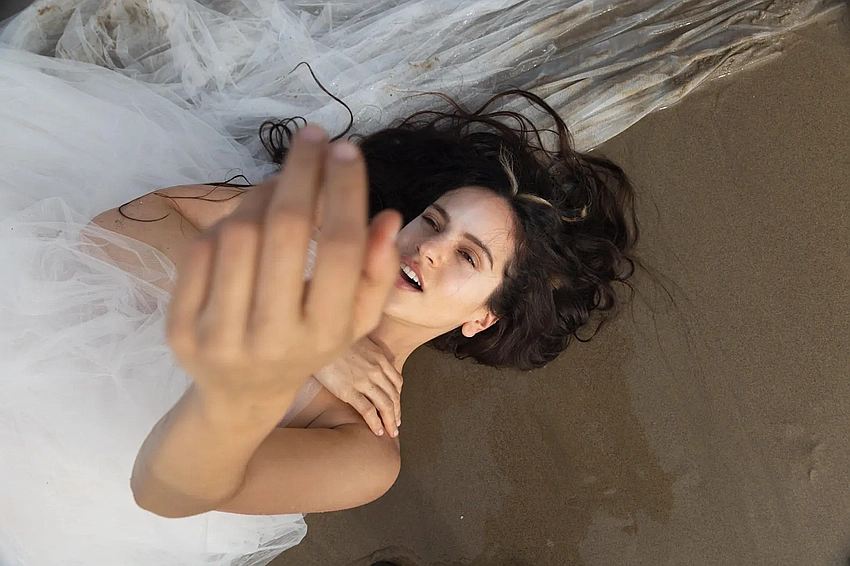
Structurally, the album is divided into four movements, which is a bold framing for a pop record. Rosalía’s decision to sing in 13 languages, including Catalan, Italian, Arabic, Mandarin and more, feels like a thematic gesture, a literary device in sound, as if each language invokes a different facet of the sacred feminine she’s exploring.
Mysticism, Saints, and Feminine Transcendence
At the heart of LUX lies a spiritual quest. Rosalía draws inspiration from the lives of female saints, lyrical hagiographies, and mystical traditions. Her exploration of mortality, lust, purity, and idolatry is hardly superficial: she reimagines sainthood in her own mythos, interrogating fame, celebrity and self-worth through a deeply feminine lens.
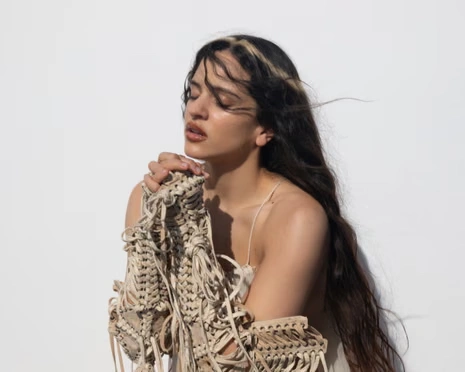
Songs like Mio Cristo Piange Diamanti feel like arias she sings in Italian, her voice reaching for something ineffable. At the same time, Novia Robot uses a satirical consumer-commercial framing (in Mandarin and Hebrew) to critique objectification and capitalism. It’s this tension between reverence and rebellion that gives the album its moral and emotional gravity.
Pop, But Make It Orchestral
Musically, LUX is both radical and intimate. Yes, there are sweeping string sections, choirs, timpani, but Rosalía doesn’t abandon her pop roots. Auto-Tune drifts through tracks like spectral memory; hip-hop cadences come through even amid orchestral weight. The effect is like walking through a grand cathedral, while your phone buzzes in your pocket. She manages to fuse the sacred and the modern without compromising either.
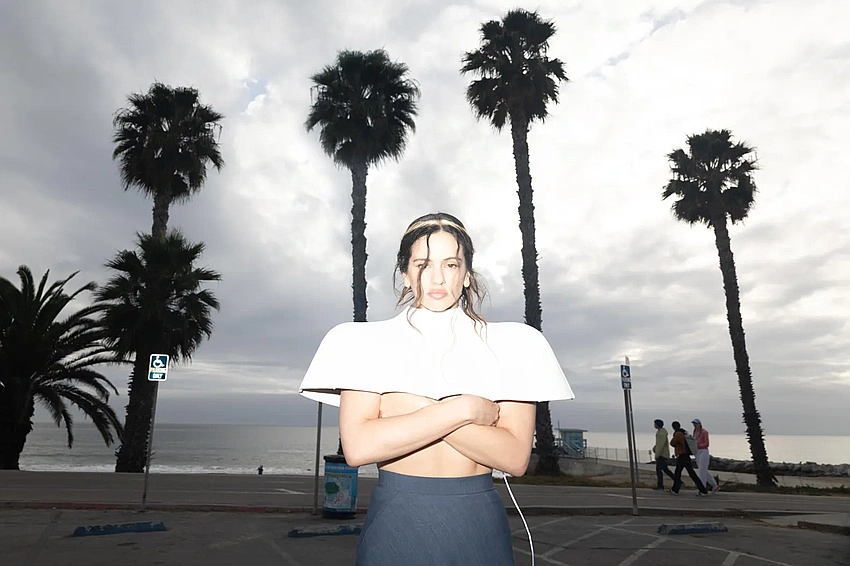
For example, the lead single Berghain, featuring Björk and Yves Tumor, is operatic in its structure yet charged with electronic drama. It’s a song that feels both eternal and dangerously immediate, almost like a ritual in a nightclub.
Literary Resonances & Emotional Arc
As someone trained in literature, I couldn’t help but pick up thematic echoes of spiritual autobiography, pilgrimage and even feminist theology. Through LUX, Rosalía crafts her own sacred text, not in words alone, but in tonal shifts, languages, and sonic architecture. She offers an album that rewards patience, introspection, and repeated listening.
In La Perla, the barbs she hurls (“emotional terrorist”, “world-class fuck-up”) are scathing, yet framed within a waltz, a paradox of menace and elegance. And in Magnolias, the final track, there’s a sense of graceful closure of an ascent, perhaps, into a quiet light.
In a world that often privileges the quick hit, the streamable beat and the social-media-friendly hook, Rosalía’s LUX feels like an act of resistance. As someone who loves both catchy choruses and rich texts, I find it deeply satisfying: challenging, yes, but also strangely consoling.
If you’re willing to sit with it and to surrender to its demands, LUX gives back in luminous ways. Highly recommended for those who crave pop with purpose.
#Rosalía #LUX #LondonSymphonyOrchestra #ModernHymn #MultilingualMusic #AlbumReview #MusicReview #PopMusic #PopCulture
