Vince Staples' Cry Baby: lean, urgent storytelling with live-rock power

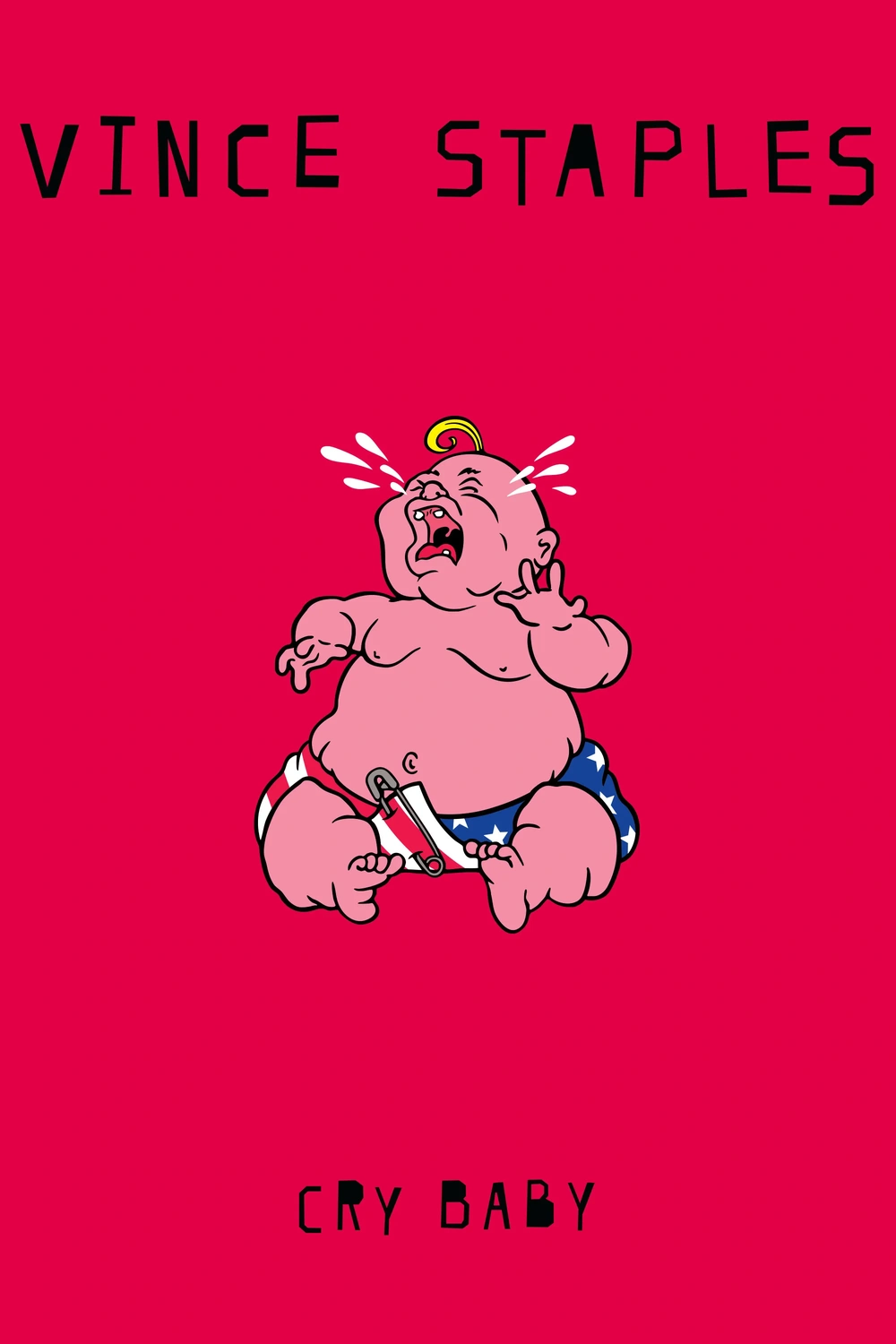
Vince Staples' Cry Baby: lean, urgent storytelling with live-rock power
Vince Staples' Cry Baby: lean, urgent storytelling with live-rock power
Vince Staples widens Cry Baby's lens, blending live rock, post-punk, and funk with urgent production. A lean, direct album that weighs nationalism, media spectacle, and life in a country that often misses its people.
Vince Staples has always written from the edges of America. His albums rarely settle for autobiography alone, even when they are intensely personal. On Cry Baby, he widens his frame. The streets of Long Beach remain present, but they become part of a much larger story about nationalism, violence, media spectacle and the exhaustion of living inside a country that repeatedly fails its own people. Rather than chasing the maximalism that dominates contemporary hip-hop, Staples delivers an album that feels lean, tense and startlingly direct.
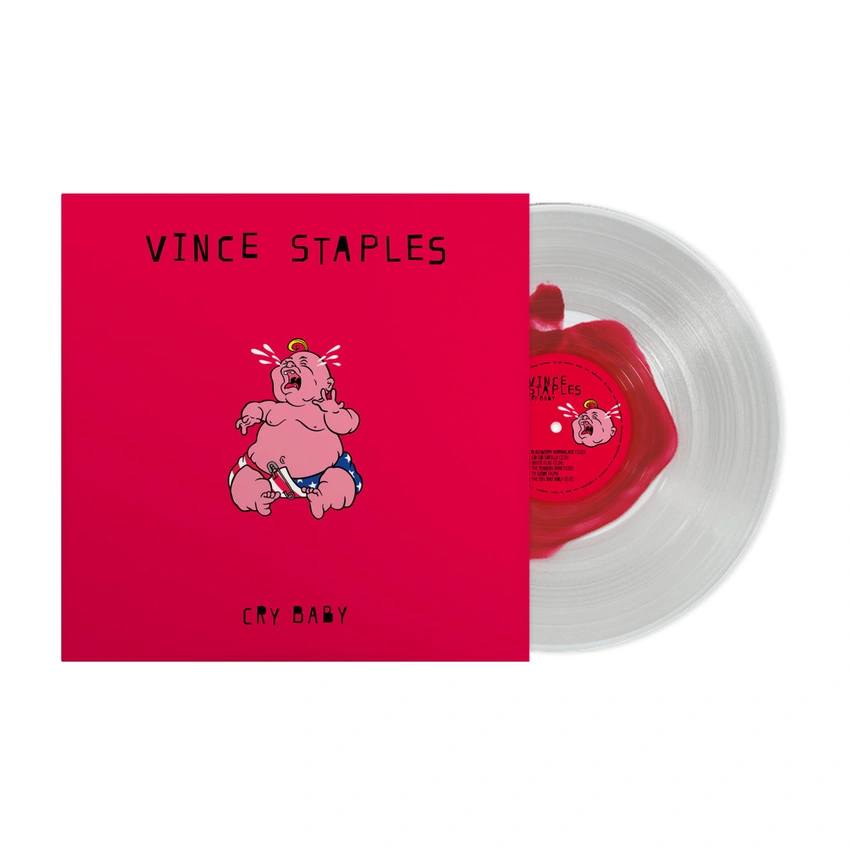
When Anger Becomes the Soundtrack
One of the most striking aspects of Cry Baby is its musical shift. The album embraces live instrumentation, pulling heavily from rock, post-punk and funk while never abandoning Staples' unmistakable cadence. Guitars grind against thick basslines, drums feel physical rather than programmed, and the production often carries a sense of urgency before Staples even begins rapping. It is not simply a stylistic experiment. The music mirrors the emotional state of the record itself.
Rock has always had Black origins, despite decades of cultural rewriting. Hearing Staples occupy that sonic space therefore feels politically meaningful rather than merely fashionable. The distorted guitars and aggressive rhythms do not dilute his identity as a rapper. Instead, they expand the vocabulary through which he speaks about America.
America Without Illusions
Cry Baby is perhaps Vince Staples' least interested album in individual redemption. Previous records often found moments of reflection or emotional intimacy amid stories of survival. Here, the focus shifts towards systems rather than individuals. Police violence, economic inequality, media manipulation and institutional power appear repeatedly, not as isolated issues but as interconnected realities.

What makes Staples such a compelling writer is that he refuses melodrama. His observations are delivered with remarkable restraint. He often sounds calm even while describing horrifying conditions, allowing listeners to experience the contradiction themselves. The emotional force comes from understatement rather than theatrical performance.
That approach also explains why the album rarely feels preachy. Staples is not offering solutions or presenting himself as a moral authority. He simply documents a society where injustice has become ordinary.
Less Storytelling, More Diagnosis
The most noticeable difference between Cry Baby and albums like Ramona Park Broke My Heart or Dark Times is narrative perspective. Earlier projects often unfolded through memories, neighbourhood histories and intimate portraits of people. Cry Baby zooms outward.
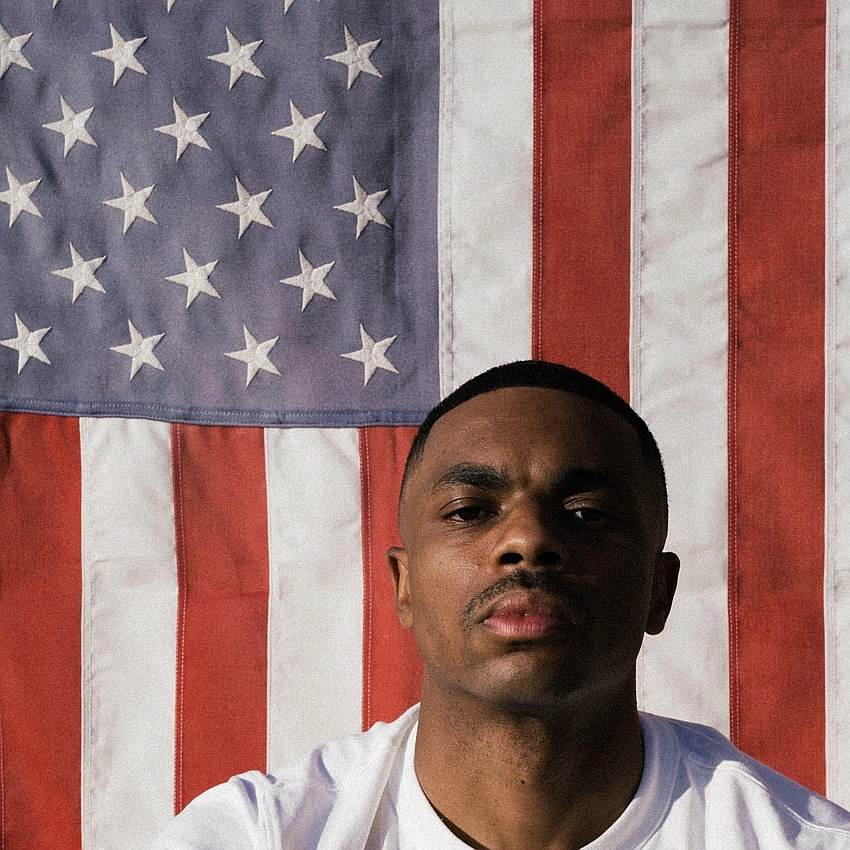
The songs function almost like cultural diagnoses. Rather than asking listeners to sympathise with one person's experience, Staples asks them to recognise patterns that extend beyond any single biography. The album examines how violence reproduces itself, how nationalism shapes identity and how entertainment frequently distracts us from structural problems.
For that reason, Cry Baby feels less like a memoir and more like social criticism set to music.
Why the Album Feels So Immediate
There is an interesting tension running throughout the record. Musically, it often sounds energetic, even exhilarating. Yet lyrically, it remains deeply pessimistic. The clash between infectious grooves and bleak subject matter creates an unsettling listening experience.
That contradiction reflects contemporary life remarkably well. Modern media constantly packages crisis as entertainment. We scroll through war, economic anxiety and political instability alongside memes, advertisements and celebrity gossip. Staples captures that emotional dissonance without needing to explain it directly. The songs themselves embody it.
The result is an album that rewards repeated listening. The production invites immediate engagement, while the writing reveals new layers with every return.

A Different Kind of Protest Record
It would be easy to label Cry Baby a political album, but that description feels incomplete. Protest music often imagines a future beyond oppression or attempts to inspire collective optimism. Staples seems less interested in hope than in clarity.
His lyrics refuse comforting narratives. America is not portrayed as temporarily broken. Instead, its contradictions are presented as foundational. The album asks listeners to confront uncomfortable histories rather than believe in easy redemption.
That bleakness does not make the record nihilistic. If anything, it suggests that genuine change begins with refusing illusion. The title Cry Baby itself carries an ironic bite. Expressions of pain are often dismissed as weakness, particularly when marginalised communities speak about systemic injustice. Staples turns that dismissal back on itself, insisting that acknowledging suffering is not fragility but honesty.
#VinceStaples #CryBaby #HipHopMusic #LiveInstruments #MusicReview
