Gracie Abrams' 'Daughter From Hell' Is Stuck in the House It Built

Gracie Abrams' 'Daughter From Hell' Is Stuck in the House It Built
Gracie Abrams' 'Daughter From Hell' Is Stuck in the House It Built
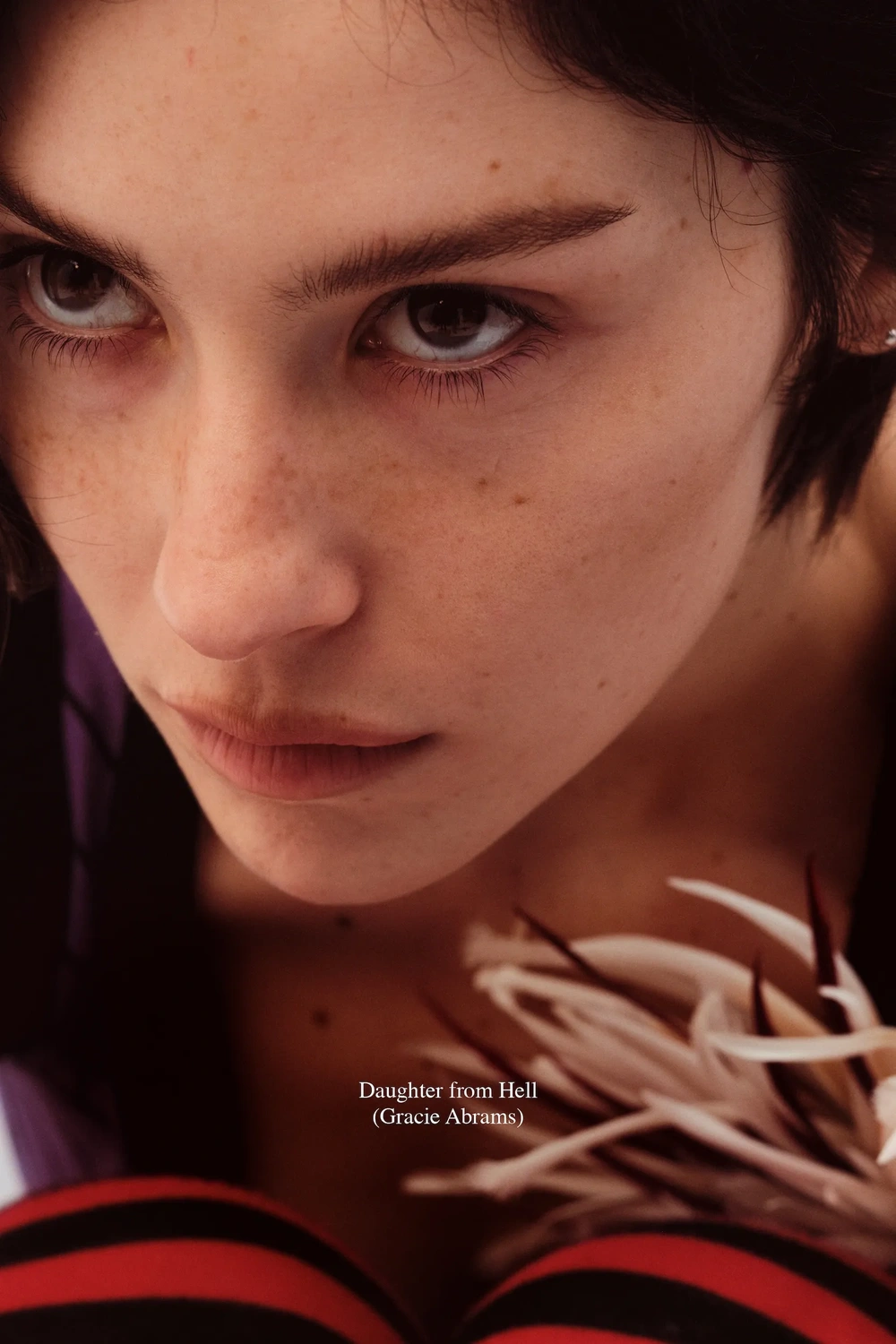
Gracie Abrams' Daughter From Hell promises transformation; the album's intimate vocal work hints at darker themes, but the music rarely matches the weight, making it a thoughtful, restrained listen.
Gracie Abrams has spent the better part of this decade perfecting intimacy. Her songs have always thrived on whispered confessions, half-finished thoughts and the emotional precision of someone writing long after everyone else has gone to sleep. It was a compelling identity when it first emerged. On Daughter From Hell, however, that intimacy begins to feel less like a strength and more like a limitation.
The album arrives with a title that promises transformation. Daughter From Hell suggests rage, inherited trauma and a willingness to confront uglier parts of the self. Abrams certainly gestures towards these themes. Her lyrics are filled with ghosts, blood, wounds and fractured relationships. Yet the music rarely matches the emotional weight it invokes. The result is an album that wants to sound haunted but never quite escapes the comfort of its own aesthetic.
It is not a bad record. It is simply one that never becomes as daring as it believes itself to be.
Darkness without danger
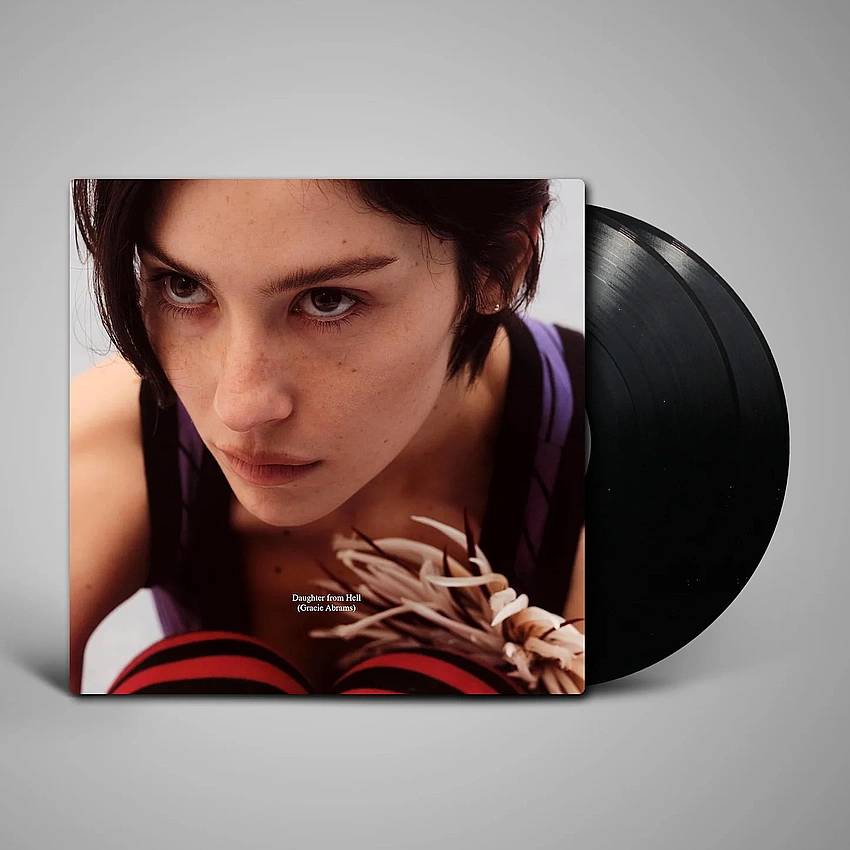
One of the record's recurring contradictions lies in the relationship between its lyrics and its sound. Abrams reaches for increasingly unsettling imagery, but Aaron Dessner's production remains remarkably restrained. Acoustic guitars, gentle piano and understated percussion dominate almost every track, creating an atmosphere so polished that the emotional turbulence often loses its force.
There is a difference between subtlety and hesitation. Daughter From Hell frequently mistakes one for the other.
This soft musical landscape worked beautifully on Good Riddance because its emotional scale was deliberately intimate. Here, however, Abrams is attempting something larger. She wants to write about inheritance, self-loathing and the parts of adulthood that cannot simply be blamed on failed relationships. Yet the production rarely evolves alongside those ambitions. Instead of amplifying the darkness, it cushions it.
The album repeatedly tells us we are descending into hell while sounding reluctant to leave familiar ground.
When vulnerability becomes repetition
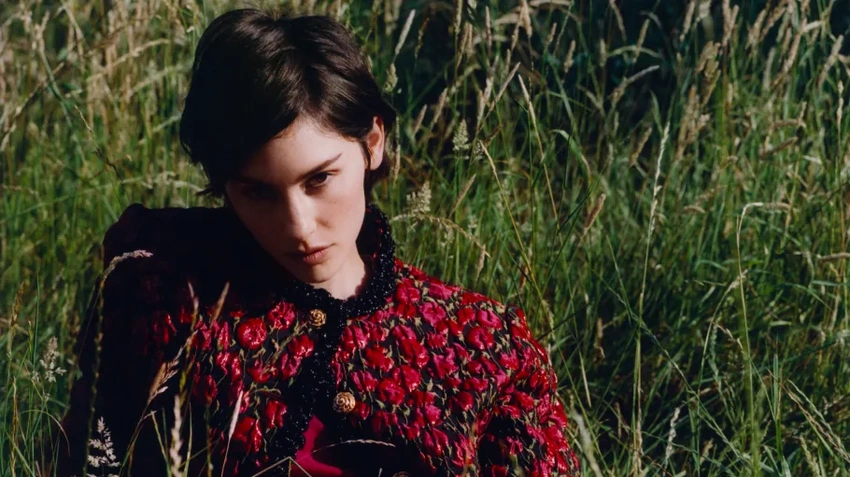
Abrams has built an impressive career by making vulnerability feel conversational. That quality remains intact here, but after several albums built upon the same emotional vocabulary, its impact has inevitably begun to diminish.
Many songs blur together, not because they lack craft, but because they occupy almost identical emotional and sonic spaces. Whispered vocals, carefully measured crescendos and elliptical lyrics return so frequently that individual tracks struggle to establish distinct identities. Listening to the album straight through becomes an exercise in recognising patterns rather than discovering surprises.
That predictability is perhaps the album's greatest flaw. Growth is suggested far more often than it is realised.
The songs that point elsewhere
Ironically, the strongest moments on Daughter From Hell are those that abandon Abrams' established formula.
The title track is the clearest example. Turning her attention towards her mother rather than another failed romance, Abrams finally expands the emotional scope of her writing. The heavier guitars and broader vocal performance introduce genuine urgency, making the song feel refreshingly unpredictable within the context of the record.

Moments like these reveal an artist capable of reinvention.
Unfortunately, they remain exceptions.
Elsewhere, Abrams often favours emotional ambiguity over narrative clarity. The songs evoke feelings with remarkable sensitivity but frequently stop short of developing them into memorable stories. Instead of deepening the album's emotional complexity, this abstraction occasionally leaves it feeling curiously weightless.
The Aaron Dessner question
It is impossible to discuss modern Gracie Abrams without discussing Aaron Dessner. His production has become inseparable from her artistic identity, shaping not only how the songs sound but how they move.
That partnership has produced genuinely beautiful music. Yet Daughter From Hell raises an uncomfortable question about creative familiarity.
By now, the sonic language they share has become almost too recognisable. Fingerpicked guitars drift into muted pianos. Percussion arrives exactly when expected. Climaxes remain carefully controlled. Even when individual arrangements are elegant, the cumulative effect becomes surprisingly monotonous.
Rather than pushing Abrams into unfamiliar territory, the production often reinforces habits she may have already outgrown.
An artist caught between comfort and evolution
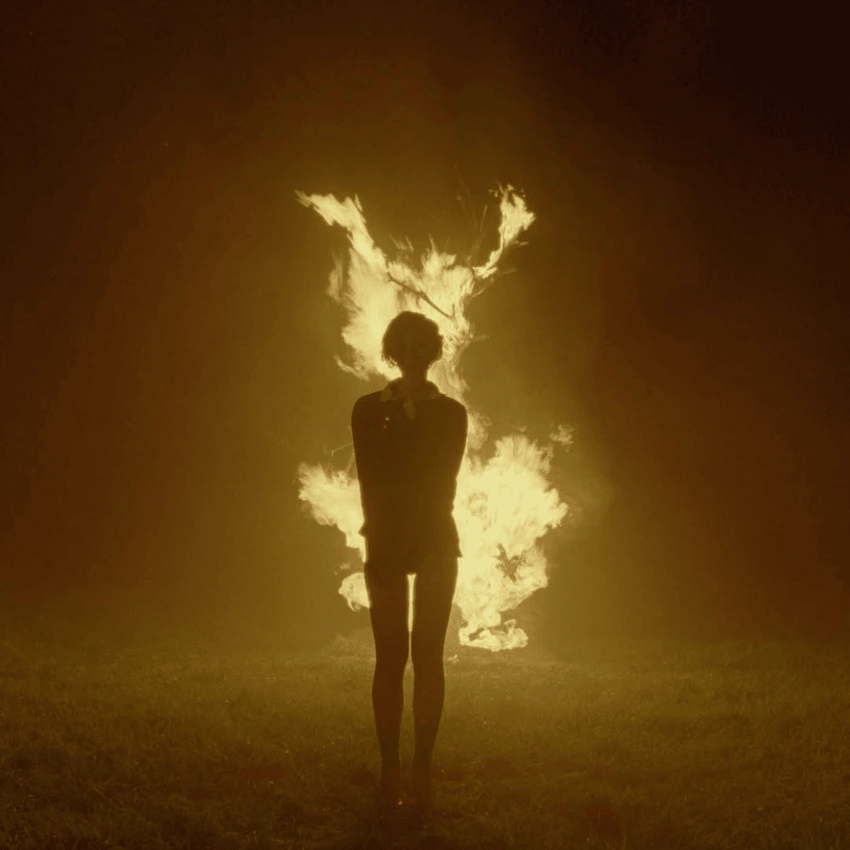
What makes Daughter From Hell frustrating is not its quality but its restraint. Abrams is clearly reaching for something more expansive than the diaristic songwriting that first defined her. She wants to write about identity rather than simply romance, about inherited pain rather than temporary heartbreak.
Those ambitions are admirable.
The execution, however, rarely escapes the gravitational pull of her earlier work.
Compared with The Secret of Us, whose hooks and emotional immediacy made it feel unexpectedly vibrant, Daughter From Hell often sounds muted. It replaces immediacy with atmosphere, but atmosphere alone cannot sustain an album for forty-five minutes.
In trying to become more literary, Abrams occasionally forgets to become more memorable.
Daughter From Hell is unlikely to alienate Gracie Abrams' existing audience. The qualities that have made her beloved remain present: careful songwriting, emotional sincerity and beautifully understated performances.
But this feels less like an artistic breakthrough than an artist circling familiar emotional territory with darker language. The album reaches towards reinvention without ever fully committing to it.
Sometimes the most frightening thing is not descending into hell.
It is realising you never actually left home.
#GracieAbrams #DaughterFromHell #MusicReview #IndiePop #AlbumReview
