Beyoncé, Cowboy Carter, and Whitewashed Country Music Racism

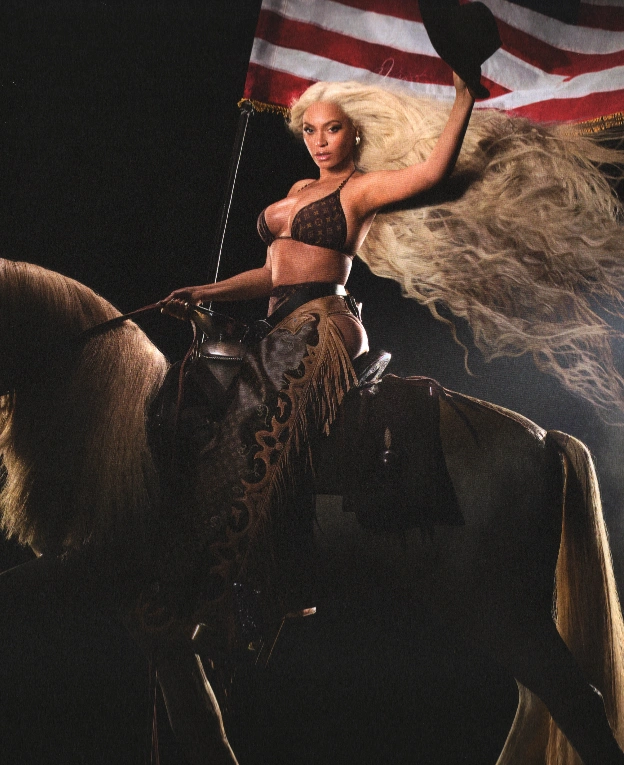
Beyoncé, Cowboy Carter, and Whitewashed Country Music Racism
Beyoncé, Cowboy Carter, and Whitewashed Country Music Racism
Beyoncé's latest album, Cowboy Carter, is more than music; it’s a powerful statement on identity and the roots of country music. Explore her journey in redefining genres and reclaiming history.
As a fan of pop culture, I approach this as both a cultural odyssey and a personal reckoning. Beyoncé’s Cowboy Carter isn’t just an album. It's a narrative collision between identity, history, and genre. It’s her walking into a house she’s been told her whole life she doesn’t belong in, only to remind everyone that her people helped build it.
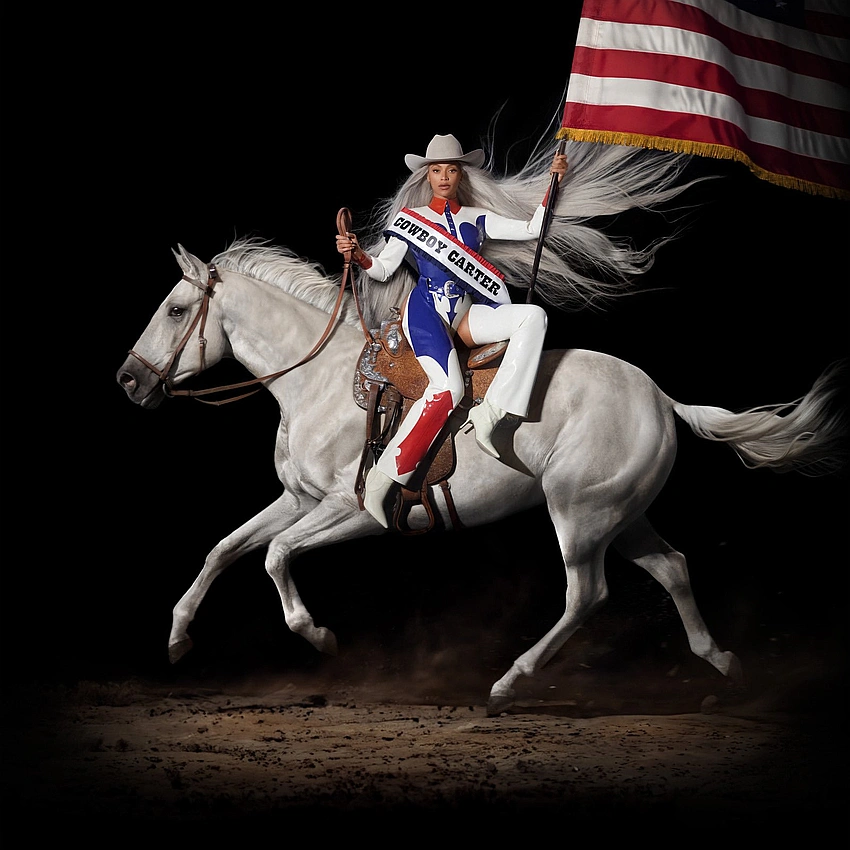
In her opening track, “AMERIICAN REQUIEM”, Beyoncé reflects:
Used to say I spoke too country… said I wasn’t country ‘nough… if that ain’t country, tell me what is?
These lines resonate like literary defiance, challenging the notion that country music belongs to one identity or image. She responds to the criticisms of "not being country enough" even as a Texas-born woman simply for being Black.
Black Roots, White Gatekeepers
Country music’s history, often whitewashed, actually originates in a tapestry woven with Black voices. In the early 20th century, Black music was segregated as “race music”, while “hillbilly” or “country” was reserved for white performers.
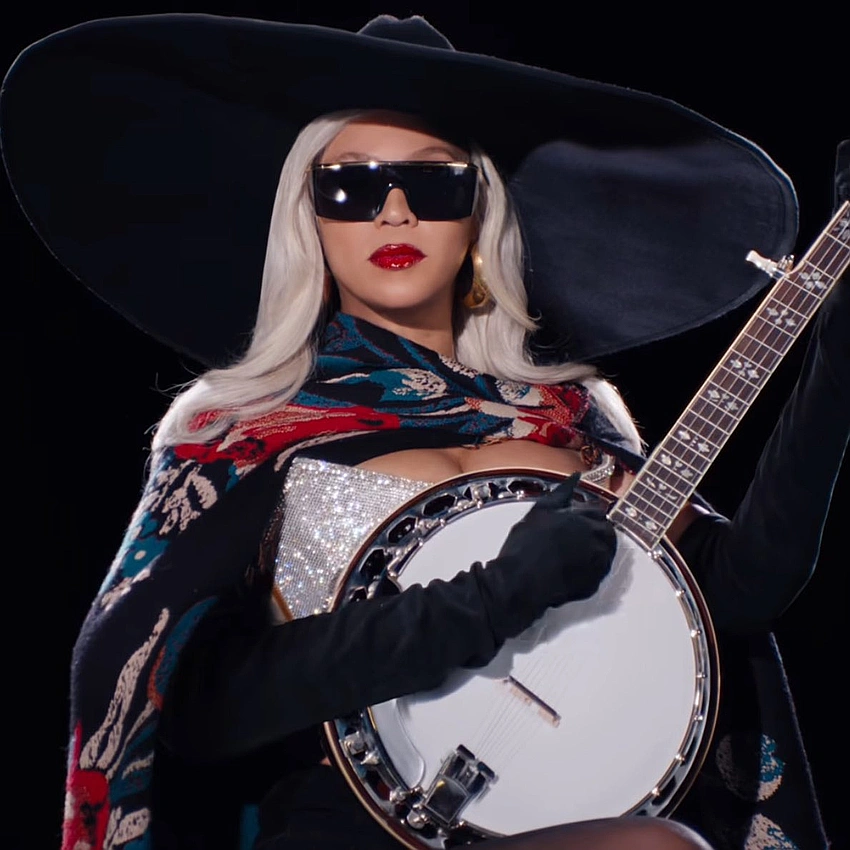
Instruments like the banjo trace directly back to West Africa, brought here by enslaved people, yet this provenance is rarely acknowledged. In Texas, roughly one in four cowhands was Black, though public memory and iconography lean heavily toward white figures.
This distortion is not just historical oversight but a form of systemic erasure, a racism that frames country music as “white territory”.
Cowboy Carter as Reclamation
Beyoncé reclaims that erasure delicately, defiantly. She features Linda Martell, the first Black woman at the Grand Ole Opry, in “THE LINDA MARTELL SHOW” and honours her legacy throughout the album.
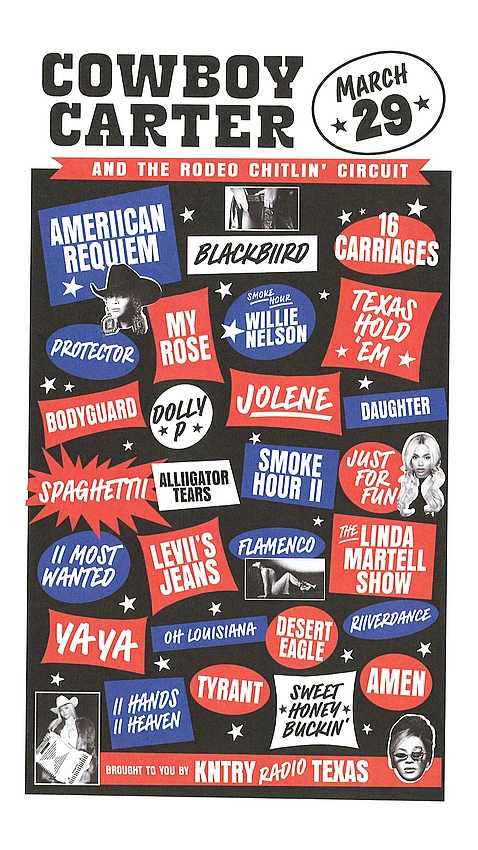
Her cover of the Beatles’ “Blackbird”, retitled “BLACKBIIRD”, unites emerging Black country artists, underscoring a legacy of resilience tied to civil-rights-era symbolism.
Her lead single, “Texas Hold ’Em”, charted at No. 1 on the Hot Country Songs chart, making Beyoncé the first Black woman to achieve that milestone.
Commercially and culturally, the album broke ceilings: it sparked steep surges in country listenership among Black audiences and Gen Z globally and streamed pioneer Linda Martell’s catalogue at extraordinary rates (an increase of over 127,430%!).
Resistance in the Saddle: Backlash & Exclusion
Reclamation met resistance. Despite its success, the album received no Country Music Association (CMA) nominations, a glaring omission many attributed to enduring racial gatekeeping.
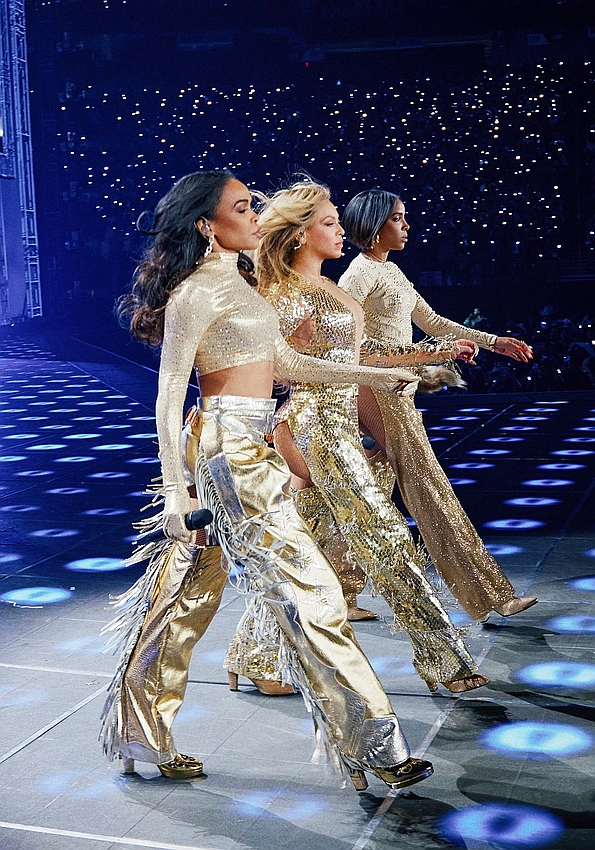
Even her own CMA performance in 2016, dropping “Daddy Lessons” with The Chicks, invited racist backlash and erasure from country fans and the awards machine.
Critical Triumph: Recognition Amid Conflict
Yet, Cowboy Carter ultimately earned recognition: at the Grammys, Beyoncé became the first Black woman this century to win Album of the Year, and her album doubles as Best Country Album, an act of resistance in itself.
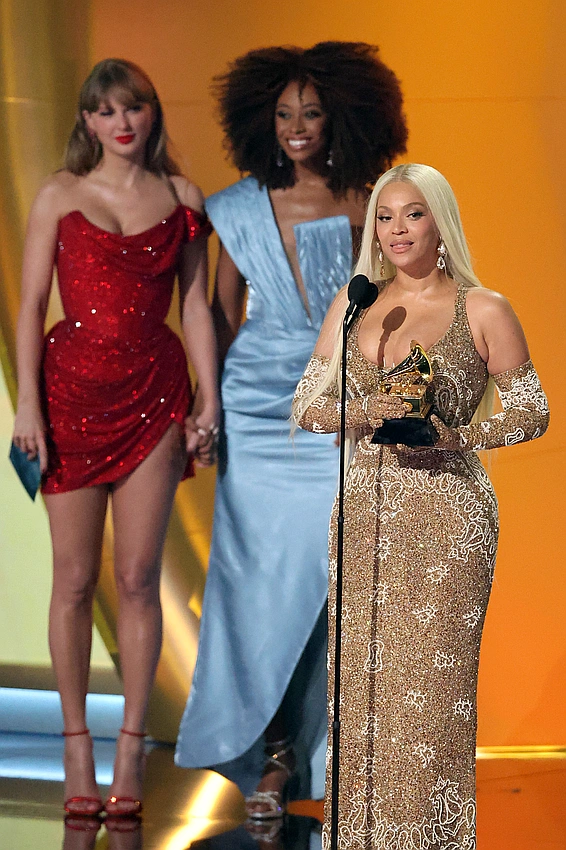
Critics hailed the album as “a cultural shift”, a “watershed”, and even a “tipping point” in reimagining the country’s boundaries.
Why This Matters
This isn’t just music analysis; it’s literary reclamation, cultural myth-making, and poetic justice: Beyoncé writes herself and other Black artists back into the story, crafting a counternarrative to the “de-historicised innocence” of country music.
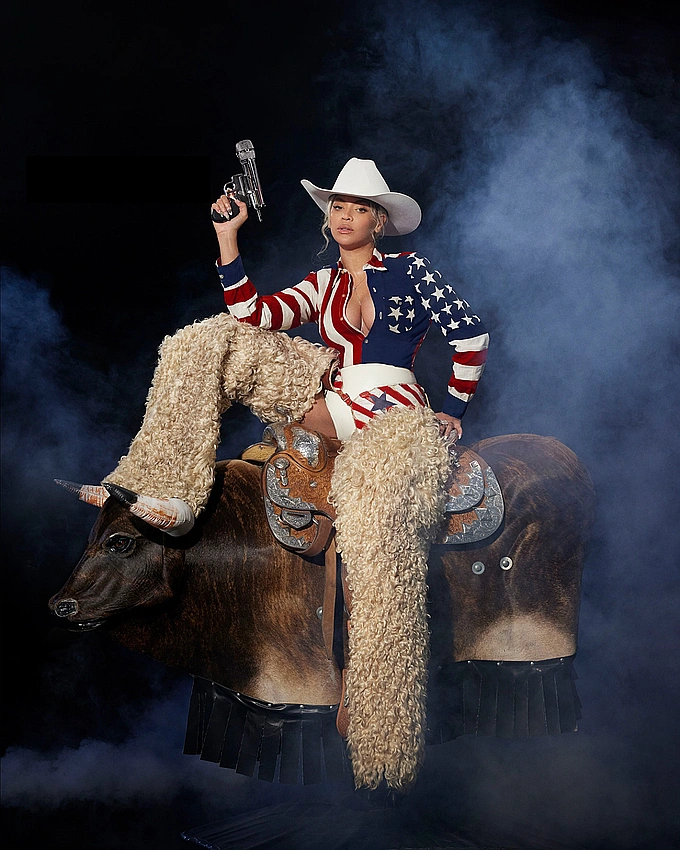
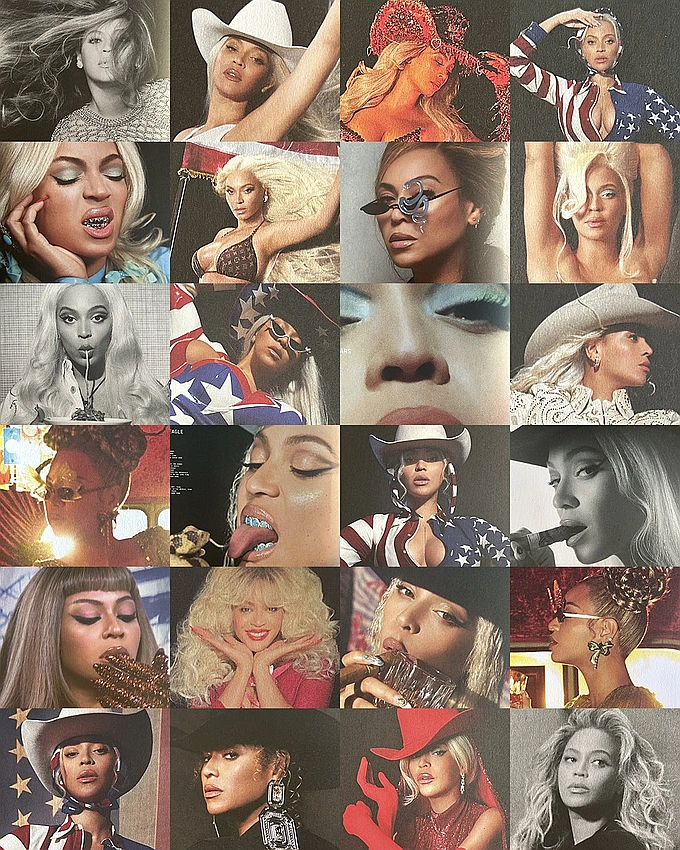
The album’s visuals and references to Chitlin’ Circuit aesthetics and rodeo iconography aren’t mere styling; they’re textual assertions of identity embedded in design. Her triumphs and the hurt she still faces reflect broader narratives of exclusion, struggle, and survival – timeless themes in literature and life.
A Quilt of Resistance
In literary terms, Cowboy Carter is a patchwork quilt stitched from histories, silences, songs, and sorrows. It holds space for those who were pushed out just as powerfully as it sings for those who persisted. Beyoncé doesn’t just mount a horse; she rides toward a horizon where country music’s truth isn’t a gateway barred by race but a wide-open range embracing its full, unfiltered history.
#Beyonce #CowboyCarter #CountryMusic #BlackHistory #Identity #PopCulture #MusicReview #Politics #Grammys
