Charli XCX’s 'SS26' and the Empty Coolness of Modern Apathy


Charli XCX’s 'SS26' and the Empty Coolness of Modern Apathy
Charli XCX’s 'SS26' and the Empty Coolness of Modern Apathy
There is something deeply unsettling about Charli XCX’s new single “SS26”. Not because it is loud or abrasive or dystopian. Pop music has been flirting with apocalypse aesthetics for years now. What makes “SS26” feel uncanny is how emotionally vacant its collapse appears. The world is ending, the runway leads “straight to hell”, and yet everyone still looks fantastic.
The song arrives wrapped in couture, irony, and exhaustion. Fashion editors sit front row while Charli walks through a collapsing spectacle of beauty and cultural decay. The opening line from Carine Roitfeld in the video, “Fashion won’t save us. But let’s go on the runway and walk”, feels less like satire and more like the mission statement of the 2020s.
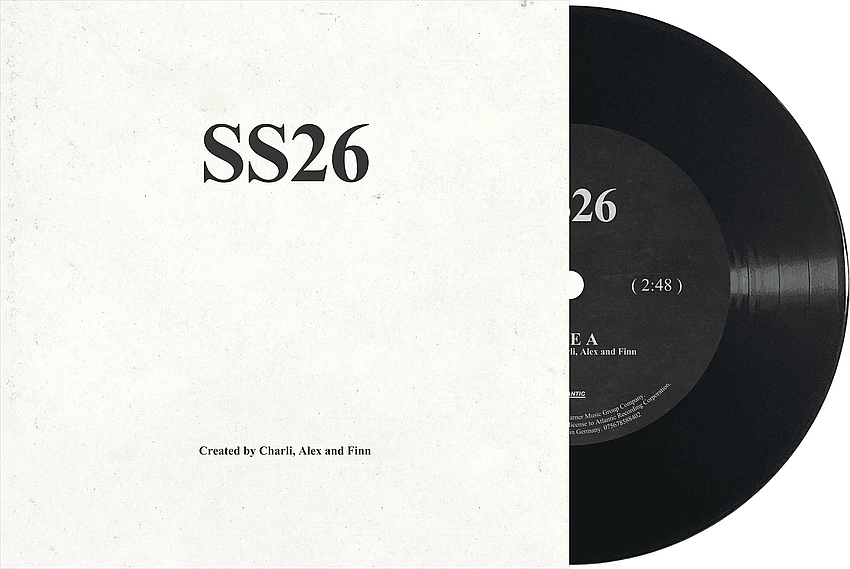 And maybe that is the real horror of “SS26”. Not disaster itself, but our total aestheticisation of it.
The Performance of Knowing Better
For years, pop culture has operated on a strange moral contradiction. Everyone knows capitalism is hollow. Everyone knows celebrity culture is absurd. Everyone knows endless consumption is unsustainable. Yet awareness itself has become a substitute for resistance.
“SS26” captures this perfectly.
Charli’s lyrics do not position her outside the machine. She is inside it, fully styled and self-aware, walking beside everyone else towards collapse. “Nothing’s gonna save us, not music, fashion or film,” she sings, in what might be one of the bleakest pop refrains released this year.
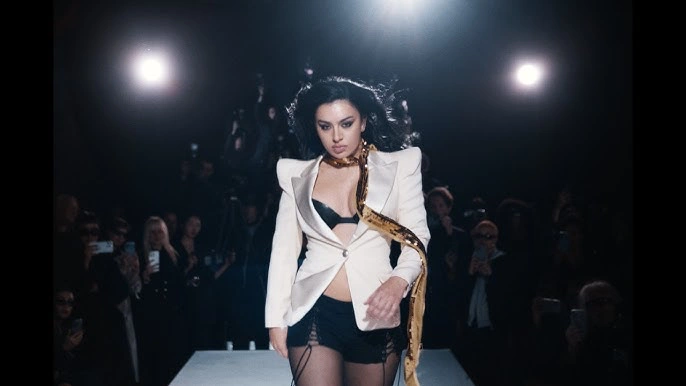 But the line lands strangely because it arrives as part of a highly curated fashion event complete with industry cameos, luxury aesthetics, and viral rollout mechanics.
Modern apathy no longer looks lazy or disengaged. It looks chic. It wears Saint Laurent and understands the references. The contemporary cultural subject is not ignorant of catastrophe. They are simply exhausted by it. Irony has replaced conviction because conviction requires vulnerability. “SS26” understands that exhaustion intimately.
Pop Music After the Death of Meaning
What makes Charli such a fascinating pop figure is that she has always existed between sincerity and artificiality. Her work constantly interrogates performance itself. *Brat* turned self-destruction into neon spectacle. The remix culture surrounding it transformed the album into an endlessly mutating online object.
Now, with “SS26”, she pushes further into collapse.
The production feels intentionally abrasive and skeletal, almost like a panic attack trapped inside a runway soundtrack. Even the imagery of the video resembles cultural oversaturation. Explosions, costume changes, fashion references, internet-famous faces. Nothing stays still long enough to matter emotionally.
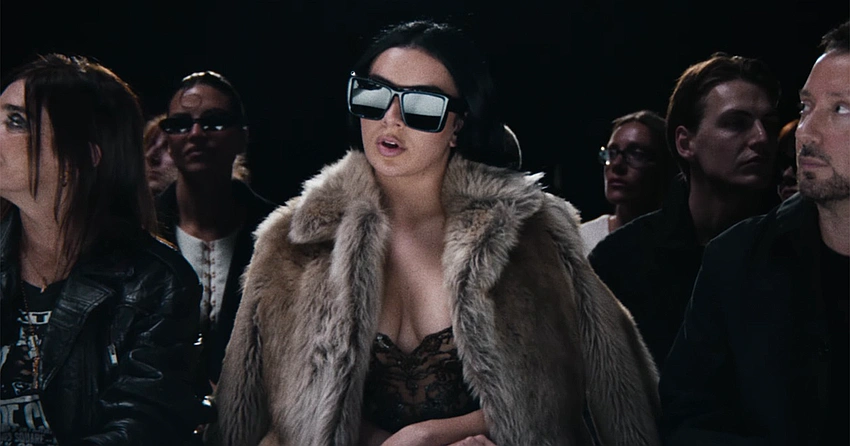 And that reflects the current state of pop itself.
Music no longer arrives as an event. It arrives as content flow.
Artists are expected to constantly release, constantly perform visibility, constantly feed algorithmic attention spans. Albums barely settle before deluxe editions, remixes, surprise drops, vinyl exclusives, alternate covers, and collaborations appear. The “era” never ends because ending means disappearing.
Charli herself seems acutely aware of this creative exhaustion. In interviews and Substack reflections following Brat, she described feeling drained by the endless extension of an idea that had already consumed years of her life.
That exhaustion becomes even more visible when looking at the sheer density of her recent output. Following Brat, she released the remix-heavy continuation of the project, then pivoted into the Wuthering Heights soundtrack album with tracks like “House” featuring John Cale and “Chains of Love”, before immediately moving into the “Rock Music” and “SS26” cycle.
It is difficult not to see this as symptomatic of a larger cultural condition. The mass release model rewards visibility over permanence. Art becomes temporally disposable because the system demands constant novelty.
Ironically, the result is cultural numbness.
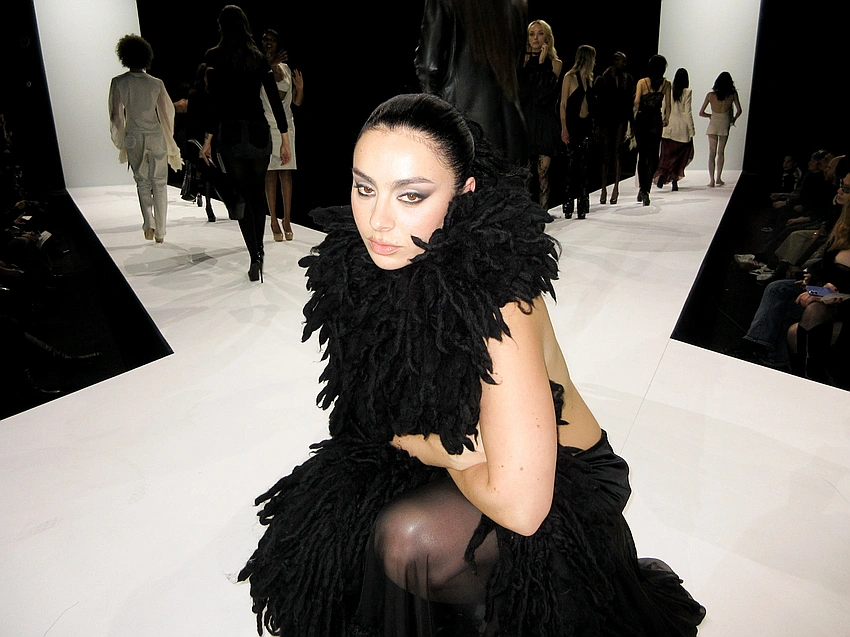 Apathy as Aesthetic
The genius of “SS26” lies in how it refuses easy moral clarity. The song does not pretend art can save us. It does not pretend fashion is revolutionary. It does not even pretend cynicism is intellectually superior.
Instead, it exposes how shallow contemporary apathy has become.
Online culture often mistakes detachment for sophistication. Caring too much is embarrassing. Earnestness is cringe. Sincerity is risky because sincerity can fail publicly. So everyone performs awareness while remaining emotionally insulated from the implications of that awareness.
The “runway to hell” metaphor works because it captures the theatricality of modern collapse. We livestream disasters. We turn political despair into memes. We consume tragedy through aesthetics before immediately scrolling to skincare routines and celebrity gossip.
The apocalypse is no longer cinematic. It is ambient.
And perhaps this is why Charli remains one of the few genuinely interesting pop stars working right now. She understands that contemporary pop cannot simply critique superficiality from a distance because it is structurally embedded within it. “SS26” does not escape the machine. It documents the feeling of dancing inside it while knowing exactly what it is doing to you.
That self-awareness does not absolve the emptiness. But it does make the emptiness visible.
