White Feather Hawk Tail Deer Hunter: The Return of Lana Del Rey

White Feather Hawk Tail Deer Hunter: The Return of Lana Del Rey
White Feather Hawk Tail Deer Hunter: The Return of Lana Del Rey
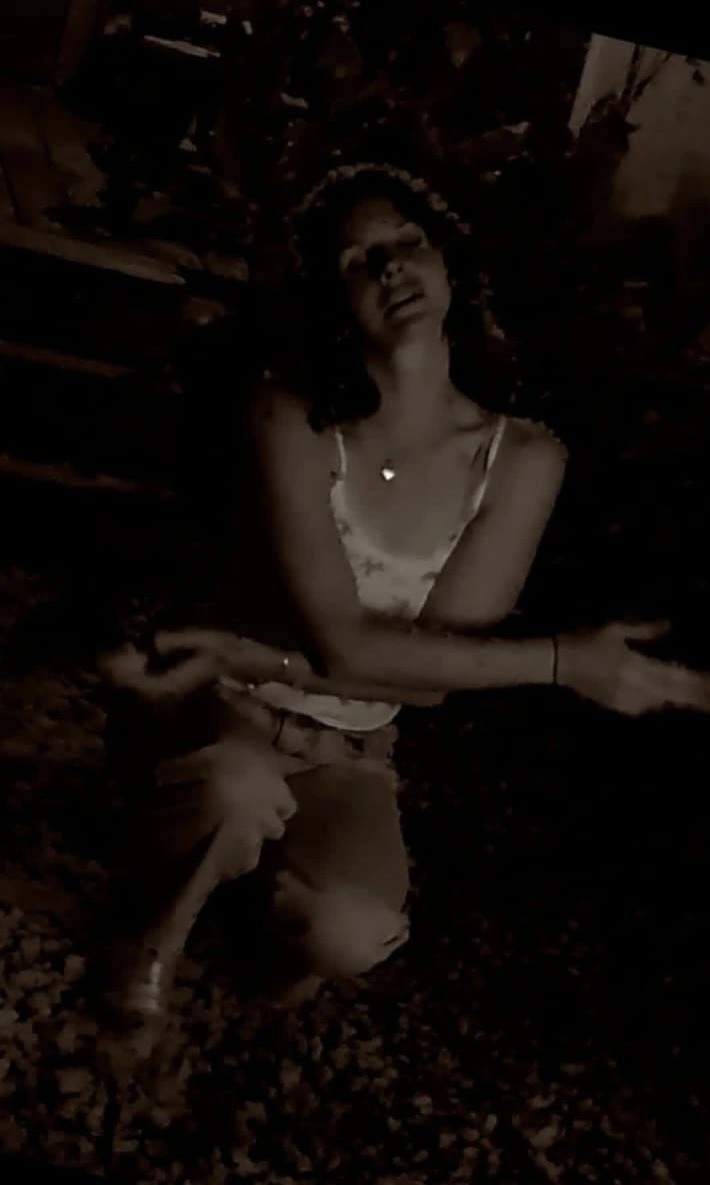
Lana Del Rey releases White Feather Hawk Tail Deer Hunter, the third single from Stove. The lyrics blend domestic imagery with mythic American symbols, creating moody, evocative storytelling.
When White Feather Hawk Tail Deer Hunter landed on 17 February 2026, it did so with that characteristic Lana Del Rey unpredictability that has marked her career since Video Games first appeared on the cultural horizon back in 2011. The song arrives as the third single from her forthcoming tenth album, Stove, itself an evolution of several abandoned working titles and delayed release plans.
What strikes the listener immediately before even the title resolves itself is how the track gestures toward a uniquely American poeticism. In the title alone, we encounter a sequence of images both evocative and enigmatic: the whiteness of a feather, the wild precision of a hawk’s tail, and the primal call of the deer hunter. It feels, in its syntax, like a fragment of folk myth rather than a conventional pop song hook.
Domesticity and Mythmaking in the Lyrics
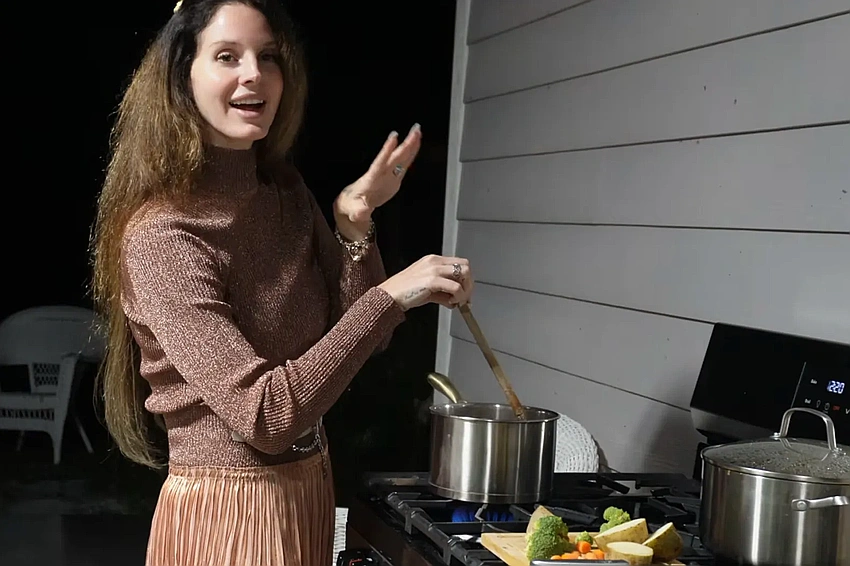
Del Rey’s lyricism on White Feather Hawk Tail Deer Hunter plays with domestic motifs framed inside a broader symbolic landscape. Lines about tending a stove and baking, even the playful confession “I imagine you know how absolutely bad I’m with an oven” are juxtaposed with references to rural life and elemental forces. The “John Deere mower” reappears as a thread of Americana, hearkening back to her previous work’s emblematic use of machinery and landscape.
This fusion of the everyday with the mythic feels less like pastoral nostalgia and more like a deliberate attempt to map interior emotional territories onto broader cultural imagery. The “white feather” and “hawk tail” might suggest grace and predation; the “deer hunter” evokes pursuit, survival and transformation. In such combinations, Del Rey’s lyricism does not simply narrate but stitches together poetic fragments into a mood-piece which is an approach that resonates with motifs from Southern Gothic storytelling, where the ordinary and the uncanny intertwine.

Minimalism and Orchestration
Musically, White Feather Hawk Tail Deer Hunter leans into restraint and atmospheric depth rather than overt grandeur. Sparse instrumentation, with delicate string flourishes that feel almost cinematic, places Del Rey’s voice at the centre of the soundscape. The production is “ghostly” and minimalist, blending Gothic country textures with orchestral pop sensibilities.
This minimal approach mirrors the thematic content: a love song that unfolds in quiet, teasing ways, rather than blazing declaration. The strings that thread through the track contribute to its haunting quality, while soft, whispered vocals cast the narrative as confidences shared in half-light. Here, sonic space becomes a kind of narrative device, a terrain in which intimacy and unease converge.
Collaborative Creation and Personal Stakes
White Feather Hawk Tail Deer Hunter is also notable for the circle of creators around it. Del Rey did not fashion this song in isolation: she co-wrote it with her husband Jeremy Dufrene, her sister Chuck Grant and her brother-in-law Jason Pickens. Jack Antonoff, a frequent collaborator, co-produced the track alongside Del Rey and Drew Erickson. Such familial and trusted partnerships give the song a sense of being crafted within a personal milieu rather than a purely commercial one.
The familial involvement underscores the content of the lyrics, which weave together affection, domestic imagery and lived experience. When an artist places those closest to them into the creative process, the resulting work often reflects that sense of entanglement. The sheer specificity of some lines, like dwelling on a stove or lawn equipment, gains affective weight precisely because it feels rooted in shared life rather than music-industry abstraction.
Cultural Resonances and Pop Aesthetics
To situate this song culturally: Del Rey continues to walk the line between traditional pop structures and something more experimental, more textured. The invocation of rural spaces and everyday apparatus alongside surreal, emblematic titles suggests a blending of genres as well as sensibilities. The track touches on folk, country and pop balladry, yet refuses to be pinned down to any single lineage.
This hybridity feels emblematic of her broader artistic project. The artist who once channeled Californian melancholia now explores frontier imagery and domestic landscapes with equal facility. The cultural references and sonic gestures coalesce into something that feels less like a song and more like a vignette, a brief chapter from a larger, ongoing narrative arc.
A Song as Narrative Palimpsest
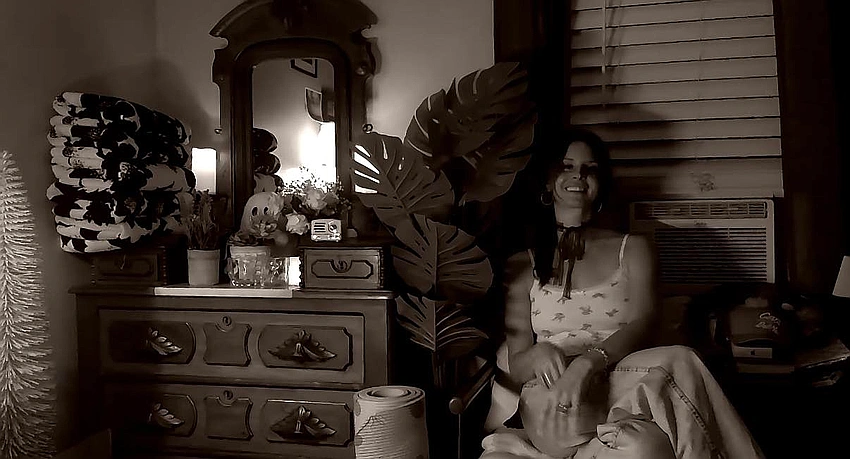
White Feather is, in its way, emblematic of Lana Del Rey’s unique place in contemporary music: rooted in pop yet reaching toward something mythic, deeply personal yet symbolically capacious. It is a track that rewards repeated listening and reflection, one in which the narrative isn’t delivered all at once but unfolds across textures, lines and resonant silences.
The song continues Del Rey’s shift into a soundscape that blends country, folk and orchestral pop; an alchemy that feels fitting for an artist who has always used music to explore not just emotional states, but the deeper cultural imaginaries from which those states emerge.
#LanaDelRey #WhiteFeatherHawkTailDeerHunter #StoveAlbum #NewMusic2026 #IndiePop #MusicReview
