"Who’s The Clown?" by Audrey Hobert: Debut as Self-Performance

"Who’s The Clown?" by Audrey Hobert: Debut as Self-Performance
"Who’s The Clown?" by Audrey Hobert: Debut as Self-Performance
Explore the layers of vulnerability in 'Who’s The Clown?' as humor intertwines with honesty. A debut album that invites you into its unique world.
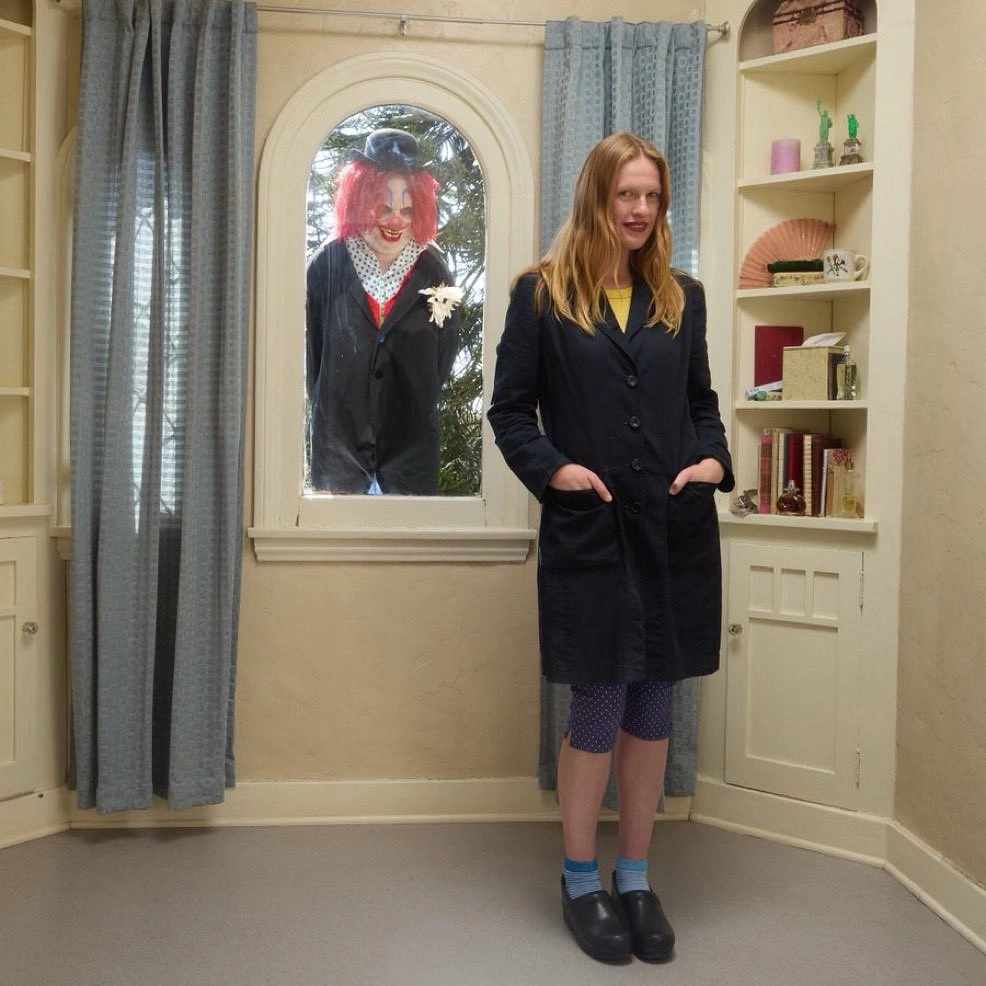
The album title "Who’s The Clown?" felt like a provocation even before I pressed play. It hovers somewhere between jest and accusation, as though the question is aimed outward but inevitably circles back inward. Listening to the album, I couldn’t shake the sense that the “clown” is both persona and mirror: a mask worn to survive and a mask slipped off to confess.
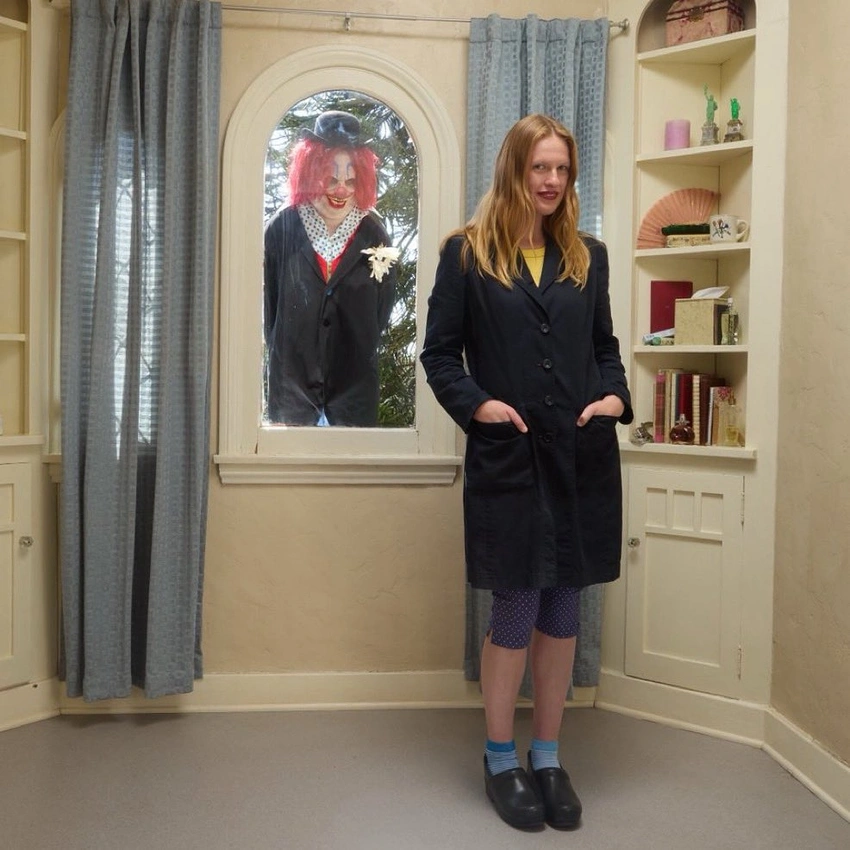
What immediately sets the record apart is that it doesn’t overplay its conceit. There’s no grandiosity, no desperate attempt to prove its worth as a debut. Instead, it feels conversational, like being let into a private joke you only gradually realise is also a confession.
Humour as Vulnerability
What strikes me most is how Hobert threads humour through the music without ever letting it collapse into irony alone. There’s wit, yes, but it is underpinned by nervousness, by a kind of self-questioning that refuses to be flattened. The songs feel like moments of laughter caught between sighs. Instead of polishing herself into an untouchable star, she performs the very awkwardness of being seen, inviting listeners into that fragile space where insecurity becomes strangely communal.
Insecurity as Anthem
If I were to describe the album in a phrase, it might be 'an anthem for the insecure'. Not insecurity as shame, but insecurity as texture, as something to sing about, even celebrate. Hobert transforms doubt into melody, building songs that feel both exposed and oddly comforting. That paradox is part of her brilliance: she allows us to recognise ourselves in her faltering gestures, in her sideways glances, and her half-serious punchlines.

Performance and Persona
The clown, after all, is not just a symbol of humour. In literature, the clown often embodies truth through disguise, speaking plainly while pretending to jest. Hobert seems to understand this lineage. Her voice inhabits the clown not as an external character but as an extension of herself: the awkward comedian of her own life, the storyteller who knows the mask is inseparable from the self. In doing so, she turns performance into honesty. An honesty that knows it cannot be direct, that requires the costume to be legible.
The Shape of the Sound
Sonically, the album mirrors this tension. Its arrangements are unpretentious, never striving for glossy perfection. Instead, the sound feels lived-in and conversational, as though the music is less about spectacle and more about letting the words breathe. There’s intimacy in that restraint. The production never drowns her voice; it lets her pauses, her hesitations, and her almost-shrugging humour cut through. It is music that doesn’t posture.
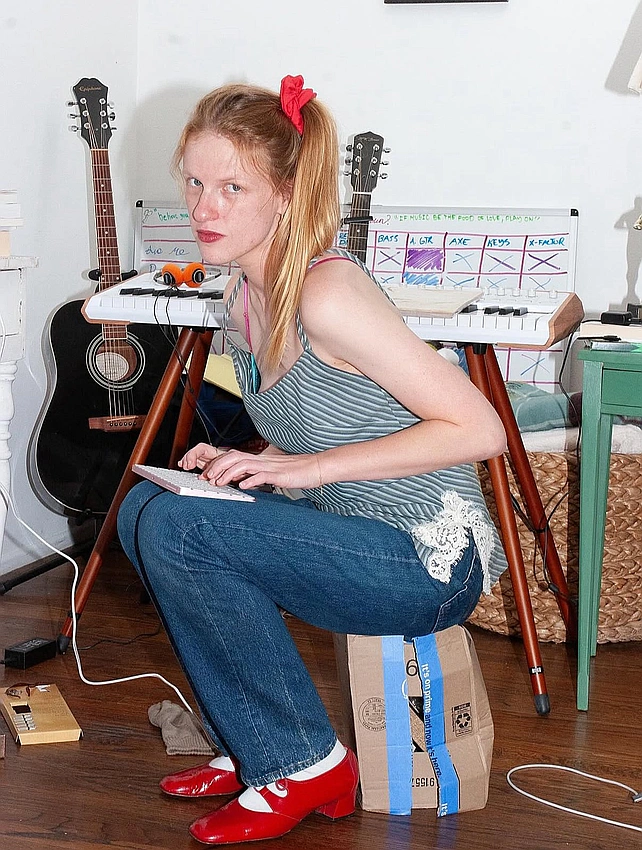
What It Means for a Debut
For a first album, Who’s The Clown? feels remarkably self-possessed. Not because it is flawless—on the contrary, part of its charm is that it doesn’t aspire to polish away the rough edges—but because it already knows what it wants to be. It presents an artist unafraid of smallness, unafraid of play, and unafraid to laugh at her discomforts. That kind of confidence is rare in a debut.

As a literature student, I cannot help but hear this album as a text about identity. It reads like an experiment in self-performance, where the clown functions both as mask and revelation. What lingers after listening is the wit and the melodies, but also the way Hobert captures the feeling of being human in all its contradictions: funny and insecure, self-aware and searching, playful and deeply vulnerable.
In that sense, the clown isn’t just her; it’s us, too.
#MusicReview #WhosTheClown #AlbumInsights #HumorInMusic #DebutAlbums #AudreyHobert #PopMusic #PopCulture #GracieAbrams
