Ariana Grande's petal: When Vulnerability Becomes a Performance of Restraint


Ariana Grande's petal: When Vulnerability Becomes a Performance of Restraint
Ariana Grande's petal: When Vulnerability Becomes a Performance of Restraint
In petal, Ariana Grande crafts a guarded, intimate mood built on soft production and metaphor. This review explores how restraint shapes emotion, turning the album into a delicate garden rather than a diary.
There is a temptation to read every Ariana Grande album as a chapter in an ongoing autobiography. petal resists that impulse, even while inviting it. Rather than offering grand revelations or theatrical confession, the record unfolds as a quiet negotiation between exposure and concealment. It is an album that rarely raises its voice, preferring instead to linger in moments of hesitation, emotional ambiguity and carefully measured intimacy.
That restraint is both petal's greatest strength and its most frustrating limitation. Across its brief runtime, Grande presents a version of herself that feels deliberately guarded. The emotions are real enough, but they are filtered through layers of metaphor and immaculate production that often keep the listener at a distance. What emerges is less a diary than a carefully tended garden, beautiful to observe but difficult to enter.
The aesthetics of softness
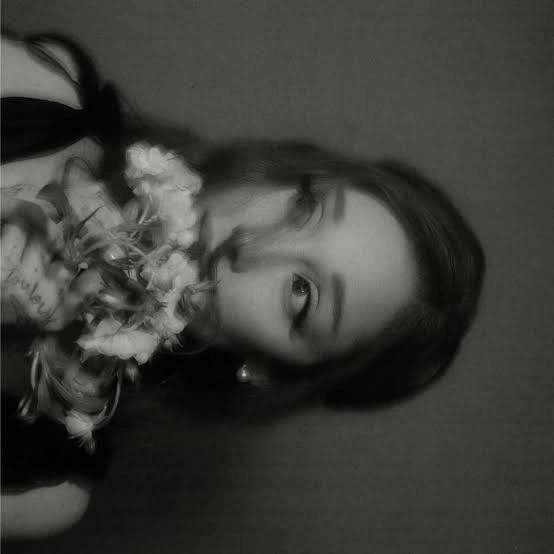
Softness has always been central to Grande's music. Her breathy vocal style, feather-light harmonies and preference for understated R&B textures have long distinguished her from pop singers who rely on vocal spectacle. On petal, however, softness becomes an artistic philosophy rather than simply a sonic choice.
The production leans into delicate synths, restrained percussion and airy vocal arrangements. Instead of building towards explosive choruses, many tracks drift gently from one emotional register to another. The album is remarkably cohesive, almost to a fault. Songs blend into each other with dreamlike continuity, creating an atmosphere that is immersive but occasionally indistinct.
There is something fascinating about this refusal of excess. In an era where pop often demands immediate gratification and viral hooks, petal feels unusually patient. It asks listeners to pay attention to mood rather than spectacle, to texture rather than climax.
Fame as a fragile condition
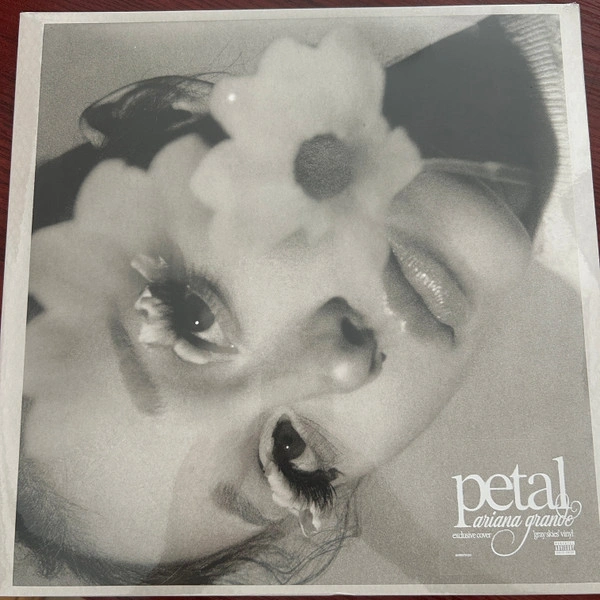
One recurring thread throughout the album is Grande's relationship with visibility itself. Fame appears less as triumph than as an emotional condition that reshapes intimacy. Love, public scrutiny and selfhood become impossible to separate, making personal relationships feel permanently exposed to external judgement.
This is hardly new territory for Grande. Earlier records explored grief, romance and celebrity with varying degrees of directness. What changes here is the emotional temperature. The anger is muted. The heartbreak is controlled. Even moments that hint at confrontation are delivered with surprising calm.
That emotional discipline makes petal feel psychologically interesting. Rather than dramatising pain, the album often presents exhaustion. The speaker sounds less interested in defending herself than in quietly withdrawing from the expectations placed upon her. Instead of catharsis, we receive reflection.
Beauty without friction
For all its elegance, petal occasionally mistakes consistency for development.
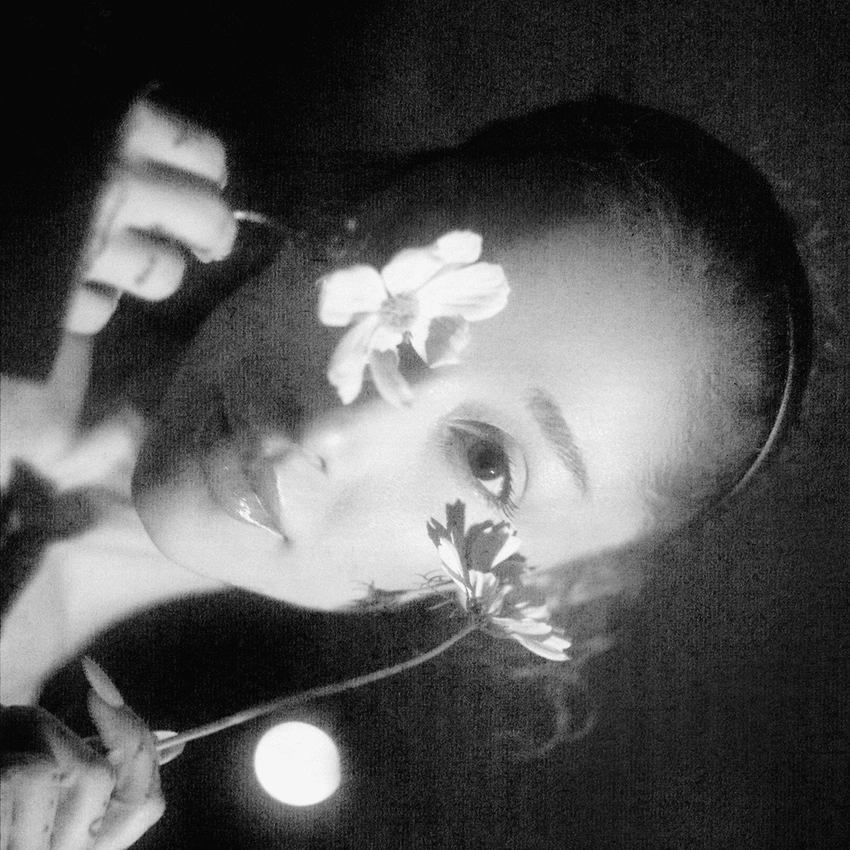
Its sonic palette is so carefully maintained that individual songs sometimes struggle to establish distinct identities. The atmosphere remains beautiful throughout, but beauty alone cannot sustain emotional momentum. Several tracks leave the impression of sketches rather than fully realised statements, passing by before they have had the chance to transform.
This becomes especially noticeable when compared with Grande's strongest work. Albums like thank u, next balanced vulnerability with sharp songwriting and memorable structural contrasts. Here, those contrasts are largely absent. The record rarely surprises itself.
The result is an album that is undeniably pleasant to experience but not always compelling to revisit. It rewards attentive listening, yet seldom reaches the emotional peaks that its themes seem to promise.
An artist choosing subtlety
Still, it would be unfair to interpret petal merely as an underwhelming entry in Grande's catalogue. There is artistic intention behind its understatement.
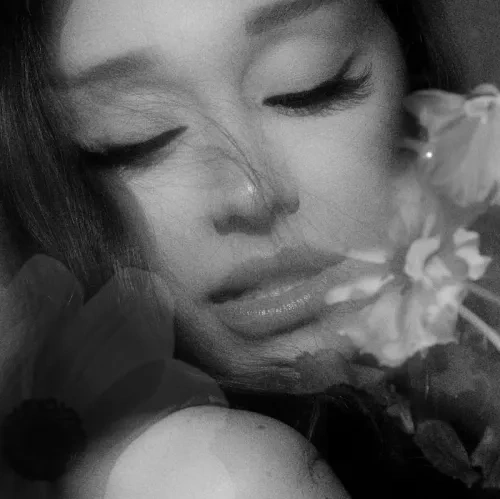
Rather than attempting to outdo previous commercial successes, Grande appears more interested in refining a particular emotional vocabulary. The album values atmosphere over immediate impact, ambiguity over certainty and emotional complexity over dramatic confession.
From a broader cultural perspective, petal reflects an interesting shift within contemporary pop. Increasingly, major artists are embracing smaller emotional gestures instead of maximalist reinvention. Grande participates in this movement without abandoning her identity. The album never feels like an attempt to chase trends. If anything, it seems deliberately unconcerned with spectacle.
That confidence deserves recognition, even if the execution occasionally falters.

Petal is neither a triumphant reinvention nor a creative misstep. It occupies a more ambiguous space between those extremes.
Its quiet confidence, elegant production and emotional intelligence make it an engaging listen, particularly for those willing to sit with its subtleties. At the same time, its reluctance to push beyond its carefully constructed atmosphere prevents it from reaching the artistic heights it often gestures towards.
Perhaps that is the album's central paradox. A petal is delicate because it is fleeting. Grande embraces that delicacy completely, creating music that drifts gracefully through the listener's consciousness. Yet flowers are remembered not only for their softness, but for the vividness of their bloom. Petal offers remarkable grace, but only occasional brilliance.
#ArianaGrande #PetalAlbum #MusicReview #SoftAesthetic #IntimateVibe
