Kehlani's Self-Titled Return Finds Clarity and Confidence in a Calm R&B Reentry


Kehlani's Self-Titled Return Finds Clarity and Confidence in a Calm R&B Reentry
Kehlani's Self-Titled Return Finds Clarity and Confidence in a Calm R&B Reentry
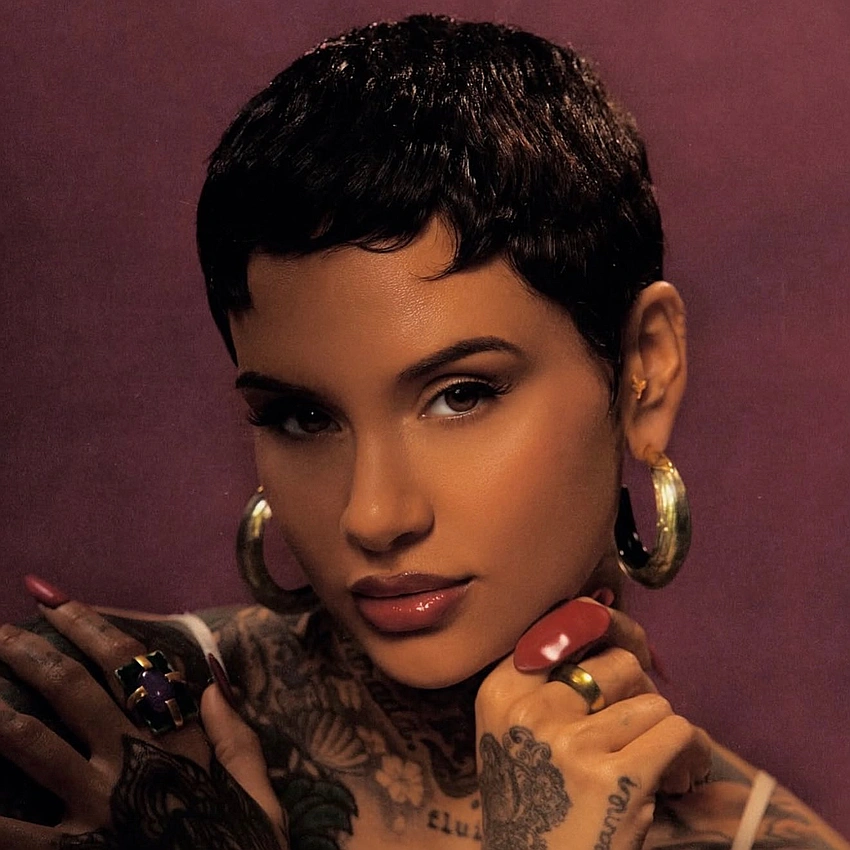
Kehlani's self-titled album arrives as a poised re-entry, blending buoyant bass-driven R&B with late-90s textures. It favors clarity over drama, tracing emotional resonance through a confident, streamlined sound.
There is something deceptively simple about a self-titled album arriving this late into a career. By the time Kehlani appears, the name is already sedimented with meaning: past aesthetics, public vulnerability, a particular R&B lineage.
The album draws from multiple phases of Kehlani’s earlier work, but without sounding retrospective. Instead, it feels like a re-entry point, a rearticulation of artistic identity that is less concerned with reinvention than with clarity. The sound leans back into buoyant, bass-driven R&B reminiscent of earlier work, yet it is less restless, more assured in its tonal decisions.
Where previous albums often carried the urgency of emotional processing, this one seems to operate after the fact. It is not the drama of feeling but the structure of having felt.
The Sound of Emotional Calibration
Sonically, Kehlani is rooted in contemporary R&B but remains porous, allowing traces of late-90s and early-2000s textures to filter through. This is not mere aesthetic nostalgia. Rather, it is a deliberate engagement with a genre archive that the album both inhabits and reframes.
Production choices favour warmth and groove over experimentation for its own sake. There is a noticeable ease in how the record moves between mid-tempo tracks and more rhythmically fluid moments. Even when the album gestures towards genre hybridity, it does so without the self-consciousness that marked earlier projects.
The effect is cohesion without rigidity. The album feels curated rather than assembled, each track contributing to a broader sonic environment rather than competing for distinction.
Vulnerability Without Spectacle
Lyrically, the album is striking for its restraint. Kehlani has long been associated with emotional openness, but here that openness is recalibrated. The writing is still intimate, but it resists melodrama.
Take the thematic centre of the album: relationships not as sites of collapse, but as spaces of negotiation. There is an ongoing attempt to articulate boundaries, accountability, and emotional labour without reducing them to clichés. One recurring gesture is the refusal to assign blame entirely outward; the past is acknowledged, but not allowed to dominate the present.
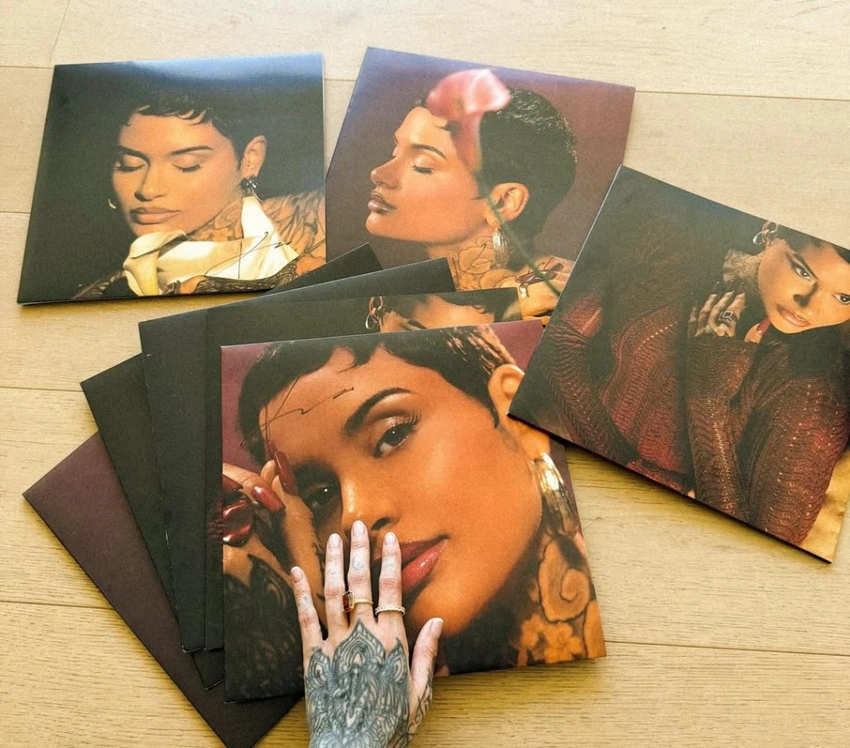
This tonal shift transforms vulnerability from performance into practice. The songs do not ask to be witnessed as confessions; they function more like reflections, already processed, already lived through.
“Folded” and the Poetics of Distance
If one track encapsulates the album’s emotional grammar, it is “Folded”. The metaphor at its core; clothes left behind as a sign of emotional distance is almost disarmingly ordinary. Yet it is precisely this ordinariness that gives the song its weight.
The brilliance lies in how the image is extended. Domestic space becomes a site of absence, intimacy reframed as something residual rather than immediate. It is a subtle but effective shift: love is not dramatised; it is materialised.
This attention to the everyday recurs across the album. Emotional states are not abstracted into grand declarations but embedded in gestures, routines, and objects. The result is a form of lyricism that feels grounded rather than ornamental.

Collaboration and Its Discontents
The album features an array of collaborators, and their presence produces mixed results. On one hand, certain features enrich the sonic palette, offering moments of contrast and expansion. On the other, some feel less integral, as though they belong to a different version of the album one more invested in spectacle than coherence.
This tension is not entirely detrimental. It reveals the competing impulses within the project: the desire to remain within a recognisable R&B framework and the pull towards a more commercially expansive sound.
Yet, even when the collaborations falter, they do not derail the album. Kehlani’s vocal presence remains the organising force, anchoring the record in a consistent emotional and sonic register.
Identity as Process
What emerges most clearly from Kehlani is a sense of identity as ongoing negotiation. The album does not present a fixed self; instead, it stages the process of becoming.
The opening gestures already suggest this, framing the project as an act of stepping into truth without apology. What follows is not a triumphant declaration but a series of adjustments which are emotional, relational, artistic. To name the album Kehlani is to admit that the name itself is unstable, continuously redefined through experience and expression.

The Politics of Feeling Better
There is a subtle but important affective shift running through the album: a movement towards feeling better, not as resolution but as possibility. The mood is lighter than previous work, yet not superficial.
This tonal brightness does not erase the past; it coexists with it. Moments of joy and ease are framed not as endpoints but as hard-won states, contingent and fragile.
In this sense, the album participates in a broader cultural conversation about healing; one that risks becoming formulaic but here retains specificity. The emphasis is not on transformation as spectacle, but on the quieter work of unlearning and recalibration.
A Quietly Assertive Record
Kehlani is not a radical departure, nor does it attempt to be. Its significance lies elsewhere, in its commitment to tonal coherence, and its nuanced approach to emotional expression.
What it offers is a kind of steadiness. In an R&B landscape that often oscillates between maximalism and minimalism, this album occupies a middle space: lush but restrained, intimate but not confessional, self-aware without being self-indulgent.
It is, ultimately, a record about inhabiting oneself more fully. And in doing so, it suggests that sometimes the most compelling artistic move is not to become someone new, but to understand more precisely who one already is.
