The End of an Era: Documenting a Phenomenon by Taylor Swift

The End of an Era: Documenting a Phenomenon by Taylor Swift
The End of an Era: Documenting a Phenomenon by Taylor Swift
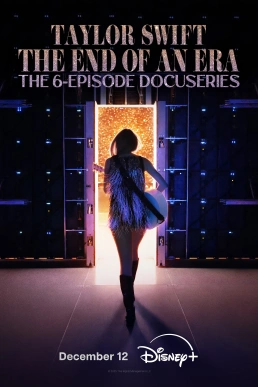
The End of an Era explores Taylor Swift’s Eras Tour through the people who make the magic—technicians, wardrobe, and crew—turning spectacle into a heartfelt tribute to the labor behind the lights.
There is a peculiar tenderness in watching a machine slow down. Machines that make music through stadiums, pyrotechnics, soundboards, and choreography. The End of an Era, the new six-part docuseries about Taylor Swift's historic Eras Tour, is at its most persuasive when it lets that humanity breathe: when it stops cataloguing spectacle and starts naming the names, showing the hands, and telling the small stories that otherwise disappear behind the curtain. The series is glossy, yes, but within that sheen, there are moments of celebration for the team that built the show. It is an elegy and a thank-you note rolled into one.
The archive of labour
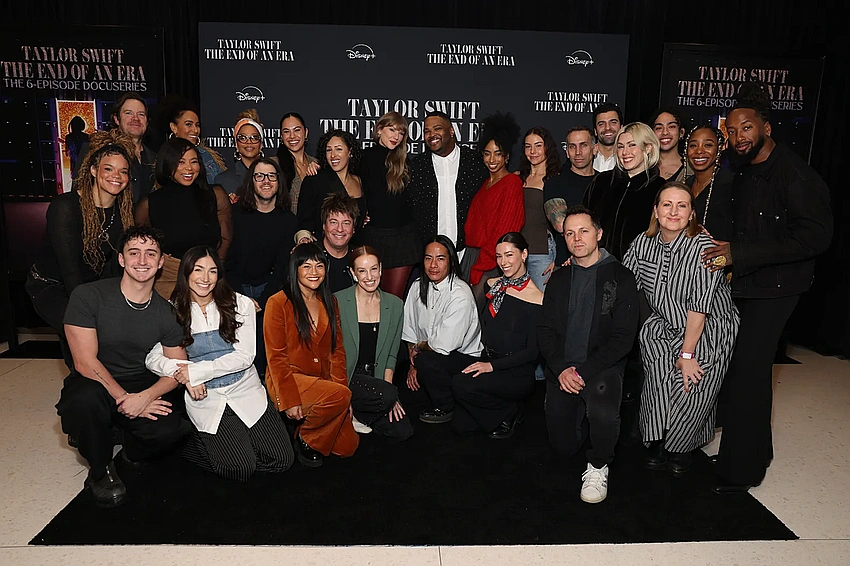
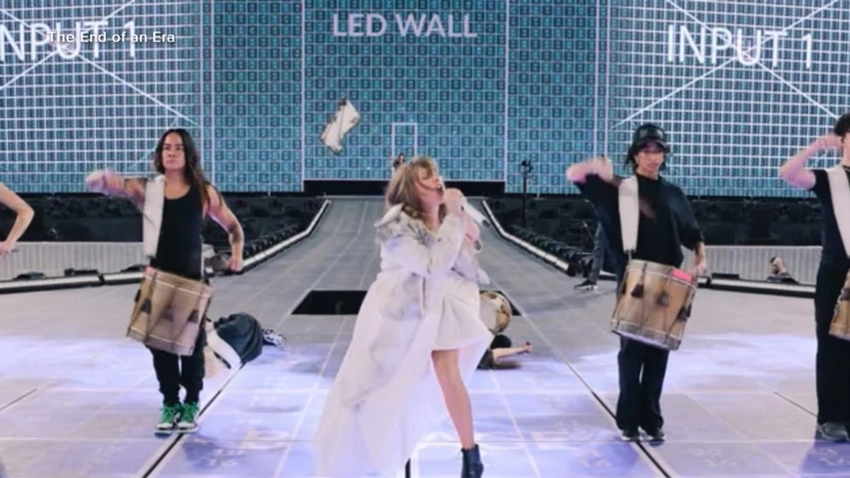
Pop spectacles are often read as instantaneous and immaterial: a few hours of shared feeling, and then it’s gone. The docuseries insists on the opposite. It treats the tour as an archive of labour, an object with a history that can be interrogated and honoured. In scene after scene, we see technicians tuning microphones, wardrobe supervisors repairing sequins at dawn, and stagehands rehearsing the choreography of curtains and elevators. These are the tour’s nervous system. By tracing the network of roles of creative directors, lighting operators, and costume teams, the series converts anonymous work into named contributions, thereby reframing the Eras Tour as a communal achievement rather than a single-star triumph. We get to hear personal stories of three dancers, namely Kam, Whyley and Amanda, and one of the backup singers who got diagnosed with breast cancer as well as Amos, one of her oldest band members.
Faces behind the lights
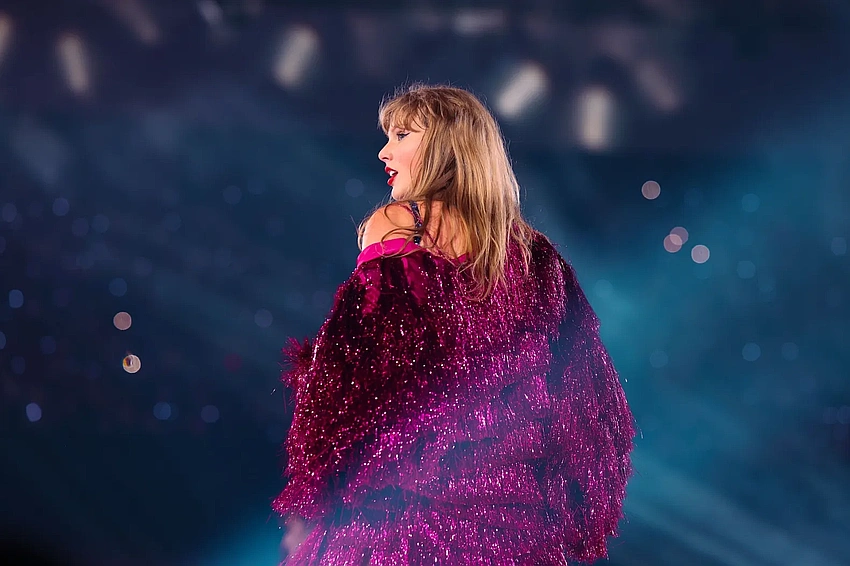
What distinguishes a tribute from a mere behind-the-scenes reel is attention to individuality. The directors give us small portraits: a guitar tech who has worked the tour for years and carries ritual talismans in his case; a dancer whose warm, weary laugh underlines how performance is also endurance; a wardrobe head who can coax a dress to survive a dozen encores. These vignettes do more than humanise the production. They allow the viewer to grasp how affect circulates between the performer and crew. When the camera lingers on hands adjusting a mic or fastening an earpiece, it is not fetishising labour but acknowledging that public spectacle is built out of thousands of private gestures.

Intimacy and the cost of care
Celebration in the series is not uncritical. Intercut with the joy of sold-out nights are weary faces, tired bodies and the logistical fractures that insist on constant repair. There is a politics to care here: who gets rest, who travels, who is present for family milestones and who misses them. The series gestures at these tensions without becoming a polemic; it testifies instead. We are reminded that love for the work and actual well-being are not always aligned. The docuseries asks us to celebrate, yes, but also to witness.
Brand film or collective portrait?
A recurring criticism of contemporary pop documentaries is their tendency to double as brand consolidation. The End of an Era occasionally slides into that register: polished, curated, protective of the public image it carries. Yet even within those frames, the series finds openings for genuine tenderness. The inclusion of backstage testimonials, those unscripted, often off-camera recountings, works as a corrective to the ‘victory lap’ narrative; these moments let us see the show as a shared life, not simply a corporate triumph. That ambivalence is important. Celebration does not preclude scrutiny; a documentary that only amplifies glamour would do a disservice to the people whose labour it showcases.

Rituals, letters and afterlives
One of the more intimate threads running through the later episodes is the way the team itself commemorates the tour. There are rituals of joyous gatherings before final shows, exchanges of handwritten notes, and gestures of gratitude that mirror older, pre-digital practices of farewell. Such rituals are small but potent: they mark not only an artistic chapter’s close but also the end of a shared temporal world. The show also hints at the tour’s afterlife: the archival work, the adjustments for future productions, and the ways stories will be told and retold. In documenting this, the series performs its own act of preservation by ensuring the team’s labour is recorded in a form that can be returned to and learnt from.
The End of an Era is ultimately a modest kind of celebration, radical insofar as it insists on naming the invisible. It does not solve the structural problems of touring life, nor does it pretend that celebration can replace care. But by placing the team at the centre of its narrative gaze, the series achieves something quieter and more durable: it archives gratitude. For anyone who loves pop not just as a sound but as a social form, that act of seeing feels like a necessary and welcome measure of respect.
#TaylorSwift #ErasTour #EndOfAnEra #BehindTheScenes #ErasTourDocumentary #PopCulture
