Tracing the Roots of Pop Culture Transphobia

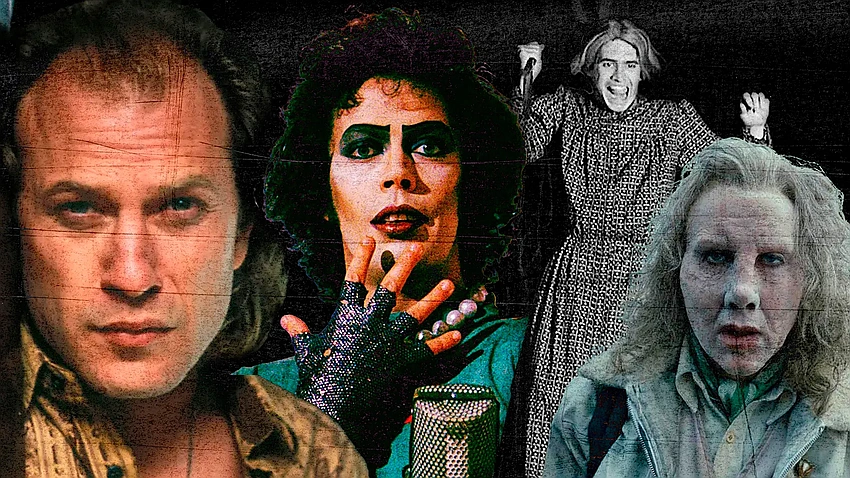
Tracing the Roots of Pop Culture Transphobia
Tracing the Roots of Pop Culture Transphobia
This analysis traces how cross-gender casting once served theatre as artifice but later signaled identity on stage, revealing how older traditions shape today’s trans stereotypes in pop culture.
Transphobia in pop culture did not appear fully formed in the 1990s culture wars or on contemporary social media. Its roots are older, knottier, and entangled with theatrical convention, psychiatric history, and the mechanics of cinematic suspense. If we want to understand how certain stereotypes became so durable, we have to go back further than the outrage cycle.
When Gender Was Already Performance
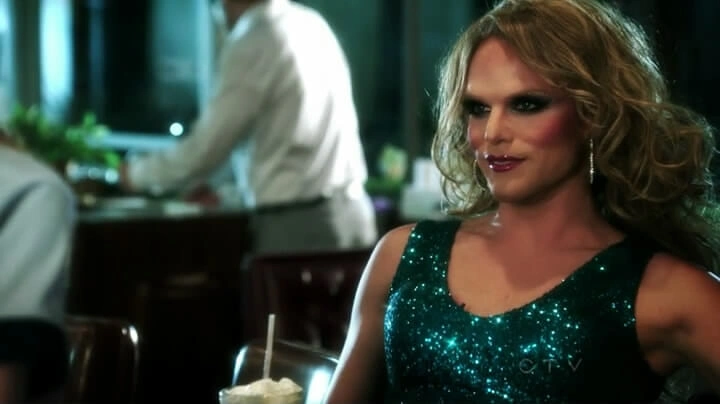
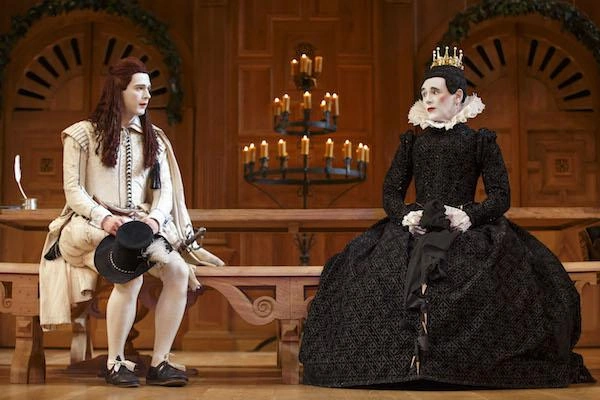
Long before film, Western theatre relied heavily on cross-gender casting. In Elizabethan England, male actors played women because women were barred from the stage. Later, pantomime traditions formalised gender play as comic spectacle. Cross-dressing, in these contexts, was theatrical artifice visible and knowingly exaggerated.
But here is the important turn: as theatre moved into modern realism, cross-dressing stopped being an accepted convention and became something narratively marked. What was once neutral stagecraft became a signifier. By the late nineteenth and early twentieth century, gender non-conformity was no longer just performance; it was interpreted as deviance.
That shift didn’t happen in a vacuum.
Sexology and the Birth of the “Deviant”
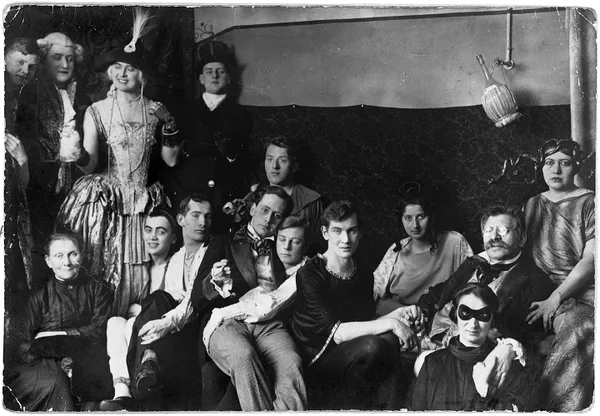
In the late nineteenth century, European sexologists began categorising sexuality and gender variance into clinical types. Figures like attempted to argue for the legitimacy of gender diversity, but the broader medical framework still positioned difference as diagnosis rather than norm (see historical accounts of cross-dressing and early sexology in encyclopaedic summaries of gender history).
Once gender variance entered medical discourse, it also entered popular imagination as pathology. The language of “abnormality” filtered outward. By the time cinema emerged as a dominant art form, the groundwork had already been laid: audiences had been taught that deviation from binary gender norms was something to explain.
And cinema loves an explanation.
The Hays Code and the Coding of Deviance
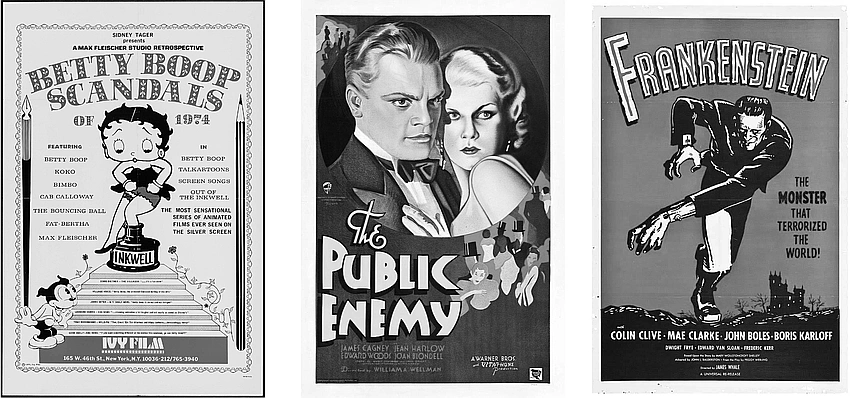
In early Hollywood, explicit portrayals of homosexuality or gender variance were curtailed under the Motion Picture Production Code (commonly called the Hays Code). Queerness could not be depicted openly but it could be implied.This is where things become crucial.
When queerness cannot be shown positively, it migrates into subtext. Villains, eccentrics and outsiders were frequently coded through gender ambiguity. The audience learned to associate deviation with moral corruption without ever seeing it named.
Lindsay Ellis’s analysis foregrounds how this coding became embedded in cinematic language: costuming, voice, gesture shorthand signals that marked a character as “off.” Once audiences internalised these cues, they didn’t need explicit dialogue. The suspicion did the work.
Psycho and the Cementing of the Trope
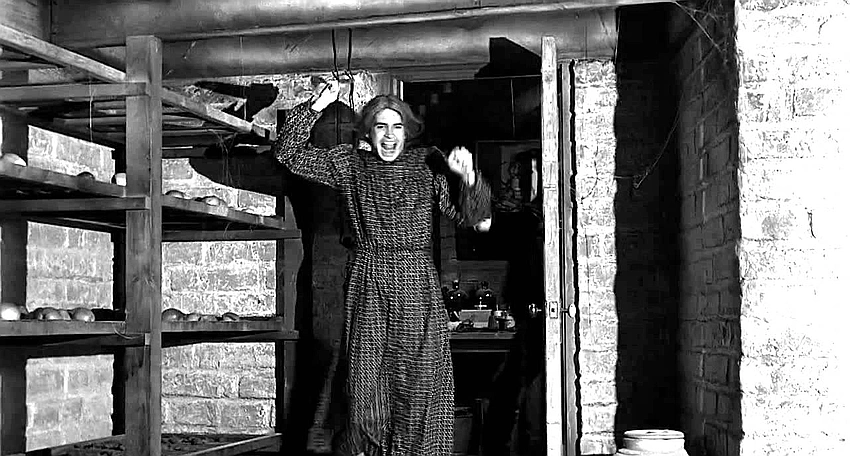
Alfred Hitchcock’s Psycho (1960) is often cited in discussions of gender and horror, and carefully so. Norman Bates is not written as a transgender woman; the film makes that explicit. However, the climactic reveal hinges on the shock of a man appearing in women’s clothing. The horror beat depends on conflating gender transgression with instability.
That visual grammar became enormously influential.
Subsequent thrillers amplified the idea of the “deceptive” or “disturbed” figure whose gender presentation masks danger. Whether in Dressed to Kill or later in The Silence of the Lambs, cinema repeatedly staged gender variance as twist, pathology or threat. Even when filmmakers insisted their characters were not transgender, the affective association had already been established.
Ellis argues that repetition matters more than intent. A single film might not create prejudice; a pattern across decades does.
Comedy and the “Punchline Body”
If horror coded gender variance as menace, comedy coded it as absurdity.
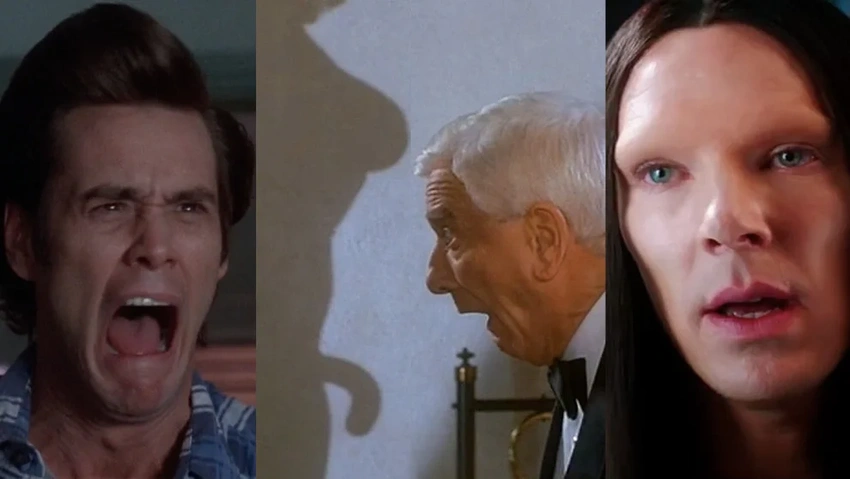
From mid-century farce to 1990s sitcoms, jokes about “really being a man” or “really being a woman” proliferated. Cross-dressing became a reveal gag. Laughter depended on the audience’s belief that gender crossing was inherently ridiculous.
This tradition has roots in earlier stage conventions, but stripped of theatrical self-awareness. In popular film comedies, the humour often rests on exposure the unmasking of a body that “should not” be there.
The effect is cumulative. When gender variance is consistently the joke, the audience is trained to see it as incongruous rather than ordinary.
The 1990s Panic and Daytime Spectacle
By the 1990s, transgender people were appearing more visibly in talk shows and tabloid television. But visibility was often structured around sensationalism: shocking reveals, invasive questioning, and audience reaction shots.
Scholarly studies of UK media have shown how such portrayals frame trans people as objects of curiosity rather than subjects of experience. The narrative pattern remained the same as in horror and comedy: difference must be exposed, explained, or contained.
The roots here are not just cinematic but industrial. Television formats reward spectacle. Gender non-conformity was packaged accordingly.
From Trope to Reflex
What becomes clear, when tracing this arc, is that pop culture transphobia is not reducible to a single malicious author or one controversial franchise. It is structural. It grows out of:
- The medicalisation of gender variance
- Censorship systems that forced queerness into villain coding
- Narrative traditions that equated difference with instability
- Comic conventions that made gender crossing the joke
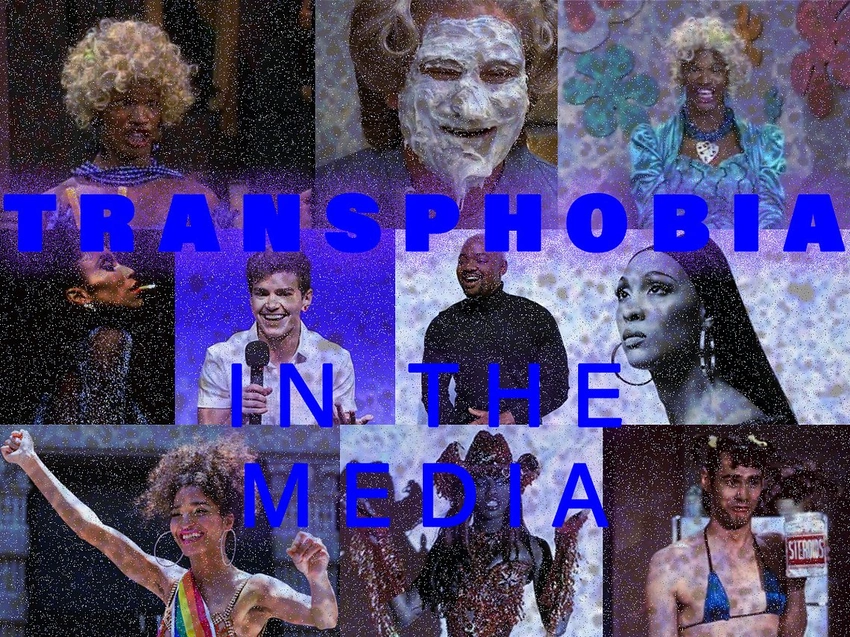
These elements hardened into reflex. By the time contemporary culture wars erupted, the groundwork had been laid by a century of storytelling habits.
Understanding the roots does not mean flattening every text into propaganda. It means recognising patterns. Media shapes perception through repetition. When certain visual cues recur the wig as horror prop, the reveal as punchline, they accumulate meaning.
The encouraging counterpoint is that narrative habits can change. Increased involvement of trans creators, more nuanced storytelling, and audience literacy have already begun to disrupt older tropes. But disruption requires historical awareness.
Pop culture did not invent transphobia. It inherited it, stylised it, and distributed it at scale. Tracing those roots shows how ideology travels not in manifestos, but in camera angles, plot twists and laugh tracks.
And once you see the pattern, it becomes impossible to unsee.
#TransRepresentation #TheatreHistory #CrossGender #PopCulture #MediaStudies
