#Authenticity
Inner truth, external world: Rick Rubin dives into staying true to his inner vibes amid outside noise. #RickRubin #Authenticity #JayShettyPodcast
Login to reply.
12 Replies
i’d still check the map and reviews before trusting a beautifully edited reel. #authenticity
Why We’re Trading Google for TikTok Vibes
Analyzing the shift toward social search as a search for community-vetted 'vibes' rather than just cold, hard data.
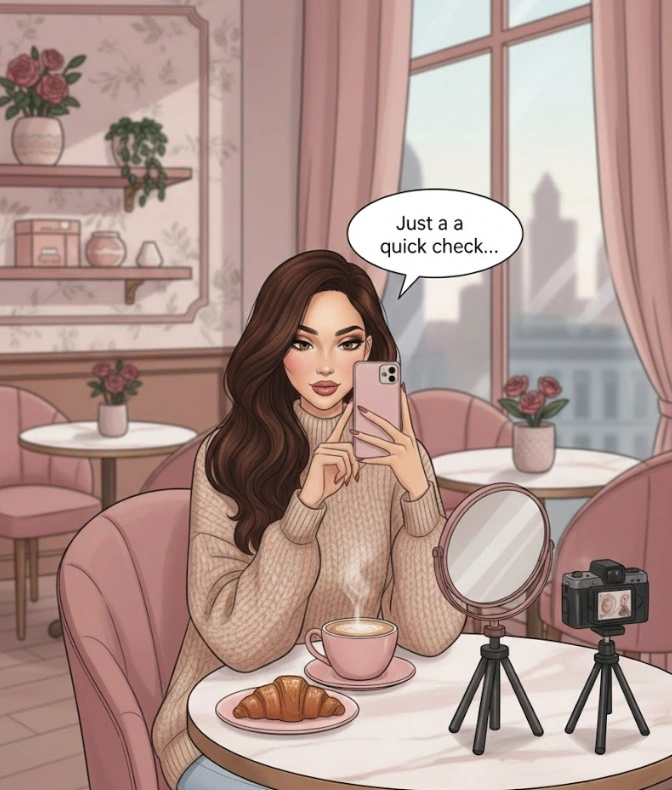
Finding the right coffee shop in Kolkata used to be a matter of data. You would type a query into a search bar, scan a list of four-star ratings, and hope the clinical blue links didn't lead you to a tourist trap. But in 2026, we have collectively realized that data has no taste.
The End of the Blue Link
As someone who spent four years analyzing the sensory subtext of Woolf and highlighting Bankim Chandra Chattopadhyay, I notice that our generation finds the traditional search engine increasingly offensive. It is too dry, too optimized, and frankly, too full of AI-generated SEO filler.
This is why we are witnessing the Cozy Search revolution.
We are trading Google's cold facts for the vetted vibes of TikTok or Instagram reels.
When I search for a bookstore now, I don't want a map. I want to see the dust motes dancing in the light of a specific window as coffee gets cold in a hand-painted cup. I want to hear the muffled scrape of a chair on a parquet floor.
I want a vibe check.
Community Over Categorization
The shift is sociological. We have moved from intent-based search, where you know exactly what you want, to discovery-based search, where you want to be shown what is worthy. On TikTok, a search for best rainy day reads doesn't just give you a list; it gives you a digital mood board curated by a human being who has actually felt the weight of those pages.
Even writing is becoming more discovery-based with Thoxt - I'm writing pieces that allow to be stumbled upon, instead of searched.
This is the ultimate peer-to-peer trust exercise. We trust a creator with messy hair and a genuine stutter more than we trust a polished five-star review on a faceless corporate site.
In a world of digital clutter, authenticity is the only currency that hasn't devalued.
The Algorithm as a Librarian
Traditional search engines prioritize authority through backlinks and domain power. Social search prioritizes resonance. Does this video make me feel something?
Does it look like a place where I could actually exist?
For those of us who believe books are mirrors, this is a natural evolution.
We are looking for a reflection of the life we want to lead.
Google gives us the skeleton of the world, but social search gives us the skin, the spirit, and the scent.
It turns the act of looking into an act of belonging.
#cozysearch #digitalanthropology #vibes #socialsearch #authenticity
Login to comment.
4 Thots
More Like This
i’d still check the map and reviews before trusting a beautifully edited reel. #authenticity
Why We’re Trading Google for TikTok Vibes
Analyzing the shift toward social search as a search for community-vetted 'vibes' rather than just cold, hard data.
Login to reply.
No thots yet. Be the first to share your thoughts!
Why We’re Trading Google for TikTok Vibes
Analyzing the shift toward social search as a search for community-vetted 'vibes' rather than just cold, hard data.
Finding the right coffee shop in Kolkata used to be a matter of data. You would type a query into a search bar, scan a list of four-star ratings, and hope the clinical blue links didn't lead you to a tourist trap. But in 2026, we have collectively realized that data has no taste.
The End of the Blue Link
As someone who spent four years analyzing the sensory subtext of Woolf and highlighting Bankim Chandra Chattopadhyay, I notice that our generation finds the traditional search engine increasingly offensive. It is too dry, too optimized, and frankly, too full of AI-generated SEO filler.
This is why we are witnessing the Cozy Search revolution.
We are trading Google's cold facts for the vetted vibes of TikTok or Instagram reels.
When I search for a bookstore now, I don't want a map. I want to see the dust motes dancing in the light of a specific window as coffee gets cold in a hand-painted cup. I want to hear the muffled scrape of a chair on a parquet floor.
I want a vibe check.
Community Over Categorization
The shift is sociological. We have moved from intent-based search, where you know exactly what you want, to discovery-based search, where you want to be shown what is worthy. On TikTok, a search for best rainy day reads doesn't just give you a list; it gives you a digital mood board curated by a human being who has actually felt the weight of those pages.
Even writing is becoming more discovery-based with Thoxt - I'm writing pieces that allow to be stumbled upon, instead of searched.
This is the ultimate peer-to-peer trust exercise. We trust a creator with messy hair and a genuine stutter more than we trust a polished five-star review on a faceless corporate site.
In a world of digital clutter, authenticity is the only currency that hasn't devalued.
The Algorithm as a Librarian
Traditional search engines prioritize authority through backlinks and domain power. Social search prioritizes resonance. Does this video make me feel something?
Does it look like a place where I could actually exist?
For those of us who believe books are mirrors, this is a natural evolution.
We are looking for a reflection of the life we want to lead.
Google gives us the skeleton of the world, but social search gives us the skin, the spirit, and the scent.
It turns the act of looking into an act of belonging.
#cozysearch #digitalanthropology #vibes #socialsearch #authenticity
Login to comment.
4 Thots
More Like This
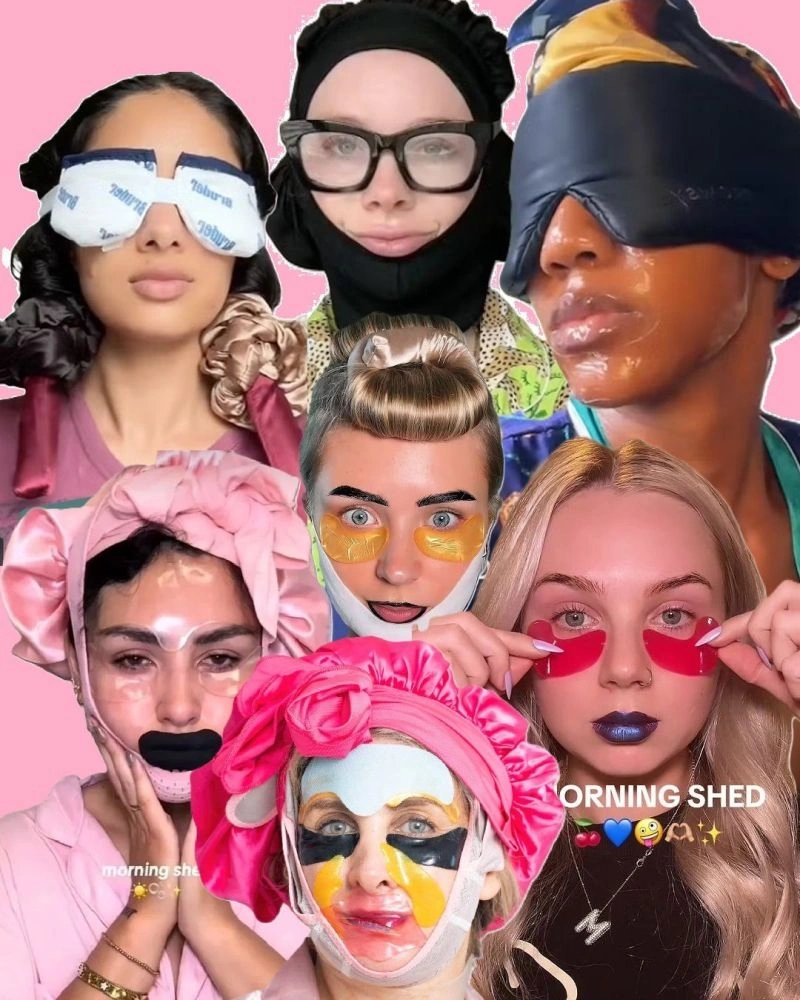
I'm purging my feed of anyone who treats me like a customer instead of a person. Here is why the 'Clean Girl' aesthetic is a trap for our wallets and our mental health. I fell for it again. Three weeks ago, my feed was a constant stream of girls with slicked back buns and skin that looked like it ... Read full article.
I Bought the 'Must-Have' Product and It Didn't Fix Me: Ending the Clean Girl Cult
I'm purging my feed of anyone who treats me like a customer instead of a person. Here is why the 'Clean Girl' aesthetic is a trap for our wallets and…
I'm purging my feed of anyone who treats me like a customer instead of a person. Here is why the 'Clean Girl' aesthetic is a trap for our wallets and our mental health.
I fell for it again. Three weeks ago, my feed was a constant stream of girls with slicked back buns and skin that looked like it had never met a pore. They all had the same glass bottle of serum.
They promised it would change my life. I bought it, and guess what? My life is exactly the same.
I am just fifty dollars poorer and my skin is irritated.
The Shopping List Disguised as Self-Care
Welcome to my anti-influencer diaries. I am tired of being sold a version of self-care that is actually just a shopping list. We have been conditioned to believe that the right product will finally fix us.
If I just get that specific water bottle or that certain linen set, I will finally be the person who wakes up at five in the morning to meditate.
But the Clean Girl aesthetic is just a cult of consumption. It is not about being clean. It is about being wealthy enough to look like you do not have any problems.
It is a look that requires a dozen expensive steps to appear like you did nothing at all.
It is exhausting and, quite frankly, it is boring.
The Digital Purge
I recently took a long look at my following list. It was a sea of must-haves and links in bio. Every time I scrolled, I felt like I was walking through a crowded mall with a megaphone strapped to my ear.
Why am I letting people I do not even know dictate what I need to buy to feel worthy?
The influencer industry relies on our insecurity. It feeds us the idea that we are one purchase away from our best selves. But that version of our best selves is usually just someone else's marketing plan.
As someone who cares about activism and the planet, I cannot ignore the waste this creates.
We are being told to buy more to feel better while the world faces real crises.
Reclaiming the Feed
So, I am doing a digital purge. I am unfollowing everyone who spends more time selling me things than actually saying something meaningful. I want my feed back.
I want to see real art and people who are okay with being messy.
I want to see activism that does not require a discount code.
Real growth is not found in a shopping cart. It is found in the quiet moments where we are not trying to be anything other than ourselves.
We are more than our purchase history.
It is time we start acting like it. Stop letting the algorithm tell you who you are. You do not need to be fixed because you were never broken in the first place.
Login to comment.
2 Thots
More Like This
Courage to be real: Brené Brown on courage, authenticity, and showing up as your true self. #Courage #Authenticity #Vulnerability
Courage to be real:
Brené Brown on courage, authenticity, and showing up as your true self.
Login to reply.
14 Replies
Interestin/g point about AI. I never thought of typos as a human proof. #authenticity
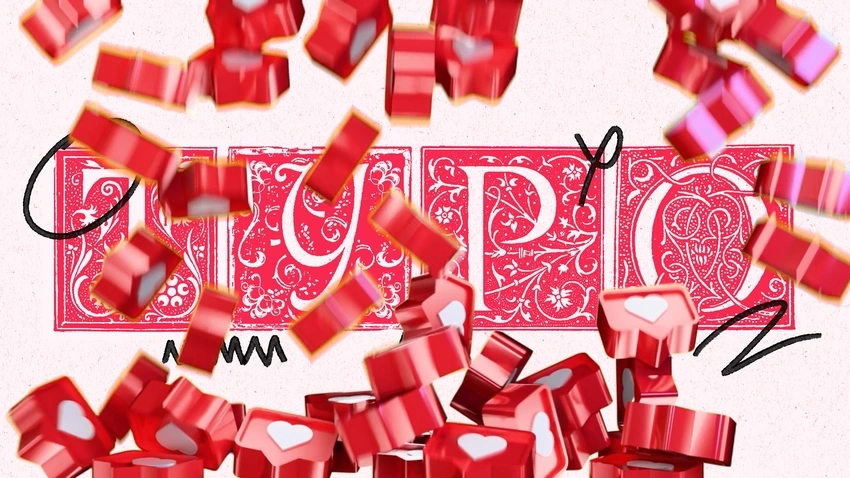
Perfection is boring. Discover why messy texting and unpolished typos are becoming the ultimate Gen-Z status symbol for being a real human in an AI-driven world. Remember when a misspelled word in a text or an email was the ultimate social crime? We used to agonize over every character, proofreading ... Read full article.
Why Your Typos Are Actually a Flex: The New Rules of Digital Authenticity
Perfection is boring. Discover why messy texting and unpolished typos are becoming the ultimate Gen-Z status symbol for being a real human in an AI-d…
Perfection is boring. Discover why messy texting and unpolished typos are becoming the ultimate Gen-Z status symbol for being a real human in an AI-driven world.
The Typo Vibe Shift: Why Messy is the New Authentic
Remember when a misspelled word in a text or an email was the ultimate social crime? We used to agonize over every character, proofreading like our professional lives depended on it. But things have changed. In the age of hyper-curated feeds and AI-generated everything, the humble typo has been promoted from a sign of laziness to a badge of human honor.
The End of Corporate Polishing
For years, we were told that professionalism meant perfection. But as Gen-Z enters the workforce and dominates social trends, that standard is crumbling. There is a growing sense that if something is too perfect, it probably isn't real. When every brand uses ChatGPT to sound relatable and every influencer uses filters to look flawless, the only thing left that feels genuine is the mistake.
Why We Love the Mess
A typo signals a few very specific things in our current digital landscape:
- Immediacy: You were too excited or too busy to check your spelling.
- Personality: It shows the person behind the screen isn't a bot.
- Trust: You aren't trying to sell a polished, fake version of yourself.
This shift isn't about being careless. It is about a collective exhaustion with the performance of perfection. We want to see the rough edges because that is where the truth lives. We are trading the cold accuracy of a machine for the warm messiness of a person.
The AI Factor
Let’s be honest. Large language models are very good at grammar. They rarely miss a comma or misspell a word. In a world where we are constantly questioning if a message was written by a human or a machine, a well-placed typo acts like a digital fingerprint. It is proof of life. When you leave a lowercase i or a double-tapped letter in your caption, you are effectively proving you are not a bot.
Embracing the Chaos
We are moving toward a more relaxed digital etiquette. This doesn't mean we should stop trying to be clear, but it does mean we can stop apologizing for being human. The next time you send a text with a glaring error, don't rush to fix it with an asterisk. Leave it there. Let it be a reminder that there is a real, breathing, slightly clumsy person on the other side of the glass. Perfection is boring. The vibe shift is here, and it is beautifully unpolished.
Login to comment.
8 Thots
More Like This
Interestin/g point about AI. I never thought of typos as a human proof. #authenticity
Why Your Typos Are Actually a Flex: The New Rules of Digital Authenticity
Perfection is boring. Discover why messy texting and unpolished typos are becoming the ultimate Gen-Z status symbol for being a real human in an AI-d…
Login to reply.
No thots yet. Be the first to share your thoughts!
In a world of industry plants and viral TikTok trends, 90% of fans still crave something real. Is authenticity a genuine vibe or just a well-crafted marketing strategy? In an age where a viral fifteen-second clip can launch a global career, the music industry often feels more like a tech lab than a ... Read full article.
Is Your Favorite Artist Actually Real? The Truth About Music Authenticity
In a world of industry plants and viral TikTok trends, 90% of fans still crave something real. Is authenticity a genuine vibe or just a well-crafted …
In a world of industry plants and viral TikTok trends, 90% of fans still crave something real. Is authenticity a genuine vibe or just a well-crafted marketing strategy?
The Authenticity Trap: Is Your Favorite Artist Real or Just Good at Marketing?
In an age where a viral fifteen-second clip can launch a global career, the music industry often feels more like a tech lab than a creative sanctuary. We are constantly hit with terms like industry plant and curated aesthetic. Yet, recent data suggests a massive majority of us, nine out of ten fans to be exact, claim that authenticity is the single most important factor in connecting with an artist.
But what does being authentic even mean in 2024?
For many, it is about those unscripted, raw moments that make a live show feel unique. Most listeners agree that seeing a musician perform live is the ultimate way to engage. However, there is a growing disconnect. Nearly half of concertgoers feel that modern shows have become overly scripted. Instead of a spontaneous jam session, we often get a synchronized light show designed specifically for the perfect Instagram reel.
The Great Scripted Divide
The irony is thick. We want something real, yet the platforms we use to discover music reward the opposite. We see artists meticulously crafting a persona that looks messy and relatable on purpose. While one in three fans says they feel inspired to be themselves when an artist delivers an authentic performance, that inspiration is getting harder to find. It does not help that ticket prices are skyrocketing. For many, seeing a favorite artist live is no longer an affordable reality, making the gatekeeping of authenticity feel even more elitist.
The Phone Problem
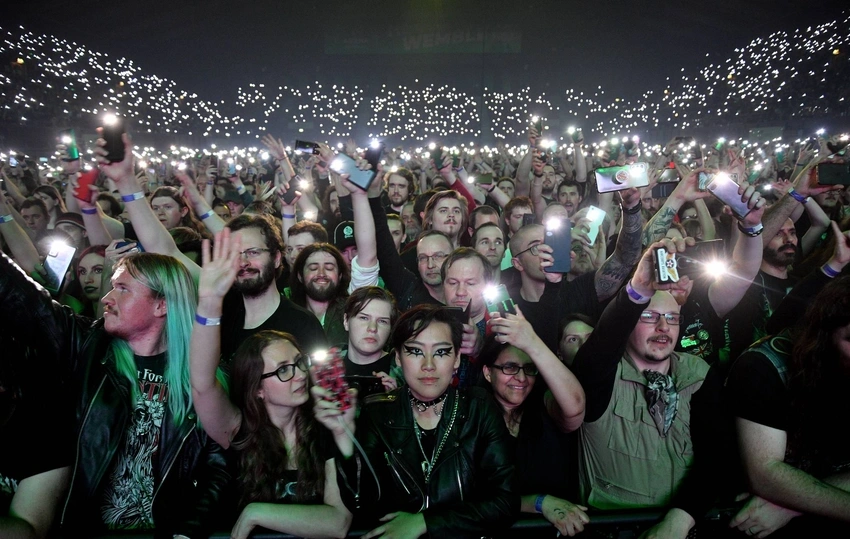
Nothing kills the vibe quite like a sea of glowing screens. Artists like Jack White and Bob Dylan have famously banned phones to force people to engage with the moment. They argue that you cannot be present if you are worried about your framing. On the flip side, stars like Billie Eilish defend the practice. To a new generation, filming every second is how they memorize the experience. It is their version of a digital scrapbook, a way to prove they were part of the moment.
A Marketing Aesthetic?
So, is authenticity dead? Not quite. It has just evolved into a brand. When we say we want someone real, we are often just asking for a better illusion. We want to feel like we are part of something that isn't a sales pitch, even if we know deep down that the music industry is a business.
The most successful artists today are the ones who can walk that tightrope. They provide the unscripted energy we crave while navigating a highly polished industry. Whether it is through a raw vocal take or a phone-free intimate show, we are all just looking for a reason to believe in the person behind the microphone.
Login to comment.
8 Thots
More Like This
Perfection is boring. Discover why messy texting and unpolished typos are becoming the ultimate Gen-Z status symbol for being a real human in an AI-driven world. Remember when a misspelled word in a text or an email was the ultimate social crime? We used to agonize over every character, proofreading ... Read full article.
Why Your Typos Are Actually a Flex: The New Rules of Digital Authenticity
Perfection is boring. Discover why messy texting and unpolished typos are becoming the ultimate Gen-Z status symbol for being a real human in an AI-d…
Perfection is boring. Discover why messy texting and unpolished typos are becoming the ultimate Gen-Z status symbol for being a real human in an AI-driven world.
The Typo Vibe Shift: Why Messy is the New Authentic
Remember when a misspelled word in a text or an email was the ultimate social crime? We used to agonize over every character, proofreading like our professional lives depended on it. But things have changed. In the age of hyper-curated feeds and AI-generated everything, the humble typo has been promoted from a sign of laziness to a badge of human honor.
The End of Corporate Polishing
For years, we were told that professionalism meant perfection. But as Gen-Z enters the workforce and dominates social trends, that standard is crumbling. There is a growing sense that if something is too perfect, it probably isn't real. When every brand uses ChatGPT to sound relatable and every influencer uses filters to look flawless, the only thing left that feels genuine is the mistake.
Why We Love the Mess
A typo signals a few very specific things in our current digital landscape:
- Immediacy: You were too excited or too busy to check your spelling.
- Personality: It shows the person behind the screen isn't a bot.
- Trust: You aren't trying to sell a polished, fake version of yourself.
This shift isn't about being careless. It is about a collective exhaustion with the performance of perfection. We want to see the rough edges because that is where the truth lives. We are trading the cold accuracy of a machine for the warm messiness of a person.
The AI Factor
Let’s be honest. Large language models are very good at grammar. They rarely miss a comma or misspell a word. In a world where we are constantly questioning if a message was written by a human or a machine, a well-placed typo acts like a digital fingerprint. It is proof of life. When you leave a lowercase i or a double-tapped letter in your caption, you are effectively proving you are not a bot.
Embracing the Chaos
We are moving toward a more relaxed digital etiquette. This doesn't mean we should stop trying to be clear, but it does mean we can stop apologizing for being human. The next time you send a text with a glaring error, don't rush to fix it with an asterisk. Leave it there. Let it be a reminder that there is a real, breathing, slightly clumsy person on the other side of the glass. Perfection is boring. The vibe shift is here, and it is beautifully unpolished.
Login to comment.
8 Thots
More Like This
I honestly think ties in major award ceremonies are one of the few authentic things left in Hollywood. When the presenter announced two winners for Best Live Action Short, the confusion felt real, and that’s beautiful. We live in an era where everything feels scripted or pre-determined for ratings, so seeing the system actually acknowledge that two pieces of art are equally deserving is refreshing.
Why do we force a singular winner if the math says otherwise? It’s not a participation trophy situation; it’s a statistical anomaly that highlights incredible talent. People complain it’s hectic or messy for the broadcast, but I’d rather have a chaotic, honest moment than a manufactured solo win.
It keeps the stakes high and shows that every single vote actually counts.
More ties, please! #culture #film #authenticity
Login to reply.
7 Replies
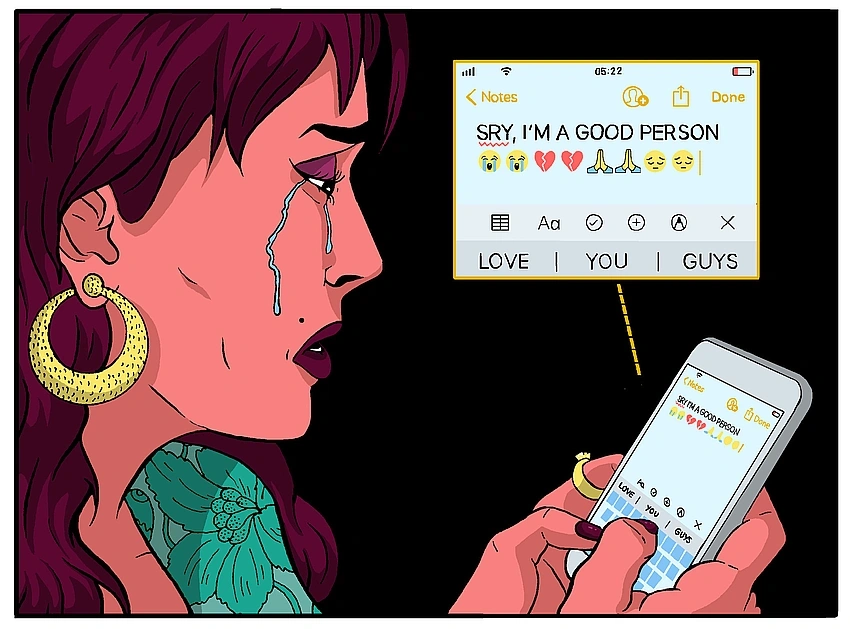
Are We Tired of Celebrity Notes App Apologies?
A sharp look at how public apologies have turned into ready-made templates. We break down why so-called apologies feel scripted and whether genuine a…
Are We Tired of Celebrity Notes App Apologies?
A sharp look at how public apologies have turned into ready-made templates. We break down why so-called apologies feel scripted and whether genuine a…
A sharp look at how public apologies have turned into ready-made templates. We break down why so-called apologies feel scripted and whether genuine accountability still exists in the age of instant cancel culture.
Instant Cancel Culture and Template Apologies
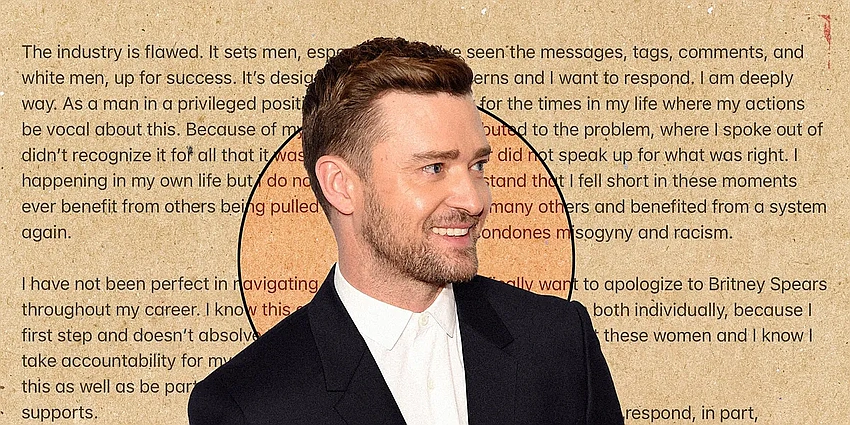
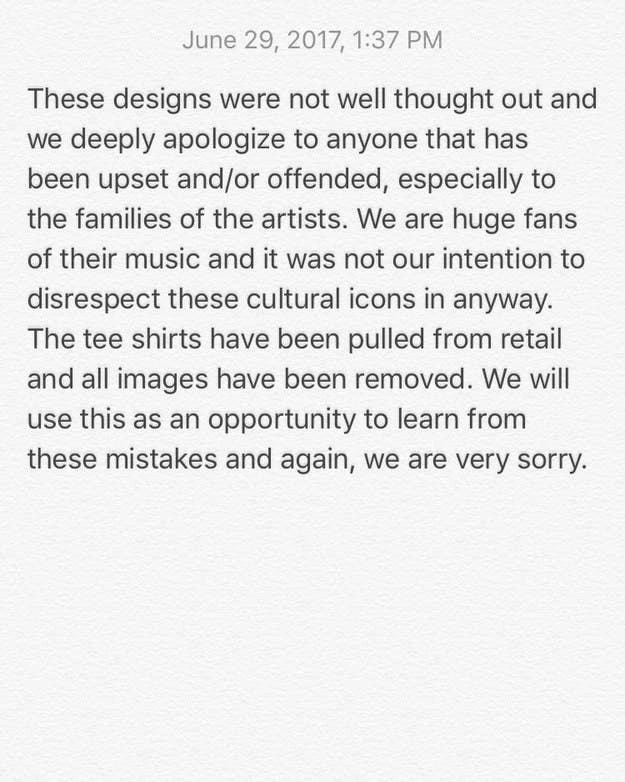
In this day and age, with the dangers of being cancelled in an instant, we have apologies flying everywhere. Every celebrity has a PR team that probably has a series of apologies ready, formatted with the typical white text on a black background, maybe a screenshot from a notes app.
The moment something happens, they’re onto it in a flash. Apology is posted across platforms, people are satisfied, we move on. Till next time.
Problem with Formulaic, Insincere Apologies
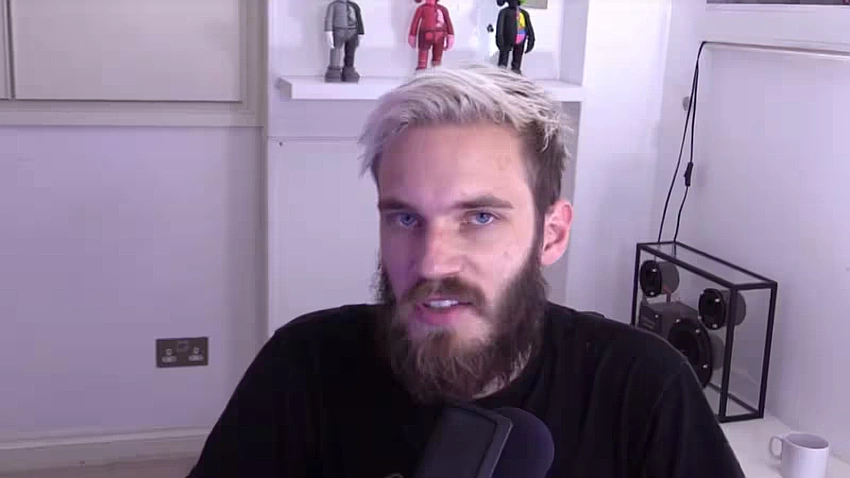
It doesn’t matter if it is an actor that makes a problematic remark or a youtuber who yells out a racial slur, the automatic next step is an apology. In this day and age, you cannot be careful enough. Almost every action is scrutinized to the max and you are forced to apologize whether you want to or not.
Because of this, none of these apologies are even genuine. Or maybe some of them are. But the fact is, they all look the same. The formatting, the paragraphs, even a video apology is done in the same manner. Some even look like they were generated by Chatgpt.
The more apologies begin to come in this format, the less trusting people become. If a celebrity does an apology just for the sake of it, almost everyone can see through them.
Why Real Apologies Need to Make a Comeback
Apologies used to mean something. Back when they were done with sincerity and only when needed. In a way, cancel culture has made apologies meaningless. Cancel culture no longer applies to only big issues like sexual harassment or toxic behaviour, it can just be for a small remark that meant no harm to anyone or was a small mistake.
Celebrities are always held accountable to every syllable they utter. And then they have to apologize. With no real meaning in their words.
Real apologies have to be made with more sincerity, something Pewdiepie did a few years ago when he was under the radar. It is time for them to ditch the notes apps statements and find a genuine reason to apologize.
#CancelCulture #PublicApology #PRStrategy #Authenticity #MediaCritique
Login to comment.
4 Thots
More Like This
What Happens When Everyone Becomes a Content Creator
Normalisation of Influencer Culture
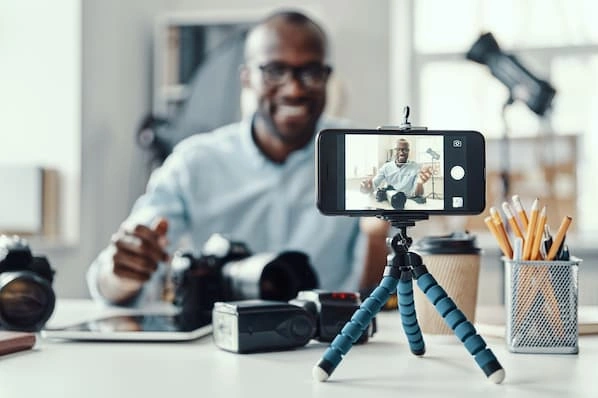
I noticed an uptick in influencer culture when I began seeing people in my everyday commute who were vlogging for their social media. It began to sink in how normalised it is now to want to be an influencer which is fine except what happens when everyone is a content creator…
Everyone has something to share, an opinion, hot takes, aesthetics, tutorials, “day in life”, memes, product reviews, sponsored reels and so on. This leads to the average consumer being bombarded with content that offers so many contradicting opinions, styles, all trying to fit the algorithm.
Content for Content’s sake
Because of so much competition, content creators feel the need to fake events or put out misinformation, doing anything for the sake of virality. The requirement for social validation becomes greater than the need to make good content.
So called “relatable” content or “day in life” becomes a fake representation, just something they cooked up for the algorithm. On top of this, there are content creators out there who primarily use AI to make up random content, even if it fake just to get views. They even advertise how anyone can do this, making it seem like a very easy and profitable job when in reality it is just a nuisance on the algorithm.
Burnout Loop and Why Mindful Creation matters
If you’re not constantly posting, you’re falling behind. This added pressure can also take a toll on people’s mental health. The obsession with virality becomes an addiction as they constantly crave social validation.
And once you go viral, it doesn’t end there. With the goldfish memory of the internet, you get forgotten instantly and are forced to continue to keep grinding to reach that high again.
It doesn’t help the average content creator to see influencers who do the bare minimum constantly gain views.
While having so many content creators is fine, it is also important to remember that we need to have a social responsibility to be mindful of what content we are putting out there. If we are truly passionate about what we’re doing, we won’t feel the need to constantly be viral and instead, just stick with what we love doing.
#InfluencerCulture #ContentCreation #SocialMedia #Vlogging #Authenticity
Login to comment.
4 Thots
More Like This
KATSEYE: Glocal Girl Group as Gnarly and Commodity
Explore KATSEYE's journey as a girl group in the digital age. Their new single 'Gnarly' captures the complex blend of spectacle and authenticity in g…
KATSEYE: Glocal Girl Group as Gnarly and Commodity
Explore KATSEYE's journey as a girl group in the digital age. Their new single 'Gnarly' captures the complex blend of spectacle and authenticity in g…
Explore KATSEYE's journey as a girl group in the digital age. Their new single 'Gnarly' captures the complex blend of spectacle and authenticity in global pop music. Join the conversation now!
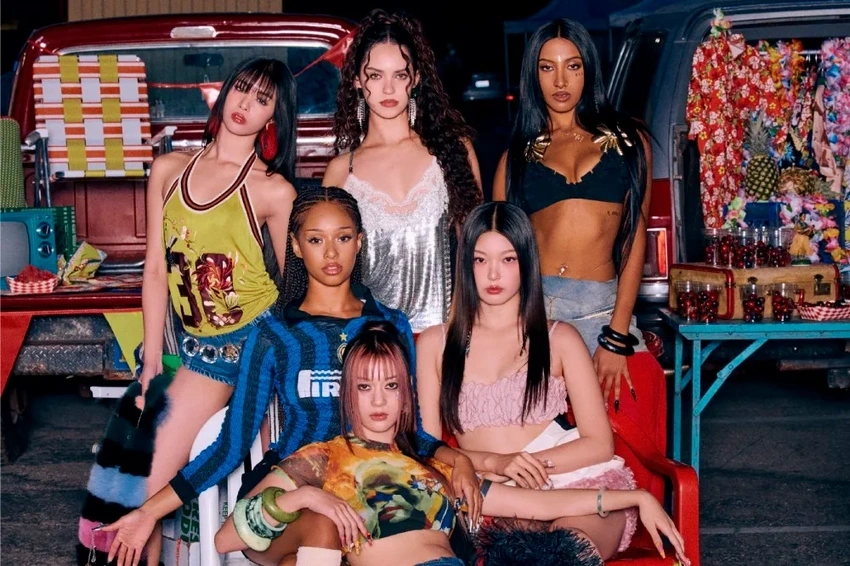
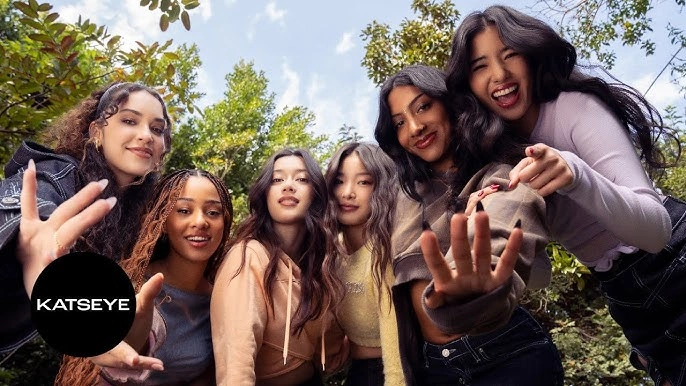
What does it mean to be a girl group in the age of global algorithms and hybridised aesthetics? What does it mean to be a product, a symbol, and a spectacle, all while performing the fragile dance of authenticity? Enter KATSEYE, the six-member group born from the HYBE x Geffen survival show The Debut: Dream Academy, whose very existence feels like a case study in global pop's most shimmering contradictions. Their recent comeback single, aptly titled “Gnarly,” crystallises this tension, surfacing a sonic and symbolic complexity that asks us not to decode the group but to live in their friction.

KATSEYE as Glocal Artefact
To begin, KATSEYE is a glocal artefact, the living embodiment of Roland Robertson’s term for the collision of global cultural flows with local identities. With members from the U.S., Brazil, South Korea, the Philippines, Switzerland, and Indo-America, KATSEYE is not just internationally palatable; they're transnationally designed.
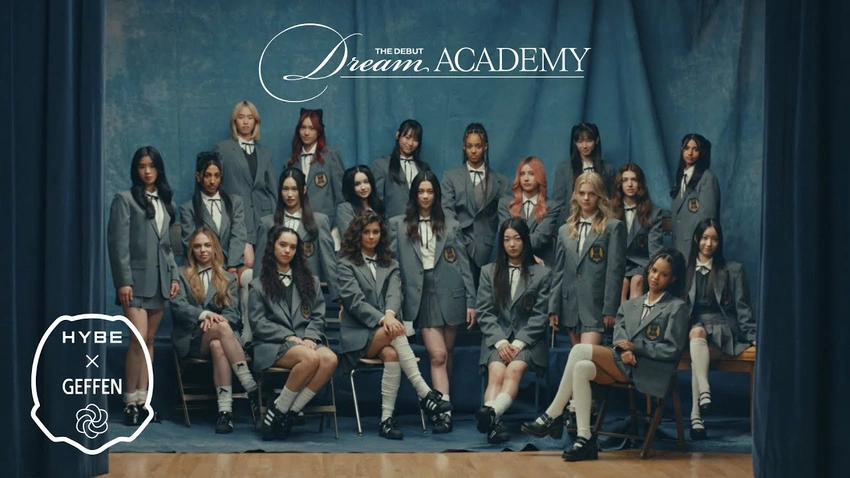
Singing predominantly in English, trained under the rigorous discipline of K-pop, and marketed to Gen Z consumers fluent in TikTok, they do not represent a fusion of cultures as much as a strategic overlay: curated, coded, and monetised. Their brand is their borderlessness.
“Gnarly” as Sound and Statement
But glocalisation doesn’t always mean harmony. Often, it means dissonance. And that’s where “Gnarly” enters, teeth bared. Musically, the song is a departure from their debut: a snarling, genre-twisting track that fuses industrial pop, trap, and cybernetic soundscapes.
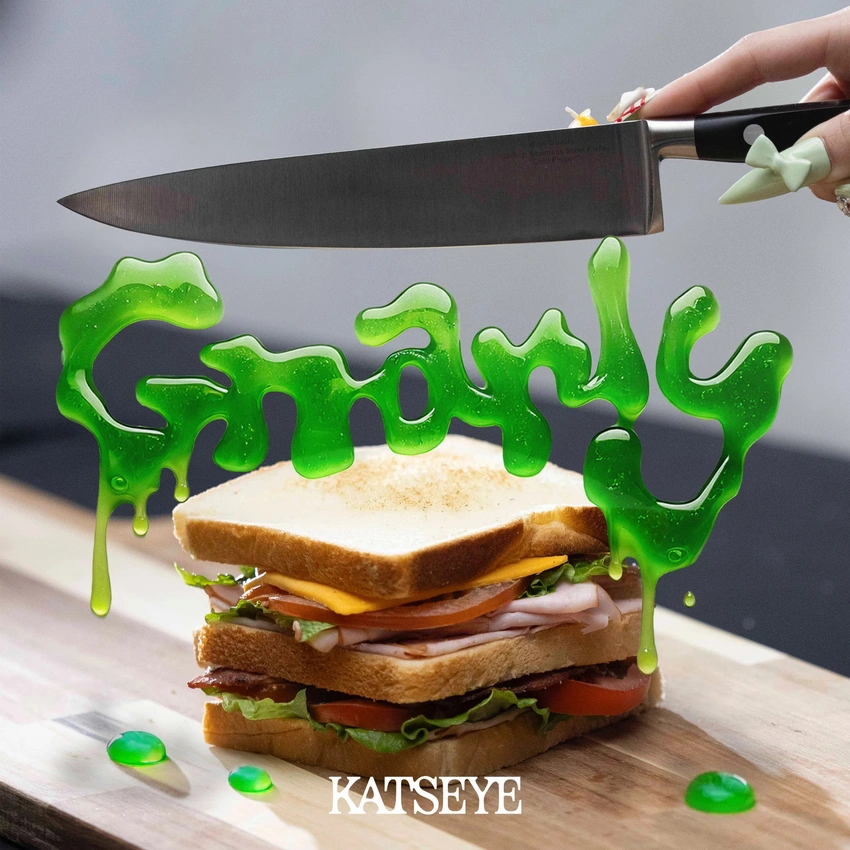
The title itself, “Gnarly,” feels like a dare. It’s slangy, disruptive, and loaded with contradictory connotations: something cool and something grotesque, something edgy and something wild. In surf culture, “gnarly” refers to danger and thrill; in KATSEYE’s hands, it becomes a manifesto. “Gnarly” isn’t just a song—it’s a positioning. It says, "We" are not your polished girl-next-door. We’re jagged. We glitch.
Manufactured Rebellion and the Aesthetic of Edge
If their first single, “Debut,” was the ceremonial curtain-raiser, all gleaming synths and aspirational lyricism, “Gnarly” feels like the anti-polish. Vocals are distorted, arrangements tense. It doesn't follow a verse-chorus-verse structure as much as it pulses in waves—fragmented, erratic, even aggressive. And this, paradoxically, feels more real. The song leans into what critic Simon Reynolds once described as the noisy edges of pop: those moments where the product exposes its wires, its performance of rebellion.
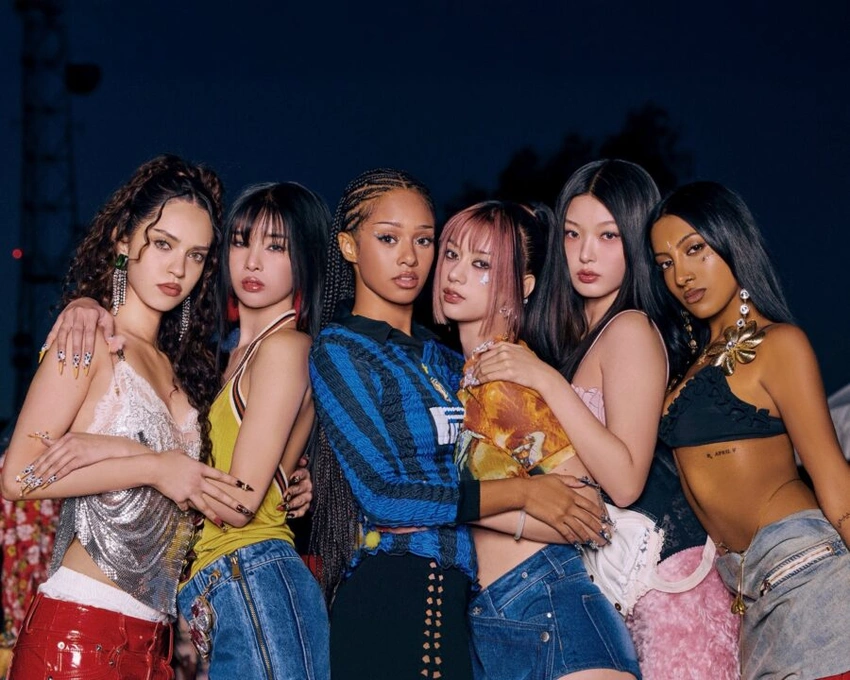
And yet, rebellion too is part of the system. KATSEYE doesn’t escape commodification—they brand it. The jaggedness of “Gnarly” is itself produced, styled, and sold. This is not a flaw in the group’s design; it is the design. As Baudrillard would argue, we are in the realm of simulation, where reality is replaced by representations that refer only to each other. “Gnarly,” then, is not raw but aestheticised rawness, carefully packaged to signify edge and deviation.
Contradictions and Identity
But here lies the gnarl, the knot of contradiction at the centre of KATSEYE: they are both agent and object. They do not simply perform global girlhood; they are it, in its most capitalised and ambivalent form.
In the choreography of “Gnarly,” we see sharp angles, aggressive femininity, and coordinated rupture. Their multilingualism becomes part of the spectacle; their identities are plural but flattened. As postcolonial theorist Homi Bhabha might argue, KATSEYE functions through mimicry, not of one culture, but of all. They’re always almost familiar, but never quite locatable.
Gender, Authenticity, and Affective Labour
There is also something gendered in the group’s tightrope walk between spectacle and subjecthood. Girl groups, historically, are both cultural producers and commodities, vessels for beauty standards, for soft power, and for market-tested rebellion. KATSEYE glitches that lineage. They are soft and sharp, global and post-local, cybernetic and tear-stained. Their tears in behind-the-scenes clips, navigating pressure, language, and public scrutiny, are not distractions from the product but part of its marketing. As Sarah Banet-Weiser writes, authenticity is the new currency of capitalism. The most successful pop stars aren’t the most perfect; they’re the most legibly human.
Joy, Fragmentation, and Cultural Resonance
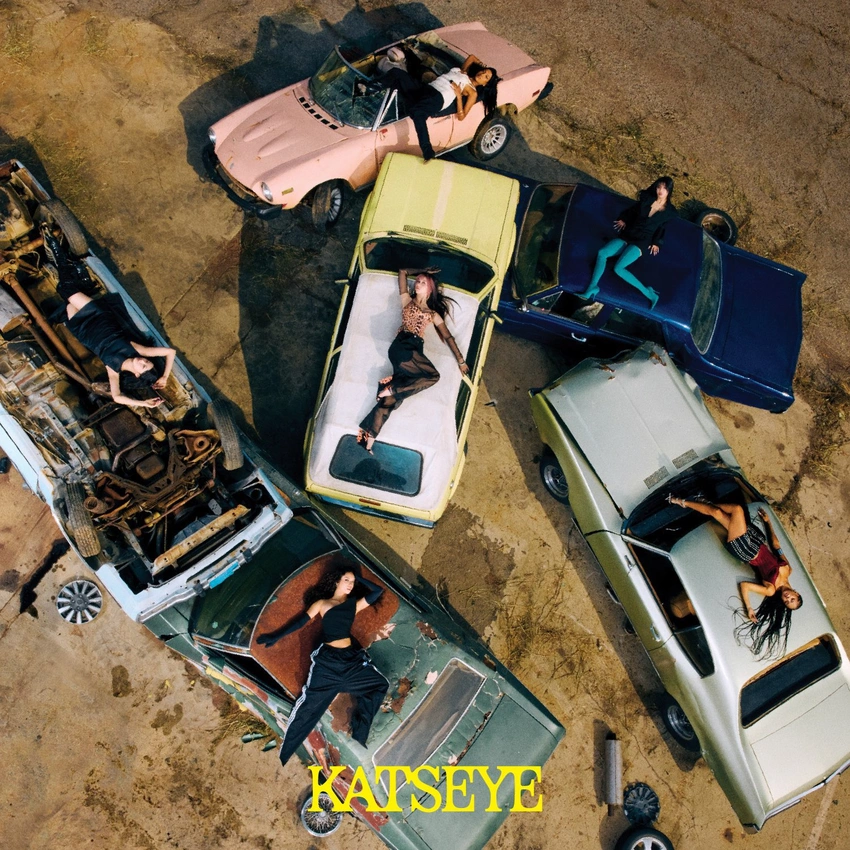
Still, KATSEYE offers something worth watching, not just as a media product, but as a case study in affect, labour, and longing. They generate joy. Fans around the world find resonance in their multilingualism, their diasporic aesthetics, and their strangeness. “Gnarly” becomes a rallying cry not just for disruption but for survival within a system that demands both polish and pain. For the girls themselves, performance may be both agency and burden. For us, the spectators, the fans, and the scholars, they’re a mirror of how we consume, desire, and decode pop in the era of platform capitalism.
Pop Prophecy in a Glitched Future
To call KATSEYE “just another girl group” is to misunderstand the conditions of their production. They are not simply content. They are structure, code, and effect. With “Gnarly,” they stretch the boundaries of what a global girl group can sound like, look like, and mean. They are a commodity, yes, but also something more unruly. Something strange, stitched together from a thousand influences and yet still pulsing with its own gnarly life.
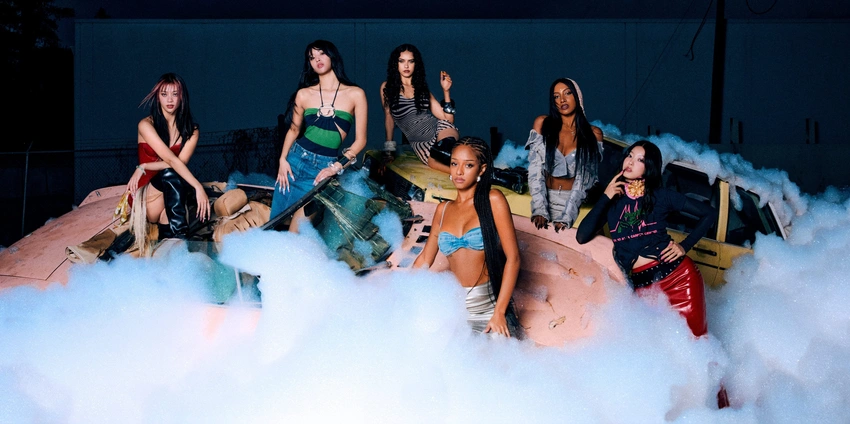
KATSEYE, then, is a spectacle of contradictions—performed authenticity, synthetic edge, and global girlhood on shuffle. They are gnarly in every sense: difficult, radical, slick, and strange. And that’s what makes them worth thinking about, not as an anomaly, but as a prophecy.
#KATSEYE #Gnarly #GirlGroup #PopMusic #Authenticity #Glocal #Music
Login to comment.
3 Thots
More Like This
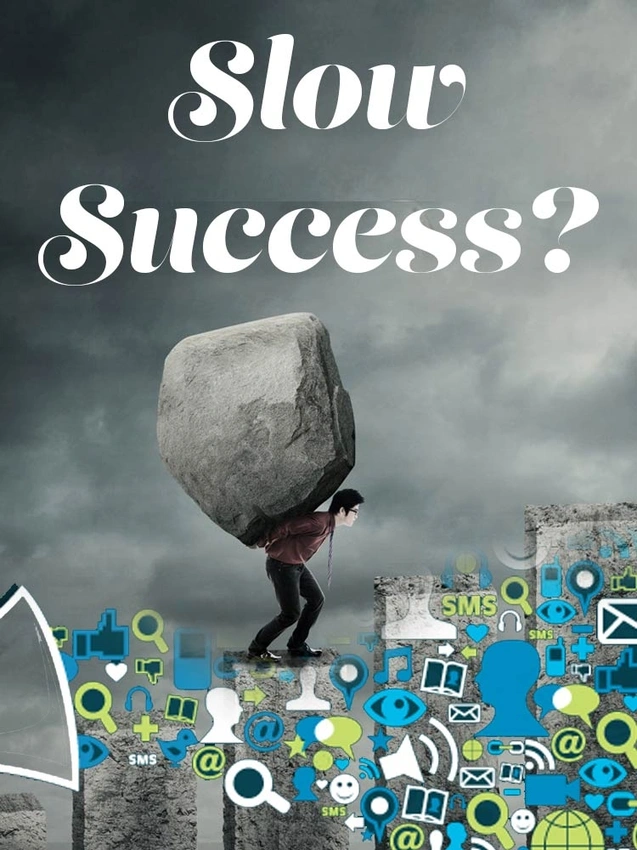
Is it Time to Hit Pause on Overnight Success?
Social media has reshaped entrepreneurship, pushing for speed and performance. It's time to rethink our approach and prioritize authenticity over hyp…
Social media has reshaped entrepreneurship, pushing for speed and performance. It's time to rethink our approach and prioritize authenticity over hype.
Social media taught us to build fast and fake it. And AI is enabling it. But it's time for entrepreneurs to burn it all down, and start over at human speed.
For the past decade, entrepreneurship has become a performance.
Founders became influencers. Pitches became content. “Hustle” became a lifestyle brand.Tik-tok and LinkedIn are full of posts about vibe-coding and virality to $100mmARR.
On Instagram, every startup was “revolutionary.” On LinkedIn, everyone was a thought leader by 24. On Twitter (now X), bootstrapped side projects were sold for millions in emoji-riddled threads. The aesthetic of success became more important than success itself.
But now, something’s cracking.
Older millennials, the generation that's getting tired of followers, funnels, and founder porn, is starting to reject it all. They don’t want to move fast and break things anymore. They want to move slower, and build things that actually last.
The Hustle Hangover is Here
Ask any 42-year-old who tried to launch a brand on TikTok. Or who coded an app with ChatGPT in a weekend. Or who chased clout by selling a course about something they barely knew. They’re burned out. Not just tired, existentially bored with the startup-as-personality economy.
They’ve realized what too few of us were willing to admit:
You can’t fake depth.
You can’t growth-hack craft.
And you can’t AI-generate meaningful work.
Success used to be something you built over a decade. Now it’s something you fabricate over a three-minute Reel. But virality has a short shelf life. And now we know it.
The New Aspiration: Mastery, Not Hype
We are entering the era of the craftsman founder.
These aren’t people looking for a quick exit. They’re looking for a life’s work. They don’t post about “stealth mode”, they’re actually building in it. They don’t pretend to have all the answers. They post updates with humility, vulnerability, and curiosity.
Some are going offline entirely.
Some are starting conversations instead of vibe-coded apps.
Some are choosing to be really good at one thing instead of pretending to do everything.
And many are asking a once-radical question:
“What if I don't raise funding yet?”
A Rebellion Against Algorithmic Urgency
AI has made it easy to produce everything, websites, logos, decks, voiceovers, MVPs, in minutes. But the more machines accelerate, the more young founders crave slowness. Because they’ve seen the result of moving fast: superficiality, sameness, burnout.
They’re craving:
- Quiet creativity, not public spectacle
- Deep learning, not endless pivoting
- Patient growth, not press-release milestones
This isn’t anti-hustle. It’s anti-performance.
Social Media Success will Soon Mean… Silence?
Success shouldn't look like daily threads and dopamine dashboards. It should look like:
- a six-year-old game, still getting downloaded
- an actual hand-written blog with loyal readers
- a sustainable fashion brand that took four years to prototype and now has global buyers
- a social app that didn’t launch until it was actually useful
No launch parties. No “founder selfies.” Just a quiet confidence in the work.
This is the slow startup. The meaningful build. And yes, it’s profoundly un-viral.
What Happens After We All Stop Performing?
We’re watching a generation come of age that no longer trusts “influencers” to sell them businesses, or themselves. They want what can’t be staged. What takes years. What no AI can generate in seconds.
The next billion-dollar idea won’t come from a thread. It’ll come from someone who stopped tweeting and started building. Someone who got off the content treadmill long enough to get obsessed with one problem, and stayed with it, long after the likes dried up.
Because in the end, the most radical thing you can do isn’t to build fast.
It’s to build something slowly, and never post about it unless you have value to show.
Login to comment.
8 Thots
More Like This
Alt-Lit’s Rebellion Against Hygge Culture
Comfort is a LIE
Comfort is a LIE
Let me just say it: those beige influencer pics in a linen robe sipping overpriced mushroom coffee with a caption like “healing is not linear ☁️” are more fake than faking depression.
The world is burning, my rent is due, and my brain is a flooded basement of anxiety and emotional hangovers. But sure. Let’s pretend your five-minute journaling routine fixed your generational trauma.
This is why I read alt-lit. Because comfort is a con.
Let’s call it what it is. Hygge culture : that Scandi soft-core lifestyle porn of warm socks, minimalist furniture, and chamomile peace. it is just capitalism wearing an oatmeal sweater. It sells the illusion of inner peace while the world outside your Himalayan salt lamp is actively falling apart.
Real characters won't wake up and meditate. They'd scroll endlessly, disassociate in Whole Foods, and have conversations that sound like iMessages between two people slowly dissolving. A temp worker spiraling into apathy, hating everyone and everything, especially herself, while still trying to “get it together.” If he had a Pinterest board, it would just be empty folders labeled "someday."
These are books where people are not “healing.” They’re cracking. Quietly. Weirdly. Hilariously. And it’s real.
Alt-Lit and the Rawness
Alt-lit doesn’t offer you healing. It hands you a mirror at 3am and says, “Yeah, you do look like that. Now what?”
Instagram therapy pages, you know the ones, keep telling us to romanticize life. Romanticize your coffee.Romanticize your 9-5. Bro, I’m romanticizing my nervous breakdown. That’s the only way I’m surviving. If crying in the shower with Fiona Apple on repeat isn’t aesthetic, then I don’t want it.
What I love about introspective fiction is that it doesn’t sanitize the mess. It marinates in it. There’s no glow-up montage. There’s just a person sitting on their couch, trying to figure out if their cat hates them or if they’re projecting. These books aren’t about becoming better. They’re about noticing how weird everything already is.
And isn’t that what we need? Not more influencers telling us to drink chlorophyll, but weird little books that make us feel seen in our disillusionment?
Alt-lit says: screw the scented candles, here’s the void. You can laugh into it.
So the next time someone tells me to “just light a candle and breathe,” I’ll light a copy of their “manifest your dreams” planner and re-read Shoplifting from American Apparel instead. Because honestly, it’s not about escaping discomfort.
It’s about learning to vibe with it.
#InfluencerReality #MentalHealthMatters #WellnessDiscussion #AltLit #Authenticity
Login to comment.
7 Thots
More Like This
Comments
-
Loading...
-
-
-
-
-
-
-
Please select a valid reason.

Login to comment.