The Problem with Stella Lefty: When the Music Industry Sells Privilege as Talent

The Problem with Stella Lefty: When the Music Industry Sells Privilege as Talent
The Problem with Stella Lefty: When the Music Industry Sells Privilege as Talent
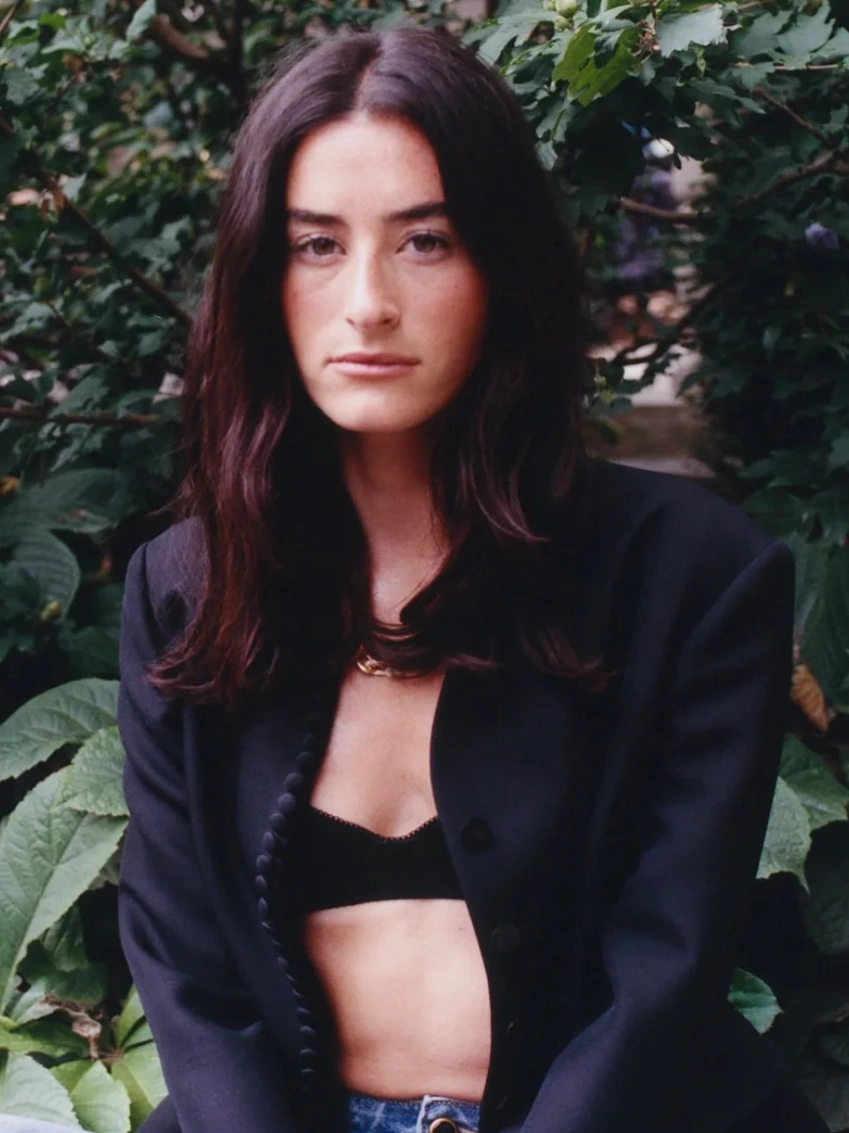
Stella Lefty’s chart success has sparked debate over talent, wealth and opportunity in music. Her story challenges the familiar idea that persistence alone is enough to find an audience.
The music industry has always had a peculiar relationship with money. We love stories about musicians who come from nowhere, write songs in their bedrooms, play to five people in a pub and eventually find themselves on a festival stage. Something is reassuring about the idea that talent, if persistent enough, will eventually find its audience. Stella Lefty's rise complicates that story, and perhaps that is why the conversation around her has become so heated.
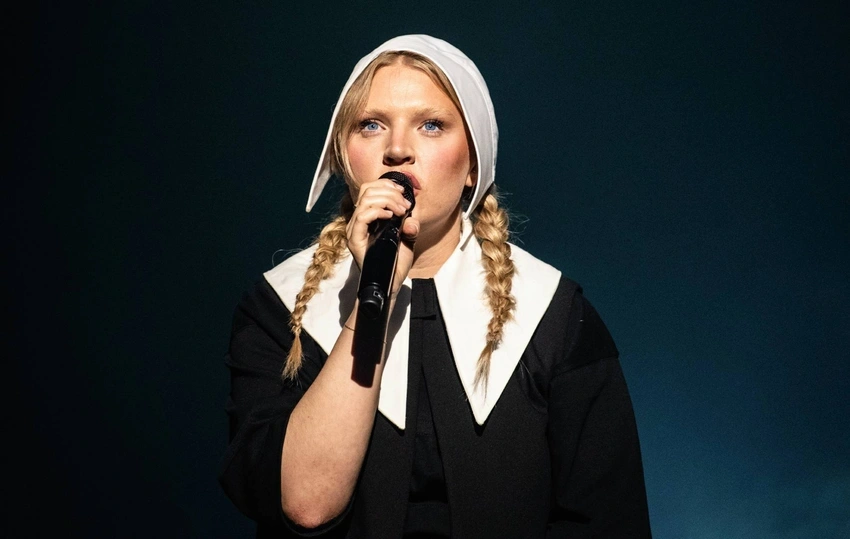
Lefty, born Stella Lefkofsky, is the daughter of Eric Lefkofsky, the billionaire co-founder of Groupon and founder of the healthcare technology company Tempus. Her breakout single, “Boston”, took her from TikTok visibility to the upper reaches of the Billboard charts. The question that followed was fairly predictable: how much of this success belongs to the music, and how much to the circumstances that allowed her to pursue it?
Strictly speaking, Lefty is not a conventional nepo baby. Her father does not come from the entertainment industry, and she has not inherited a position in music through an established family name. But reducing the discussion to whether she technically qualifies as a nepo baby misses the larger point. Wealth is its own form of inheritance, and it can be just as consequential as professional connections.

The privilege of having time
Making a career in music is expensive, even before an artist begins to make money. Recording, production, equipment, management, publicity, travel and the simple cost of having enough time to write and perform all require resources. For most emerging musicians, these expenses exist alongside rent, student loans, healthcare, day jobs and the constant possibility that the music will never become financially sustainable.
For someone born into extraordinary wealth, the risks are fundamentally different. It is not necessary to establish that a parent personally funded every aspect of a career to recognise the advantage. Having a financial safety net means being able to spend years pursuing an uncertain profession without the same consequences of failure. It can mean access to better equipment, professional guidance, the freedom to experiment and the ability to treat music as a full-time pursuit rather than something squeezed between shifts.
For example, Gracie Abrams has been unusually candid about the advantages her family's position afforded her, particularly the time and security to concentrate on music. That admission is important because it moves the conversation away from the simplistic assumption that privilege automatically negates talent. It acknowledges that talent and opportunity are not mutually exclusive.

The problem with the meritocracy narrative
What makes Lefty's rise particularly revealing is the way contemporary music discovery is presented. TikTok has become synonymous with democratised access: anyone can upload a song, find an audience and potentially change their life overnight. But the platform does not exist outside the economic structures that shape the rest of the music industry.
The ability to produce content consistently, invest in recording equipment, work with professionals and dedicate time to online promotion is unevenly distributed. The algorithm may not explicitly favour billionaires' children, but the resources required to keep feeding it are not equally available. Even the apparently spontaneous success of a viral song can depend on a considerable amount of labour and infrastructure behind the screen.
This is where the Stella Lefty conversation becomes more interesting than a simple argument about whether she deserves to be famous. Her audience may be genuine. People can enjoy “Boston” without knowing anything about her family, and a packed concert is not necessarily the product of some elaborate financial arrangement. But audience enthusiasm does not erase the advantages that helped her reach that audience in the first place.

Who gets to take the risk?
I find the hostility towards Lefty less useful when it turns into personal ridicule or an attempt to invalidate everyone who enjoys her music. Women in popular music are already subjected to a particularly unforgiving form of scrutiny, and the enthusiasm of young female audiences is too often treated as evidence of poor taste. Criticising privilege should not become an excuse to police what people are allowed to enjoy.
But neither should the possibility of misogyny make the privilege question untouchable. There is a difference between saying that Lefty has no talent and asking why someone with her financial background has access to opportunities that remain out of reach for so many equally committed musicians.
Ultimately, the issue is not whether Stella Lefty deserves to sing, release records or have an audience. It is why the music industry continues to present success as an open competition when the conditions of entry are so unequal. We celebrate the artist who supposedly risks everything to make music, while rarely acknowledging how much easier it is to take that risk when failure does not threaten your livelihood.
Perhaps Lefty is talented. Perhaps “Boston” would have found an audience regardless of her surname. Neither possibility changes the larger conversation. The problem is an industry that mistakes access for merit, then sells the resulting success as proof that anyone can make it.
#StellaLefty #MusicIndustry #NewMusic #MusicDebate #NepoBaby


















Login to comment.