The Hidden Cost of Every Hit Song: Why Music Producers are Working for Free

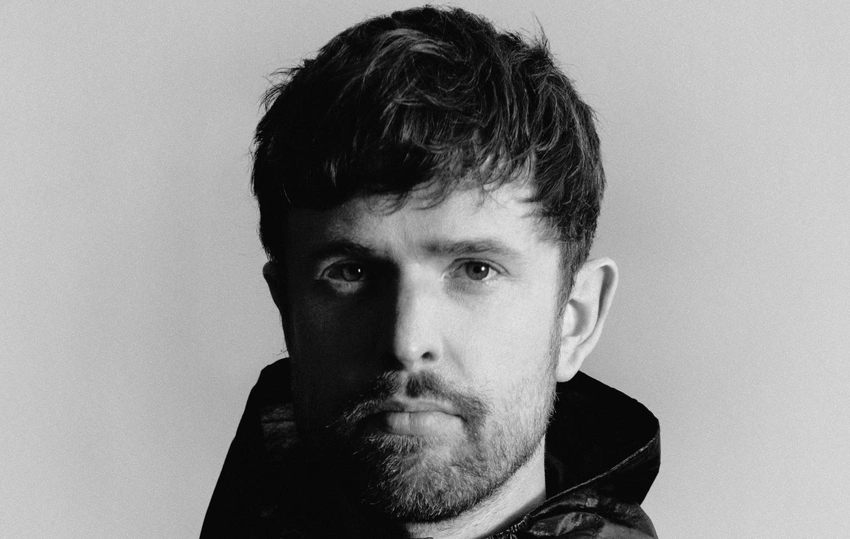
The Hidden Cost of Every Hit Song: Why Music Producers are Working for Free
When elite music producers admit that 95 percent of their work is unpaid, we have a problem. The industry’s lottery-style payment system is broken. It is time to start paying for professional studio labor.
The Silent Crisis in the Recording Studio
Imagine spending 10,000 hours mastering a complex craft, only to realize that 95 percent of your labor resulted in exactly zero dollars. This isn't a hypothetical scenario for a struggling intern; it is the daily reality for some of the most successful music producers in the world. When industry leaders admit that the vast majority of their studio output goes unpaid, we have to acknowledge that the music industry is fundamentally broken.
Why the System is Failing
The current model for music production is based on a high stakes lottery. Producers often work for free under the guise of throwing paint at a wall to see what sticks. They might spend weeks or months collaborating with an artist, but if the label decides to change direction or a song doesn't make the final cut, those hours are effectively erased. There are no hourly wages in the studio. There are no guarantees.
This creates a culture where: * Only those with existing financial safety nets can afford to stay in the game. * Professional mastery is treated as a hobby until it becomes a commercial hit. * The creative process is devalued by a numbers game mentality.
A Call for Change
It is a strange industry where time is rarely rewarded. If a contractor builds a kitchen that the homeowner later decides they don't like, the contractor still gets paid for the materials and the labor. Why should a music producer be any different? We shouldn't rely on the fact that these creators have a true obsession with making music to justify not paying them for their time.
We need to normalize session fees. Every hour spent behind the mixing desk is professional labor. While royalties are a vital part of long-term income, they cannot be the only form of compensation. If we want a diverse and healthy musical landscape, we must ensure that producers aren't just surviving, but are actually being compensated for their expertise.
The era of the unpaid genius needs to come to an end. It is time to treat music production like the high-level professional service it actually is. Fair pay isn't just about money; it is about respect for the craft.
