Legacy of Madonna: The Blueprint for Modern Female Pop Stars

Legacy of Madonna: The Blueprint for Modern Female Pop Stars
Legacy of Madonna: The Blueprint for Modern Female Pop Stars
Explore Madonna's lasting impact on music and women's empowerment, and how her reinvention continues to resonate and shape modern pop stars today.
Ever since I first witnessed a Madonna music video in a late-night MTV session as a teenager in high school, I’ve always been fascinated by how she reshapes not only herself but also entire generations of female artists. The first song I ever heard was "Hung Up" with her iconic gym room dance choreography, and it was certainly one of the various moments in the life of a queer person (aka me) when they look at a pop star and they know they are going to be enthralled by their artistry for decades to come. A Gen Alpha kid might even just call her a "mother" immediately. As a pop culture enthusiast, I do not want to merely catalogue facts but reflect on her musical legacy. To me, it feels like the echo of daring, reinvention, and autonomy that still hums through today’s pop landscape.
The Pop Star as Persona: Reinvention as a Narrative
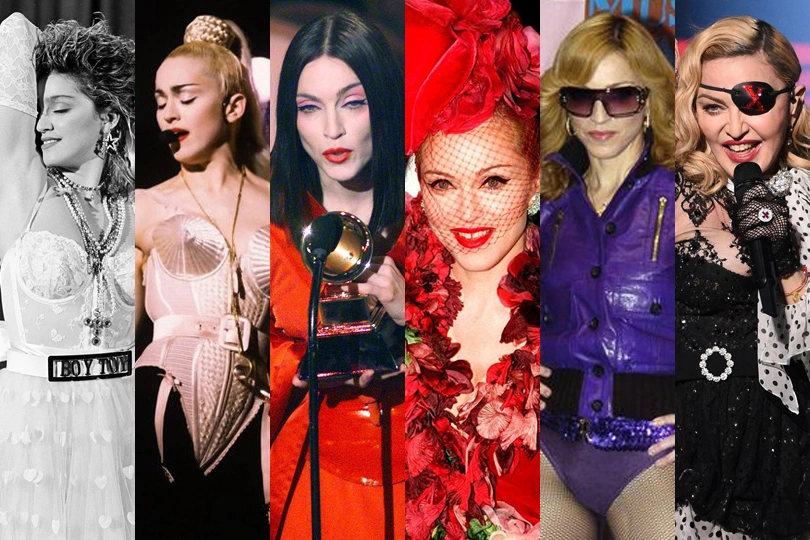
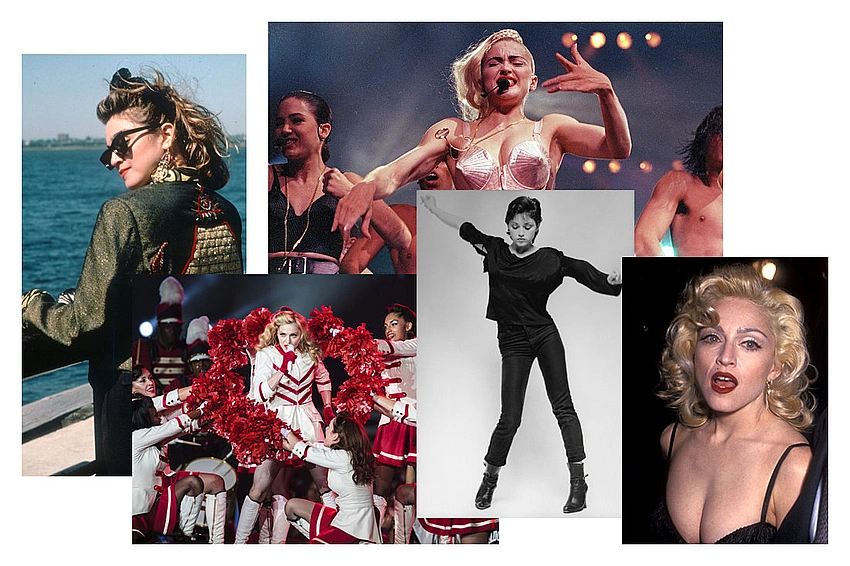
Madonna was one of the first to transform albums into eras, turning music into a theatrical, evolving narrative. She didn’t just release songs; she introduced personas. Each era came with a distinct look, sound, and message. As literary scholars frame identity as a narrative construct, Madonna’s career can be seen as a continuous unfolding of characters.
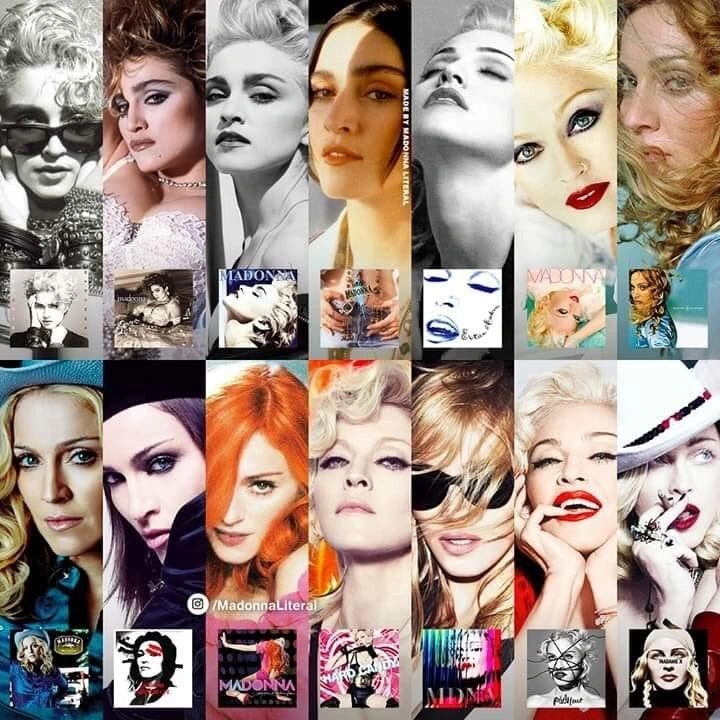
This approach became foundational: Taylor Swift’s “eras”, Lady Gaga’s shifting performance personas, and even Olivia Rodrigo’s debut (though highly inspired by Taylor Swift) “chapters” seem to follow the structure Madonna devised.
Madonna created the pop star ‘era’… It’s more than just music; it’s a new look, a fresh persona…
Redefining Boundaries
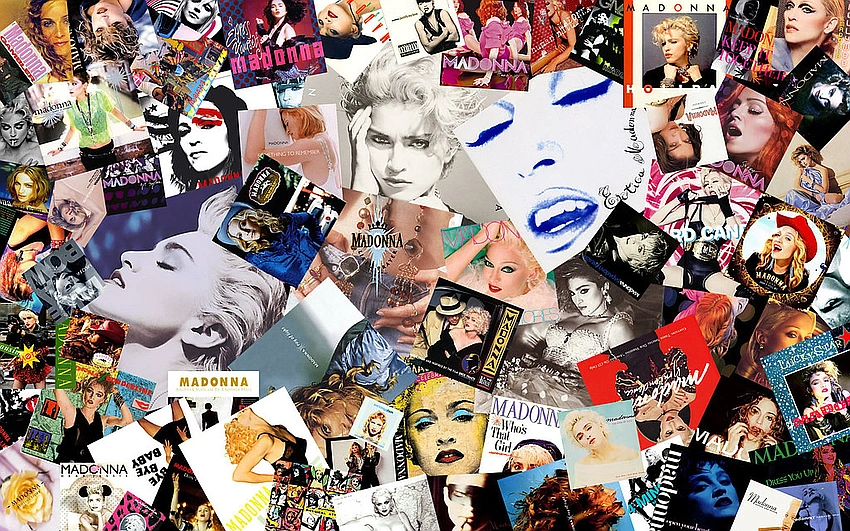
She didn't shy away from controversy either; she wielded it as part of her artistic arsenal. In Like a Prayer, she fused religious imagery with questions of race and sexuality; MTV pulled her Pepsi commercial, yet Madonna transformed it into a statement piece. Her Erotica album was hailed by the Rock and Roll Hall of Fame as “one of the most rebellious albums of all time” for its direct, unapologetic expressions of female desire.
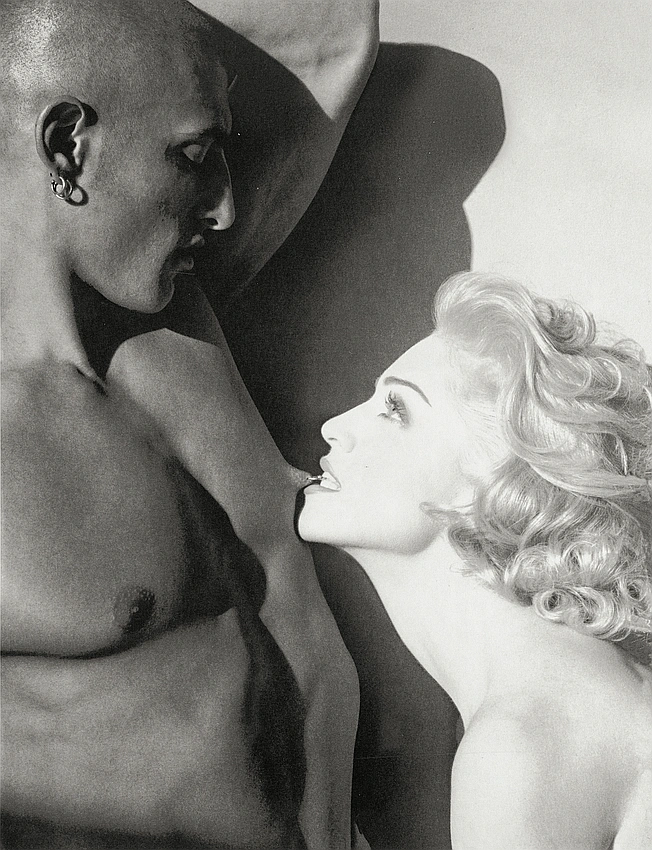
This boldness established that pop need not be innocent or polite; it could be unapologetic and urgent, setting a precedent for artists like Miley Cyrus or Rihanna to explore sexuality and identity on their terms.
Master of Visual Storytelling
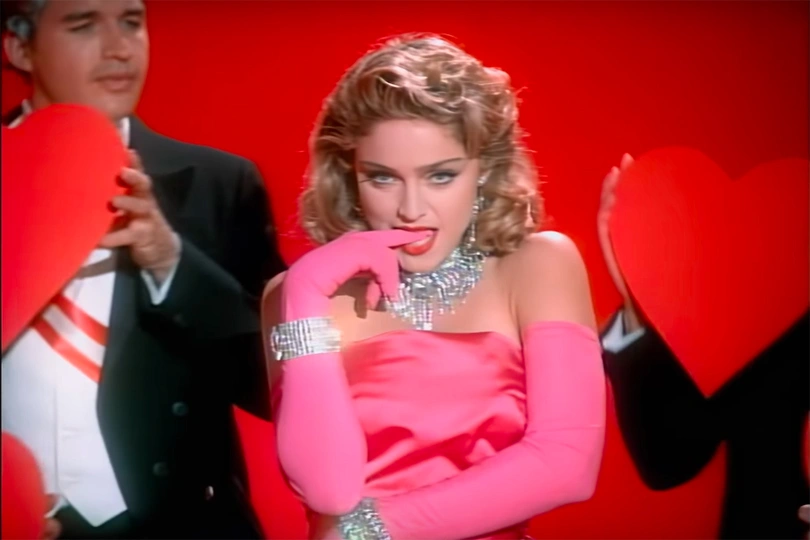
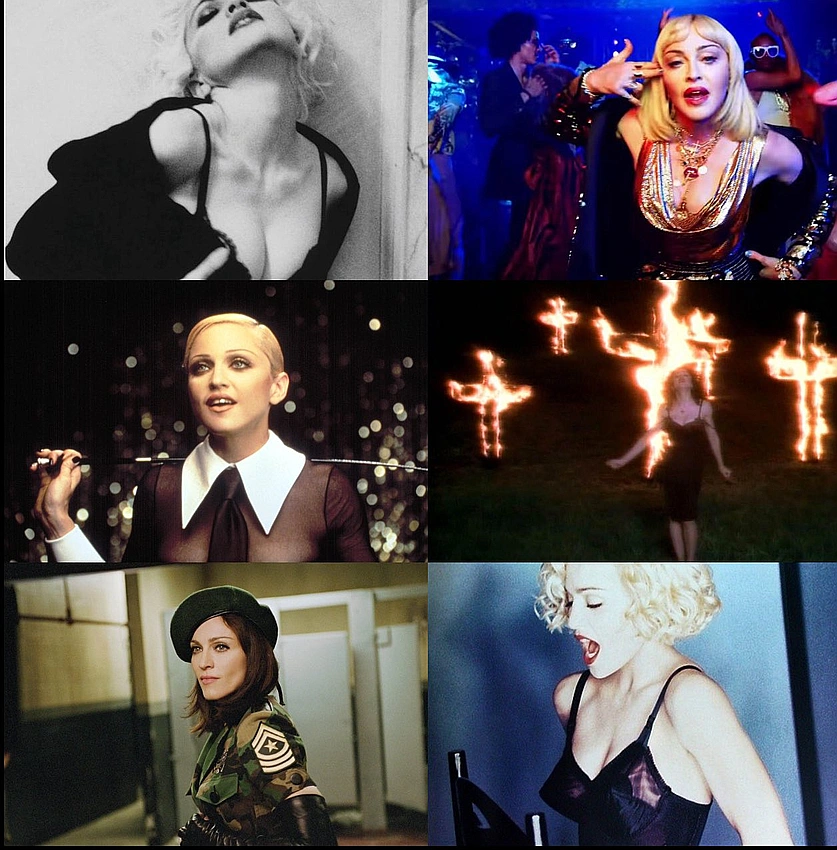
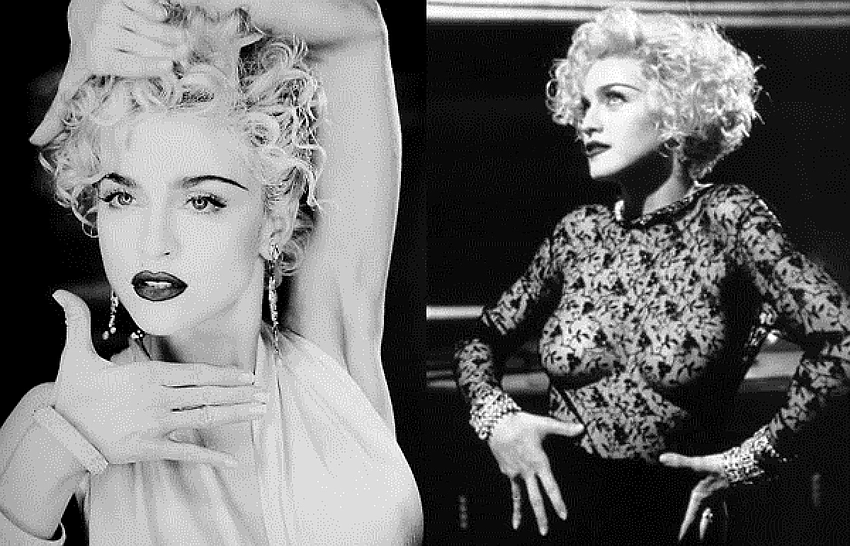
What we know as the art of music videos as of today would not be the same without Madonna, who turned every music video into cinematic art. From the bridal-chic Like a Virgin to the choreographed glamour of Vogue, each video told a rich visual story. She treated visuals as integral to the message, setting a standard that artists like Beyoncé and Lady Gaga would later expand upon. In essence, Madonna taught us that image isn’t decoration; it’s meaning.
Autonomy and Owning Her Voice
At a time when female artists were often relegated to front-facing “pretty voices” under male direction, Madonna asserted full control. With True Blue, she was co-producing tracks, staking artistic authority early in her career. She founded her independent label, Maverick, in 1992, modelling business prowess and creative ownership, something later stars like Beyoncé and Taylor Swift would echo.
Musical Chameleon
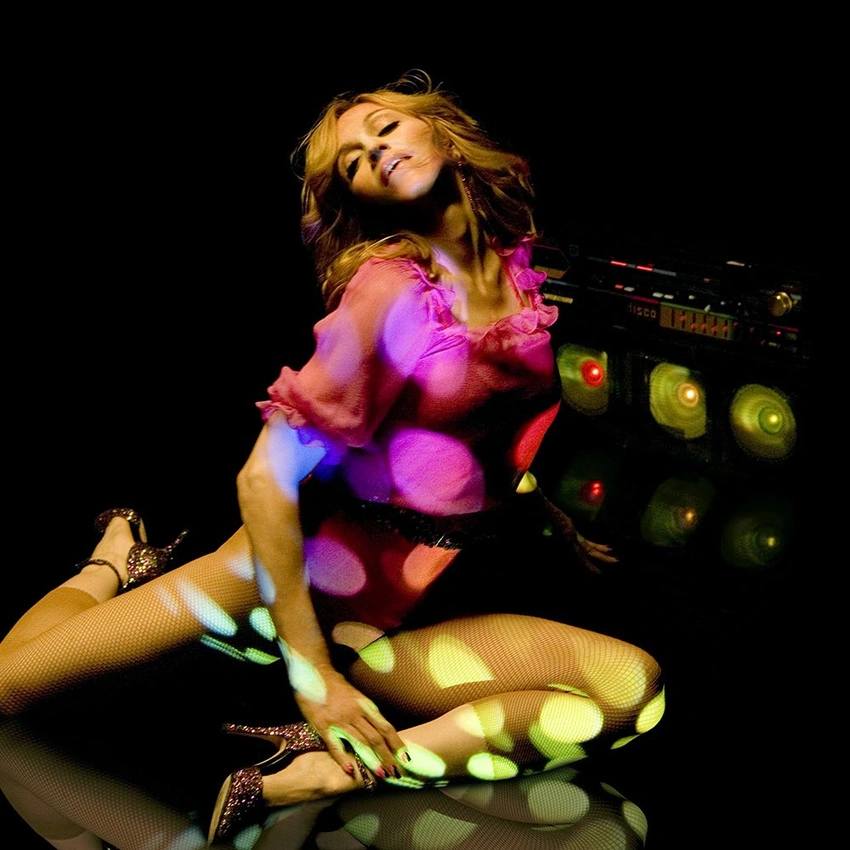
She has infamously never been tied to a single sound. She moved effortlessly from disco-pop to electronic spirituality (Ray of Light), from taboo-busting club beats (Erotica) to Euro-dance (Confessions on a Dance Floor). Her willingness to change musically taught us that evolution, not stagnation, defines longevity. Artists like Taylor Swift, Lady Gaga, and Beyoncé seem to mirror that versatility, blending styles while maintaining identity.
Activism Through Art: Gender, Queerness, and Social Voice
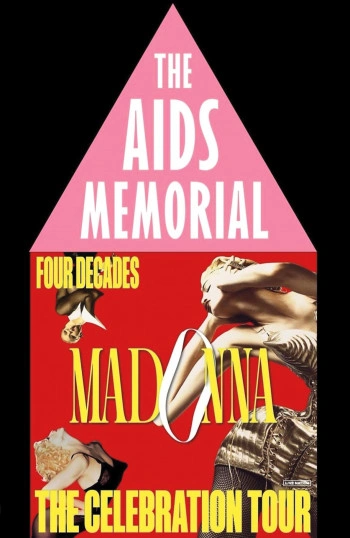
Madonna’s art wasn’t just entertainment. It was activism. She gave visibility to LGBTQ+ communities during the AIDS crisis, bringing marginalised voices to mainstream attention, and she continued to champion social equality throughout her career. Her performances and imagery normalised conversations on gender, faith, and desire, inviting pop stars after her to be both entertainers and advocates.
Cultural Longevity Across Decades
A measure of a blueprint is its enduring relevance. Madonna’s 2023 milestone, 40 years since Madonna (1983), still draws headlines, reaffirming her as “the best-selling female recording artist of all time” and a continual force in global pop culture. She remains emblematic of resilience and reinvention, defying ageist industry norms – another lesson she front-loaded into the DNA of pop performance.
Conclusion
For me, Madonna’s legacy reads like a richly annotated text of empowerment and artistry. Her career is a palimpsest where music, image, controversy, activism, and reinvention all interweave. She didn’t write pop stars; she provided the syntax and the style guide for writing oneself anew at every turn.
Modern pop’s leading women, Lady Gaga, Taylor Swift, Beyoncé, and Dua Lipa, aren’t just carrying forward hits; they’re carrying forward a methodology. Madonna taught us how to prove our worth, own our narratives, and never choose comfort over authenticity.
She’s not just the “queen of pop”; she’s the blueprint framed in verses, visuals, self-assertion, and seismic creative shifts. And for that, as a student of literature and cultural expression, I’m endlessly fascinated.
#Madonna #PopCulture #WomenInMusic #Legacy #Reinvention #PopMusic #MusicAnalysis #TaylorSwift #LadyGaga #Beyonce #Vogue #Awareness
