From Hall to Feed: How Live Music Went Digital and Changed the Vibe

From Hall to Feed: How Live Music Went Digital and Changed the Vibe
From Hall to Feed: How Live Music Went Digital and Changed the Vibe
A look at how live music moved from iconic venues to screens—Instagram Live, YouTube streams, AR backdrops—and what that shift means for artists, fans, and the future of performance.
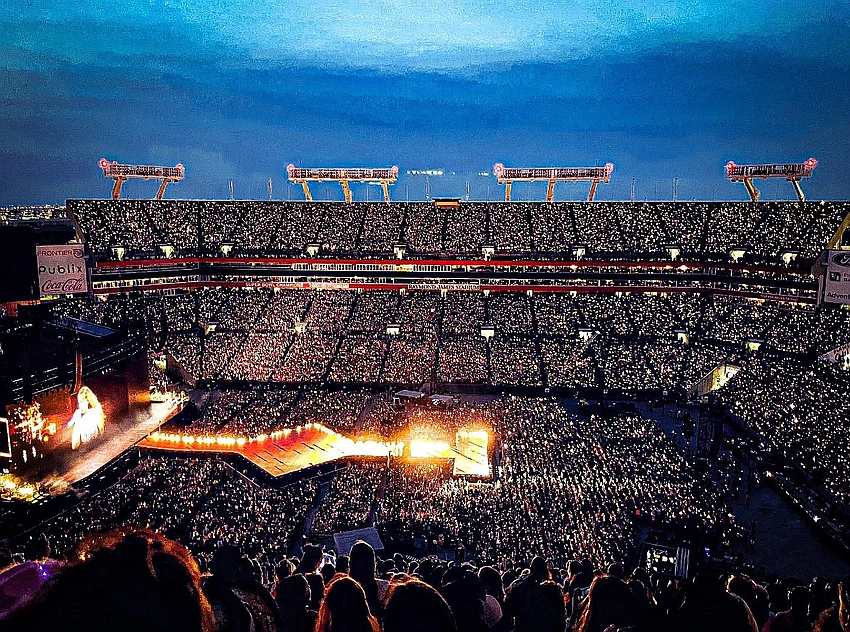
There was a time when live music felt untouchable. The concert hall had a stillness before sound began, a collective silence that made the first note feel almost sacred. The aura of performance came from presence itself, the sense that the music existed only there, in that space, in that fleeting moment.
Now, most of us encounter “live” music through our phones. A singer on Instagram Live, a band streamed on YouTube, a virtual festival broadcast from someone’s living room. The pandemic sped this up, but even before that, the culture of live performance was already slipping into new shapes.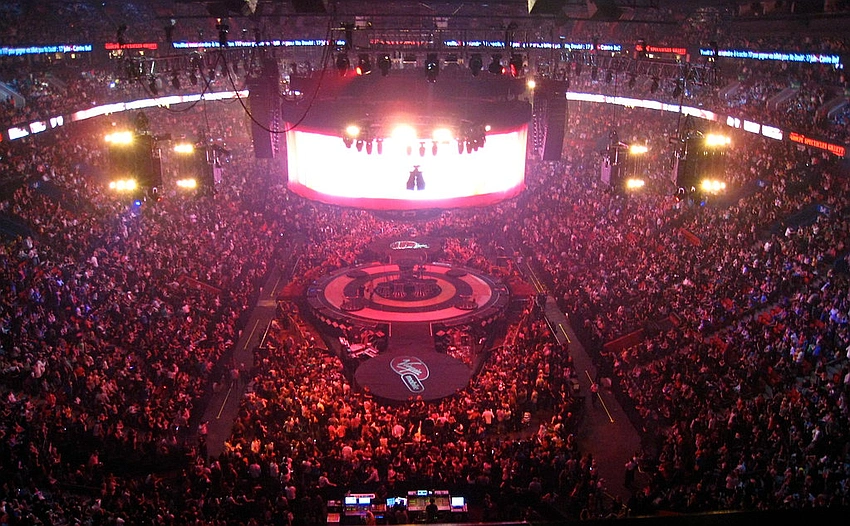
The Shift to Screens
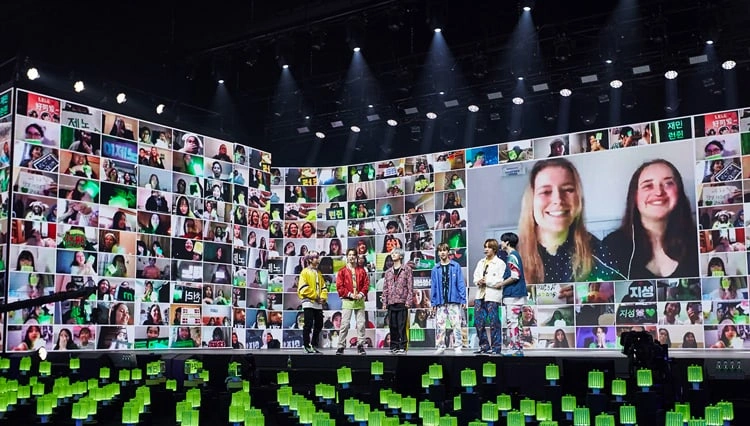
During lockdowns, entire festivals took place online, like Isol-Aid on Instagram Live. Companies such as SM Entertainment created platforms like Beyond Live, offering concerts with augmented reality backdrops and interactive chats. These weren’t stopgap measures. They were experiments in what performance could become when separated from a stage.
The effect is strange. Instead of queuing outside a venue, you log in. Instead of hearing the crowd swell around you, you watch a flood of emojis scroll by. Music becomes something between a private and a collective experience, both intimate and oddly detached.
What Gets Lost
Science even tells us that our brains respond more strongly to in-person music. A 2024 study showed that live sound stimulates the emotional centres of the brain far more than recorded versions. The shiver you feel when a note hangs in the air, or when an audience gasps together, is difficult to reproduce through a screen.
Part of it comes down to co-presence: the heat of bodies in a room, the echo of sound bouncing off walls, the chance that anything might happen. In a stream, there’s little unpredictability. The awkwardness of tuning an instrument, the stumble on a lyric, the feedback squeal, all the things that make live music human are flattened or lost.
What Survives
Yet digital concerts are not without their own kind of life. Watching an artist sing from their bedroom can feel disarmingly direct. The shaky WiFi or imperfect sound carries its own intimacy. The distance shrinks when you see them in a hoodie on their sofa, glancing at the comments in real time.
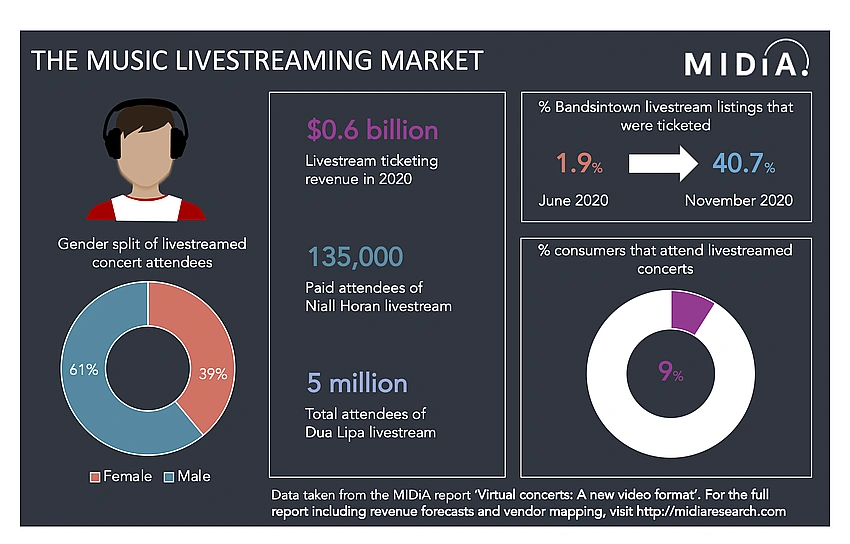
There is also the question of access. For many, concert tickets are too expensive, or venues are too far away. A streamed gig allows fans across continents to join together. Platforms like Beyond Live have sold tickets to audiences in over a hundred countries. That reach was unimaginable in the age of exclusive concert halls.
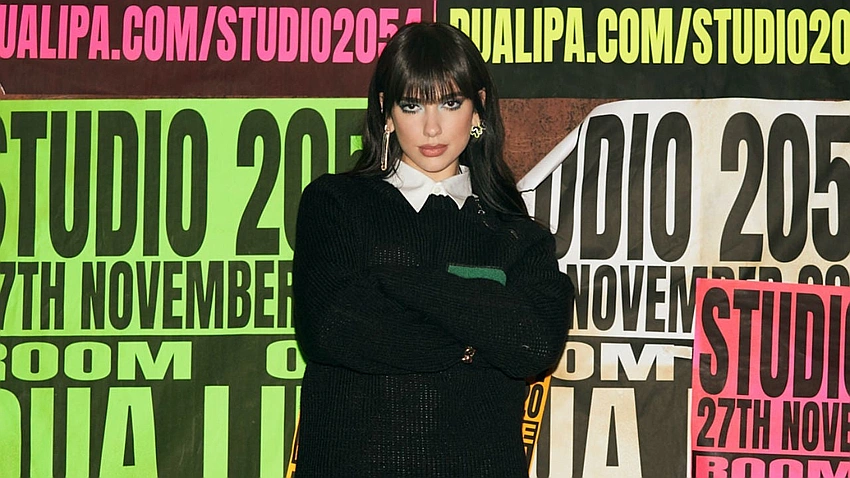
And then there are new possibilities. Virtual concerts are playing with AR, special effects, and visuals that no stage could hold. Some look gimmicky, others dazzling, but either way they suggest that live music is no longer bound to the physical limitations of a hall.
Between Nostalgia and Possibility
The sense of loss is real. A concert is more than music; it is ritual, spectacle, community. To watch through a screen is to feel something missing. Yet there is also something gained in the quiet intimacy of digital performance and the sudden collapse of borders.
Perhaps the word “live” itself has changed. For some, it still means standing in a crowd, breathing the same air as the artist. For others, it means logging on at the same moment as thousands of strangers worldwide, connected not by space but by time.
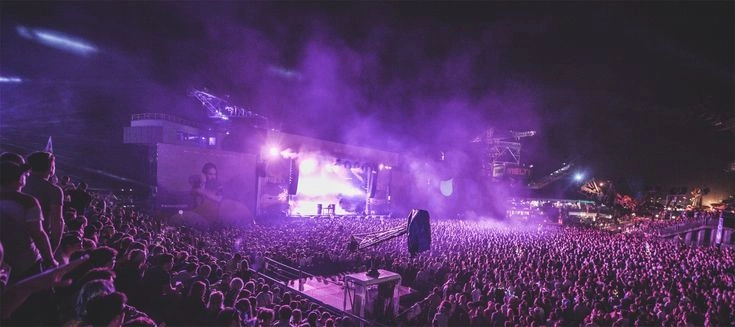
The Future of “Live”
I don’t think the aura of live music is gone forever. It has fractured. It lingers in the concert hall, even as it reshapes itself on Instagram, Twitch, or in VR. The challenge for us as listeners, critics, or just fans is to notice the differences without dismissing them.
To remember the thrill of a room vibrating with sound, but also to recognise the intimacy of a livestream where the artist reads your comment mid-song. Both are fleeting, both are real. The aura hasn’t died so much as learned to live in new places.
#LiveMusic #VirtualConcerts #MusicTech #IsolAid #BeyondLive #PopMusic #Concerts
