Sabrina Carpenter Just Said What Everyone Was Thinking About Pop Music and Queer Culture
Sabrina Carpenter Just Said What Everyone Was Thinking About Pop Music and Queer Culture
Is pop music finally paying its dues to the LGBTQ+ community? Sabrina Carpenter thinks so, but the debate is just getting started. Here is why her latest comments matter.
Giving Credit Where It Is Overdue
Pop music has always been a shimmering mirror of queer subculture. From the underground disco scene to the high-concept camp of modern music videos, the DNA of the genre is undeniably rainbow-tinted. Recently, Sabrina Carpenter ignited a conversation by stating that pop music simply would not exist without the queer community.
It is a bold claim, but looking at the history of the charts, it is hard to disagree. The question is: why are we only just starting to acknowledge it out loud?
Beyond the Aesthetic
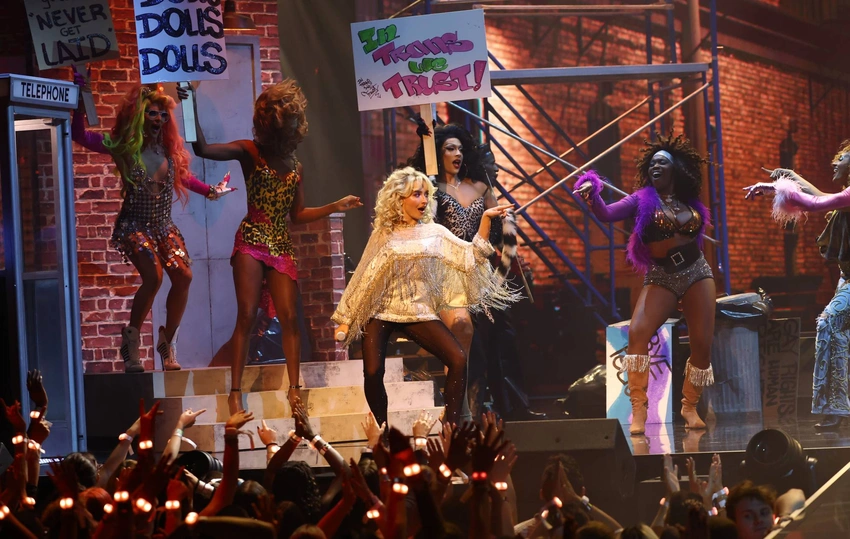
For decades, the industry has borrowed the cool factor of queer culture. We see it in the fashion choices of mainstream idols, the choreography influenced by ballroom culture, and the lyrical themes of liberation. Sabrina has been walking the walk lately. Her 2025 MTV VMA performance was not just about the hits; it was a loud, proud display of trans rights and local drag artistry. By bringing drag and trans performers onto one of the world's biggest stages with signs reading Support Local Drag, she moved past simple lip service.
A Seat at the Table
However, the conversation does not end with a single performance or a heartfelt interview with Marc Jacobs. While mainstream stars like Carpenter are using their platforms to celebrate their queer collaborators, the industry itself still has mountains to climb.
We have to ask if the celebration translates into real-world power for queer artists. Are they getting the same budgets, the same radio play, and the same executive positions? Or is the queer aesthetic just a convenient costume for the mainstream to wear when it is trendy?
The Madonna Connection
When Sabrina brought Madonna out at Coachella, it felt like a passing of the torch. Madonna, a long-time ally who faced immense backlash for her proximity to queer culture in the eighties and nineties, stood alongside a new generation that is much more vocal. Carpenter's recent apology for a cultural misunderstanding at the festival also shows a level of accountability that the industry previously lacked.
The consensus? Pop is queer by nature. Acknowledging that fact is the first step toward a future where the creators of the culture finally get the credit and the compensation they deserve.
