The Life of a Showgirl by Taylor Swift: Stardom, Sentiment, and Spectacle

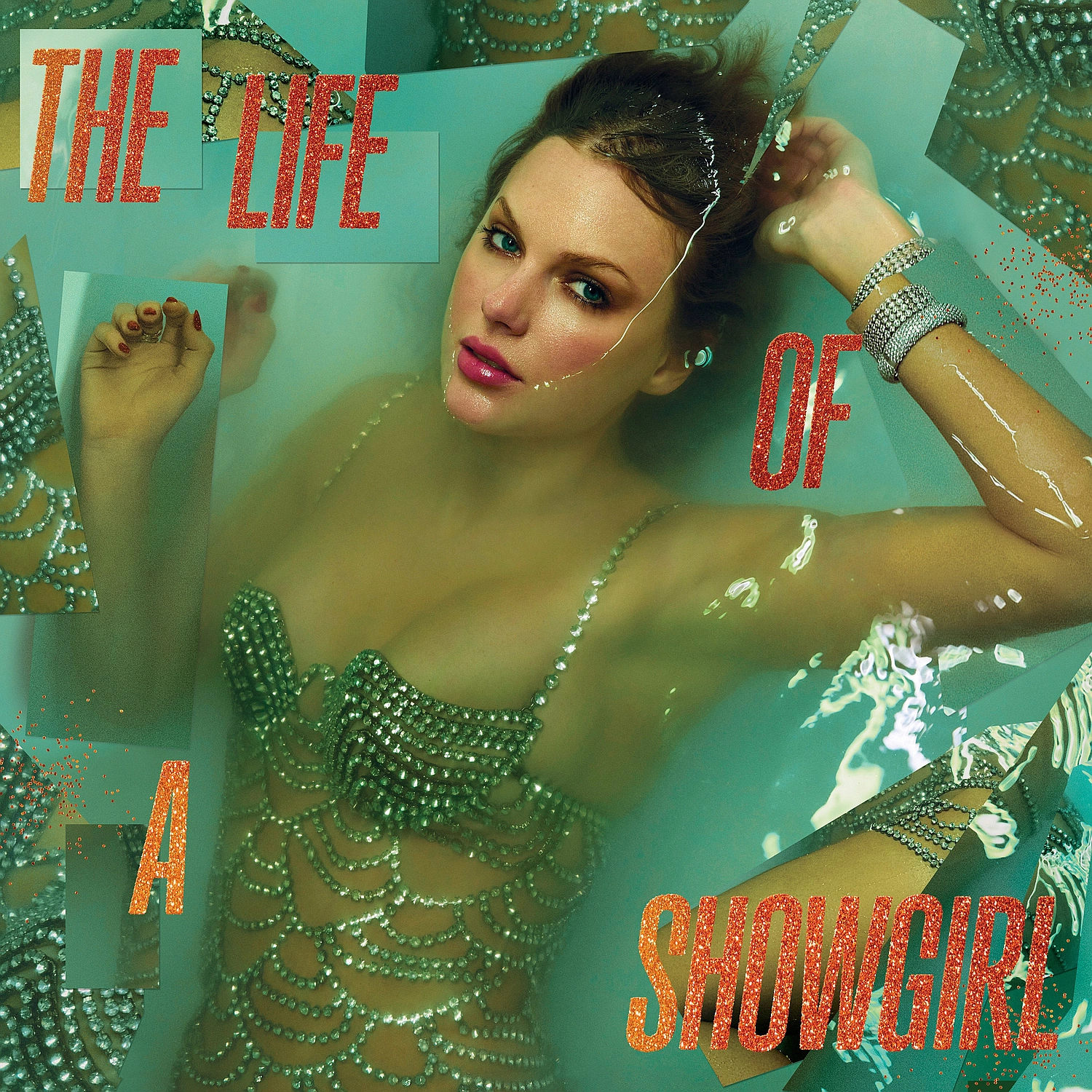
The Life of a Showgirl by Taylor Swift: Stardom, Sentiment, and Spectacle
The Life of a Showgirl by Taylor Swift: Stardom, Sentiment, and Spectacle
Taylor Swift's The Life of a Showgirl dives into what it takes to stay visible and graceful on stage, mixing glitter with backstage honesty in a diary-like exploration of performance.
When Taylor Swift announced The Life of a Showgirl in August 2025, the theatricality of the title itself already set a tone: this would not be just another “Taylor era,” but a performance, a spectacle, a persona in motion. The album arrives in the wake of The Tortured Poets Department, and the promotional strategy is anything but low-key: global release parties, midnight sales, pop-ups and cinematic events accompany the drop.
The question for me, as I sat down to listen, was: would Swift transcend the “show” to reveal the human beneath it, or would she accept the mask as destiny?
1. “The Fate of Ophelia”
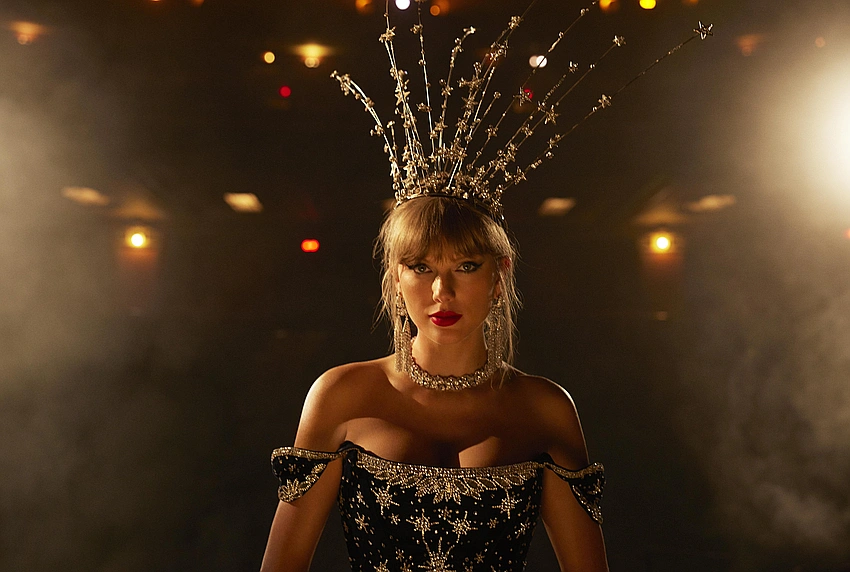
Opening with the echo of Shakespeare’s most famously drowned woman, Swift re-imagines Ophelia not as tragedy but as a figure of endurance in a world that loves its women beautiful and broken. It is her most literate and deliberate opening in a while, setting the tone for an album that merges high drama with emotional candour. The soft strings and glimmering piano instrumentation are spare at first before blooming into a maximalist chorus. It’s a song about reclaiming narrative, and Swift knows precisely how to stage it.
2. “Elizabeth Taylor”
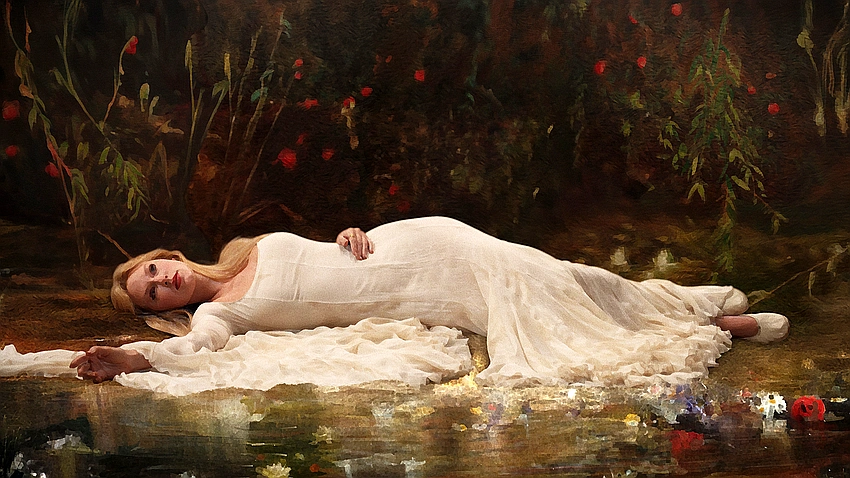
“Elizabeth Taylor” revels in glamour, excess, and reputation in a winking nod to Swift’s own relationship with fame. It’s less a love song than an ode to spectacle itself. The production is glittery, bright, with touches of 1960s cinematic opulence. The satire of stardom never slips into cynicism. It’s Swift at her most self-aware as both a star and spectator.
3. “Opalite”
Named for a man-made gemstone often mistaken for something natural, “Opalite” becomes a clever metaphor for artifice and authenticity. It is one of the album’s introspective peaks; a meditation on the blurred lines between who we are and what we perform. The track’s hazy synths and soft rock touches evoke 1989-era nostalgia, yet its lyrics speak from the vantage of an artist who has outgrown both innocence and irony. It’s a song that glows precisely because it admits to being an imitation.
4. “Father Figure”
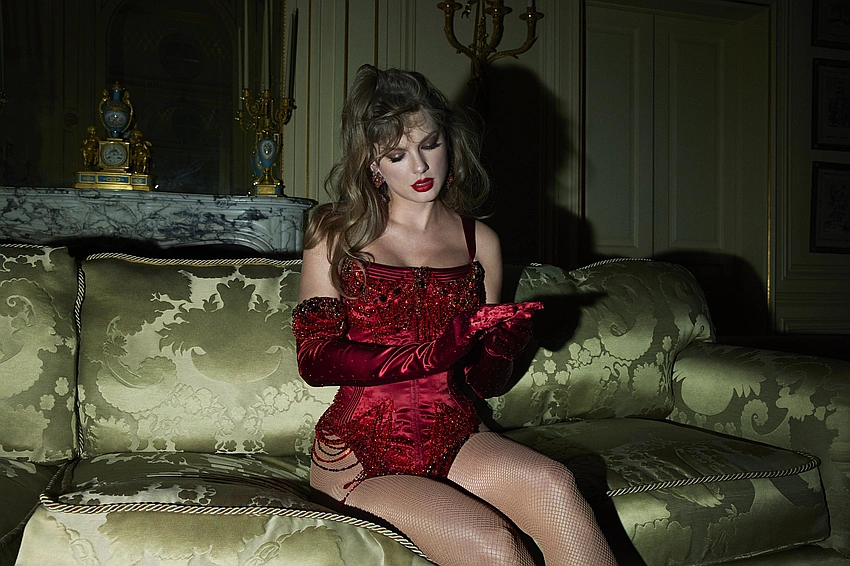
The George Michael interpolation gives this track an almost sacred weight. It’s one of the few places where the record leans towards darkness owing to the reflection on mentorship, protection, and the complicated power of authority. The echo of Michael’s chorus haunts her own voice, producing something ghostly and reverent at once.
5. “Eldest Daughter”
Swift has often explored the politics of girlhood and expectation, but here she writes from the position of burdened maturity. The title alone carries cultural weight. The eldest daughter is a caretaker, emotional archivist, and reluctant leader. While it could have been a great track, moments of weak writing hinder it from being a great song. In the context of Showgirl, it becomes the quieter counterpoint to all the glitter: a track about the labour behind the performance.
6. “Ruin the Friendship”
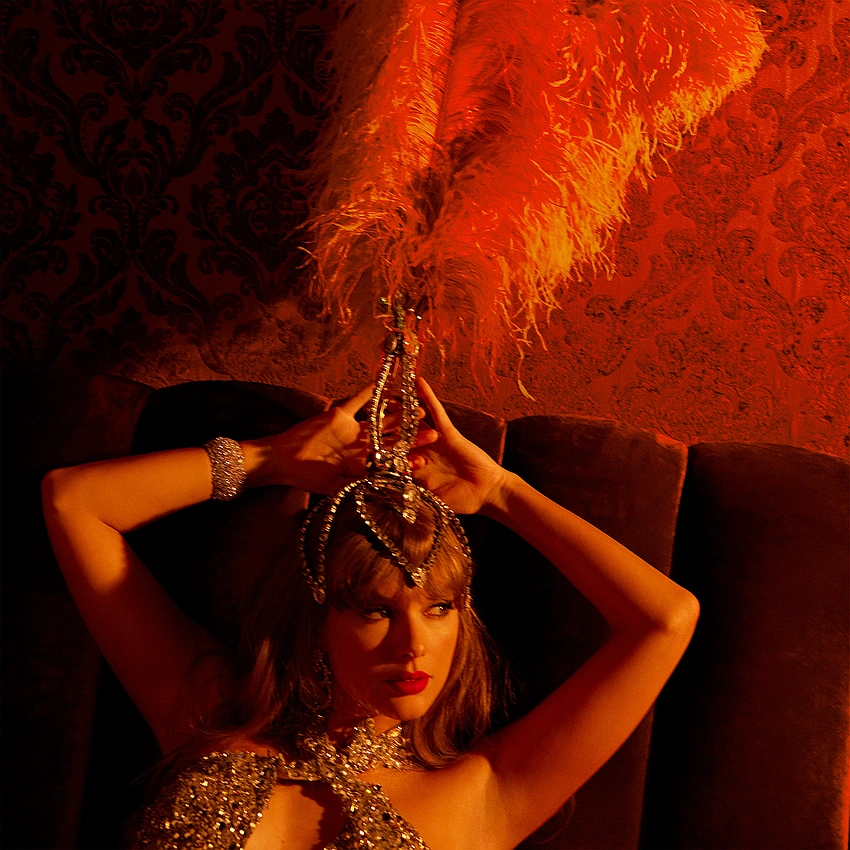
One of the record’s more direct and diaristic tracks, “Ruin the Friendship”, is sunny, rhythmic, and tragic. It is built around tension rather than release. Swift engages with interpersonal tension, boundary crossing, and emotional risk to convey to the listener the message that "you miss 100 per cent of the shots you don't take."
7. “Actually Romantic”
After comes the charged atmosphere of the “Actually Romantic”, which is playful, flirtatious, and deliberately unserious. Its brevity (under three minutes) makes it feel like an interlude between heavier emotional acts. This song is less about any particular romance than playfully mocking someone who has been obsessed with her. It’s a soft rock, effervescent piece of pop confection that doesn’t apologise for its cheekyness.
8. “Wish List”
The melody is pure Swift: shimmering, hook-laden, deceptively simple. Yet beneath the surface, there’s that persistent tension of the wish list as both desire and control. It’s pop as diary, and diary as stagecraft.
9. “Wood”
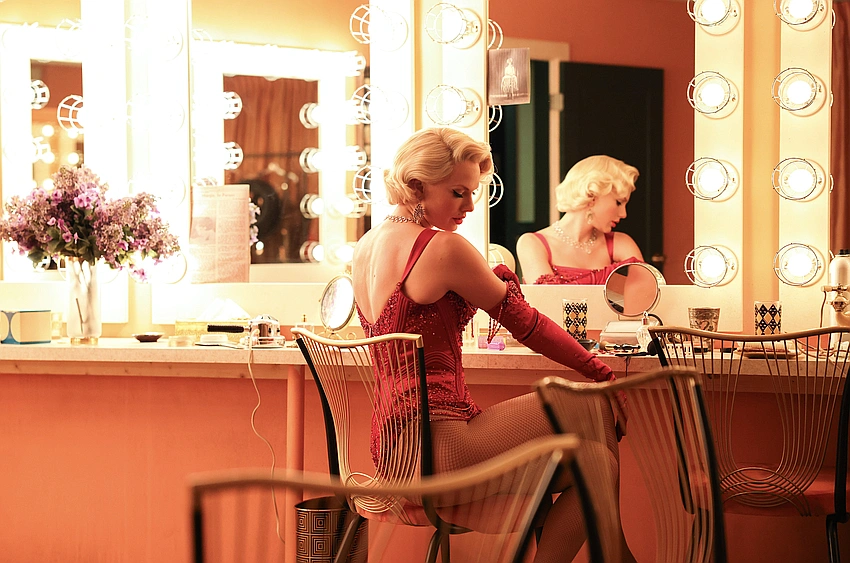
One of the more controversial titles in early fan reception, “Wood” straddles double entendre and metaphor. Wood juxtaposes superstitious imagery, such as knock on wood, with more sexual metaphorical meaning, reminiscent of Sabrina Carpenter, who is featured in the title track itself.
10. “Cancelled!”
Perhaps the album’s most overtly satirical song, “Cancelled!” has drawn critical attention for its engagement with outrage culture and online spectacle. It is the album’s “score-settling” moments. The track uses humour as armour, turning the language of digital accountability into pop theatre. Swift doesn’t moralise; she performs the absurdity of the internet as another costume change in the life of a showgirl.
11. “Honey”
“Honey” serves as the emotional comedown before the finale. It is tender, sensual, and unabashedly romantic. Its warmth recalls her country-pop roots, while its restraint keeps it from nostalgia.
12. “The Life of a Showgirl” (feat. Sabrina Carpenter)
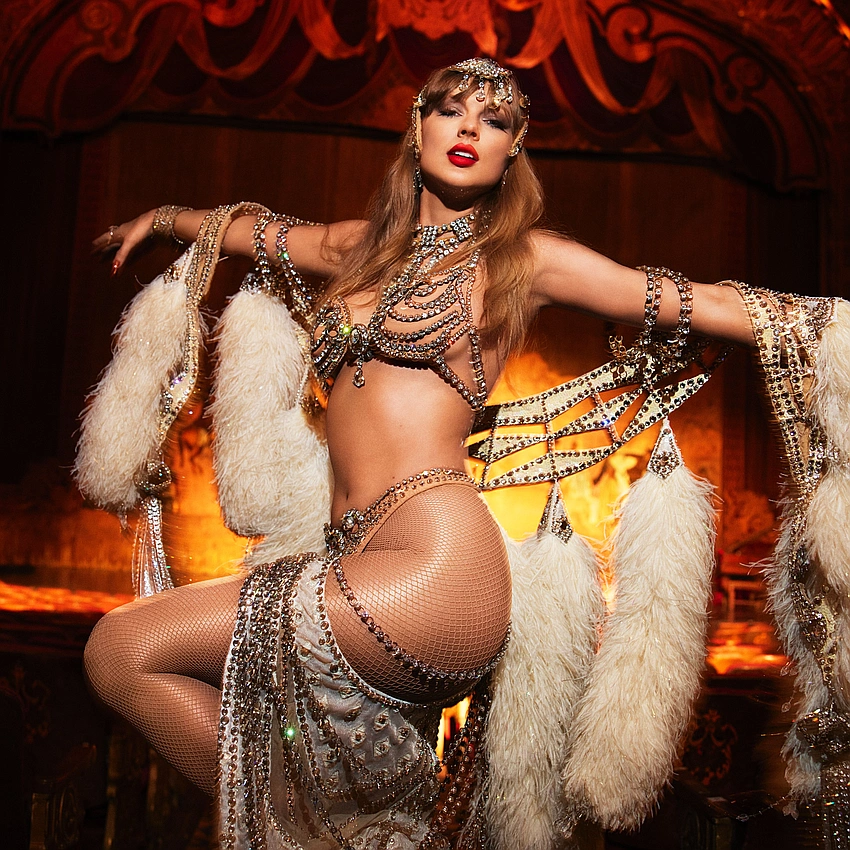
The title track is the album’s thesis statement and curtain call. Featuring Sabrina Carpenter, it turns the showgirl into both metaphor and mirror: the artist performing her identity under relentless light. It is the album’s most ambitious moment of a duet that collapses generational distance, celebrating artifice while revealing its cost. The instrumentation swells into something cinematic, as if Swift were bowing onstage after a long, glittering career.
The showgirl, finally, takes off her feathers. What remains isn’t exhaustion but understanding: the knowledge that performance is survival.
The Woman Behind the Curtain
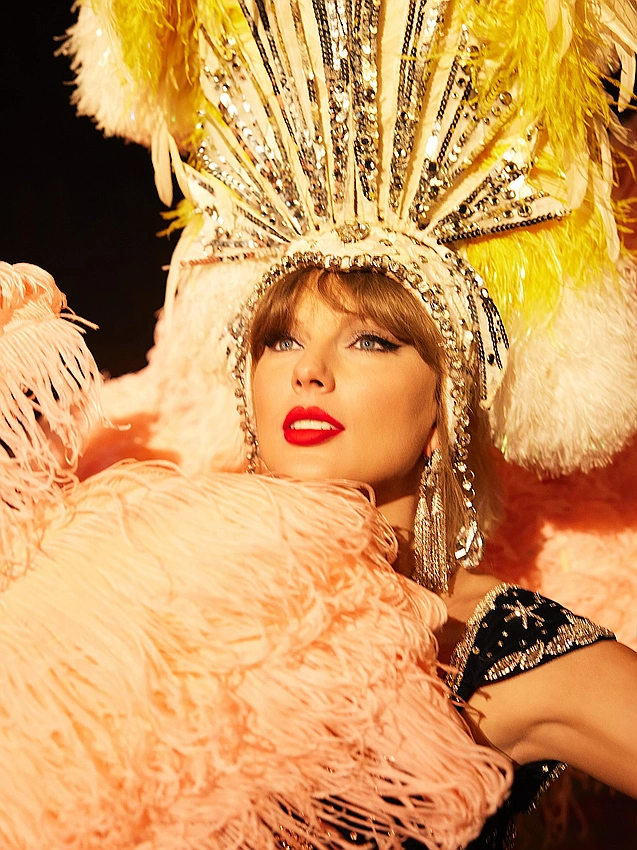
Across The Life of a Showgirl, Taylor Swift reclaims the narrative tools once used to flatten her myth, the gossip, the archetype and turns them into instruments of agency. The album isn’t just about fame or femininity; it’s about how both are performed. If Midnights was the confessional, Showgirl is the exhibition. It asks whether authenticity and artifice can ever coexist, and answers with a knowing smile: perhaps the act of asking is the performance itself.
#TaylorSwift #AlbumReview #NewMusic #TheLifeOfAShowgirl #BehindTheScenes #TLOAS #NewMusicFriday #PopMusic #PopCulture
