Jessie Ware’s Superbloom: a refined, candlelit disco for the senses


Jessie Ware’s Superbloom: a refined, candlelit disco for the senses
Jessie Ware’s Superbloom: a refined, candlelit disco for the senses
There is a particular kind of pop album that feels less like a collection of songs and more like entering a room already lit for you. Jessie Ware’s Superbloom carries that exact sensation. Everything within it is deliberate: the satin-string arrangements, the warm basslines, the immaculate disco percussion, the effortless sensuality in Ware’s voice. Listening to it feels like slipping into an atmosphere rather than simply pressing play.
What makes Superbloom interesting, however, is not only how good it sounds, but how it arrives after Ware has already perfected this aesthetic twice before. Following What’s Your Pleasure? and That! Feels Good!, this new album completes something resembling a trilogy of elegant, emotionally intelligent dance-pop. Yet unlike many pop trilogies, Superbloom does not attempt reinvention. It refines.
And that refinement becomes both the album’s greatest strength and its problem.
 The Jessie Ware Universe
Few contemporary pop artists have built such a coherent sonic identity over the past few years. The transition from Ware’s earlier, more restrained work into the opulent disco world of What’s Your Pleasure? felt transformative at the time. That album arrived with hunger. Its grooves felt almost defiant in their glamour. It understood that escapism could still contain emotional depth.
That! Feels Good! pushed further into theatricality. It was playful, flirtatious, excessive in the best possible way. There was confidence in how unapologetically pleasurable it wanted to be.
Superbloom feels calmer than both. The album still embraces disco and orchestral pop, but there is less urgency here. Instead, it moves with the confidence of someone fully aware of her own artistic language. Ware no longer sounds like she is chasing liberation. She sounds as though she has already arrived there.
That self-assurance gives the album remarkable elegance. Several tracks unfold with almost architectural precision, balancing lush instrumentation with restraint. Nothing feels overcrowded. Even the album’s biggest moments maintain composure.
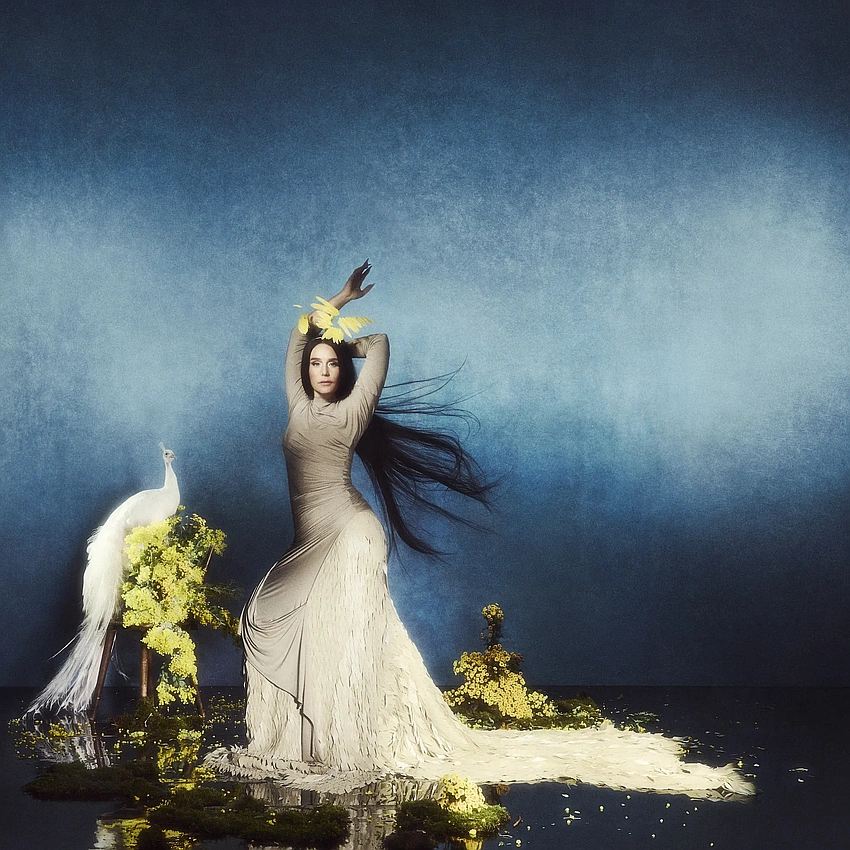 What stands out most throughout the record is Ware’s ability to make sophistication feel emotionally warm rather than distant. So much modern pop confuses intimacy with oversharing. Superbloom does the opposite. It remains sensual without becoming confessional. Desire exists in glances, textures and atmosphere rather than spectacle.
Pleasure Without Chaos
One of the most striking aspects is how mature its understanding of romance feels. Pop music often depends on emotional catastrophe. Breakdowns, betrayals and obsession remain its favourite narrative engines because chaos creates immediacy. Ware is doing something else entirely.
These songs are interested in steadiness. In comfort. In attraction that survives familiarity.
That emotional stability makes the album feel distinctly adult in a way mainstream pop rarely allows itself to be. There is no desperation in Ware’s performances. She never pushes too hard vocally because the songs themselves do not require collapse in order to feel meaningful.
At times, it almost resembles a fantasy of emotional competence. Relationships here are not sites of destruction but spaces of pleasure, trust and ritual. The music mirrors that stability through smooth transitions and meticulously layered production. Everything glides.
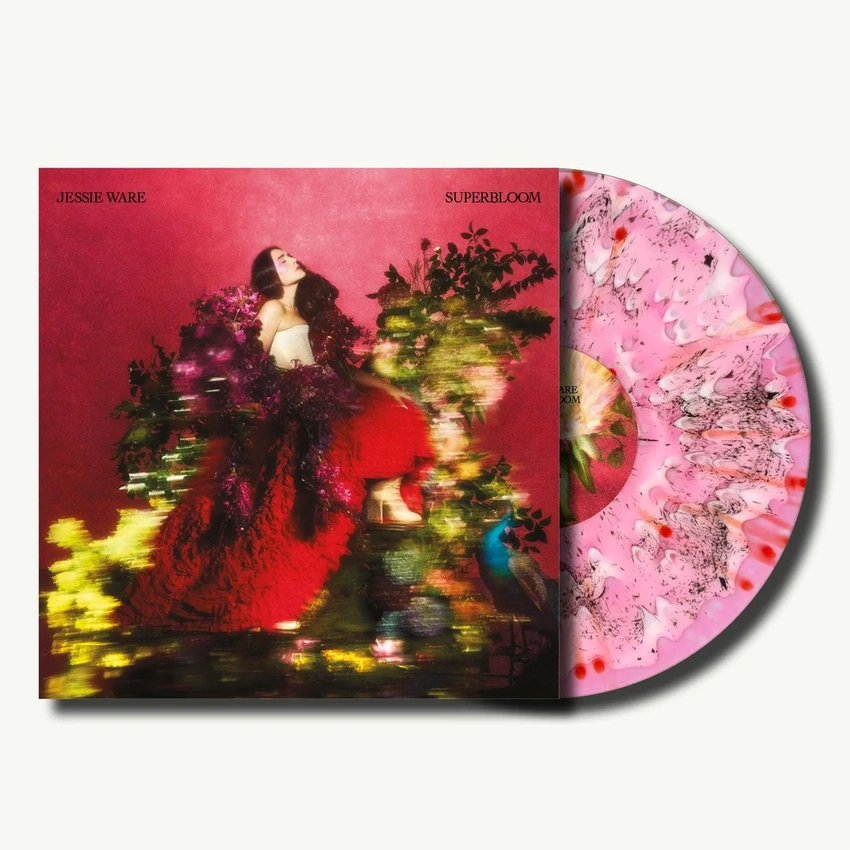 And yet there are moments where that very smoothness creates distance. Because the album is so carefully controlled, it occasionally lacks friction. Nothing truly breaks apart. Nothing feels risky enough to threaten the perfection of the atmosphere Ware has built.
Pop Music and the Burden of Consistency
Listening to Ware’s recent three-album run together reveals something larger about contemporary pop culture. Artists today are rewarded for maintaining recognisable aesthetics across constant release cycles. Reinvention has become less important than branding. Audiences now expect continuity as much as surprise.
Ware has mastered her world so completely that Superbloom occasionally feels caught inside the expectations created by its predecessors. The album never sounds lazy or uninspired. In fact, its craftsmanship is almost intimidating. But there are moments where one wishes for rupture. For something stranger. Less polished.
This is the strange burden of artistic consistency. Once an artist perfects a sound, audiences begin demanding endless variations of that perfection. The result is that albums can start feeling like increasingly refined extensions of each other rather than distinct artistic statements.
What prevents it from collapsing into repetition is Ware herself. Her voice remains the album’s emotional centre because it carries warmth without excessive dramatics. She understands restraint better than most contemporary singers. Even when the production becomes grand, she never loses intimacy.
The album also benefits from its refusal to chase trends too aggressively. Nothing here sounds engineered for virality. The pacing remains patient. Songs unfold gradually instead of frontloading hooks for short-form attention spans. That patience gives Superbloom an almost old-fashioned confidence.
 When Blooming Becomes a State of Permanence
The title Superbloom suggests abundance, flourishing and overwhelming beauty. The album delivers exactly that. It is full of richness: rich instrumentation, rich textures, rich emotional atmospheres. Jessie Ware has become extraordinarily skilled at creating music that feels luxurious without becoming cold.
But the title also unintentionally captures the strange exhaustion of modern perfection. A superbloom is stunning partly because it is temporary. If flowers bloomed endlessly, the spectacle would eventually become ordinary.
That is the delicate tension surrounding this album. Ware remains one of the most sophisticated figures in contemporary British pop, and Superbloom contains moments of genuine beauty. Yet listening to it also raises questions about how long any artist can remain inside one aesthetic world before elegance turns into self-preservation.
Still, perhaps there is something admirable about Ware’s refusal to destroy what she does well simply for the sake of reinvention. In an era obsessed with constant novelty, Superbloom instead offers refinement, sensuality and composure.
