Michael Kiwanuka’s FUDGE: Finding Freedom in the Unfinished

Michael Kiwanuka’s FUDGE: Finding Freedom in the Unfinished
Michael Kiwanuka’s FUDGE: Finding Freedom in the Unfinished
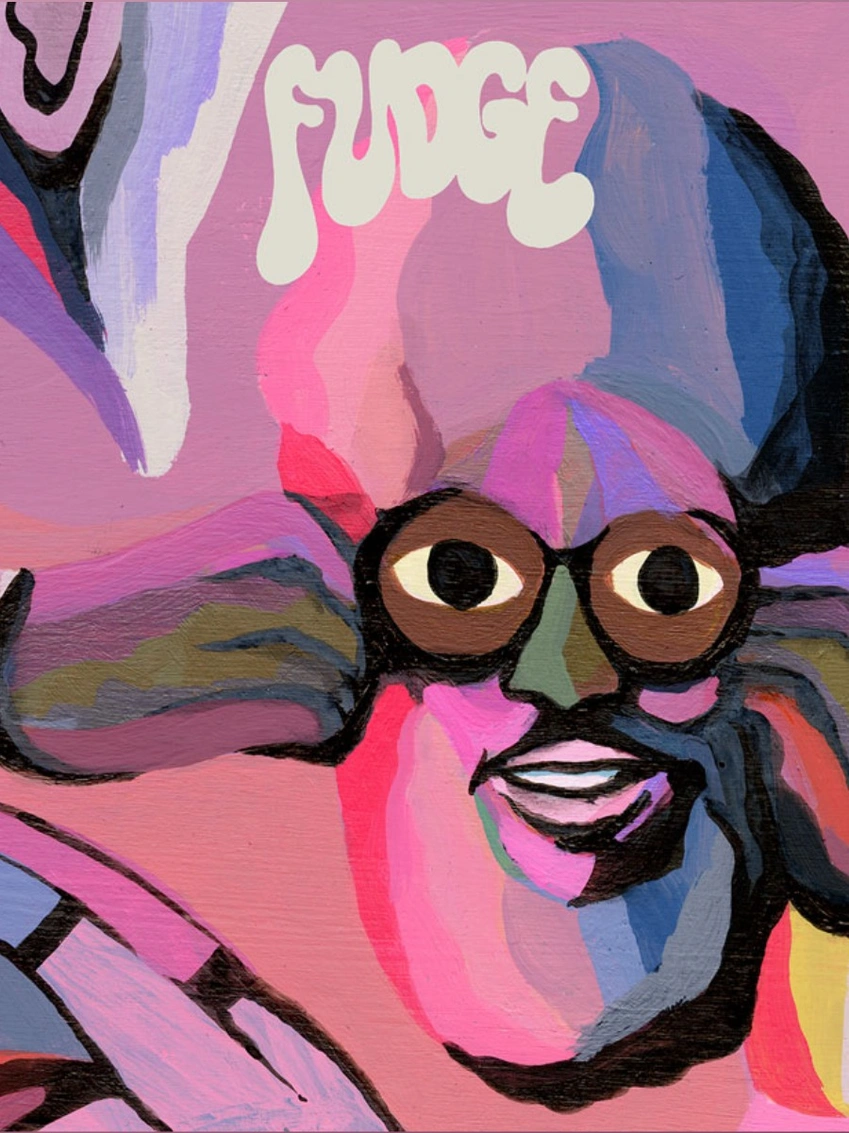
Michael Kiwanuka leads production on FUDGE, a freer, more exploratory album shaped by a belief in trusting his own creative instincts. A thoughtful listen, distinct from the illness that followed its recording.
Michael Kiwanuka's FUDGE begins with a recording of jazz pianist Chick Corea talking about the importance of trusting one's own sense of beauty. It is an unusually revealing way to open an album, particularly one that marks a change in how Kiwanuka approaches making music. After working with Danger Mouse and Inflo on his previous records, he takes the lead on production here, allowing the songs to develop with fewer expectations about what a Michael Kiwanuka album ought to sound like.
The circumstances surrounding FUDGE have inevitably changed how it is being received. Released on 23 October 2026, the album was recorded before Kiwanuka suffered a stroke in 2025, and its arrival follows a long period of rehabilitation. It is important, though, to distinguish the record from the events that followed its completion. FUDGE was conceived as an experiment in creative freedom, not as a response to illness. Listening to it with that distinction in mind reveals an artist exploring a looser, more instinctive relationship with his own music.
The pleasure of making things differently
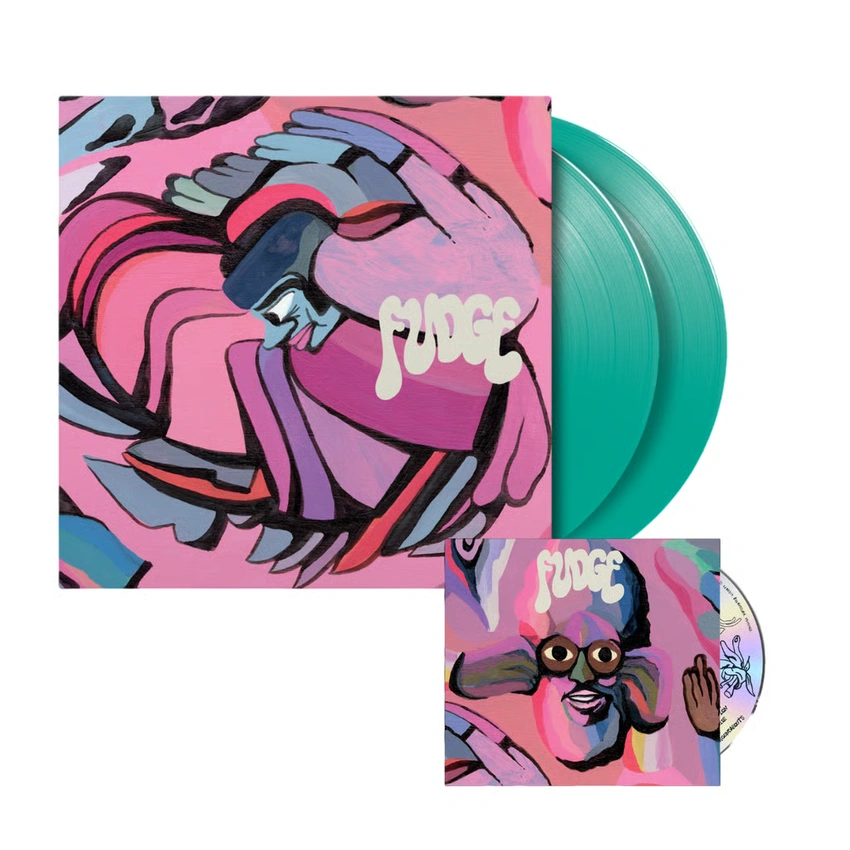
Much of the album was recorded in a small studio near Kiwanuka's home in Southampton, working closely with multi-instrumentalist Joe Connell. The change in surroundings matters. There is a looseness to the arrangements that distinguishes FUDGE from the carefully composed sound of Small Changes. The recordings retain their imperfections, with audible texture and space between instruments. Rather than polishing every moment into submission, Kiwanuka allows the music to unfold at its own pace.
‘Summer Clothes’ establishes this atmosphere through its restrained arrangement, warm guitar and understated vocal delivery. ‘California’ follows with a more expansive melody, its yearning quality carried by Kiwanuka's ability to make even the simplest lines feel deeply personal. The strings, arranged by his longtime collaborator Rosie Danvers, bring a cinematic quality to the record without overwhelming its intimacy.
The album sounds homespun, but its arrangements can be enormous. ‘Just Another Moment’ gradually expands into an extravagant instrumental passage, while ‘Love In My Heart’ moves between fuzzy guitar, orchestral textures and extended stretches of psychedelia.
A different kind of soul
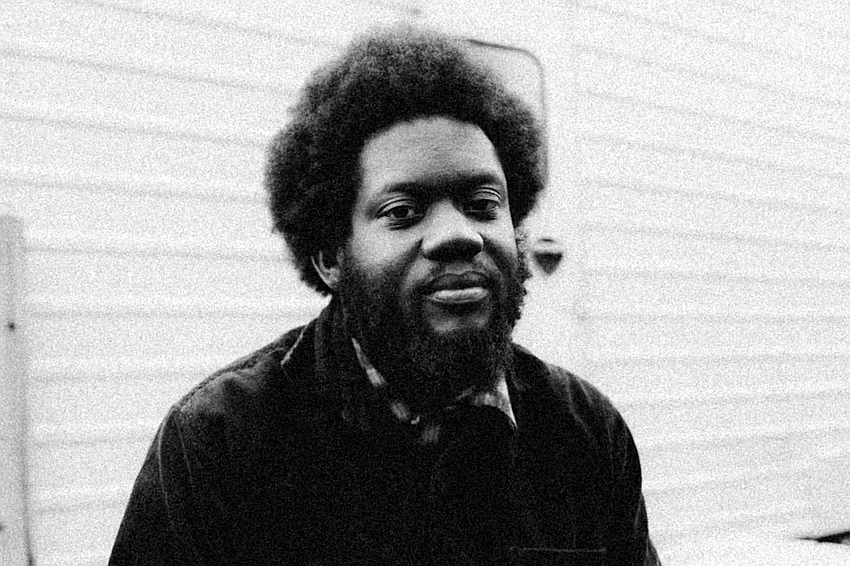
Kiwanuka's relationship with soul music has always involved looking backwards without becoming trapped by nostalgia. His music draws on the warmth of 1960s and 1970s soul, gospel and folk, but his songwriting is often concerned with contemporary anxieties: loneliness, belonging, romantic uncertainty and the difficulty of understanding oneself.
On FUDGE, these concerns remain, although the arrangements give them a slightly different emotional register. ‘Drowning In Your Heart’ is especially affecting in its simplicity. Built around voice and electric guitar, it gradually develops into a more dramatic composition, with a violin passage that disrupts the song's otherwise intimate atmosphere. Its lyrics address a friend caught in a cycle of self-sabotage, making the song feel less like an observation from a distance and more like an attempt to reach someone who is struggling.
‘Stars’ approaches a related anxiety through the uncertainty of artistic purpose. There is a tension between its more forceful opening and the introspection that follows, as though the music itself is negotiating the question of whether making art can still offer the satisfaction it once did. ‘Across The Sky’ and ‘Sing’ continue this exploration, with the latter's spacious arrangement placing considerable emphasis on Kiwanuka's voice.
Listening in retrospect
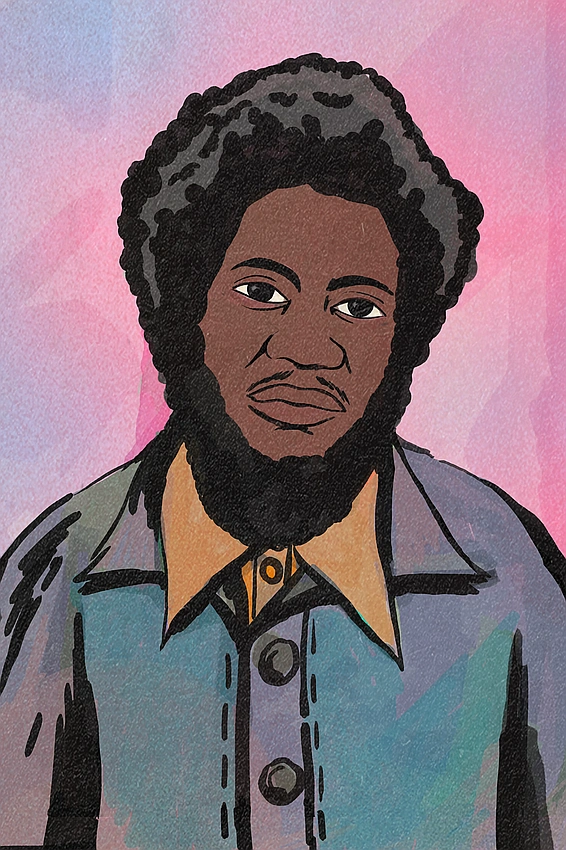
It is difficult to discuss FUDGE without acknowledging what happened after it was recorded. Kiwanuka's stroke affected his speech and breathing, and his recovery has involved extensive rehabilitation. The album's lyrics about uncertainty, creative purpose and the desire to keep going consequently carry an emotional weight that was not necessarily intended when they were written.
I find this especially evident in ‘Sing’. Its emphasis on the act of making music takes on a different meaning when heard against the circumstances of Kiwanuka's recovery. Similarly, ‘You Sent Me Flying’, a tender song of romantic devotion, becomes an unexpectedly moving expression of the relationships that sustain us through difficult periods. There is a temptation to interpret every lyric as a prediction of what was to come, but that would be unfair to the album. These songs belong to the period in which they were made, and their emotional significance does not depend on being treated as premonitions.

The beauty of trusting your instincts
What I appreciate most about FUDGE is its willingness to leave things unresolved. Its longer arrangements, rougher production and occasional psychedelic detours give it a sense of freedom that is different from the controlled elegance of Small Changes. It is not necessarily a departure from Kiwanuka's established sound, but it does reveal what happens when he gives himself permission to approach that sound differently.
The album's title, with its playful and almost childlike associations, makes sense in this context. There is a pleasure in making something without constantly worrying about how it will be received. FUDGE captures that feeling through music that is generous, unhurried and deeply melodic.
The knowledge of Kiwanuka's ongoing recovery inevitably makes listening a more emotional experience. But I would rather remember this record for the music it contains than reduce it to the circumstances of its release. It is a beautiful collection of songs by an artist who, even when questioning his direction, seems to understand exactly what he wants to make.

Login to comment.