Fontaines D.C.’s Dopamine Chamber: The World Is Falling Apart, and the Music Sounds Wonderful

Fontaines D.C.’s Dopamine Chamber: The World Is Falling Apart, and the Music Sounds Wonderful
Fontaines D.C.’s Dopamine Chamber: The World Is Falling Apart, and the Music Sounds Wonderful
Fontaines D.C.’s fifth album pairs huge synths and inviting melodies with lyrics about distraction, pleasure and a world where reality feels harder to separate from performance.
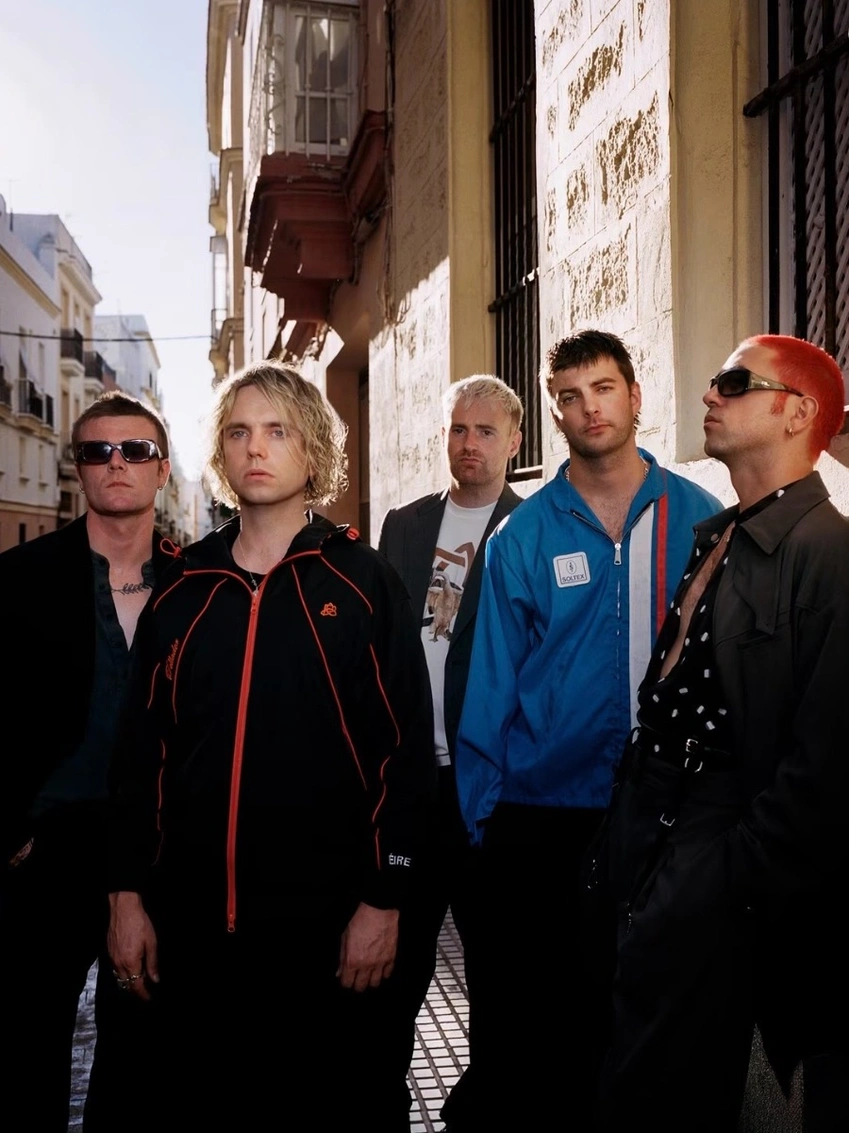
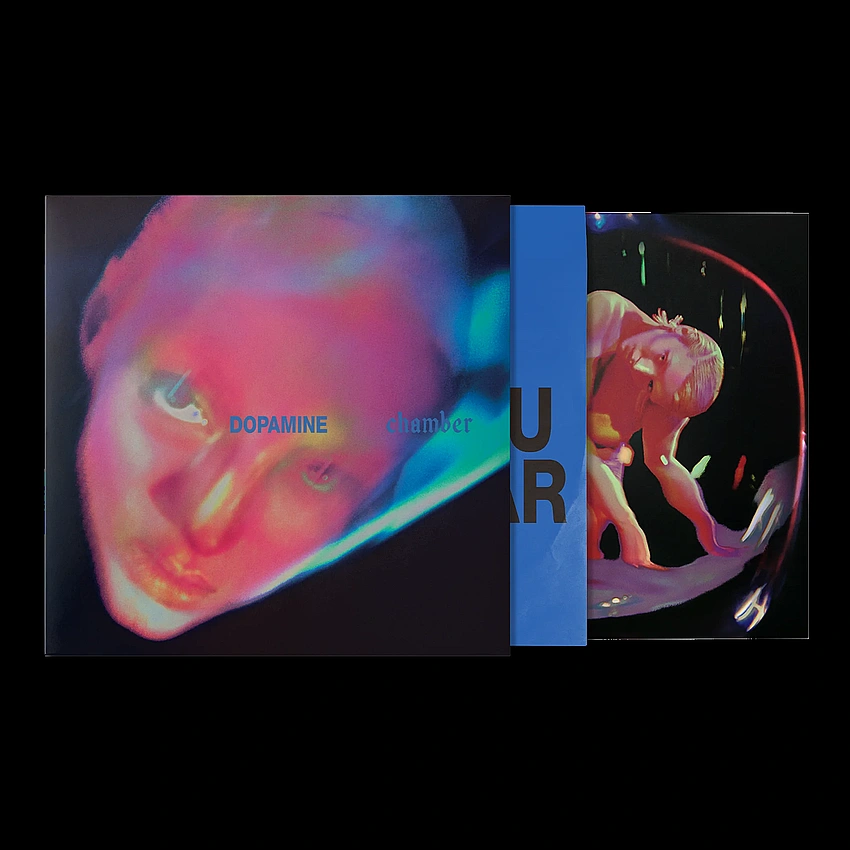
Fontaines D.C.’s fifth album, Dopamine Chamber, released on 16 October 2026, pairs the rush of music you want to dance to with the nagging feeling that everything around you is going to shit. Its synths are enormous, its melodies strangely inviting, and its lyrics return to a world in which reality feels increasingly difficult to distinguish from performance.
Following Romance (2024), which saw the Dublin band move towards a more expansive, electronic sound, this record pushes that transformation further. The guitars have not disappeared, but they share space with spiralling strings, industrial percussion and synthesised textures that sometimes make the music feel almost futuristic. Beneath the grandeur, however, is a rather bleak question: what happens when the things that make us feel alive are also the things keeping us distracted?
The album's title suggests a brain perpetually searching for its next hit of pleasure. It is an apt metaphor for a culture in which attention is constantly being solicited, whether through social media, entertainment or the promise of becoming someone else entirely. What makes Dopamine Chamber interesting is that it does not simply condemn this condition. It makes it sound seductive.
The spectacle of being alive
The opening tracks, Six Shot Morning and Marianne, establish an atmosphere of paranoia beneath the album's polished surface. The music is cinematic and occasionally overwhelming, as though the band are building a world in which everything is happening at once. On Marianne, the promise of escape becomes difficult to separate from the threat of disappearing altogether.
This tension is central to the album's treatment of contemporary life. We are encouraged to construct versions of ourselves that can be displayed, consumed and admired, until the performance becomes difficult to distinguish from the person performing it. The result is not necessarily a loss of identity so much as a growing uncertainty about which version of ourselves we are supposed to believe.
The album is particularly effective when it allows this anxiety to emerge through its sound rather than spelling everything out. Mimesis, with its insistent bassline and uneasy atmosphere, is a case in point. Its title invokes imitation, raising questions about what happens when our desires and identities are shaped by the things we see around us.
The album is concerned with the erosion of reality and the ways in which people willingly surrender parts of themselves in exchange for the promise of something better. It is a familiar anxiety, but Fontaines D.C. make it feel less like a lecture about technology and more like a condition we have already learnt to live with.

Bigger, louder, and not necessarily happier
One of the most interesting things about Dopamine Chamber is how much pleasure it takes in the very excesses it questions. Happy for You builds towards a euphoric release, while Demolition brings a grungier, more abrasive energy to the album. One Man is more expansive still, with strings that give it the scale of a tragic film score.
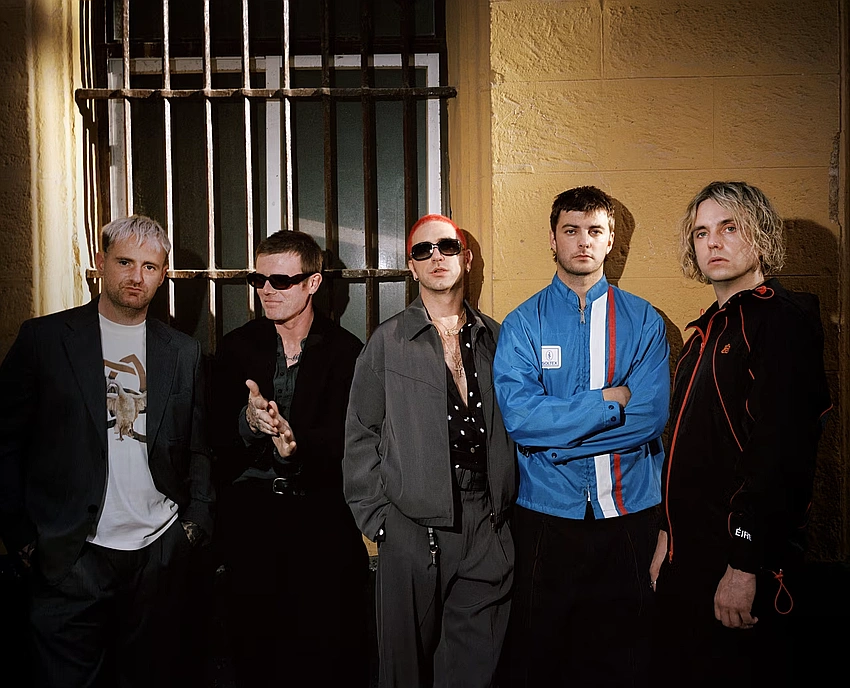
These songs demonstrate how far Fontaines D.C. have travelled from the wiry post-punk of their debut, Dogrel. The band's growing commercial success has brought an obvious change in scale, but the interesting question is whether that scale has come at the expense of their earlier intimacy.
I am not entirely convinced that it has. The album occasionally reaches for grandeur when a smaller gesture might have been more effective, and some of its references to earlier alternative rock feel conspicuous. Yet its ambition is difficult to dismiss.
Where did the intimacy go?
The album's most affecting moment may be Where Is Gone?, a duet with Rosalía that moves between tenderness and unease. Their voices create a sense of intimacy, but it is never entirely reassuring. Love, like so many other things on this record, seems vulnerable to becoming another experience we consume in the hope of feeling something.
The closing track, Intimate, returns to this concern from a different angle, questioning the cost of trying to escape human limitations altogether. After an album preoccupied with artificial pleasures and the performance of identity, the prospect of accepting our own vulnerability feels almost radical.
A very modern kind of unease
Dopamine Chamber is not an easy record to settle into, and its grandeur occasionally threatens to become its own distraction. But its contradictions are also what give it life. Fontaines D.C., makes music that is both exhilarating and deeply suspicious of the world that produces that exhilaration.
Perhaps that is the album's uncomfortable insight. We do not always need to be convinced that the world is in trouble. Sometimes we need to understand why, despite knowing this, we keep reaching for the next distraction.
On Dopamine Chamber, the music is the temptation, the warning and, occasionally, the escape. The difficult part is knowing which one we are listening to.
#FontainesDC #DopamineChamber #AlternativeRock #AlbumReview #NewMusic

Login to comment.