Pretty in Pixels: How Face Filters Are Reshaping Self-Perception
Pretty in Pixels: How Face Filters Are Reshaping Self-Perception
Pretty in Pixels: How Face Filters Are Reshaping Self-Perception
There was a time long ago when mirrors were enough. It's like you’d just wake up, brush your hair, and the person looking back at you was just you all raw, real, and a little uneven.
But today, even the mirror has competition. It’s sitting inside your phone, waiting with a swipe: the perfect version of you. A softened jawline, brighter skin, fuller lips, just the kind of you that exists only through pixels.
We’ve now entered the age where even pretty is programmable.
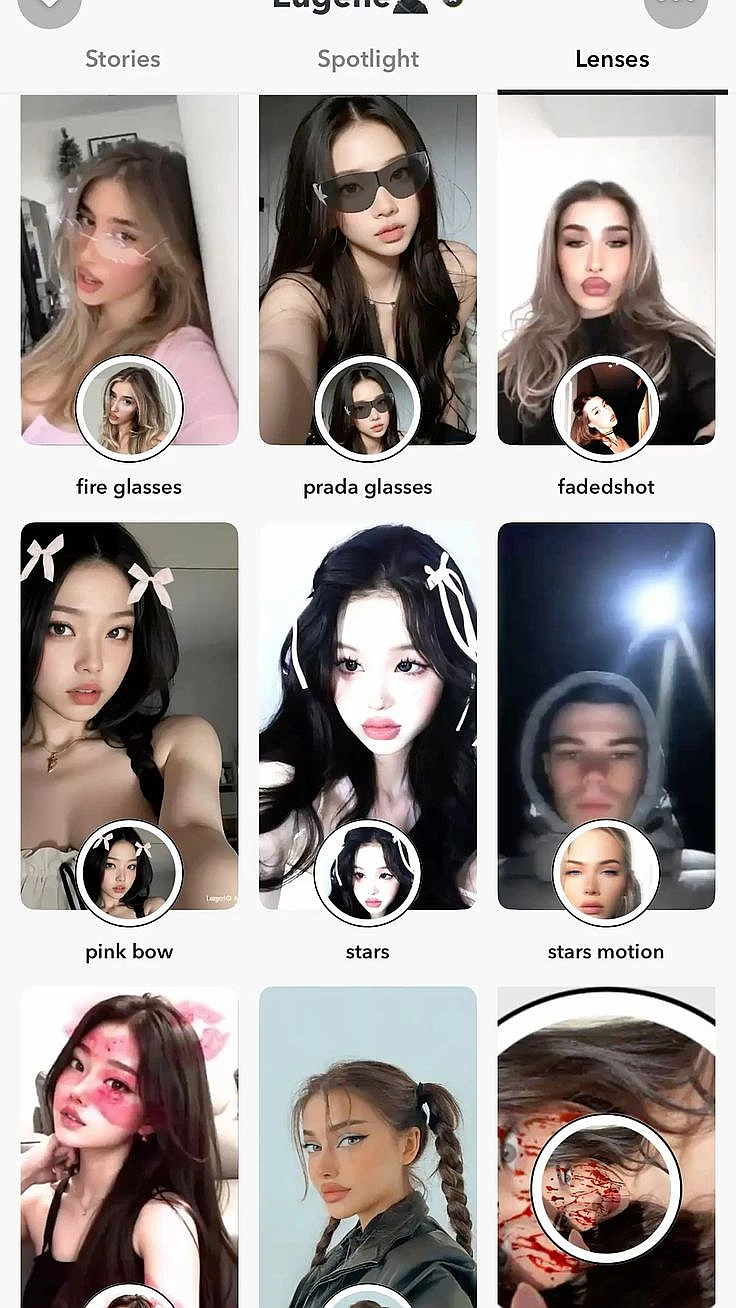
It all started really innocently: dog ears, flower crowns, rainbow vomit. Back then, filters were just fun. But somewhere along the way, they evolved from playful distortions to perfected illusions, and it's ruining everything now.
Think about it: when your reflection on Instagram looks better than your reflection in the mirror, which one do you start trusting more?
We’ve built a generation that edits their face before they even know it’s beautiful.
A friend of mine once told me that she couldn’t take photos without the “Paris” filter on Snapchat and Instagram because the normal camera made her feel “sick” to her stomach. Another admitted that she FaceTunes her pictures “just enough” so it’s not obvious, but just enough to feel okay posting.
There’s this silent, shared ritual among us now, zoom in, adjust, smooth, brighten, sharpen. You tell yourself that it's just a small fix, but every small fix adds up, pixel by pixel, until the version of you online feels much more real than the one breathing right in front of the mirror.
And when someone compliments that version with “You look gorgeous!”, there’s a sting behind the smile which you hold back because you know in the back of your mind that it’s not fully you.
And it’s strange how something meant to enhance can so easily erase.
But behind every curated Instagram post is a hidden anxiety: what if people saw the unfiltered version of this picture? Of me?
Face filters are quietly creating this kind of homogenized beauty standard, that same tiny nose, lifted eyes, plump lips, glowing tan. The “Instagram Face,” as The New Yorker once called it.
And the more we see it, the more we want to look like it.
It’s not a coincidence that the rise of filters mirrors the rise in cosmetic procedures.
We’re not trying to look like celebrities anymore.
We’re trying to look like ourselves — just the digital version.
For women and young girls especially, the burden of appearing beautiful online isn’t just aesthetic, it’s a ton lot of emotional labor.
There’s this unspoken rule: if you’re posting online, you should at least try. Not too perfect, not too sloppy: just the right amount of effortlessness. The kind of beauty that looks natural but takes 17 takes at the same time, a ring light, and a preset.
But there’s a growing movement fighting back.
The #FilterFree and #NoFilterSelfie trends on TikTok and Instagram are reclaiming the raw and real. Creators are openly posting about both filtered and unfiltered versions of themselves, not to shame filters, but to show lots of transparency.
There’s no shame in enjoying filters, they can be fun, creative, even empowering. The danger lies when they become necessary for self-acceptance.
When you start flinching at your own reflection, and when you hesitate to take a photo of yourself without enhancement, that’s when it stops being play and starts being performance.
The real work isn’t really just deleting filters. It’s rebuilding the relationship with the unfiltered self, the face that smiles crookedly, the one with blemishes and eye bags, the one that still glows, not because of a setting, but because it’s alive.
