The Digital Stage: Accountability’s Harsh Spotlight on Artists

The Digital Stage: Accountability’s Harsh Spotlight on Artists
The digital age is reshaping how we view artists and accountability. Explore the swift repercussions when allegations surface, and what it means for the future of creative careers.
The digital landscape has fundamentally reshaped how we consume art, but it's also irrevocably altered how we understand - and demand - accountability from artists. No longer confined to the private sphere, allegations against public figures now explode across social feeds, forcing a reckoning that often outpaces traditional legal processes.
This shift creates an incredibly complex terrain for everyone involved, from the artists themselves to the promoters and fans.
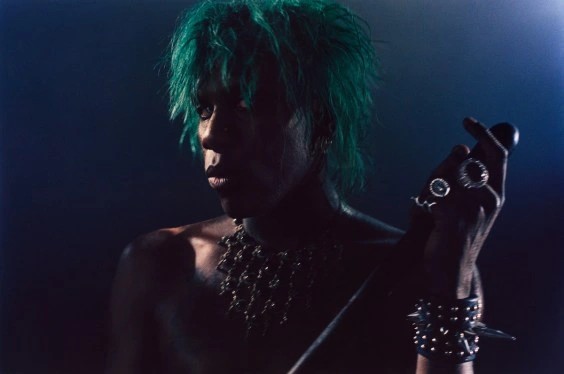
Consider the recent upheaval surrounding Yves Tumor.
Following serious allegations of sexual assault and abusive behavior circulating online, including one instance of groping reportedly accompanied by video evidence, the artist, also known as Shanti or Sean Lee Bowie, swiftly denied the claims, stating an intent to pursue “extreme legal action.” Yet, the impact was immediate and profound: Tumor was removed from the much-anticipated Turnstile tour.
It's a stark example of the rapid consequences when public trust is eroded.
The fallout was visible, with Canadian hardcore punk crew No Warning stepping in for the Toronto date and Tampa death metal veterans Obituary announced as replacements for Raleigh. While a replacement for Portland is still pending, the message is clear: the show, indeed, must go on, but not at the expense of deeply troubled perceptions.
This swift action by tour organizers highlights a growing trend where allegations, particularly those with supporting evidence or widespread public attention, can trigger immediate professional repercussions, regardless of the ultimate legal outcome.
This phenomenon underscores a critical challenge for the music industry and beyond: how do we balance the presumption of innocence with the imperative to ensure safe spaces and prevent harm? For artists, the digital age means their past actions, or alleged actions, can resurface with unprecedented speed and reach.
The court of public opinion, fueled by algorithms and instant reactions, often delivers its verdict long before any official investigation can conclude.
'Artists now operate under an unforgiving microscope,' I often tell my colleagues.
This isn't about 'cancel culture' as a blanket dismissal, but about a genuine struggle to navigate claims that can be devastating for all parties. Promoters and venues, in turn, face immense pressure to protect their brand, their audience, and their other performing artists.
The risk of association, even before definitive proof, is often too high.
Finding Our Footing
So, where do we go from here?
This moment calls for a re-evaluation of how accountability is understood and enacted within creative industries.
It's a conversation that needs to move beyond simple condemnation or reflexive defense.
It requires clarity, transparency, and a commitment to justice, whether that means supporting those who come forward with allegations or upholding due process for those accused. The digital stage is unforgiving, and finding our footing on it will be one of the defining challenges for artistic careers in the years to come.

Login to comment.
No thots yet. Be the first to share your thoughts!