The Gym Wear Paradox: Why Less Fabric Means More Power

The Gym Wear Paradox: Why Less Fabric Means More Power
Why are gym clothes shrinking, and what's the hidden psychology behind it? We explore the complex dance of being seen, admired, and setting boundaries in the modern gym.
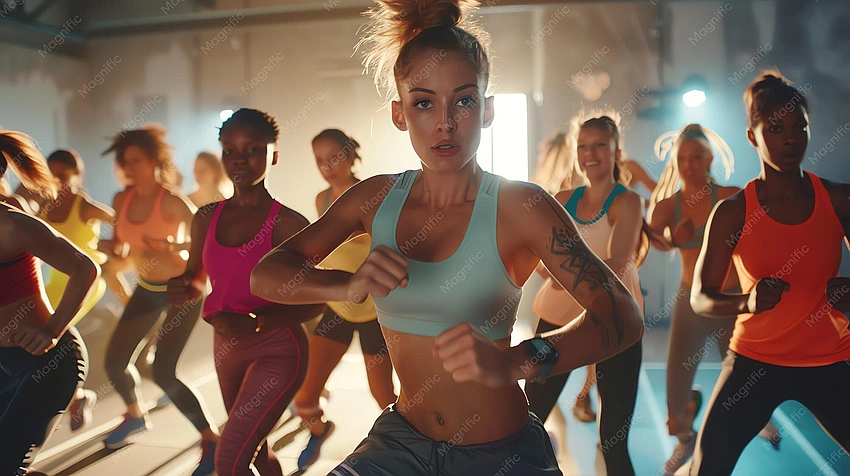
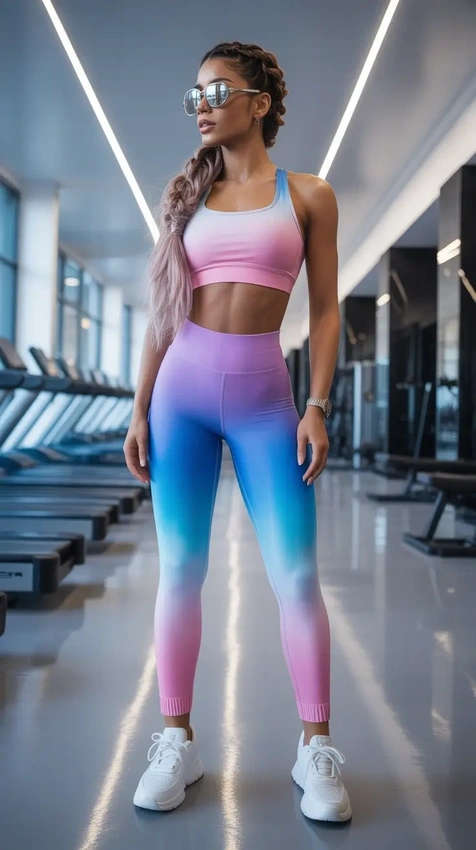
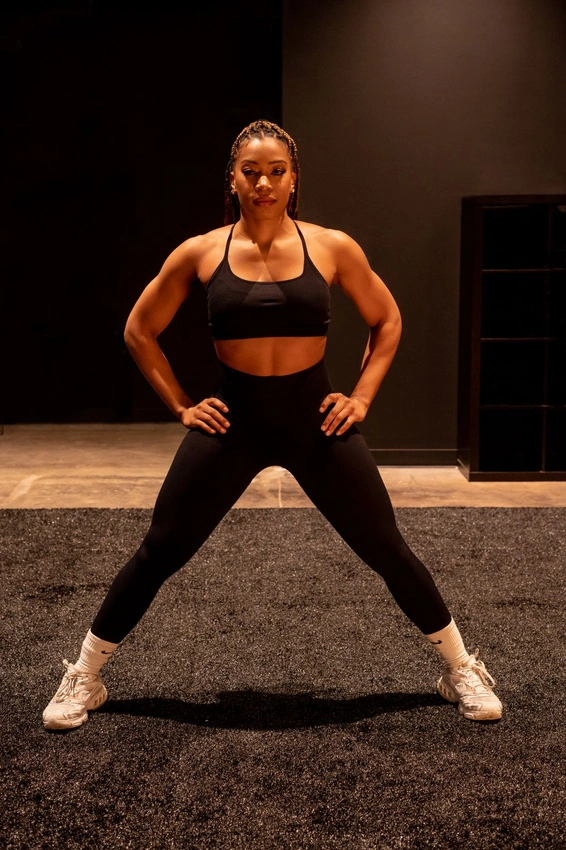
It's impossible to ignore, walk into any gym today, and you'll notice that workout attire seems to be in a race to use as little fabric as possible. From high-cut leggings to sports bras that double as crop tops, the trend towards more revealing activewear is undeniable.
But this isn't just about fashion; it's a fascinating, complex social experiment playing out in plain sight, with a secret psychological undercurrent we're all, perhaps unknowingly, participating in.
The Gym as a Stage, and Us, The Players
Sociologist Erving Goffman, in his seminal work The Presentation of Self in Everyday Life , suggested that we are all actors on a stage, constantly performing for an audience.
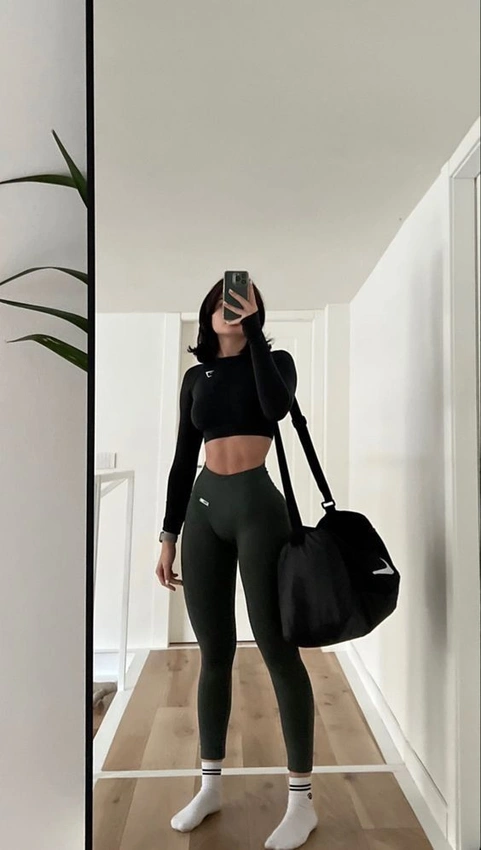
The modern gym, with its mirrored walls and communal spaces, is perhaps the ultimate stage.
Here, our 'costumes' - our gym clothes - aren't just for function; they're integral to our performance.
Wearing less isn't merely about comfort or flexibility; it's a deliberate choice that amplifies visibility.
We live in a visually driven world, and attention, for better or worse, has become a form of currency. When we choose attire that accentuates our form, we are, consciously or subconsciously, inviting a gaze. It's a subtle signal, a way of saying, 'Hey, look at the effort I've put in.' And for many, there's a primal, undeniable thrill in being noticed, in feeling desired or admired, even fleetingly.
The Delicious Tension of Being Seen
Think about it: the slight surge of adrenaline when you catch someone's eye, the quiet satisfaction when you know heads are turning. It's a deeply human need for validation, a confirmation of our presence and, in some cases, our attractiveness. Psychologist Abraham Maslow's hierarchy of needs places 'esteem' right up there, and receiving positive attention can certainly feed into that.
It's a powerful, intoxicating feeling.
The gym, for all its sweat and toil, has become a vibrant arena for self-expression and, yes, a dash of ego-boosting. It's where the personal becomes public, and the effort invested in one's body is proudly, albeit sometimes subtly, displayed.
My friend Maya, a self-proclaimed gym fashionista, puts it this way: “Why spend hours sculpting if no one's going to notice? It's like baking a beautiful cake and not letting anyone see it.”
The Not-So-Secret Boundary Setting
But here's where the paradox truly kicks in.
We invite the gaze, we secretly enjoy the attention, and then, quite often, we shame the noticers.
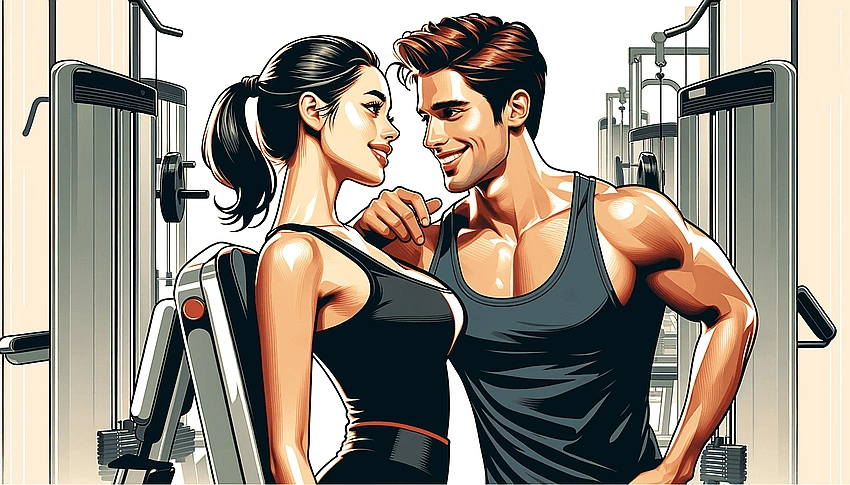
Someone compliments your physique or even just looks too long, and suddenly, they're creepy, inappropriate, or 'objectifying.' It's a complex dance, a push and pull of inviting admiration while simultaneously asserting boundaries and control.
It's a strategic assertion of agency. By inviting the gaze and then selectively rejecting it, women are playing a sophisticated social game. It reclaims power.
It says, 'I choose to be seen, but you don't get to define how I'm seen or what it means.' It's a way of saying, 'My body is my canvas, and I decide who gets to appreciate the art, and under what conditions.' It's about owning the narrative, not just the outfit.
More Than Just Fabric
So, are smaller gym clothes a sign of empowerment, a playful rebellion, or just another form of objectification?
Perhaps it's all of the above, tangled in a messy, human knot.
What's clear is that the fabric: or lack thereof: is merely a symptom of a much deeper cultural conversation about visibility, validation, and control in public spaces.
It's a reflection of how we navigate attention, assert our presence, and define the terms of engagement in an increasingly observed world.