Why is Suddenly Everyone “Chinese”? (Or, the Strange Rise of China-maxxing)

Why is Suddenly Everyone “Chinese”? (Or, the Strange Rise of China-maxxing)
Why is Suddenly Everyone “Chinese”? (Or, the Strange Rise of China-maxxing)
Exploring 'Chinamaxxing,' the TikTok trend that has people swapping iced coffee for warm water and embracing Chinese daily routines. A glimpse at soft power, algorithmic aesthetics, and the internet's current dissatisfac
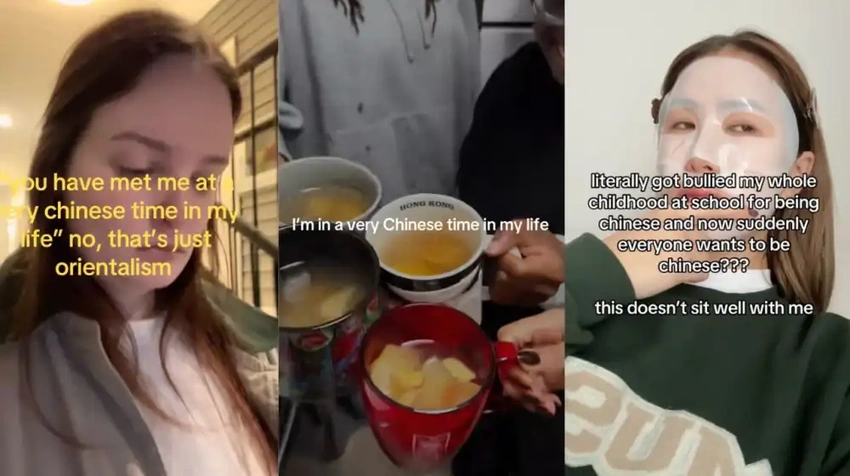
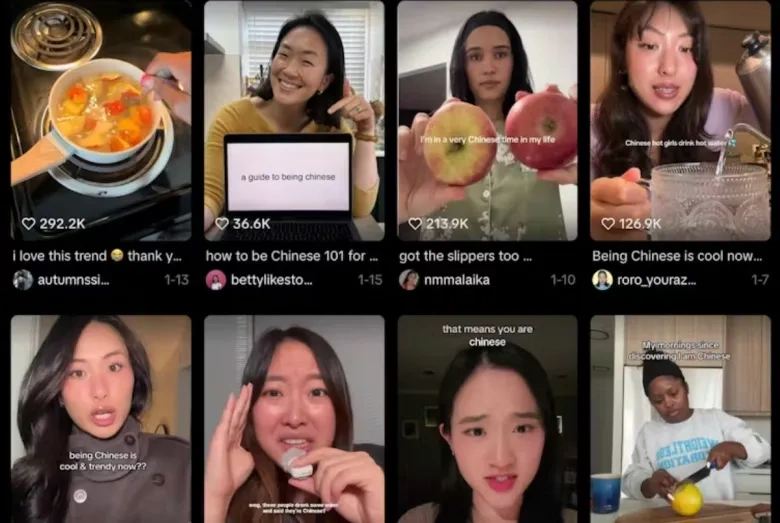
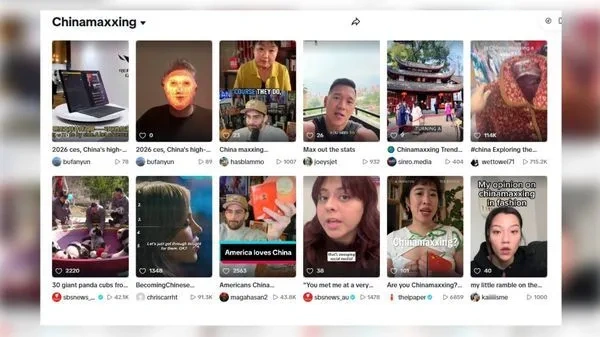
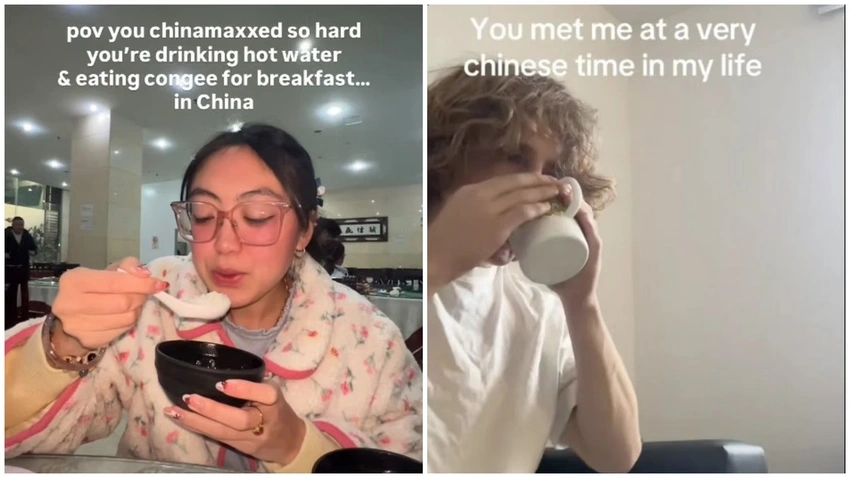
There is something faintly surreal about opening TikTok and watching someone in Ohio explain why they have replaced iced coffee with hot water. Or seeing wellness influencers romanticise indoor slippers, herbal broths, and slow, deliberate movement as if they have discovered a lost civilisational secret. The internet has named this phenomenon “Chinamaxxing”, and like all good internet terms, it is both absurd and revealing.
What looks like a fleeting meme is, in fact, a dense cultural moment. It sits at the intersection of soft power, algorithmic aesthetics, and a very contemporary kind of dissatisfaction.
What even is China-maxxing?
At its simplest, China-maxxing refers to a social media trend in which users adopt selectively curated aspects of Chinese daily life. These range from drinking warm water and practising tai chi-like exercises to engaging with Chinese dramas, fashion, or wellness routines.
The term itself borrows from internet slang. “Maxxing” implies optimisation, the idea of pushing something to its extreme form. To “China-maxx” is therefore not to become Chinese in any meaningful sense, but to perform a heightened, aestheticised version of “Chineseness”.
Crucially, this is not about deep cultural immersion. It is about fragments. Small, digestible habits that can be filmed, aestheticised, and circulated.
The Algorithmic Exotic
The speed of this trend cannot be understood without the logic of platforms like TikTok. These platforms thrive on visual difference. They reward the unfamiliar, especially when it can be rendered soothing or aspirational.
Chinese daily practices, when stripped of context, lend themselves perfectly to this. Steam rising from a cup of hot tea. Minimalist interiors. Slow, almost ritualistic movement. These visuals travel well.
What emerges is less a culture and more an aesthetic package. As one report notes, the trend often reduces Chinese life to “playful” and highly selective habits that circulate globally.
In other words, China-maxxing is not China. It is a moodboard.
Soft Power, but Make It Accidental
There is a temptation to read this as a straightforward victory of Chinese soft power. After all, China has spent decades investing in cultural influence, from media exports to educational institutions and digital ecosystems.
And yet, the reality is more complicated.
Much of China-maxxing is not driven by official cultural diplomacy. It emerges organically from platform cultures and user curiosity. In fact, the trend says less about China’s success and more about the desires of those adopting it.
This distinction matters. Soft power traditionally involves persuasion. China-maxxing, by contrast, often involves projection.
Disillusionment Disguised as Curiosity
One of the more persuasive readings of the trend is that it reflects a broader dissatisfaction, particularly among younger users in the West.
China becomes, in this context, a kind of symbolic elsewhere. A place onto which anxieties about healthcare, productivity, and modern life can be displaced. The appeal of “simpler” habits such as drinking warm water or embracing slow routines is less about their origin and more about what they seem to promise: control, balance, and coherence.
Historically, such gestures are not new. Western fascination with “Eastern” philosophies has appeared in cycles, often during periods of cultural fatigue. What is different now is the medium. Instead of philosophical texts, we have 15-second videos.
Between Appreciation and Caricature
The reception of China-maxxing has been mixed, particularly among Chinese communities and the diaspora.
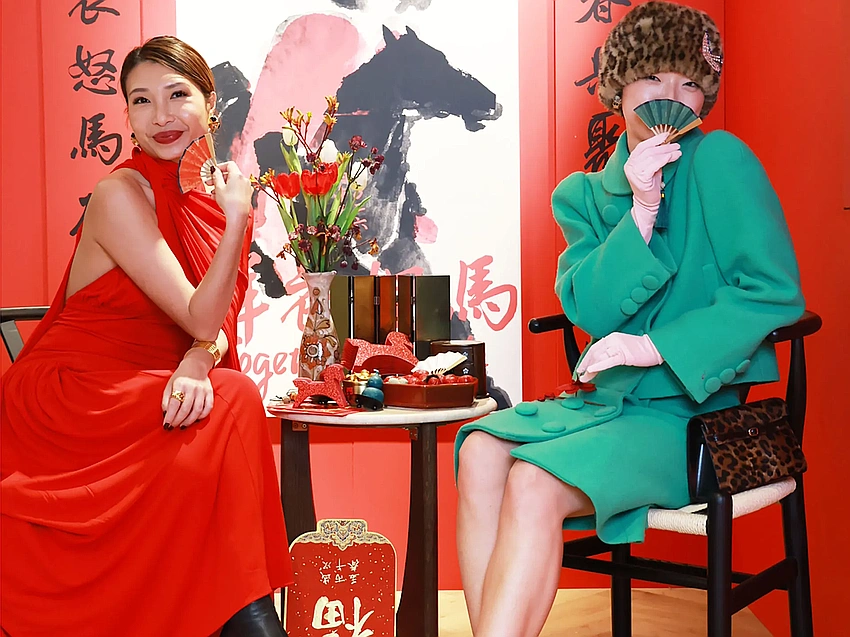
On one hand, there is a sense of visibility. Everyday practices once dismissed or stereotyped are suddenly fashionable. On the other, there is discomfort. The trend can feel reductive, flattening a complex culture into a set of quirky habits.
It reveals how power, visibility, and timing shape cultural value.
The Meme Logic of Culture
Perhaps the most interesting aspect of China-maxxing is that it demonstrates how culture now circulates as meme.
Memes do not require depth. They require recognisability and repetition. A practice becomes “Chinese” not because of its historical or philosophical grounding, but because it can be easily signified and reproduced.
This is why the trend feels both expansive and shallow. It spreads rapidly, but its content remains thin. It often lacks meaningful engagement with language, history, or political context.
So, why now?
The timing of this trend is not accidental.
China’s global presence has grown significantly, not just economically but culturally. From technology platforms to entertainment and fashion, Chinese influence is increasingly visible in everyday life.
At the same time, younger generations are more open to alternative cultural references. Surveys suggest that younger demographics tend to view China more favourably than older ones, reflecting a shift in global perception.
Add to this the mechanics of social media, and the result is a perfect storm. A rising cultural presence meets an audience primed for novelty and a platform designed for amplification.
#Chinamaxxing #TikTokTrend #InternetCulture #WellnessOnline #SoftPower
