US Cracks Down on Cybercriminals & Families with New Global Visa Ban!
US Cracks Down on Cybercriminals & Families with New Global Visa Ban!
The US introduces a tough new global visa policy targeting cybercriminals, sextortionists, and their families. Learn how America is fighting back against online fraud to protect its citizens!
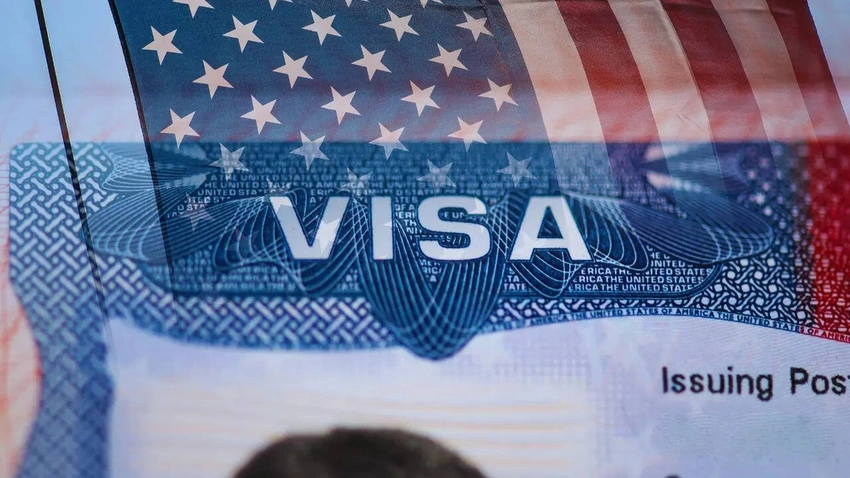
The United States has rolled out a significant new global visa restriction policy, directly targeting individuals involved in cyberscams, sextortion, and various other cyber-enabled crimes. This broad-reaching measure isn't just for the criminals themselves; it also extends to their immediate family members.
US Secretary of State Marco Rubio announced the policy on July 23, explaining that it's part of a larger, concerted effort to dismantle transnational criminal networks that prey on American citizens online. "The United States will go after those who prey on our citizens," Rubio declared, emphasizing the administration's commitment to using all available legal and diplomatic tools to disrupt these international scam operations.
The new restrictions are being implemented under Section 212(a)(3)(C) of the US Immigration and Nationality Act. This section permits the government to deny visas if an individual's entry could lead to adverse foreign policy consequences. Under this revised policy, foreign nationals found responsible for, or complicit in, cyber-enabled criminal activities—including online investment fraud and sextortion—will be deemed ineligible for a US visa. Crucially, immediate family members of these individuals could also face similar restrictions. It's important to note that the policy is global in scope and does not single out specific countries or individuals.
This strategic move follows President Trump's Executive Order 14390, which focuses on combating cybercrime, fraud, and predatory schemes that target American citizens. Secretary Rubio highlighted the severity of the issue, stating that online investment scams, often orchestrated by Chinese transnational criminal organizations, have defrauded US citizens of at least $10 billion in 2024 alone. Beyond the staggering financial losses, these criminal enterprises are also linked to serious offenses such as money laundering, corruption, and even human trafficking. The administration also pointed to a rising trend of sextortion cases, further underscoring the urgent need for such robust measures.
