Cost-of-living adviser calls to extend UK fuel duty cut amid Iran war

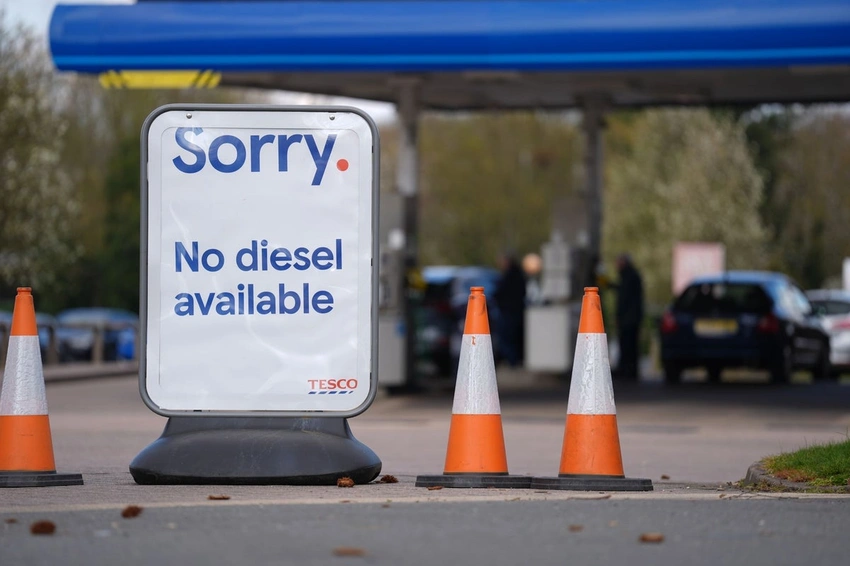
Cost-of-living adviser calls to extend UK fuel duty cut amid Iran war
Labour's cost-of-living adviser urges extending the 5p fuel duty cut as petrol prices rise amid Middle East tensions, highlighting the broader impact on households and businesses.
A senior adviser to the Labour leadership is urging ministers to extend the UK's 5p-per-litre fuel duty cut beyond its scheduled expiry in September, arguing that petrol prices have risen in the wake of the Iran-related crisis in the Middle East. The proposal comes as households and many businesses feel the squeeze from climbing energy costs, with the ongoing tensions contributing to volatility in global fuel markets.
Lord Walker, who also serves as executive chairman of Iceland supermarkets, said there could be a case for maintaining, or even enlarging, the relief to help shield consumers from further price shocks. He told listeners that the government should be considering ways to ease the burden on families and firms as the cost of living remains a focal political issue amid a challenging macroeconomic backdrop.
The UK’s 5p cut was originally introduced by the previous Conservative government as part of a broader response to higher energy prices following Russia's invasion of Ukraine. With Iran blocking key shipping routes in the region, authorities say about a fifth of the world’s oil and gas passes through the Strait of Hormuz, underscoring how geopolitical events can ripple through fuel costs. In response, other countries have moved to adjust fuel taxes or implement temporary relief measures to mitigate price spikes.
Support for extending the cut has drawn some political attention, as Sir Keir Starmer has said any changes will be kept “under review” in light of developments in Iran. Proponents argue that a longer relief could provide stability for households planning budgets and for businesses that rely on predictable energy costs, while critics warn of potential fiscal costs and possible distortions in energy markets. The debate signals that energy policy and cost-of-living relief remain intertwined as government and opposition assess options ahead of future policy decisions.
