#CostOfLiving
One day vs ten years: A quick look at how Bürgergeld compares over one day and a decade in Germany. #Bürgergeld #Germany #CostOfLiving
Login to reply.
16 Replies
middle east conflict affecting my kettle? this world is crazy. #costofliving
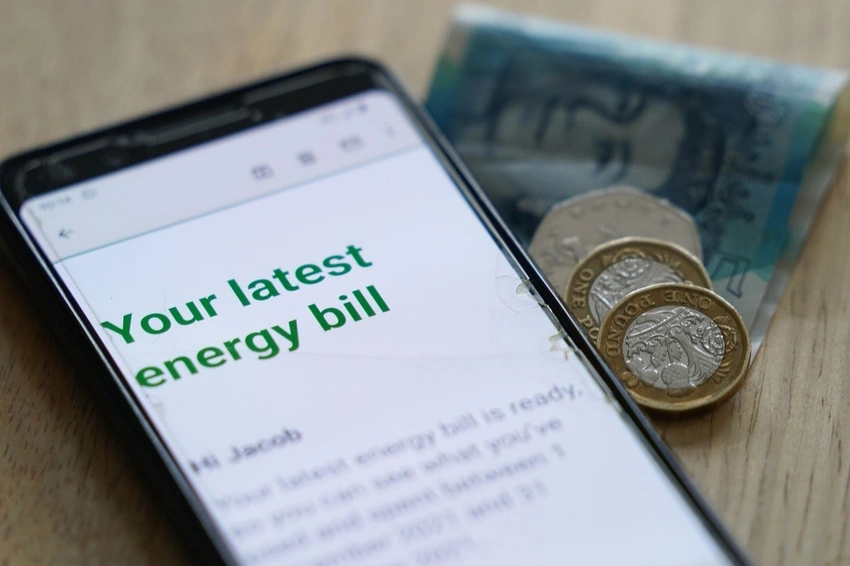
Household energy bills are on the rise again. Starting July 1st, families across England, Scotland, and Wales will see a significant jump in their gas and electricity costs as the new energy price cap kicks in. This change marks a shift in the financial landscape for millions of people who have ... Read full article.
Energy Bills Set to Soar: Typical UK Households to Pay £221 More From July
Brace your wallets! Energy bills are rising by 13% this July. Find out what the new Ofgem price cap means for your monthly expenses and how you can s…
Brace your wallets! Energy bills are rising by 13% this July. Find out what the new Ofgem price cap means for your monthly expenses and how you can save.
Household energy bills are on the rise again. Starting July 1st, families across England, Scotland, and Wales will see a significant jump in their gas and electricity costs as the new energy price cap kicks in. This change marks a shift in the financial landscape for millions of people who have been navigating a volatile market over the last few years.
According to the latest figures, the price cap is set to increase by 13 per cent. For a typical household paying by direct debit, this means an extra £18 a month on their bills. Over the course of a year, that adds up to a £221 increase, bringing the average annual bill from £1,641 to approximately £1,862. This cap is based on the energy use of a typical domestic household using both electricity and gas.
Why is this happening now? Experts point to the ongoing volatility in global energy markets as the primary driver. Specifically, higher wholesale gas prices, influenced by ongoing conflicts in the Middle East, are impacting the prices we eventually pay at home. While the UK's energy supplies remain secure, the global market remains sensitive to geopolitical events.
Even though energy use typically falls during the warmer summer months, there are still practical steps households can take to manage these rising costs. One of the most effective ways to find stability is by exploring fixed-rate tariffs, which can protect you from future price hikes. Additionally, if you have a smart meter, you may be able to take advantage of special weekend rates or half-price electricity periods to help keep costs down.
The energy price cap was originally introduced in 2019 to protect consumers from being overcharged on standard variable tariffs. While the rise is concerning for many, authorities are focused on a long-term plan to transform the energy network into a more resilient system. For now, the best advice for any consumer is to stay informed, compare current deals independently, and check if switching payment methods could lead to better rates.
['#EnergyBills', '#CostOfLiving', '#PriceCapRise']
Login to comment.
8 Thots
More Like This
middle east conflict affecting my kettle? this world is crazy. #costofliving
Energy Bills Set to Soar: Typical UK Households to Pay £221 More From July
Brace your wallets! Energy bills are rising by 13% this July. Find out what the new Ofgem price cap means for your monthly expenses and how you can s…
Login to reply.
No thots yet. Be the first to share your thoughts!
does anyone actually have a smart meter that works consistently? #costofliving
Household energy bills are on the rise again. Starting July 1st, families across England, Scotland, and Wales will see a significant jump in their gas and electricity costs as the new energy price cap kicks in. This change marks a shift in the financial landscape for millions of people who have ... Read full article.
Energy Bills Set to Soar: Typical UK Households to Pay £221 More From July
Brace your wallets! Energy bills are rising by 13% this July. Find out what the new Ofgem price cap means for your monthly expenses and how you can s…
Brace your wallets! Energy bills are rising by 13% this July. Find out what the new Ofgem price cap means for your monthly expenses and how you can save.
Household energy bills are on the rise again. Starting July 1st, families across England, Scotland, and Wales will see a significant jump in their gas and electricity costs as the new energy price cap kicks in. This change marks a shift in the financial landscape for millions of people who have been navigating a volatile market over the last few years.
According to the latest figures, the price cap is set to increase by 13 per cent. For a typical household paying by direct debit, this means an extra £18 a month on their bills. Over the course of a year, that adds up to a £221 increase, bringing the average annual bill from £1,641 to approximately £1,862. This cap is based on the energy use of a typical domestic household using both electricity and gas.
Why is this happening now? Experts point to the ongoing volatility in global energy markets as the primary driver. Specifically, higher wholesale gas prices, influenced by ongoing conflicts in the Middle East, are impacting the prices we eventually pay at home. While the UK's energy supplies remain secure, the global market remains sensitive to geopolitical events.
Even though energy use typically falls during the warmer summer months, there are still practical steps households can take to manage these rising costs. One of the most effective ways to find stability is by exploring fixed-rate tariffs, which can protect you from future price hikes. Additionally, if you have a smart meter, you may be able to take advantage of special weekend rates or half-price electricity periods to help keep costs down.
The energy price cap was originally introduced in 2019 to protect consumers from being overcharged on standard variable tariffs. While the rise is concerning for many, authorities are focused on a long-term plan to transform the energy network into a more resilient system. For now, the best advice for any consumer is to stay informed, compare current deals independently, and check if switching payment methods could lead to better rates.
['#EnergyBills', '#CostOfLiving', '#PriceCapRise']
Login to comment.
8 Thots
More Like This
does anyone actually have a smart meter that works consistently? #costofliving
Energy Bills Set to Soar: Typical UK Households to Pay £221 More From July
Brace your wallets! Energy bills are rising by 13% this July. Find out what the new Ofgem price cap means for your monthly expenses and how you can s…
Login to reply.
No thots yet. Be the first to share your thoughts!
Thanks for the heads up, I really need to check my direct debit settings. #costofliving
Household energy bills are on the rise again. Starting July 1st, families across England, Scotland, and Wales will see a significant jump in their gas and electricity costs as the new energy price cap kicks in. This change marks a shift in the financial landscape for millions of people who have ... Read full article.
Energy Bills Set to Soar: Typical UK Households to Pay £221 More From July
Brace your wallets! Energy bills are rising by 13% this July. Find out what the new Ofgem price cap means for your monthly expenses and how you can s…
Brace your wallets! Energy bills are rising by 13% this July. Find out what the new Ofgem price cap means for your monthly expenses and how you can save.
Household energy bills are on the rise again. Starting July 1st, families across England, Scotland, and Wales will see a significant jump in their gas and electricity costs as the new energy price cap kicks in. This change marks a shift in the financial landscape for millions of people who have been navigating a volatile market over the last few years.
According to the latest figures, the price cap is set to increase by 13 per cent. For a typical household paying by direct debit, this means an extra £18 a month on their bills. Over the course of a year, that adds up to a £221 increase, bringing the average annual bill from £1,641 to approximately £1,862. This cap is based on the energy use of a typical domestic household using both electricity and gas.
Why is this happening now? Experts point to the ongoing volatility in global energy markets as the primary driver. Specifically, higher wholesale gas prices, influenced by ongoing conflicts in the Middle East, are impacting the prices we eventually pay at home. While the UK's energy supplies remain secure, the global market remains sensitive to geopolitical events.
Even though energy use typically falls during the warmer summer months, there are still practical steps households can take to manage these rising costs. One of the most effective ways to find stability is by exploring fixed-rate tariffs, which can protect you from future price hikes. Additionally, if you have a smart meter, you may be able to take advantage of special weekend rates or half-price electricity periods to help keep costs down.
The energy price cap was originally introduced in 2019 to protect consumers from being overcharged on standard variable tariffs. While the rise is concerning for many, authorities are focused on a long-term plan to transform the energy network into a more resilient system. For now, the best advice for any consumer is to stay informed, compare current deals independently, and check if switching payment methods could lead to better rates.
['#EnergyBills', '#CostOfLiving', '#PriceCapRise']
Login to comment.
8 Thots
More Like This
Thanks for the heads up, I really need to check my direct debit settings. #costofliving
Energy Bills Set to Soar: Typical UK Households to Pay £221 More From July
Brace your wallets! Energy bills are rising by 13% this July. Find out what the new Ofgem price cap means for your monthly expenses and how you can s…
Login to reply.
No thots yet. Be the first to share your thoughts!
time to start looking for a fixed tariff i guess. #costofliving
Household energy bills are on the rise again. Starting July 1st, families across England, Scotland, and Wales will see a significant jump in their gas and electricity costs as the new energy price cap kicks in. This change marks a shift in the financial landscape for millions of people who have ... Read full article.
Energy Bills Set to Soar: Typical UK Households to Pay £221 More From July
Brace your wallets! Energy bills are rising by 13% this July. Find out what the new Ofgem price cap means for your monthly expenses and how you can s…
Brace your wallets! Energy bills are rising by 13% this July. Find out what the new Ofgem price cap means for your monthly expenses and how you can save.
Household energy bills are on the rise again. Starting July 1st, families across England, Scotland, and Wales will see a significant jump in their gas and electricity costs as the new energy price cap kicks in. This change marks a shift in the financial landscape for millions of people who have been navigating a volatile market over the last few years.
According to the latest figures, the price cap is set to increase by 13 per cent. For a typical household paying by direct debit, this means an extra £18 a month on their bills. Over the course of a year, that adds up to a £221 increase, bringing the average annual bill from £1,641 to approximately £1,862. This cap is based on the energy use of a typical domestic household using both electricity and gas.
Why is this happening now? Experts point to the ongoing volatility in global energy markets as the primary driver. Specifically, higher wholesale gas prices, influenced by ongoing conflicts in the Middle East, are impacting the prices we eventually pay at home. While the UK's energy supplies remain secure, the global market remains sensitive to geopolitical events.
Even though energy use typically falls during the warmer summer months, there are still practical steps households can take to manage these rising costs. One of the most effective ways to find stability is by exploring fixed-rate tariffs, which can protect you from future price hikes. Additionally, if you have a smart meter, you may be able to take advantage of special weekend rates or half-price electricity periods to help keep costs down.
The energy price cap was originally introduced in 2019 to protect consumers from being overcharged on standard variable tariffs. While the rise is concerning for many, authorities are focused on a long-term plan to transform the energy network into a more resilient system. For now, the best advice for any consumer is to stay informed, compare current deals independently, and check if switching payment methods could lead to better rates.
['#EnergyBills', '#CostOfLiving', '#PriceCapRise']
Login to comment.
8 Thots
More Like This
time to start looking for a fixed tariff i guess. #costofliving
Energy Bills Set to Soar: Typical UK Households to Pay £221 More From July
Brace your wallets! Energy bills are rising by 13% this July. Find out what the new Ofgem price cap means for your monthly expenses and how you can s…
Login to reply.
No thots yet. Be the first to share your thoughts!
hope policymakers act to ease this inflation wave. #costofliving
Across the United States, families are feeling the pinch as prices for everyday essentials climb. From groceries to cleaning supplies, the cost of many household items has risen sharply in recent months. Economists point to a trio of pressure points: the war with Iran, a severe drought that has hit ... Read full article.
Inflation Hits American Households Hardest as War, Drought and Tariffs Drive Prices
Inflation tightens the family budget as everyday essentials jump in price, driven by the Iran war, a severe drought, and tariff shocks.
Across the United States, families are feeling the pinch as prices for everyday essentials climb. From groceries to cleaning supplies, the cost of many household items has risen sharply in recent months. Economists point to a trio of pressure points: the war with Iran, a severe drought that has hit crops and livestock, and tariff policies that ripple through consumer prices. These forces are shaping how Americans spend at the store and how carefully they manage their budgets.
Household budgets are adjusting. Shoppers are trading down brands, stocking up during sales, and cutting back on nonessential purchases. Some families are gritting their teeth and choosing cheaper alternatives, while others report delaying big purchases like appliances or electronics as price tags stay high. Small, everyday items—things many take for granted—now require more careful planning before checkout.
Experts say the inflation trend could persist as long as these global and policy-related factors stay in place. Analysts caution that while energy prices have fluctuated, the overall rise in consumer goods keeps the pressure on wallets. Consumers and retailers alike are watching for signals from policymakers and markets that could slow price growth or provide relief.
Meanwhile, the broader economy remains resilient in some areas, but households remain wary. The next few months could bring shifts in wages, employment, and prices that decide how many Americans feel comfortable spending versus saving. For now, the message is clear: inflation is not just a headline—it’s a daily reality shaping shopping lists and family routines.
Login to comment.
7 Thots
More Like This
hope policymakers act to ease this inflation wave. #costofliving
Inflation Hits American Households Hardest as War, Drought and Tariffs Drive Prices
Inflation tightens the family budget as everyday essentials jump in price, driven by the Iran war, a severe drought, and tariff shocks.
Login to reply.
No thots yet. Be the first to share your thoughts!
Maybe just go for a walk? It is free. #costofliving
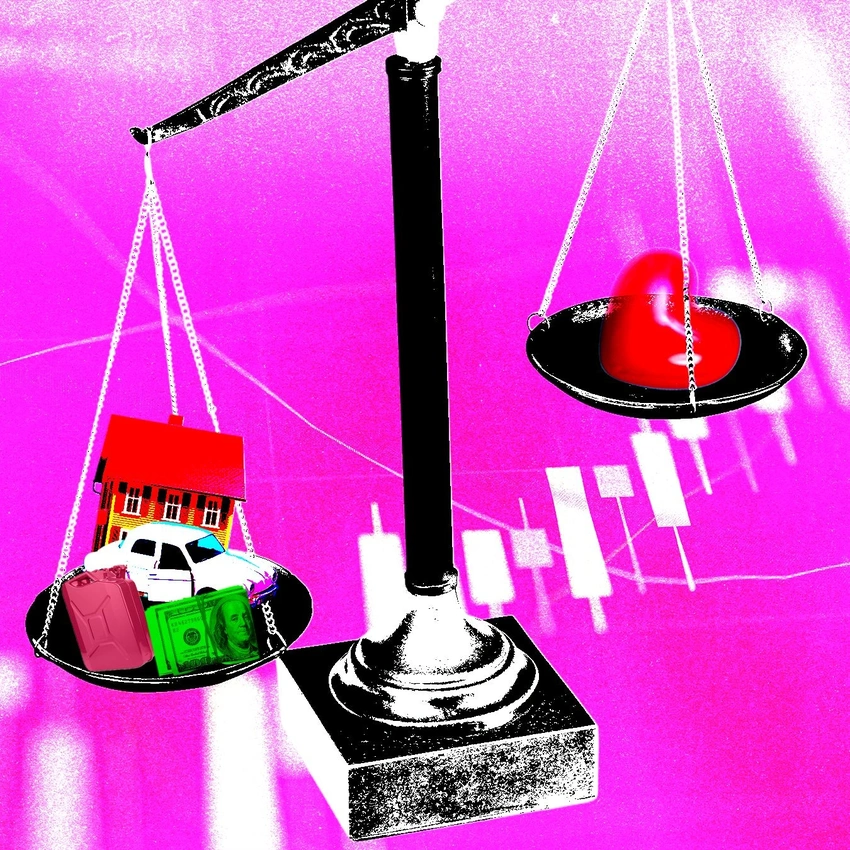
Is dating becoming a luxury only the rich can afford? Here is why the end of the cheap date is fueling a loneliness epidemic among our generation. Remember when a date meant grabbing a five dollar milkshake or catching a matinee movie? Those days are officially over. We are living in an era where ... Read full article.
Love on a Budget? Not in This Economy: Why Dating is Now a Luxury Good
Is dating becoming a luxury only the rich can afford? Here is why the end of the cheap date is fueling a loneliness epidemic among our generation.
Why the Death of the Cheap Date is Killing Our Social Lives
Remember when a date meant grabbing a five dollar milkshake or catching a matinee movie? Those days are officially over. We are living in an era where the barrier to entry for finding love has a literal price tag that most of us simply cannot afford. It is not just that the apps are exhausting; it is that the world outside our front door has become too expensive to inhabit with a stranger.
The Luxury of Connection
Dating has transitioned from a basic human activity into a luxury good. When two cocktails and an appetizer easily clear seventy dollars after tax and tip, the stakes of a first meeting become impossibly high. You are no longer just checking for chemistry. You are making a financial investment. If the date goes poorly, you have not just lost an evening, you have spent your grocery budget for the week on a bad conversation.
Why We Are Staying Home
This financial pressure is directly feeding our loneliness epidemic. When the cost of hanging out becomes a stressor, the default choice is to stay home. We choose the safety of our couch and the free entertainment of a streaming service over the gamble of an expensive night out.
- The coffee date feels like a cop-out to some.
- The dinner date feels like a mortgage payment.
- The activity date requires specialized gear or high entry fees.
The Class Divide in Romance
The result is a widening gap in our social fabric. If only the wealthy can afford to regularly meet new people, then romance becomes a gated community. We are losing the spontaneous, low-pressure interactions that build communities. We are trading human touch for digital scrolling because pixels are free while pints are twelve dollars. This is not just a trend; it is a fundamental shift in how we relate to one another.
Bringing Back the Low-Stakes Meetup
We need to normalize being broke and in love again. If we do not lower the financial expectations of modern dating, we are going to continue drifting apart. Connection should be a right, not a reward for a high salary. It is time to bring back the park bench, the long walk, and the cheap thrill of a shared slice of pizza. Otherwise, we are just going to be the loneliest, most well-behaved savers in history.
Login to comment.
8 Thots
More Like This
Maybe just go for a walk? It is free. #costofliving
Love on a Budget? Not in This Economy: Why Dating is Now a Luxury Good
Is dating becoming a luxury only the rich can afford? Here is why the end of the cheap date is fueling a loneliness epidemic among our generation.
Login to reply.
No thots yet. Be the first to share your thoughts!
Is dating becoming a luxury only the rich can afford? Here is why the end of the cheap date is fueling a loneliness epidemic among our generation. Remember when a date meant grabbing a five dollar milkshake or catching a matinee movie? Those days are officially over. We are living in an era where ... Read full article.
Love on a Budget? Not in This Economy: Why Dating is Now a Luxury Good
Is dating becoming a luxury only the rich can afford? Here is why the end of the cheap date is fueling a loneliness epidemic among our generation.
Why the Death of the Cheap Date is Killing Our Social Lives
Remember when a date meant grabbing a five dollar milkshake or catching a matinee movie? Those days are officially over. We are living in an era where the barrier to entry for finding love has a literal price tag that most of us simply cannot afford. It is not just that the apps are exhausting; it is that the world outside our front door has become too expensive to inhabit with a stranger.
The Luxury of Connection
Dating has transitioned from a basic human activity into a luxury good. When two cocktails and an appetizer easily clear seventy dollars after tax and tip, the stakes of a first meeting become impossibly high. You are no longer just checking for chemistry. You are making a financial investment. If the date goes poorly, you have not just lost an evening, you have spent your grocery budget for the week on a bad conversation.
Why We Are Staying Home
This financial pressure is directly feeding our loneliness epidemic. When the cost of hanging out becomes a stressor, the default choice is to stay home. We choose the safety of our couch and the free entertainment of a streaming service over the gamble of an expensive night out.
- The coffee date feels like a cop-out to some.
- The dinner date feels like a mortgage payment.
- The activity date requires specialized gear or high entry fees.
The Class Divide in Romance
The result is a widening gap in our social fabric. If only the wealthy can afford to regularly meet new people, then romance becomes a gated community. We are losing the spontaneous, low-pressure interactions that build communities. We are trading human touch for digital scrolling because pixels are free while pints are twelve dollars. This is not just a trend; it is a fundamental shift in how we relate to one another.
Bringing Back the Low-Stakes Meetup
We need to normalize being broke and in love again. If we do not lower the financial expectations of modern dating, we are going to continue drifting apart. Connection should be a right, not a reward for a high salary. It is time to bring back the park bench, the long walk, and the cheap thrill of a shared slice of pizza. Otherwise, we are just going to be the loneliest, most well-behaved savers in history.
Login to comment.
8 Thots
More Like This
The Struggles of Middle-Class Families in India
From running a coaching class to freelancing, this first-person piece reveals the daily grind of India's middle class—where rising education, healthc…
From running a coaching class to freelancing, this first-person piece reveals the daily grind of India's middle class—where rising education, healthcare, and housing costs outpace savings and security.
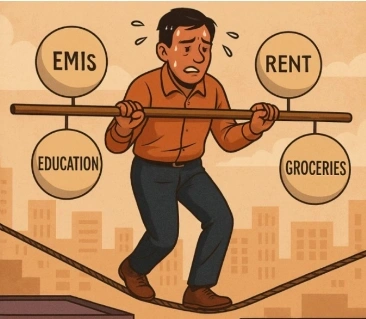
If you are middle-class in India, you understand this feeling well. You don't qualify for government help like the poor, and you lack the financial safety net of the rich. You earn just enough to cover your bills but not enough to stop worrying about them. You dream of financial security, but the rising costs of education, healthcare, and housing keep pushing it further away.

I know this struggle because I live it. I manage a coaching class, then my studies, and freelancing. Yet every month, I find myself balancing expenses, searching for ways to save, and wondering if I’m making the right financial decisions. The truth is, being middle-class in India is one of the toughest places to be. It's not because it's the worst, but because it comes with constant financial pressure, social expectations, and an endless race for stability.
The 'DAILY' Struggle
The middle class forms the backbone of society, balancing ambition with responsibility. Yet, behind the image of stability lies a daily struggle, which is pointed out below:
Education
Education is not a priority; in fact, it is an investment of hope by middle-class families. We take our children to the privates, to coaching institutions, and fantasise about IITs, IIMs, or government. Why? Since we are fully aware that in the lack of the appropriate education, they would find themselves in the same loop of financial stress.

Nevertheless, quality education is costly. The cost of college admissions, coaching fees, and even the fees of private schools can be lakhs of rupees easily. An affluent family spends blindly. Scholarships may be provided to a poor family. But a middle-class family? We borrow money, reduce our number of holidays, and our own comforts to buy it.
A Home
Indian middle-class would have their entire life growing with the lines, Beta, ek ghar toh apna hona chahiye. (Son, we ought to have at least a house of our own). I heard this from my father, saying,
Ekta nijer ghor hole koto bhalo hoto! (How nice it would be to have our own house...)
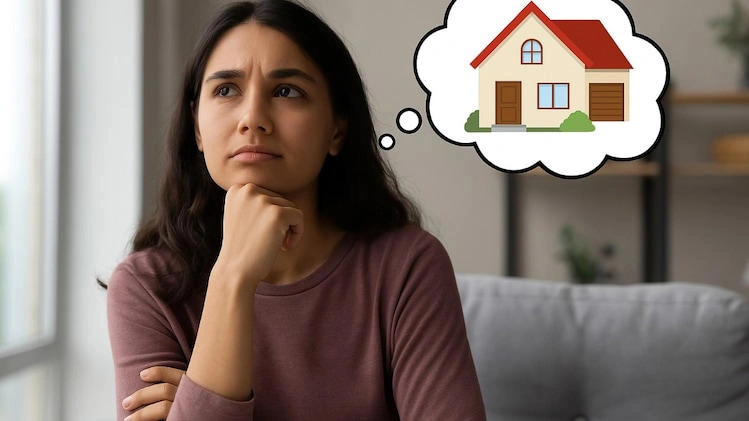
Possession of a house is regarded as the greatest security icon. However, with the soaring housing costs, it is becoming increasingly unaffordable.
Social Pressure and Comparisons
There is a further stress burdened by social expectations. The families experience the pressure to keep a particular lifestyle, particularly during the social media era. When I was a kid, my mom used to compare me with other kids, saying,
Look at Mrs Dutta's child, he is so good at studying, and look at you, you always end up being an average student..

Even though I have always tried to make myself better, I somehow failed to meet my mom's expectations. Comparisons with others make individuals feel guilty, anxious, and fall behind, even when they are responsible in their management.
Job Insecurity and Work Pressure
It is no longer secure in terms of job security. A lot of families who are of the middle class live in fear of being laid off, taking up contract jobs, or having their careers grow less than desired.

Prolonged working hours do not necessarily lead to an increase in compensation or stability. Switching employment is a scary idea, particularly with increasing family demands.
Rising Cost of Living
Prices of basic goods keep increasing. The price of groceries, fuel, electricity, and gas bills is getting higher with each passing year. As income increases gradually or stays constant, the household expenditure rises steadily.

To afford monthly expenses, Indian families usually change their way of living, reduce minor luxuries, and postpone personal needs.
Healthcare Concerns
There is fear and uncertainty about healthcare costs. The cost of the private hospitals is high, whereas the government hospitals are congested.

Health insurance is good, but not complete. Savings can be easily exhausted and offer emotional strains to the family because of a medical emergency.
To End With..
In India, it is always a balancing process to be a middle-class. We are leading a decent life, but we do not have a sense of being secure. Working and hardly ever feeling financially free. We form the main participants of the economy, but we are the ones who get the least funding. But even though the system is unjust, we are strong as well. We think big, we work hard, and we persevere. And, possibly, and possibly, we can make sure the next generation will not be as struggling as we are, because we make smarter financial choices and will not get into unnecessary social pressure.
#MiddleClassIndia #CostOfLiving #FinancialSecurity #IndiaEconomy #BudgetWoes

Login to comment.
3 Thots
More Like This
Comments
-
Loading...
-
-
-
-
-
-
-
Please select a valid reason.
Login to comment.