Energy Bills Set to Soar: Typical UK Households to Pay £221 More From July

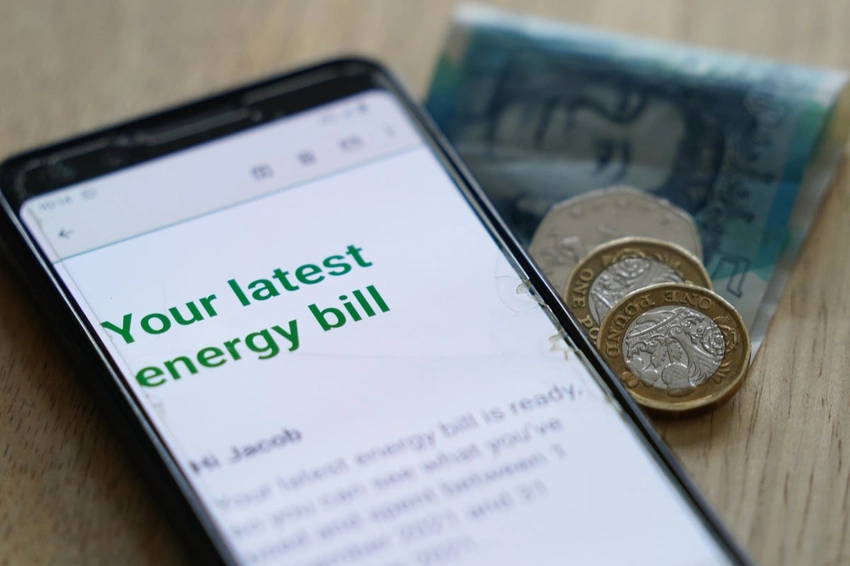
Energy Bills Set to Soar: Typical UK Households to Pay £221 More From July
Brace your wallets! Energy bills are rising by 13% this July. Find out what the new Ofgem price cap means for your monthly expenses and how you can save.
Household energy bills are on the rise again. Starting July 1st, families across England, Scotland, and Wales will see a significant jump in their gas and electricity costs as the new energy price cap kicks in. This change marks a shift in the financial landscape for millions of people who have been navigating a volatile market over the last few years.
According to the latest figures, the price cap is set to increase by 13 per cent. For a typical household paying by direct debit, this means an extra £18 a month on their bills. Over the course of a year, that adds up to a £221 increase, bringing the average annual bill from £1,641 to approximately £1,862. This cap is based on the energy use of a typical domestic household using both electricity and gas.
Why is this happening now? Experts point to the ongoing volatility in global energy markets as the primary driver. Specifically, higher wholesale gas prices, influenced by ongoing conflicts in the Middle East, are impacting the prices we eventually pay at home. While the UK's energy supplies remain secure, the global market remains sensitive to geopolitical events.
Even though energy use typically falls during the warmer summer months, there are still practical steps households can take to manage these rising costs. One of the most effective ways to find stability is by exploring fixed-rate tariffs, which can protect you from future price hikes. Additionally, if you have a smart meter, you may be able to take advantage of special weekend rates or half-price electricity periods to help keep costs down.
The energy price cap was originally introduced in 2019 to protect consumers from being overcharged on standard variable tariffs. While the rise is concerning for many, authorities are focused on a long-term plan to transform the energy network into a more resilient system. For now, the best advice for any consumer is to stay informed, compare current deals independently, and check if switching payment methods could lead to better rates.
['#EnergyBills', '#CostOfLiving', '#PriceCapRise']
