Your Data Is No Longer Safe: Why Geopolitics Is Redrawing the Global Cloud Map

Your Data Is No Longer Safe: Why Geopolitics Is Redrawing the Global Cloud Map
The cloud isn't just code; it's physical infrastructure vulnerable to war. Recent drone strikes prove that geopolitics is the new biggest threat to your digital life.
The New Front Line: Why Your Data is Moving Houses
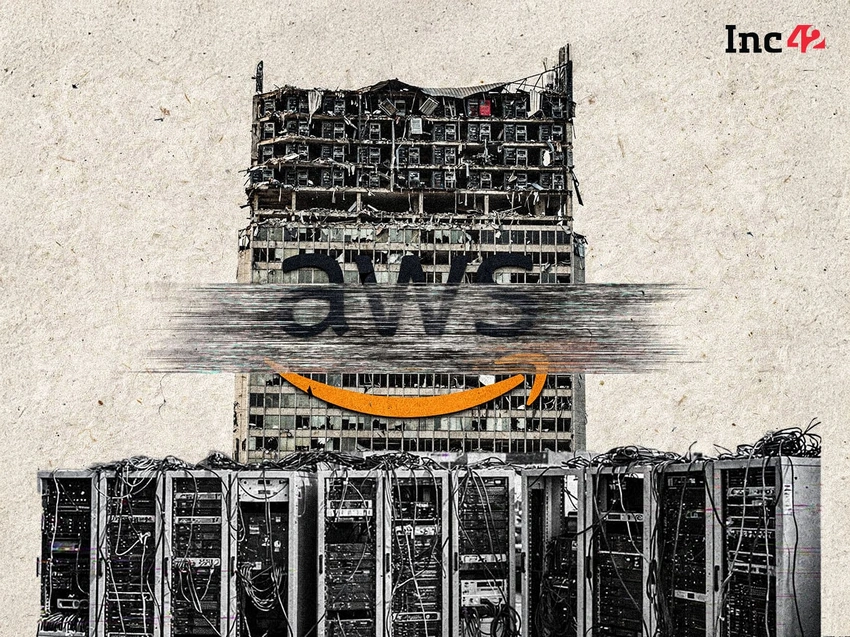
For years, we have been told that the cloud is everywhere and nowhere at the same time. We treat it like a magical, invisible layer that keeps our photos, bank details, and business operations safe. But recent events in the Middle East have shattered that illusion. When drone strikes damaged three major Amazon Web Services data centers in the United Arab Emirates and Bahrain, the world received a wake up call. The cloud is not just code. It is concrete, cables, and cooling systems. And right now, those physical sites are becoming the new front lines of global conflict.
When Physical Warfare Hits Digital Infrastructure
This is a massive shift in how we think about digital security. We are used to worrying about hackers and phishing scams, but we rarely consider the impact of structural damage from military activity. These strikes caused power disruptions and water damage, forcing massive institutions like Abu Dhabi Commercial Bank and Careem to deal with outages. This is one of the first times we have seen data center disruption as a direct result of military activity.
What is even more chilling is the role of Artificial Intelligence. Modern drone warfare uses AI to identify strategic targets. If the entire economy runs on data, then the buildings housing that data are no longer just utilities. They are high-value military objectives. As AI helps nations hunt for targets, the very servers running those AI models become targets themselves.
The Great Data Migration
As a result, we are seeing a massive rethink of where data lives. AWS has already started advising customers to reroute their workloads to safer regions like the United States, Europe, and the Asia Pacific. This brings countries like India into the spotlight as a critical player in global digital resilience.
India is quickly becoming a preferred destination for geographic diversification. Why? Because it offers a relatively stable geopolitical environment and a massive, growing infrastructure. Enterprises are no longer just looking for the lowest latency or the cheapest storage. They are looking for political safety. They want to know that their servers are not sitting in a potential crossfire.
A New Era of Data Sovereignty
We are entering an era where data residency is dictated by the map of global alliances. If a region becomes too volatile, the data leaves. This might lead to a more fragmented internet, where friendly nations host each other's digital brains while volatile zones are left in the dark.
The lesson for every business leader is clear. It is time to audit your disaster recovery plans. If your data is concentrated in one corner of the globe, you are at the mercy of geopolitics. The cloud might be digital, but the risks are very, very real.
