Who Owns Beauty in the Age of Self-Branding?

Who Owns Beauty in the Age of Self-Branding?
Who Owns Beauty in the Age of Self-Branding?
Beauty used to mean a few iconic faces; now it’s shaped by feeds, filters, and self-branding. As platforms monetize looks, the big question endures: who owns beauty today?
There was a time when beauty arrived on billboards like an announcement from Olympus: Christy, Naomi, Linda, and Cindy – the superlatives were built into the names. Today, it appears on a For You Page scroll: poreless, well-lit, and calibrated to flatter the front-facing camera. The shift from runway to ring light isn’t a simple swap of medium. It’s a structural change in how beauty is produced, distributed, and monetised. We’ve moved from gatekept glamour to platformed visibility, from the aura of “the supers” to the grind of self-branding. The question that nags, as filters blend faces into a single, endlessly iterated look, is deceptively simple: who owns beauty now? The simple answer is, well, capitalism. The nuanced answer is, well, complicated.
When beauty was a broadcasting model
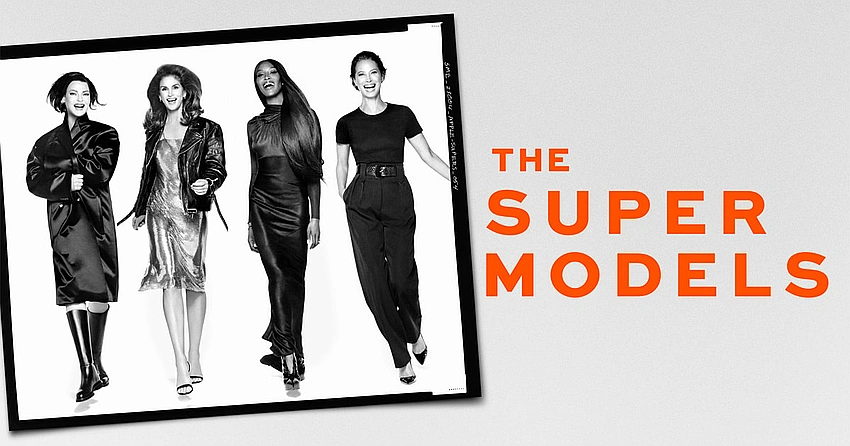
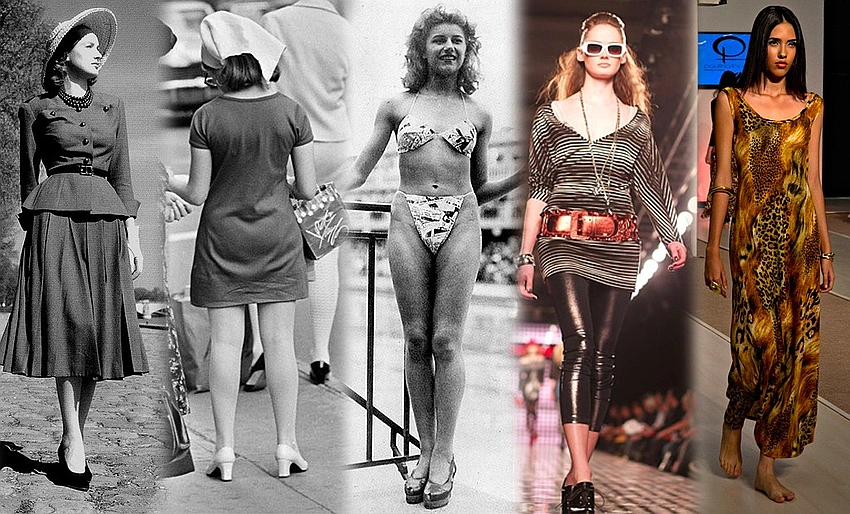
The supermodel era ran on scarcity and spectacle. Four or five women were treated as a cultural monolith, choreographing desire across magazine covers, catwalks, and music videos. That hierarchy has been freshly historicised by the Apple TV+ docuseries The Super Models, which frames the 1990s as a brief, concentrated reign whose iconography still circulates from George Michael’s “Freedom ’90” to Versace’s strutting chorus line. The point is not nostalgia but infrastructure: beauty travelled top-down, through editors, casting directors and fashion houses who decided what counted and who could carry it.
Platform capitalism and the rise of the branded self
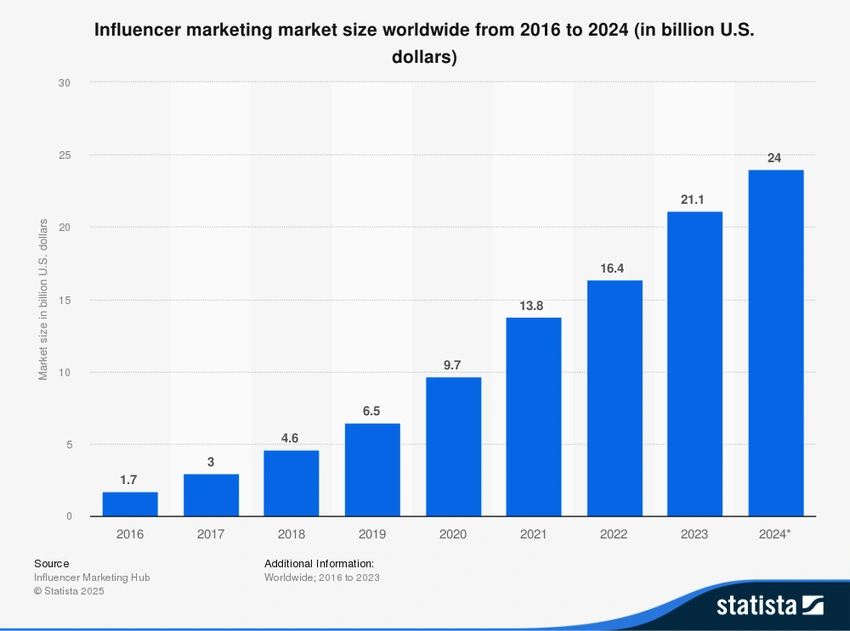
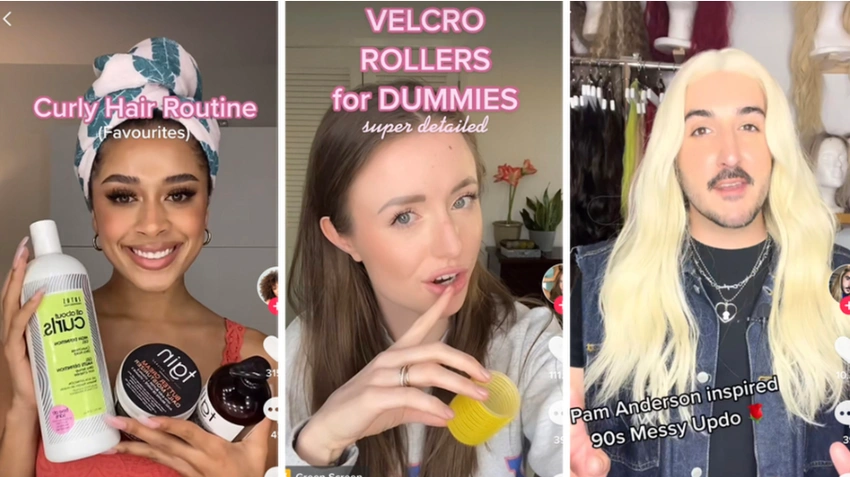
Influence rearranged the pipes. As platforms replaced publishers, visibility became programmable and personalised. The self had to become a brand that was searchable, scalable, and constantly maintained. Scholars of digital culture describe this shift as a new labour regime: metrics favour those who behave like micro-media companies, optimising personality for reach and sponsorship. The influencer ecosystem now intermediates a massive flow of attention and advertising spend; one industry estimate puts the influencer-platform market near $33 billion in 2025. Visibility is not an accident here; it’s a design, and it’s monetised.
The algorithmic face
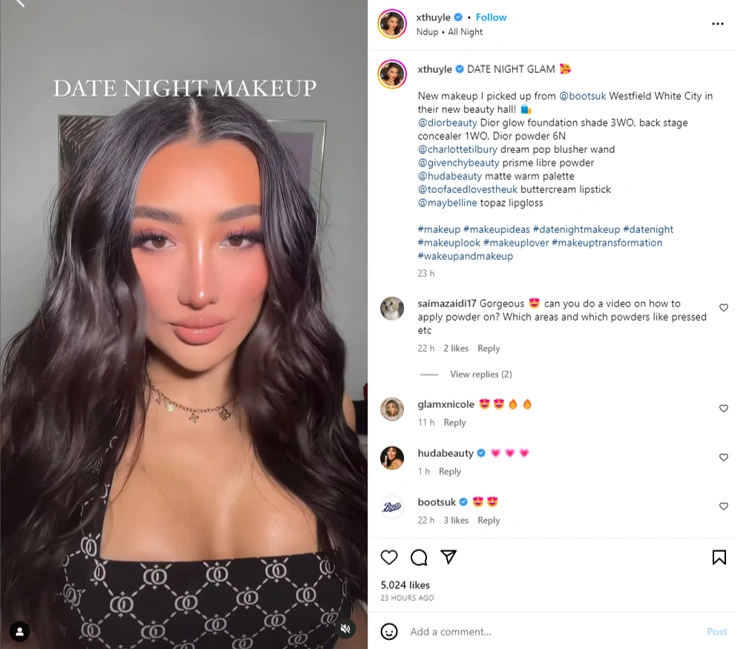
If the magazine cover once conferred a seasonal look, the feed produces a continuous one. Beauty filters, editing apps and injectable aesthetics converge to generate what journalists have called an “Instagram face”: hyper-symmetrical, contoured, youthfully ageless and optimised for the camera’s specific distortions.
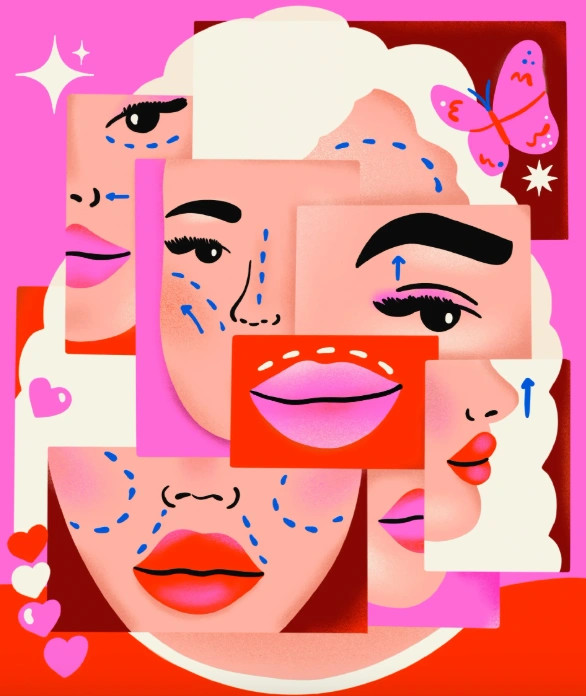
The look is less about individuality than about frictionless circulation: a face engineered to perform. It’s not merely cultural taste, but technical affordance filters prepose the features, compression smooths the skin, and engagement logic awards the familiar. Recent research on TikTok’s “Bold Glamour” shows how face-tracking and AR mask design can entrench narrow ideals while masking their own manipulations.
Rules, responsibility and the UK context
Regulatory bodies in Britain have tried to answer the deception question head-on. The Advertising Standards Authority has made clear that filters which exaggerate product efficacy are likely to mislead, placing the burden of proof on advertisers and creators alike. A broader push has targeted transparency, with updated guidance and reporting on ad disclosures for influencers on Instagram and TikTok. The line is pragmatic rather than puritanical: edits aren’t banned, but simulated results are. Platforms, for their part, are fitfully reshaping policies; even TikTok has moved to restrict some beauty filters for teenagers amid mental-health concerns. None of this “solves” beauty, but it does set parameters around how it is sold.
Postfeminist sensibility, renewed
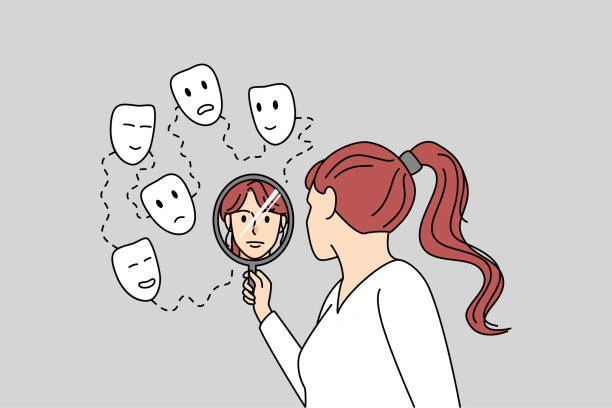
Culturally, we are living inside what Rosalind Gill called a postfeminist “sensibility”: an atmosphere where self-improvement, choice and makeover logics feel compulsory, and the female body operates as a project and spectacle at once. Social media intensifies this mood by turning self-presentation into everyday labour. The paradox is sharp: influencer culture promises authenticity yet routinises aesthetic discipline, relocating the work of beauty from agencies and retouchers to the individual who must constantly be “on”. The body is a brand asset; the face is a growth channel.
Diversity or the sameness of difference?
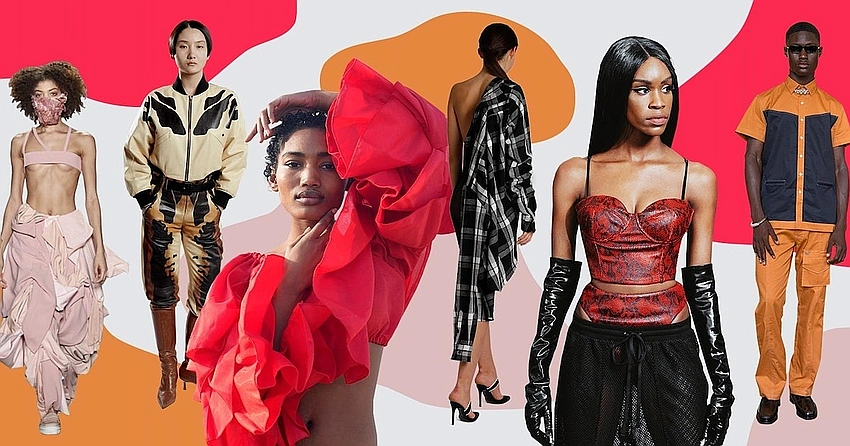
On the surface, today’s beauty feels more plural than the 1990s runway: more sizes, more skin tones, and more subcultures. The feed can be genuinely capacious, and this matters. Ofcom’s most recent UK reporting underscores how social platforms have become primary gateways to media, with all the diversification of voices that implies. And yet the algorithm’s preference for what already performs well exerts a centripetal force toward sameness. The result is a contradictory image economy: you can find anything, but what finds you tends to look the same.
The invisible work behind the look
Influencers are not just faces; they are small businesses whose assets depreciate nightly. The perpetual maintenance of editing, filming, responding, disclosing ads correctly, and tracking analytics produces a grind that collapses public and private. The camera-ready body demands continuous, sometimes costly, upkeep; the performance of “effortless” beauty is itself deeply effortful. Scholars of self-branding have long noted that this labour is affective as much as aesthetic: friendliness, relatability and trust are part of the product. If the supermodel’s glamour was distant, the influencer’s beauty is calibrated for intimacy, and intimacy is what sells.
Ownership: platforms, people, or something murkier?
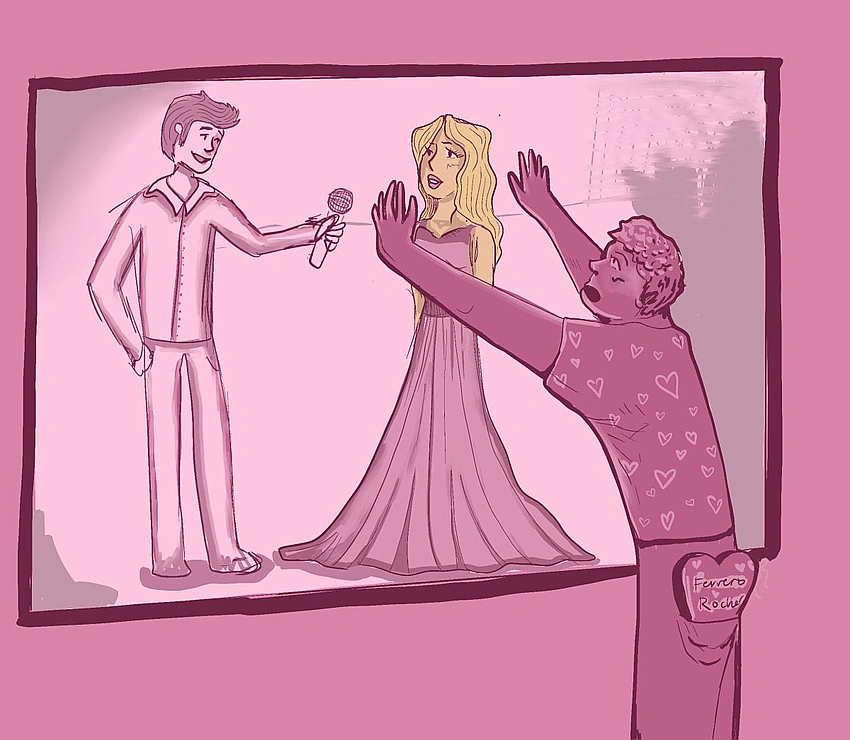
So, who owns beauty in this era? Not the traditional gatekeepers alone; they are now one node among many. Not the audience alone; preferences are steered by recommender systems that privilege certain faces, textures and tones. Not the creators alone; their image is also a data object, a pattern in a model, a statistic in a dashboard, and a token in a marketplace of branded content. Ownership is layered and unstable. Regulatory nudges help (filter rules, disclosure standards), and cultural critique helps too (naming the “Instagram face”, interrogating the pressures behind it), but the everyday experience of beauty is determined by the feedback loop between camera, platform and viewer.
A small manifesto for better looking
If beauty is now a networked practice, our ethics should be, too. As users, we can meed creators who disclose, who show texture, and who resist homogeny. As creators, we can treat editing as a craft rather than deceit, declared, contextual, and never used to simulate product results. As brands, we can fund plural aesthetics rather than minor variations on the same face. And as readers of the feed, we can remember that visibility is not proof, virality is not virtue, and the camera is a collaborator with its own aesthetic agenda.
The supermodels of the 1990s epitomised a centralised fantasy. Influencers today choreograph dispersed ones. In that difference lies both risk and possibility. Beauty now belongs to whoever can hold it together across a thousand tiny acts of maintenance and to the systems that decide which acts will be seen at all.
#ForYouPage #PlatformedBeauty #WhoOwnsBeauty #SelfBranding #Gatekeeping #Culture #SocialMedia #InstagramFace #SuperModels #Beauty
