Founders Are Obsessed With Virality Over Real Product

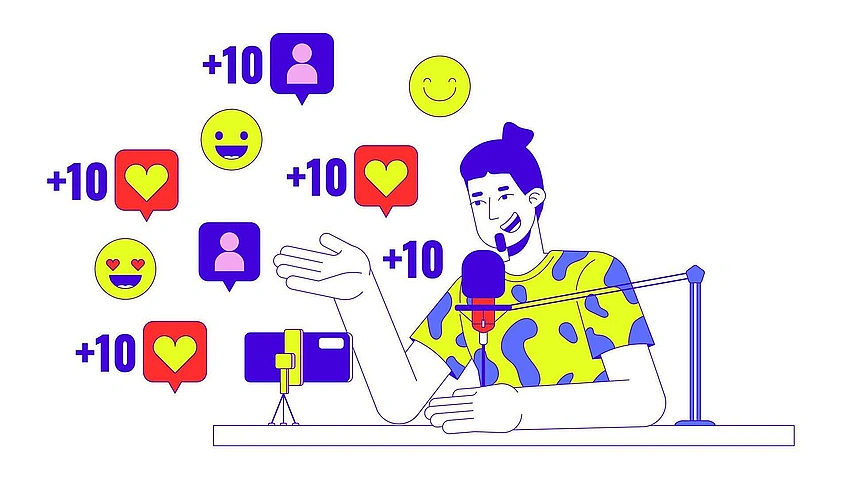
Founders Are Obsessed With Virality Over Real Product
AI-generated content can’t fix a bad business
The New Startup Fantasy
Somewhere along the way, the startup dream shifted.
It used to be about building something useful.
Now it feels like everyone just wants something viral.
Founders chase a moment instead of a mission.
A trending post, a crowd, flashy product video that gets reposted by the right tech bro.
Everyone is hungry for attention because attention looks like traction from far away.
Except attention is like fast food or a sugar rush.
Traffic comes and leaves.
The product stays the same. You can't retain it.
I’ve sat in startup meetings where the first question wasn’t “does anyone want this,” but “how do we get this to blow up.”
That’s trouble.
AI Made Marketing Too Easy
AI is making this worse.
You can make pitch decks in minutes. Make 'em look shiny.
You can post three motivational LinkedIn posts before breakfast.
You can auto-generate case studies, taglines, customer pain points, and competitor grids.
It all looks real, feels big.
But fake momentum can still crash.
You can wrap a bad product in a shiny glittery post and tie it with a neat AI bow.
The glitter does not make it good.
We're seeing a bunch of startups lately who've probably hired a marketer before hiring a proper product engineer.
They built the hype before they built the thing.
People signed up. The product works fine. But it doesn't work as promised It doesn't deliver.
Today the Twitter account still looks successful. The company is basically gone.
Virality Doesn’t Equal Users
Founders are confusing eyeballs for loyalty.
A swipe is not a conversion.
A comment is not a customer.
A viral launch video does not mean someone will pay for anything.
Someone in a podcast said something that stuck with me.
They said 80 percent of viral launches do not survive the first 90 days because people get excited about the story, not the product.
That’s when it hit me. We are crafting stories before we craft software.
Startups used to talk about churn like a warning.
Now we talk about impressions like a victory.
Something feels upside down.
Why We’re Addicted To The High
Founders are human.
We want to feel like we’re winning.
Virality is the fastest shortcut to that feeling.
Big numbers on a dashboard make you feel safe.
Investors smiling at demo day makes you feel chosen.
A crowd on social media makes you feel believed in.
The problem is that hype can keep you alive just long enough to ignore reality.
It delays the truth.
It feeds the fantasy that momentum equals product market fit.
Everyone is scared to slow down long enough to ask:
Does this thing actually solve anything?
Because if the answer is no, the whole show collapses.
What Actually Moves The Needle
Real users.
Real feedback.
Real pain solved.
Products take time.
Useful takes time.
Trust takes time.
No one screenshots slow, steady progress.
People screenshot hype.
So we chase hype.
But every time a founder finally steps back and says “let’s make the product solid first,” things start working again.
Customer retention goes up.
Support tickets go down.
Suddenly you don’t need to scream for attention.
People talk for you.
That is virality too.
It just comes later.
And it actually lasts.
A Closing Thought
I’m not anti-virality.
A good idea deserves to spread.
But brag posts cannot compensate for missing value.
AI marketing cannot keep a broken app alive.
Storytelling cannot replace usefulness.
Founders don’t need more content.
They need more patience.
More curiosity.
More time spent watching real people use the product instead of refreshing analytics.
Maybe the next big startup win won’t come from the loudest founder.
Maybe it comes from the quiet one.
The one who stays busy building while everyone else stays busy posting.
If we’re lucky, that era is coming back.
And honestly, I miss it.
