Reading & Leeds' 'Nepo Baby Stage': Joke, Stunt, or Music's Reality?
Reading & Leeds' 'Nepo Baby Stage': Joke, Stunt, or Music's Reality?
Reading & Leeds replaced their new artist showcase with a 'Nepo Baby Stage' featuring celebrity offspring. Is this a bold statement about music industry access or just a glaring example of its flaws?
The 'Nepo Baby Stage' Has Landed
There's been a lot of chatter about the UK's Reading and Leeds festivals after a significant programming change this year. What was once a respected platform for emerging talent has morphed into something, well, different . It's sparked debate across the industry, and frankly, we need to talk about what it truly signifies.
From BBC Introducing to… This?
For years, the BBC Music Introducing platform, launched in 2007, was the go-to for new artists at these massive festivals. It helped launch careers, think Charli XCX, Sam Fender, Raye, The 1975, even Ed Sheeran. The lineup was carefully curated, often sourced from regional DJs, giving genuine fresh talent a crucial leg up.
But this year, Reading and Leeds axed the Introducing Stage. In its place came the Canopy Stage, touted as a new artist showcase.
The festival's reps spun it as a democratic move, stating,
Previously, only artists who had been selected by the BBC were qualified to play the Introducing Stage, now, we are able to open up this important platform to a much wider pool of emerging talent and book any new music artist for the stage.
Sounds good on paper, right?
A move away from the “stodgy elites,” perhaps?
An Unintended Statement
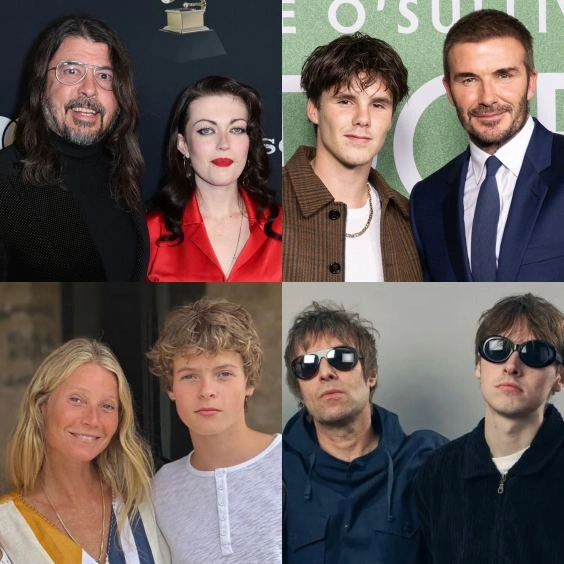
Then the lineup for this “wider pool” dropped, and the internet did what it does best. Performers on the inaugural Canopy Stage included Violet Grohl (daughter of Dave), Cruz Beckham (son of David and Victoria Beckham), People I've Met (fronted by Moses Martin, son of Chris Martin and Gwyneth Paltrow), and Villanelle (fronted by Gene Gallagher, son of Liam Gallagher and Nicole Appleton).
Unsurprisingly, it was swiftly, and aptly, dubbed the 'nepo baby stage.'
This isn't just about celebrity offspring trying their hand at music, that's always happened. It's the stark irony of a stage purportedly “open[ing] up this important platform to a much wider pool” ending up dominated by those who already have unparalleled access and connections. It feels less like broadening horizons and more like a high-profile, perhaps unintentional, exposé of how the music industry's power structures often operate.
What Does It All Mean?
So, is this whole thing a clever piece of satire, a calculated PR stunt, or simply a glaring example of a real problem? While some might argue it's an ironic commentary, I'd lean towards it being an accidental, yet brutal, spotlight on existing biases.
The festival's rationale of “revolutionary populism” leading to this outcome is almost too on the nose.
It's a vivid illustration of how efforts to democratize opportunities can sometimes - whether through design or oversight - perpetuate the very systems they claim to dismantle. As one cynical observer put it, this particular brand of 'elevating the ultra-wealthy under the guise of populism' is a familiar tune.
The Future of 'New Talent'
Ultimately, the 'Nepo Baby Stage' forces us to question who gets a shot in the music industry. If even a major festival's new artist showcase becomes a platform for those already connected, what does that mean for the truly independent, truly emerging talent without famous parents? It's a conversation we continually have, but Reading and Leeds inadvertently just screamed it from the main stage, and we should all be listening.

Login to comment.
No thots yet. Be the first to share your thoughts!